Free Blank Name Tracing Worksheets
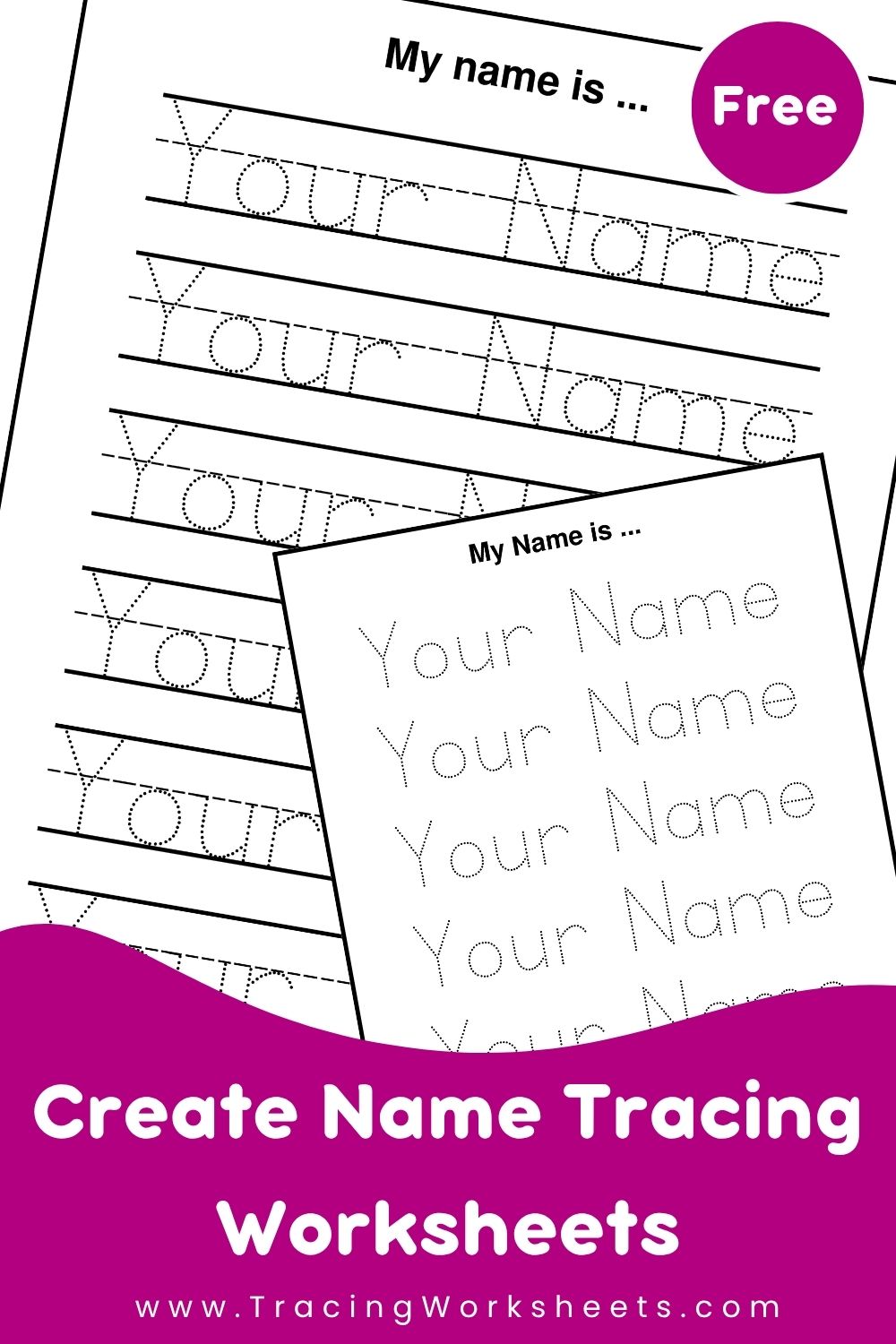
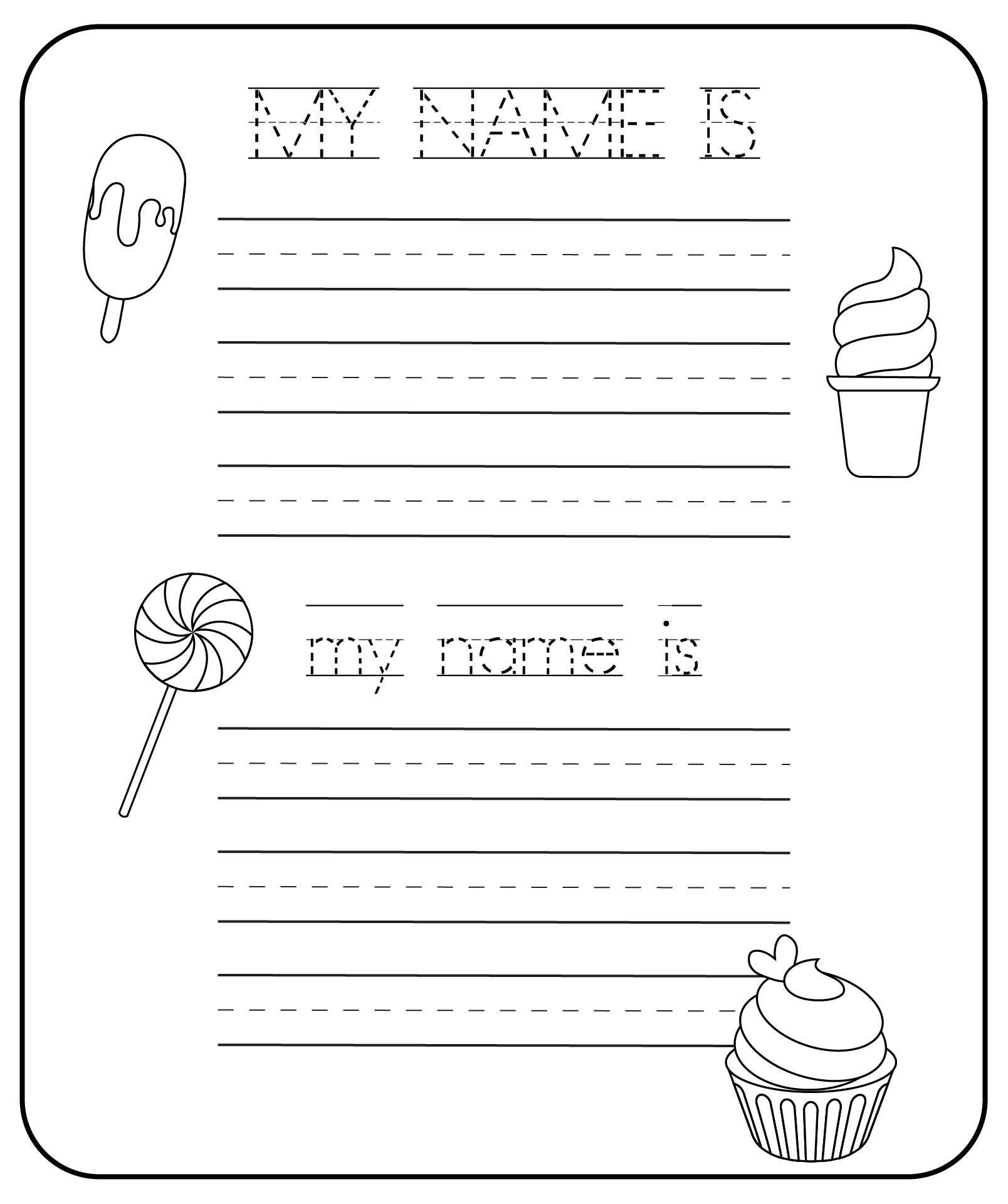
Using Free Blank Name Tracing Worksheets can be an excellent way for young learners to develop their handwriting skills. These worksheets are specifically designed to help children practice writing their names in a structured format. As a teacher or parent, you can utilize these resources in various educational settings, whether in the classroom or at home.
Understanding the Importance of Name Tracing
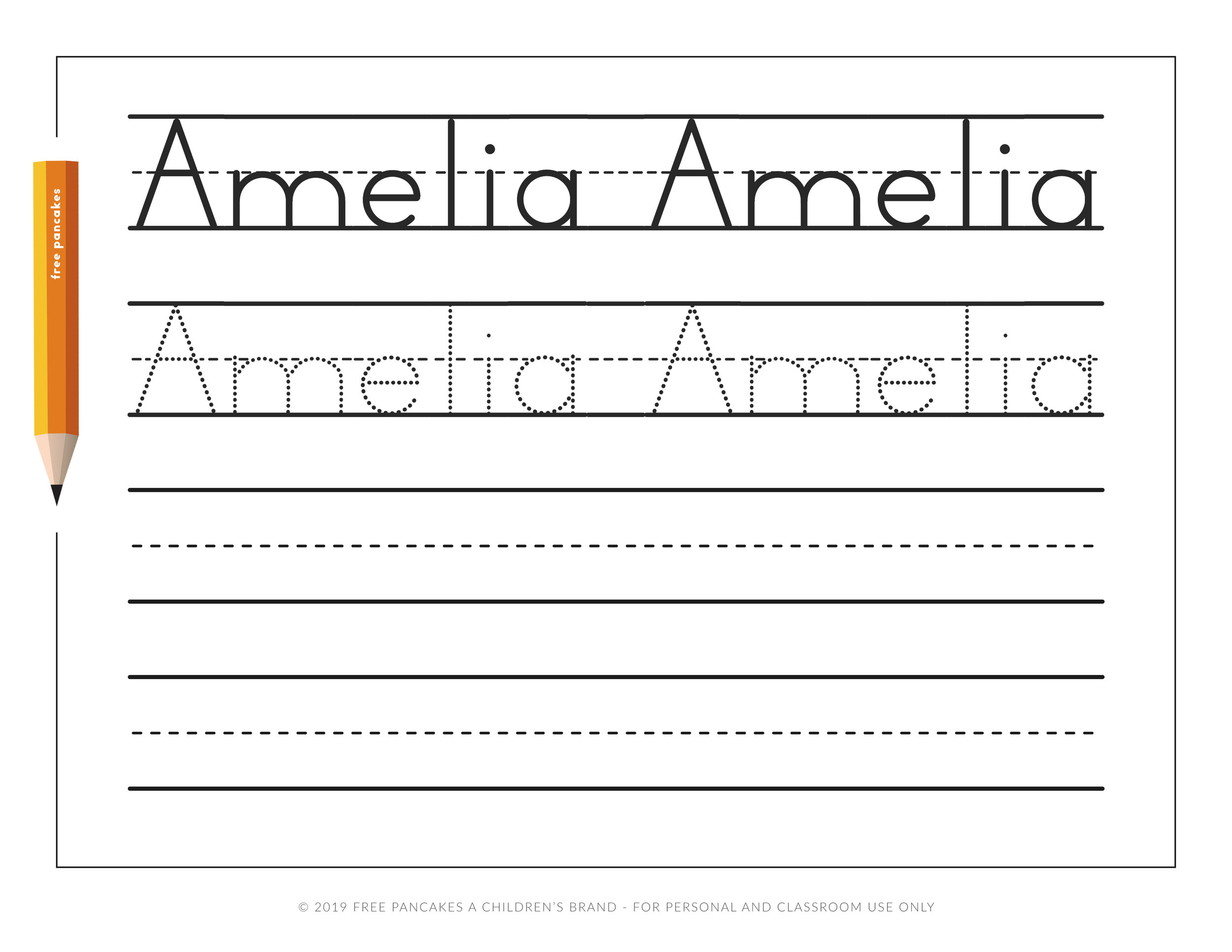
Name tracing worksheets are essential for early literacy development. When children learn to write their names, they gain confidence in their writing abilities and begin to recognize letters and their order. This skill lays the foundation for further language learning and literacy skills. By using Free Blank Name Tracing Worksheets, you provide a practical tool that can enhance fine motor skills, letter recognition, and overall writing proficiency.
How to Use Free Blank Name Tracing Worksheets Effectively
When introducing these worksheets, consider the age and skill level of your learners. Typically, preschool and kindergarten-aged children (about 4 to 6 years old) benefit most from name tracing activities. Here’s how you can make the most of these worksheets:
- Print and Prepare: Download and print the worksheets. Using cardstock can be beneficial if you plan to use these worksheets multiple times or laminate them for durability. A standard letter size (8.5 x 11 inches) is ideal for most home printers.
- Set Up a Learning Environment: Create a distraction-free space where children can focus on their writing. Make sure they have access to a comfortable writing tool, like a pencil or a crayon, and encourage them to sit at a table or desk.
- Demonstrate First: Show children how to trace their names. You might start by writing their name clearly on a whiteboard or paper and demonstrating how to form each letter. This visual aid can help reinforce what they will be doing on the worksheet.
- Encourage Independent Practice: Once children are familiar with tracing, allow them to try it on their own. They can start with the dotted letters and gradually move to writing their names without tracing lines. This transition is crucial for developing their confidence and skills.
- Positive Reinforcement: Celebrate their efforts and progress. Even small improvements should be acknowledged as this encourages them to keep practicing.
Checking Progress and Mastery
Monitoring progress is essential to ensure that children are mastering the skill of name writing. Here are a few ways to assess their development:
- Frequent Check-Ins: Regularly review their worksheets to see how well they are tracing and writing their names. Are they staying within the lines? Are they forming letters correctly?
- Variety in Practice: To keep them engaged, mix in different styles of name tracing worksheets. For example, some could have their names printed in uppercase letters while others might feature lowercase letters. This variety can enhance their recognition and writing skills.
- Encourage Self-Assessment: Ask children to evaluate their work. Questions like “Do you think you wrote your name neatly?” can prompt them to reflect on their handwriting and identify areas for improvement.
Creative Ways to Use Name Tracing Worksheets
While the primary use of Free Blank Name Tracing Worksheets is for practicing name writing, there are several creative ways to incorporate them into your teaching or parenting routine:
- Art Projects: After tracing their names, have children decorate their worksheets. They can color around the letters, draw pictures that represent their name, or even create a name banner for their room.
- Group Activities: In a classroom setting, use these worksheets for group activities. Children can pair up and help each other trace names, fostering peer interaction and collaboration.
- Name Games: Turn name tracing into a fun game. For instance, you can have a “name relay” where children trace their names as quickly as possible, or create a matching game with names and pictures.
- Personalized Learning: Customize worksheets by including additional information, like the child’s favorite color or animal. This personal touch can make the activity more engaging and meaningful.