Find The Meaning Of The Word
Understanding vocabulary is a vital part of language development. When you want to help students improve their reading and writing skills, it’s essential to teach them how to find the meaning of the word. This skill not only enhances comprehension but also builds confidence in their ability to communicate effectively. In this article, we will explore practical strategies, resources, and activities that you can use to empower your students in their vocabulary journey.
Why Understanding Word Meaning Matters
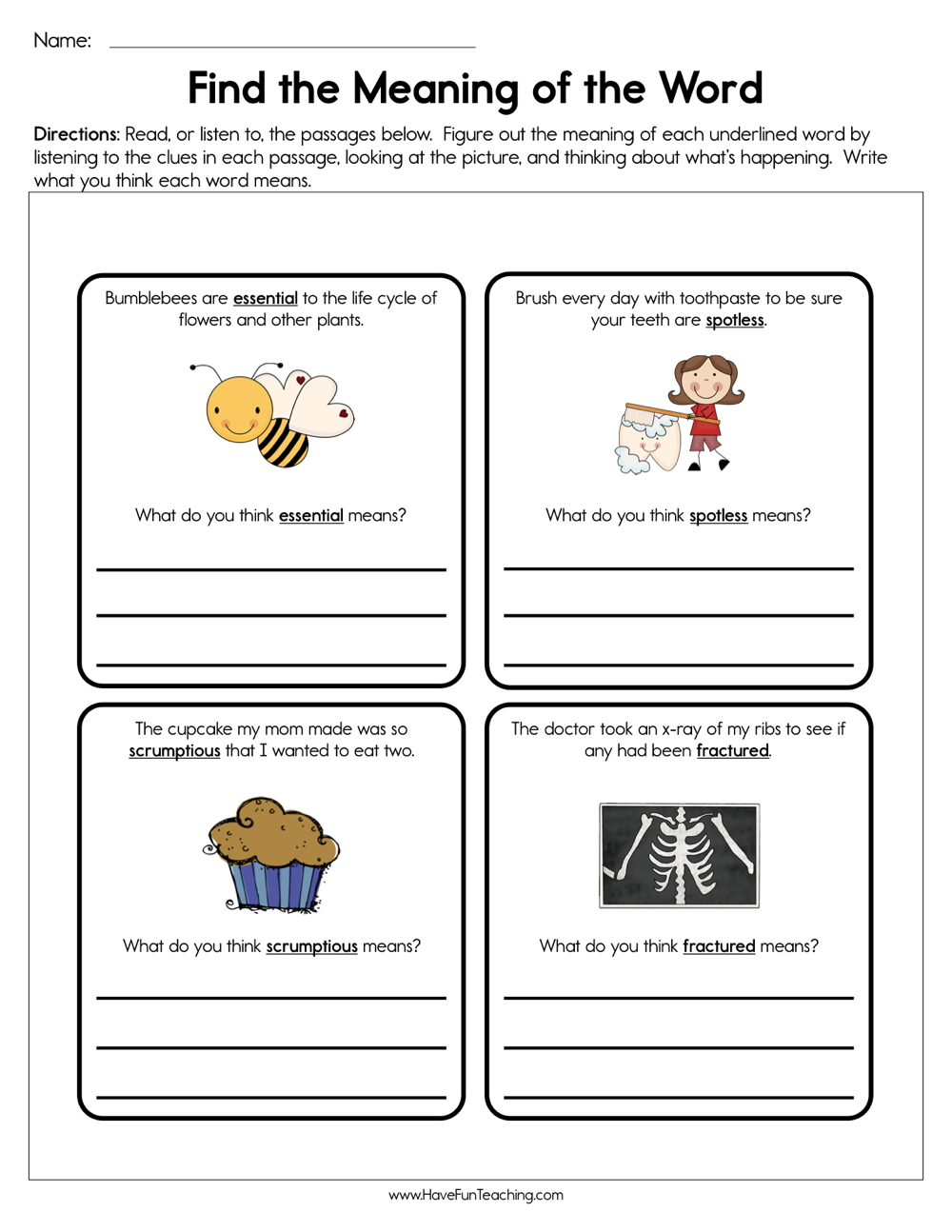
Finding the meaning of the word is crucial for several reasons. First, it allows students to comprehend texts more fully. When they encounter unfamiliar words, knowing how to decode their meanings can prevent frustration and disengagement. Second, a strong vocabulary is linked to better writing skills. The more words students understand, the more effectively they can express their thoughts. Finally, vocabulary knowledge plays a significant role in standardized testing and academic success.
Effective Strategies for Teaching Vocabulary
Teaching students how to find the meaning of the word requires a variety of approaches. Here are some effective strategies you can implement in your classroom:
Context Clues
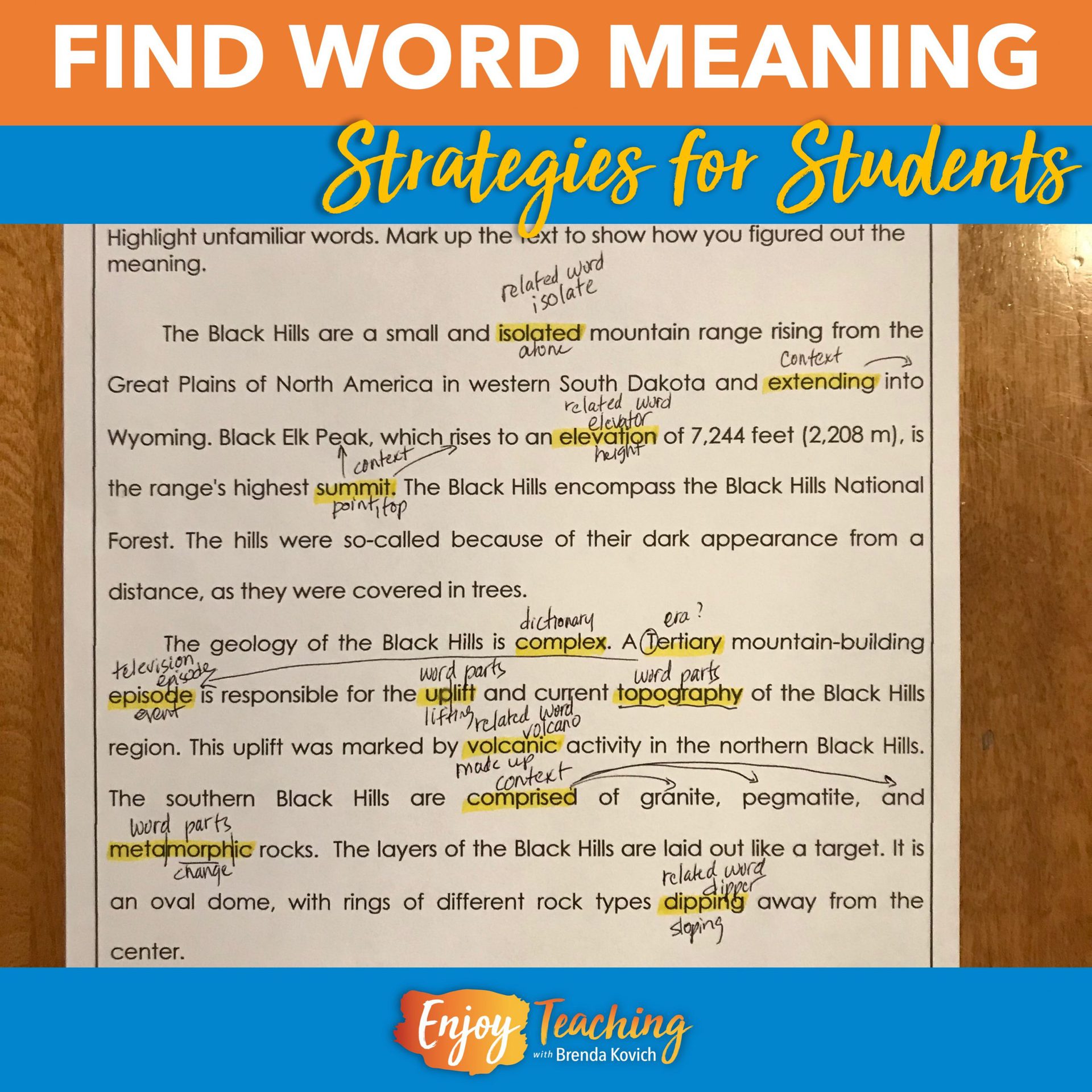
Encouraging students to use context clues is one of the most practical ways to deduce word meanings. Teach them to look at the surrounding sentences and paragraphs for hints about a word’s meaning. For instance, if a student encounters the word “gregarious” in a sentence like, “Unlike her gregarious friends, Sarah preferred to spend her weekends alone,” they can infer that “gregarious” relates to being social or outgoing.
Word Maps
Creating word maps can help students visualize and organize their understanding of words. These maps can include the definition, synonyms, antonyms, and example sentences. You can provide a printable template for word maps, allowing students to fill in their own information as they learn new vocabulary. This hands-on approach makes the learning process engaging and interactive.
Dictionary Skills
Teaching students how to use a dictionary effectively is a fundamental skill. Show them how to look up words, understand definitions, and recognize parts of speech. Encourage them to explore online dictionaries, which often provide audio pronunciations and example sentences. Make sure to highlight the importance of checking multiple sources for nuanced meanings, especially for homonyms.
Root Words and Affixes
Understanding root words and affixes can greatly aid in vocabulary development. When students learn common prefixes and suffixes, they can break down unfamiliar words into manageable parts. For example, knowing that “un-” means “not” helps students understand the word “unhappy.” You can create worksheets that focus on root words and their meanings, providing an excellent resource for independent practice.
Printable Resources to Enhance Vocabulary Learning
To support your teaching efforts, consider using printable resources that align with the strategies mentioned above. Here are some types of resources you might find useful:
Vocabulary Worksheets
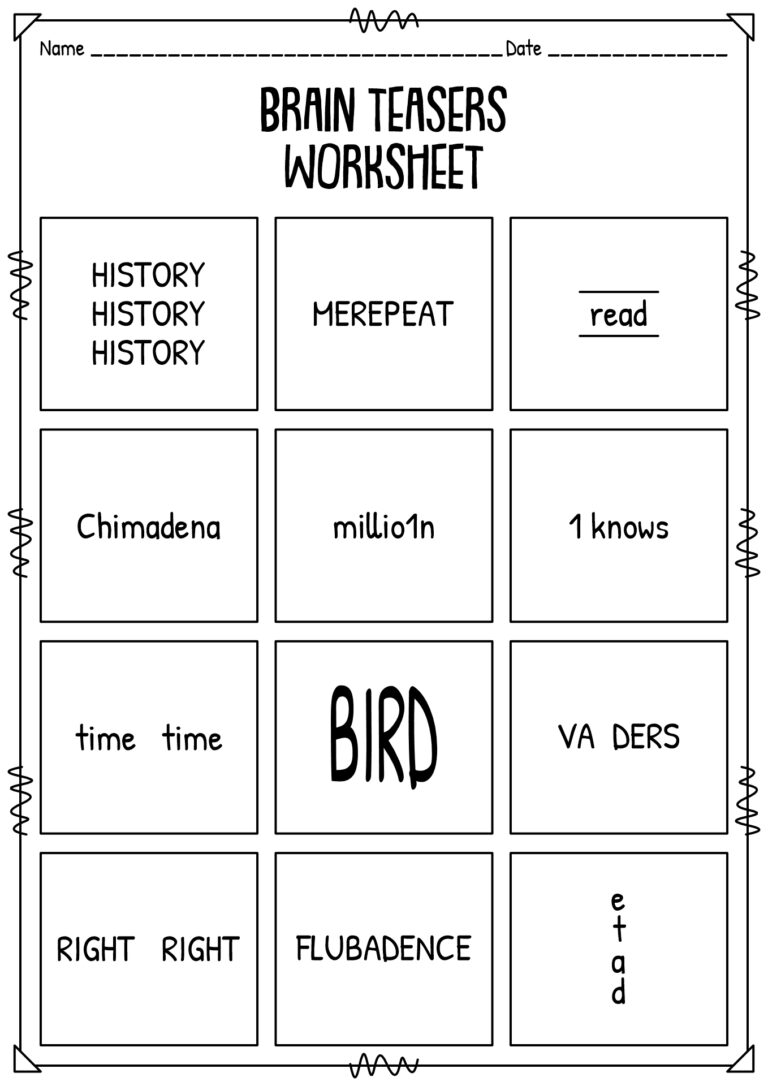
Printable vocabulary worksheets can provide targeted practice for students. These worksheets can include exercises that ask students to find the meaning of words in context, match words with their definitions, or use words in original sentences. Look for worksheets that cater to different grade levels to ensure all students are appropriately challenged.
Word Games
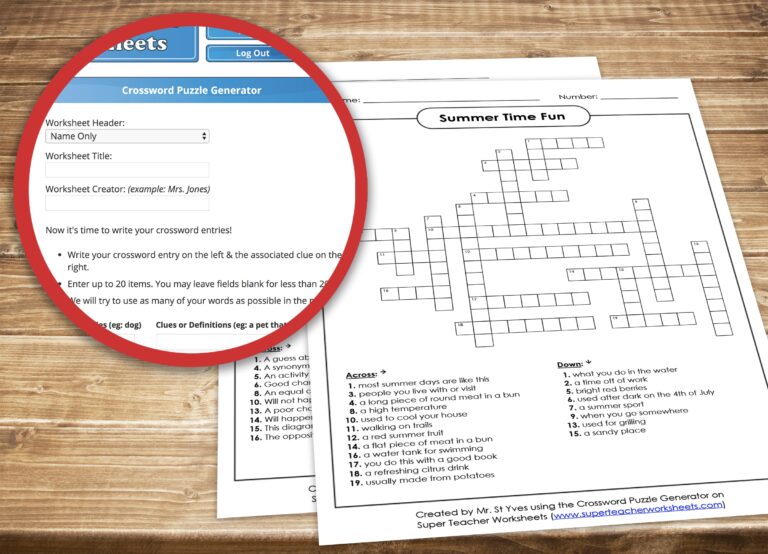
Games like crossword puzzles, word searches, and bingo can make vocabulary learning fun. You can create printable versions of these games that incorporate specific vocabulary words your students are learning. This approach encourages engagement and reinforces their understanding of word meanings in a playful manner.
Flashcards
Flashcards are a versatile tool for vocabulary practice. You can create printable flashcards that feature a word on one side and its definition or an image representing the word on the other. Encourage students to use these flashcards for self-study or in pairs, turning learning into an interactive experience.
Word Lists
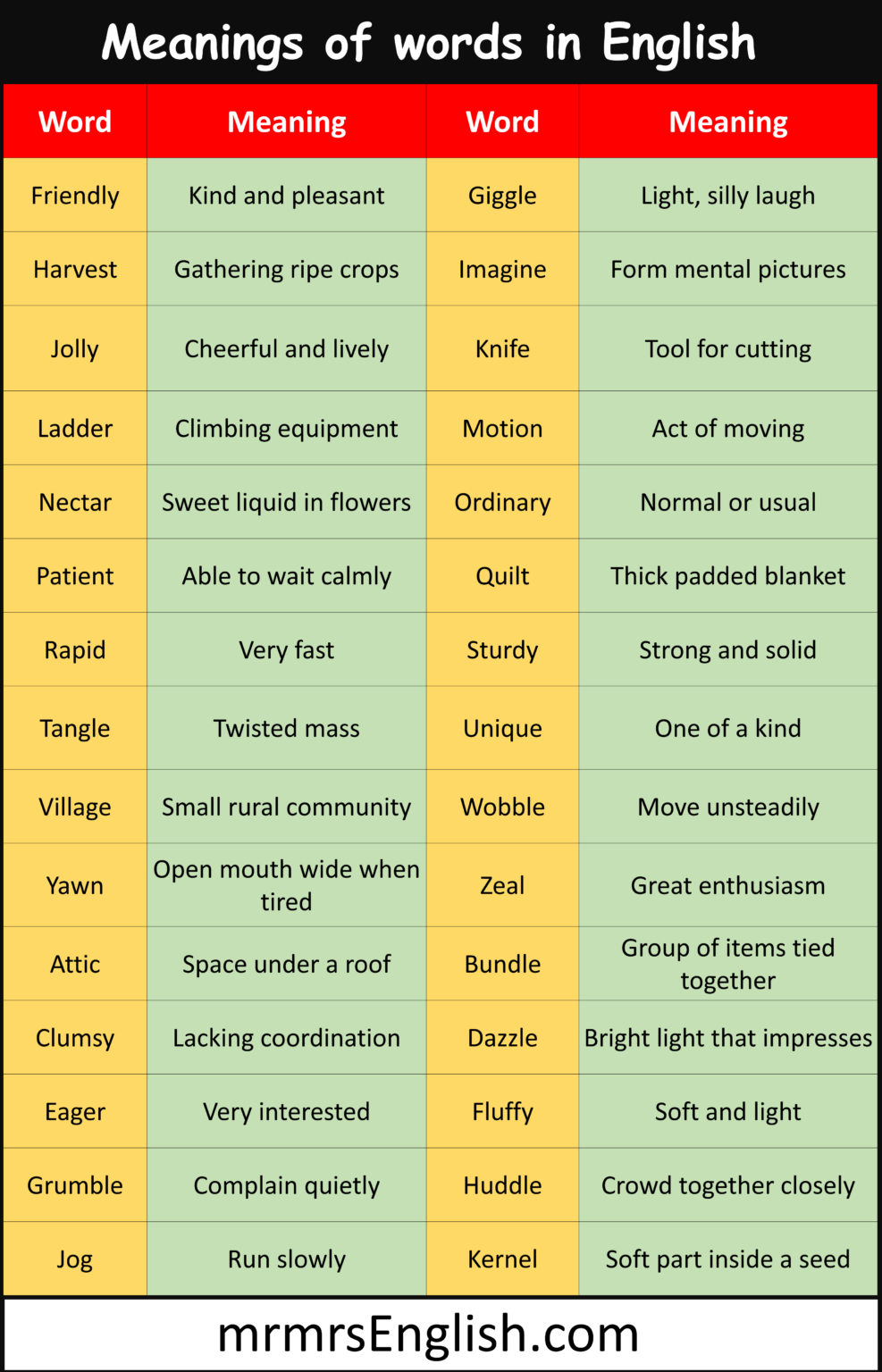
Providing students with curated word lists can help them focus on specific vocabulary themes, such as academic words or words related to a particular subject. You can create printable lists that include definitions, synonyms, and example sentences. This resource can serve as a handy reference for students as they encounter these words in their reading.
Engaging Activities to Reinforce Vocabulary Skills
Incorporating engaging activities into your lessons can help reinforce vocabulary skills. Here are some ideas that you can easily implement in your classroom:
Vocabulary Journals
Encouraging students to keep a vocabulary journal can be an effective way for them to track their learning. In this journal, students can record new words they encounter, along with their meanings, sentences using the words, and any synonyms or antonyms they discover. This practice helps solidify their understanding over time.
Group Discussions
Facilitating group discussions around new vocabulary can enhance comprehension and retention. Organize small groups where students can share the words they’ve learned and their meanings. Prompt them to use these words in sentences or encourage them to ask questions about words they find challenging. This collaborative approach fosters a deeper understanding.
Role-Playing
Incorporating role-playing activities can help students practice using new vocabulary in context. Create scenarios where students can act out situations utilizing specific vocabulary words. For example, if they learned about “persuasion,” they can role-play a situation where they must persuade a friend to try a new activity. This immersive experience helps solidify word meanings.
Interactive Storytelling
Using storytelling as a medium for vocabulary practice can be highly effective. Have students create their own stories that incorporate a set list of vocabulary words. They can illustrate their stories, and you can provide printable templates for them to write and draw in. This creative approach not only enhances vocabulary but also encourages critical thinking and creativity.