Fill In The Part Part Whole Mat
Using a Fill In The Part Part Whole Mat can significantly enhance a child’s understanding of addition and subtraction. This resource is designed to help students visualize the relationship between parts and wholes, making it easier for them to grasp these fundamental concepts in math. Teachers and parents alike can leverage this tool for a variety of educational activities. Let’s explore how to use this mat effectively, its benefits, and tips for maximizing its educational value.
Understanding the Fill In The Part Part Whole Mat
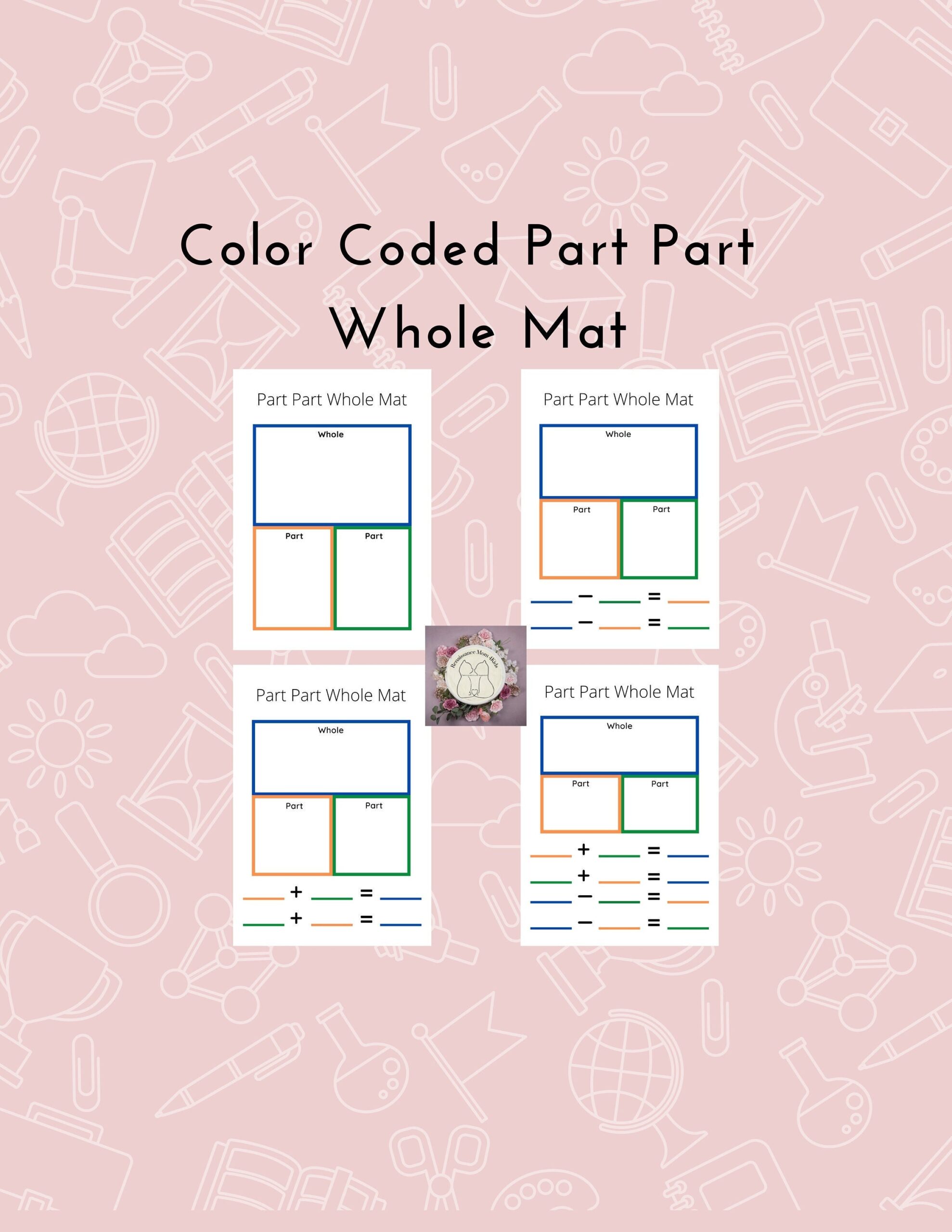
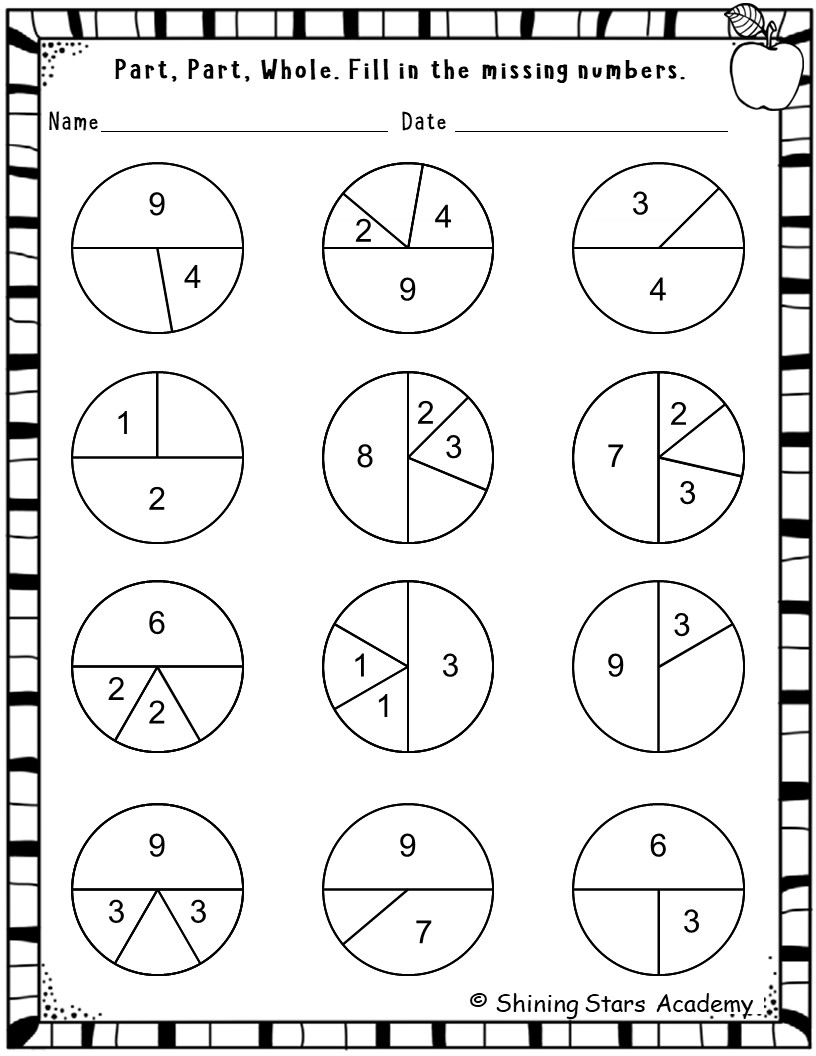
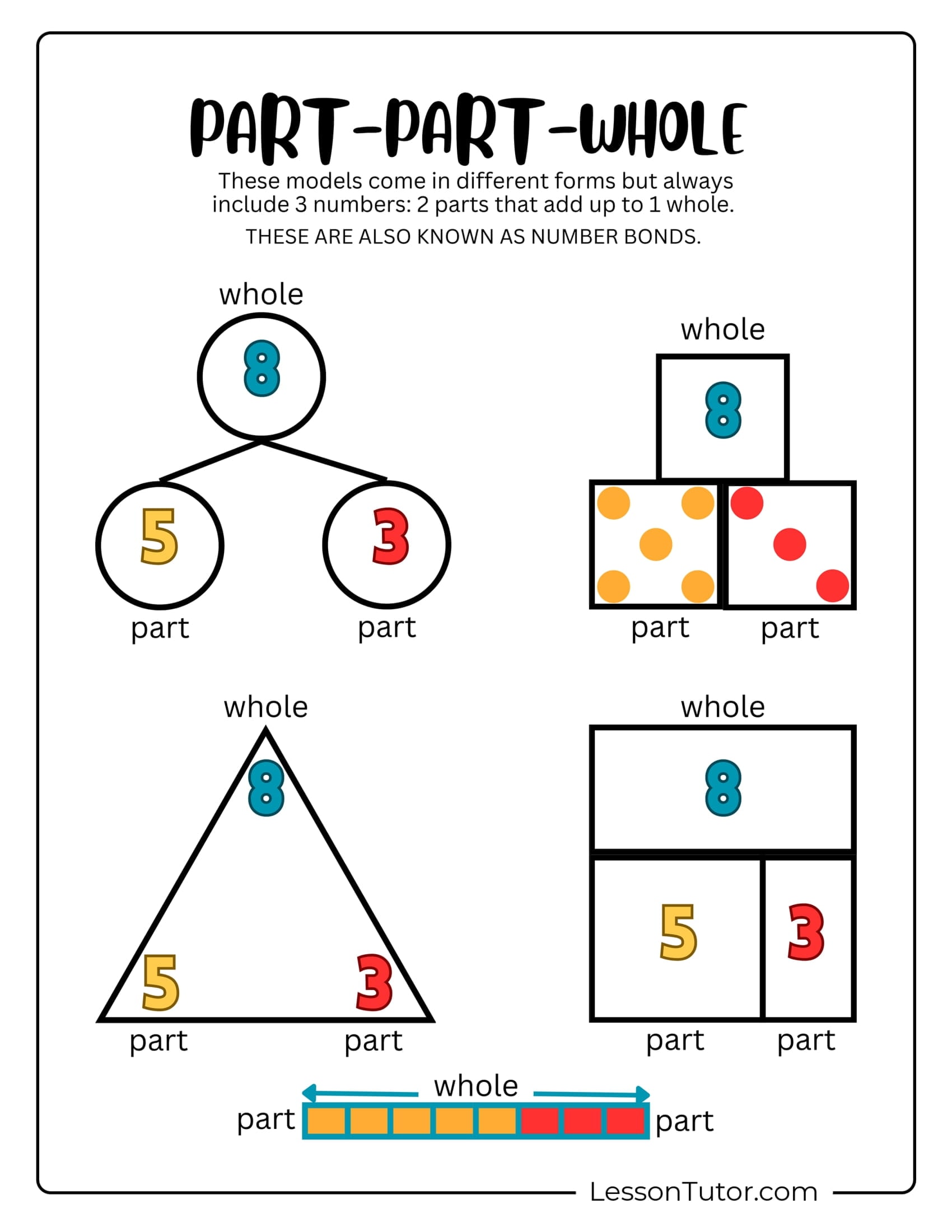
A Fill In The Part Part Whole Mat is a visual aid that helps children break down numbers into parts and understand how those parts combine to form a whole. Typically, the mat consists of three sections: two for the parts and one for the whole. This layout allows students to see how two numbers can combine to create a larger number, reinforcing their addition skills while also introducing them to the concept of subtraction.
The primary audience for this resource includes kindergarten to early elementary school teachers and parents who are looking for effective ways to teach math concepts. The mat can be printed in various sizes, but a standard letter size (8.5 x 11 inches) is often the most convenient for home and classroom use.
How to Use the Fill In The Part Part Whole Mat
Using the Fill In The Part Part Whole Mat is straightforward, making it an excellent resource for both teachers and parents. Here are some practical steps to effectively use this tool:
- Download and Print: Start by downloading the mat from a reliable printable-resource website. Ensure you print it on high-quality paper. Cardstock is recommended if you plan to laminate the mat for durability.
- Introduce the Concepts: Before using the mat, explain the concepts of parts and wholes to the child. Use everyday examples, such as sharing a pizza or dividing a set of toys, to illustrate how numbers can be broken down into parts.
- Interactive Learning: Begin with simple numbers. For example, if the whole is 5, ask the child to fill in the two parts. They can try combinations like 2 and 3 or 1 and 4. Encourage them to think of different ways to make the same whole.
- Incorporate Manipulatives: You can enhance the learning experience by using physical objects like blocks, counters, or even snacks. Have the child physically separate the objects into two groups and then write the corresponding numbers on the mat.
- Practice Addition and Subtraction: Once the child is comfortable with the concept, you can introduce simple addition and subtraction problems. For instance, if they know that 2 + 3 = 5, you can then ask them what happens if you take away 2 from 5. This dual approach fosters a deeper understanding of both operations.
Benefits of Using the Fill In The Part Part Whole Mat
The Fill In The Part Part Whole Mat offers numerous benefits for young learners:
- Visual Learning: Children are often visual learners, and this mat provides a clear visual representation of how numbers relate to each other. It helps them conceptualize and internalize mathematical relationships.
- Enhanced Problem-Solving Skills: By using the mat, children develop critical thinking and problem-solving skills. They learn to analyze problems and find multiple solutions, which is a key aspect of mathematical thinking.
- Engagement and Motivation: The interactive nature of the mat keeps children engaged. They enjoy working with tangible objects and visuals, which can make learning math more enjoyable.
- Easy Differentiation: The mat is easily adaptable for different skill levels. For advanced learners, you can increase the numbers used, while for beginners, you can keep it simple. This flexibility makes it suitable for a range of learning environments.
Tips for Maximizing the Effectiveness of the Mat
To get the most out of your Fill In The Part Part Whole Mat, consider the following tips:
- Laminating: If you plan to use the mat multiple times, consider laminating it. This allows for write-and-wipe activities using dry-erase markers, making it reusable and environmentally friendly.
- Incorporate Games: Turn the learning process into a game. For instance, you can set a timer and see how many combinations the child can come up with in a minute. This adds an element of fun while reinforcing the concepts.
- Regular Practice: Consistency is key in learning math. Make it a routine to use the mat during math practice sessions, gradually increasing complexity as the child becomes more comfortable with the concepts.
- Combine with Other Resources: Pair the mat with other printable resources, such as worksheets or flashcards, to reinforce learning. This multifaceted approach helps solidify the child’s understanding of math concepts.
Using a Fill In The Part Part Whole Mat can transform the way children learn addition and subtraction. By employing hands-on activities, visual aids, and engaging methods, you can create a rich math learning environment that encourages exploration and understanding. The key is to make learning enjoyable and interactive, ensuring that children not only grasp the concepts but also develop a love for math that lasts a lifetime.