English Worksheet For Class 1
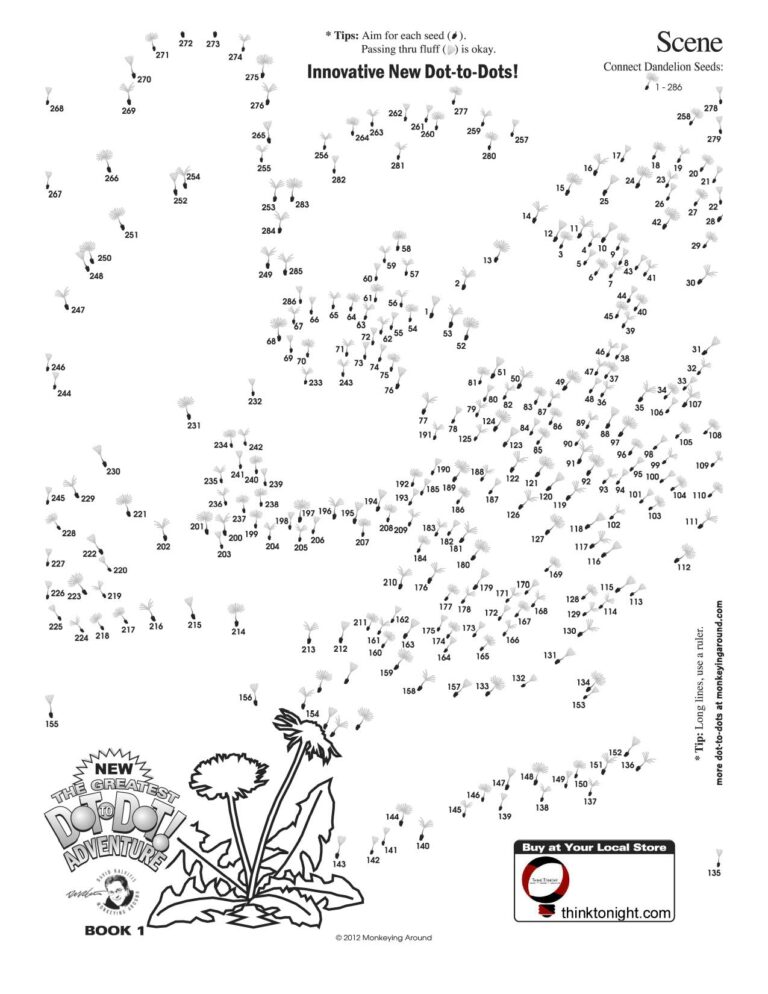
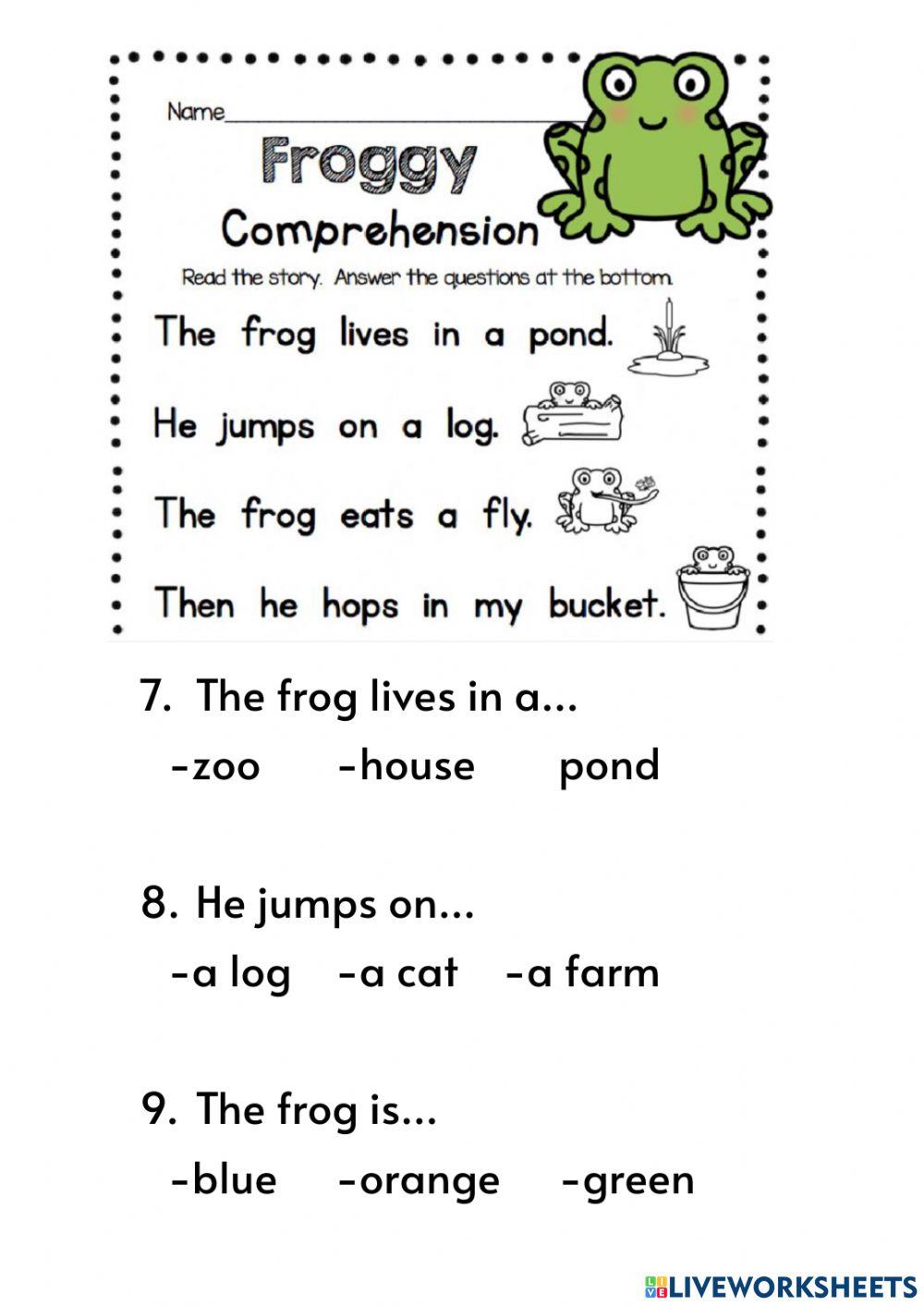
Young learners in Class 1 are at a crucial stage in their education, where foundational skills in English can set the tone for their future learning. This English Worksheet For Class 1 is specifically designed to cater to their developmental needs, focusing on essential skills such as vocabulary, sentence structure, and comprehension. The layout of this worksheet not only makes it visually appealing but also easy to navigate, allowing students to engage with the material without feeling overwhelmed.
Key Components of the Worksheet
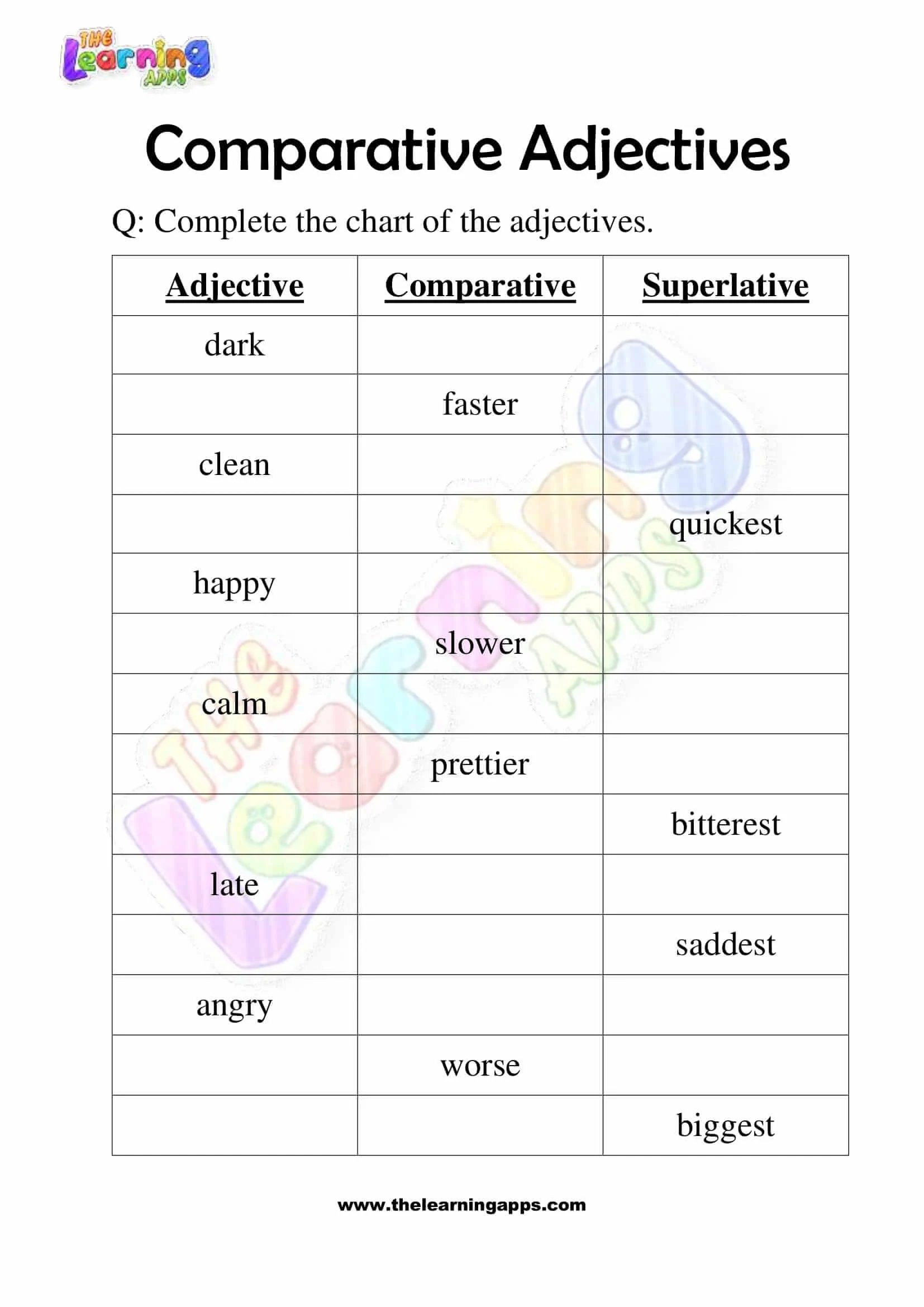
The English Worksheet For Class 1 is structured into several sections, each targeting different aspects of language learning. Here’s a breakdown of the components you can typically expect:
- Vocabulary Building: This section introduces students to new words, often accompanied by images. For instance, if the word is “cat,” a picture of a cat will help reinforce the meaning. This visual association is particularly effective for young learners.
- Sentence Formation: Here, students practice constructing simple sentences. They might be given a set of words and asked to form a sentence. This not only enhances their vocabulary but also improves their understanding of grammar.
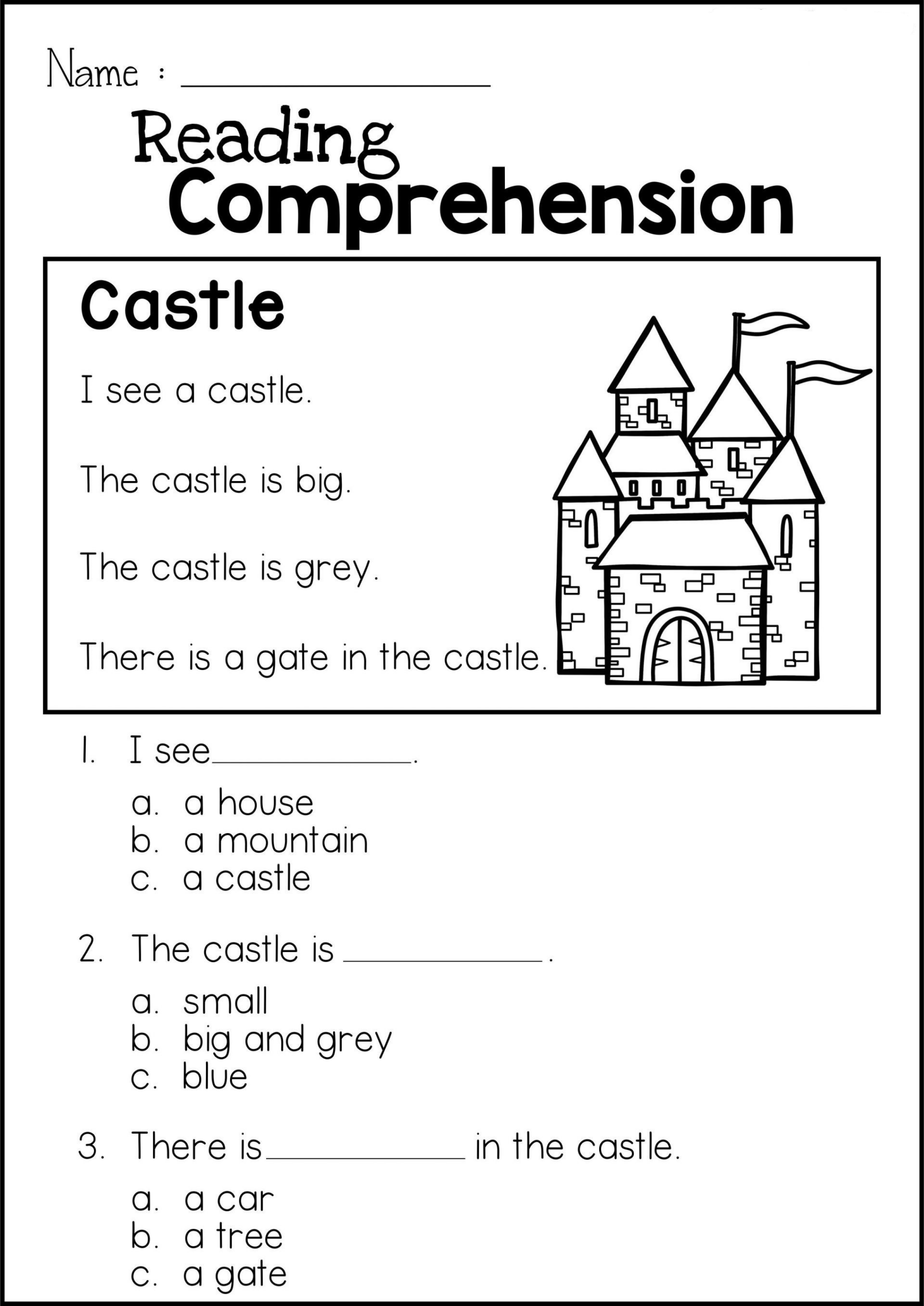
- Reading Comprehension: This part often includes a short passage followed by questions. The questions encourage critical thinking and help assess the student’s understanding of the text.
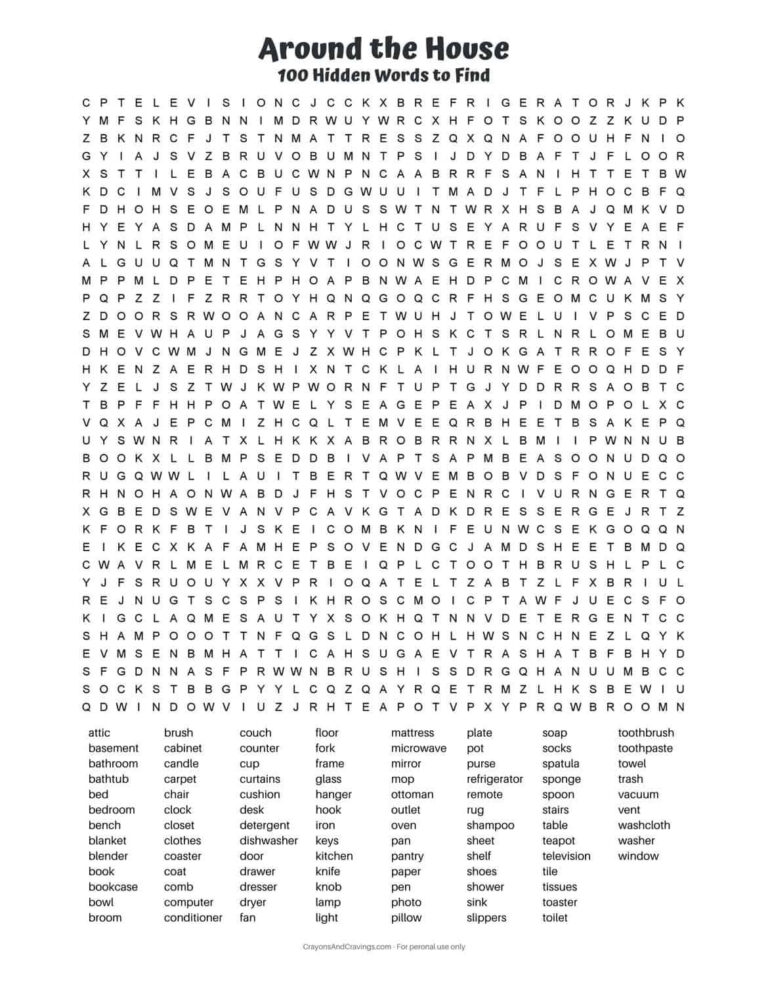
- Fun Activities: Engaging activities like word searches or matching exercises keep the learning process enjoyable. These activities can help reinforce skills in a low-pressure environment.
The thoughtful design of these sections makes it easy for teachers to implement them in a classroom setting or for parents to use them at home.
How to Use the Worksheet Effectively
To maximize the benefits of the English Worksheet For Class 1, consider the following strategies:
- Pacing: Depending on the students’ grasp of the material, you might want to spread the worksheet over several days. For example, introduce vocabulary on one day, practice sentence formation on another, and tackle reading comprehension later in the week. This pacing helps avoid overwhelming young learners.
- Group Activities: If you’re in a classroom setting, consider using the worksheet as a group activity. Children can work together on the vocabulary section, helping each other understand new words and phrases. This not only promotes teamwork but also enhances their communication skills.
- Feedback: After students complete the worksheet, provide constructive feedback. Highlight what they did well and offer guidance on areas for improvement. This feedback loop is essential for their growth.
Printable Format Considerations
When preparing to print the English Worksheet For Class 1, keep in mind a few practical tips to ensure the best results:
- Paper Size: Standard A4 paper is often the best choice for worksheets, as it fits well in most printers and is easy for young children to handle.
- Layout: The portrait layout typically works best for worksheets, allowing for a natural flow from top to bottom. This format helps young learners follow along more easily.
- Color vs. Black and White: While color can enhance engagement, it’s not always necessary. If you’re on a budget, a black-and-white printout can still be effective, especially for simple text-based activities.
- Laminating: If the worksheet will be reused, consider laminating it. This protects the paper and allows you to use dry-erase markers for repeated practice.
Engaging Activities to Supplement the Worksheet
To deepen the learning experience beyond the English Worksheet For Class 1, you can incorporate various activities that align with the themes of the worksheet:
- Storytime Sessions: Choose books that relate to the vocabulary or themes in the worksheet. Reading these stories aloud can enhance comprehension and listening skills.
- Interactive Games: Games like “I Spy” can reinforce vocabulary. For instance, if the worksheet has words like “dog” and “tree,” ask students to find these items in their environment.
- Creative Writing: Encourage students to write their own short stories using the new vocabulary they’ve learned. This exercise not only reinforces their understanding but also allows them to express their creativity.