Dotted Alphabet Letters To Trace
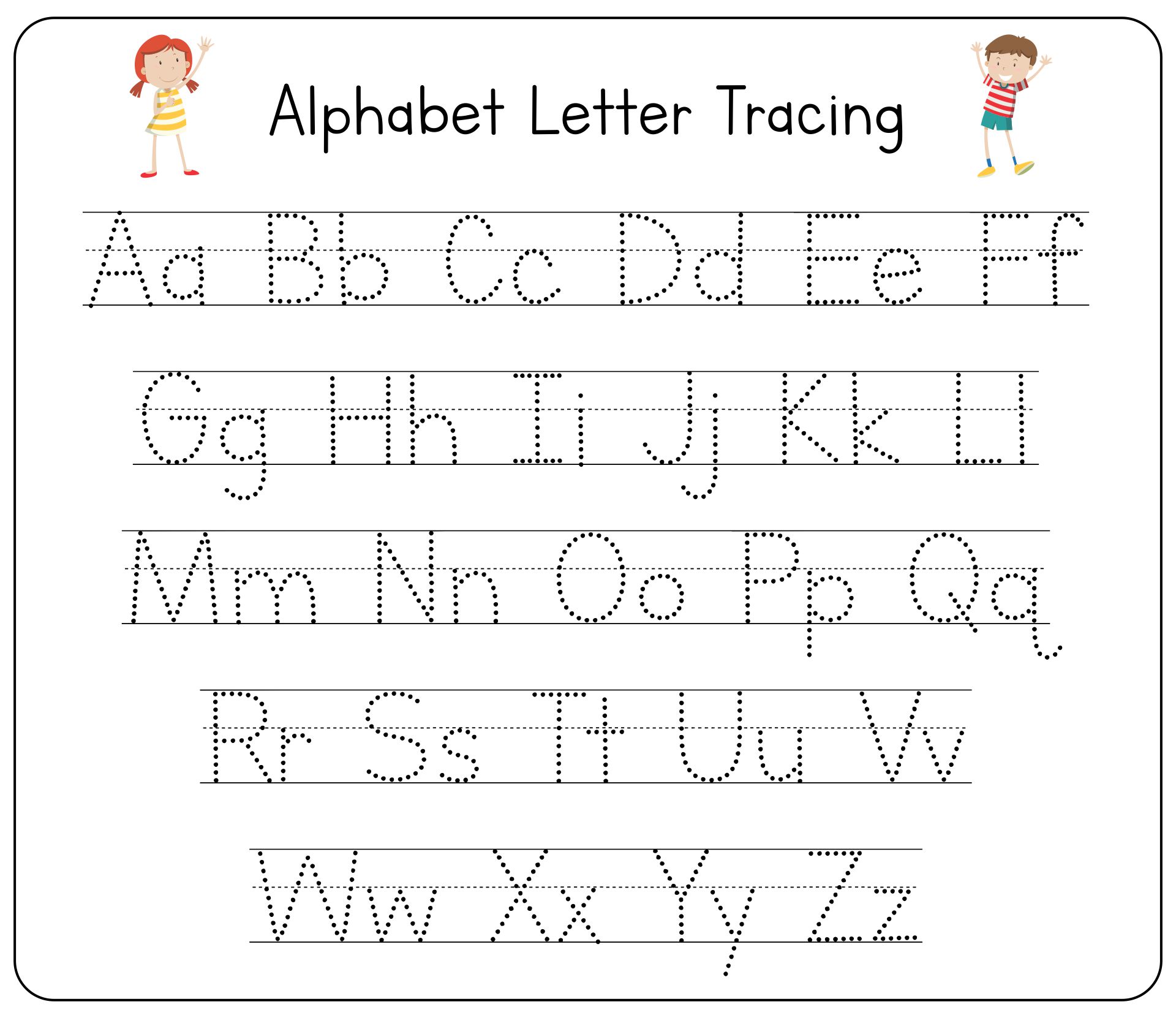
Dotted Alphabet Letters To Trace worksheets provide a structured way to teach children the fundamentals of letter formation and recognition. These resources are especially beneficial for preschool and kindergarten students, who are just beginning their writing journey. The dotted format allows young learners to practice their fine motor skills while gaining confidence in their ability to write letters correctly.
Importance of Tracing Letters for Young Learners
Tracing letters is more than just a fun activity; it plays a critical role in developing essential skills for early literacy. When children trace dotted letters, they learn how to form each character correctly, which sets the foundation for future writing. This practice helps them understand the shapes and sounds of letters while also improving hand-eye coordination.
Moreover, tracing can be a soothing activity that enhances concentration. It encourages children to slow down and focus on the task at hand, making it an excellent tool for calming busy minds. This aspect is particularly valuable in a classroom or homeschool setting, where maintaining attention can sometimes be challenging.
How to Use Dotted Alphabet Letters To Trace
When using Dotted Alphabet Letters To Trace, it’s essential to have a clear plan for how to incorporate these worksheets into your lessons. Here are some practical suggestions:
- Daily Practice: Set aside a few minutes each day for tracing activities. Consistency is key in building muscle memory and confidence.
- Group Activities: Use the worksheets in a group setting where children can work together. This encourages peer learning and can make the activity more enjoyable.
- Incorporate Arts and Crafts: After tracing letters, engage students in a creative activity that reinforces the letter’s sound, such as drawing objects that start with that letter or coloring in pictures that correspond to the letters they’ve traced.
For effective use, consider printing these worksheets on heavier paper or cardstock if they will be used frequently. This ensures durability, especially if students are using markers or crayons to fill in their traced letters.
Layout and Design Features of Tracing Worksheets
The design of Dotted Alphabet Letters To Trace worksheets is tailored to maximize learning. Here are some of the key features you might notice:
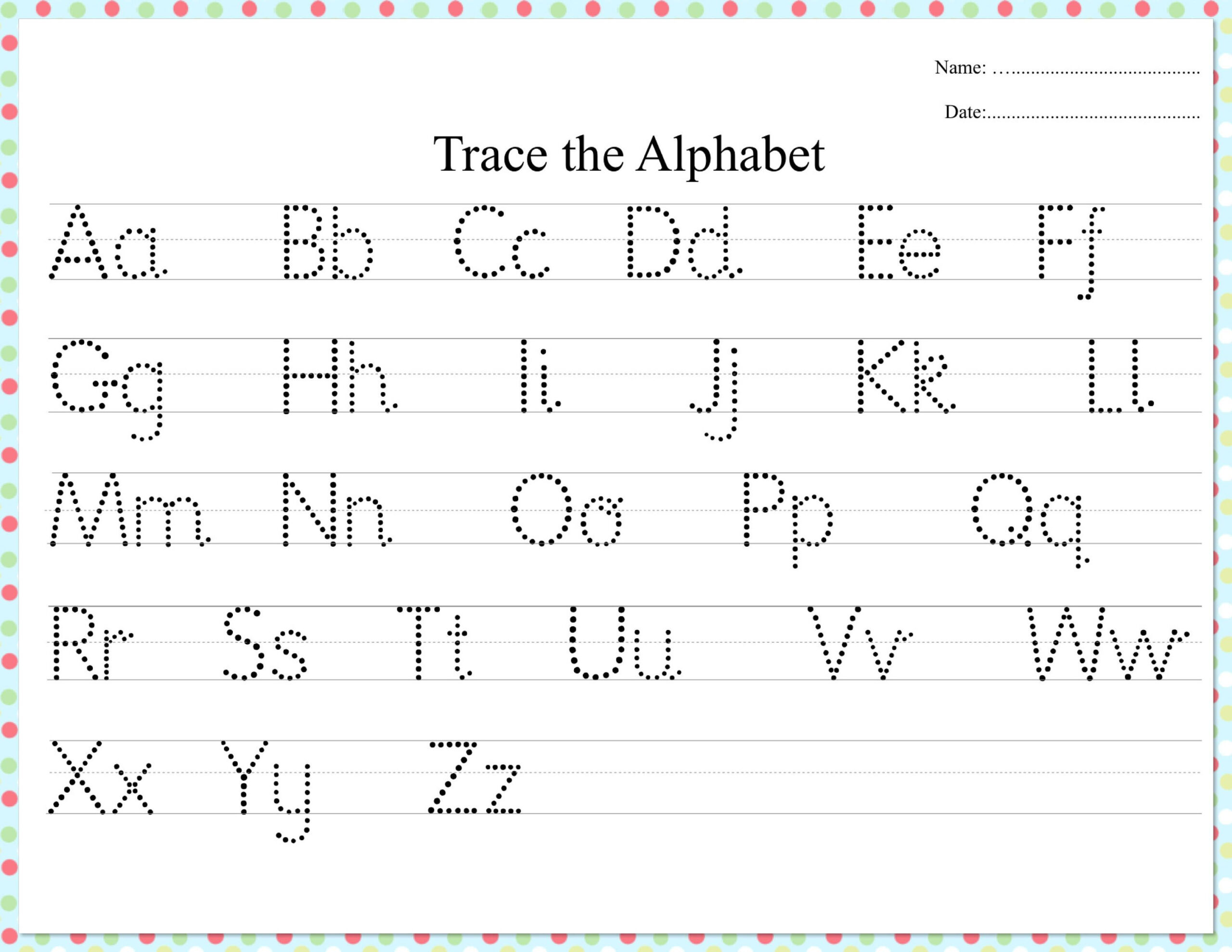
- Dotted Lines: Each letter is outlined with dotted lines, providing a clear guide for children to follow. The dots are spaced appropriately to match the letter’s natural shape, which helps in developing proper writing habits.
- Uppercase and Lowercase Letters: Many worksheets include both uppercase and lowercase letters, allowing for comprehensive practice. This is crucial as students need to recognize and write both forms.
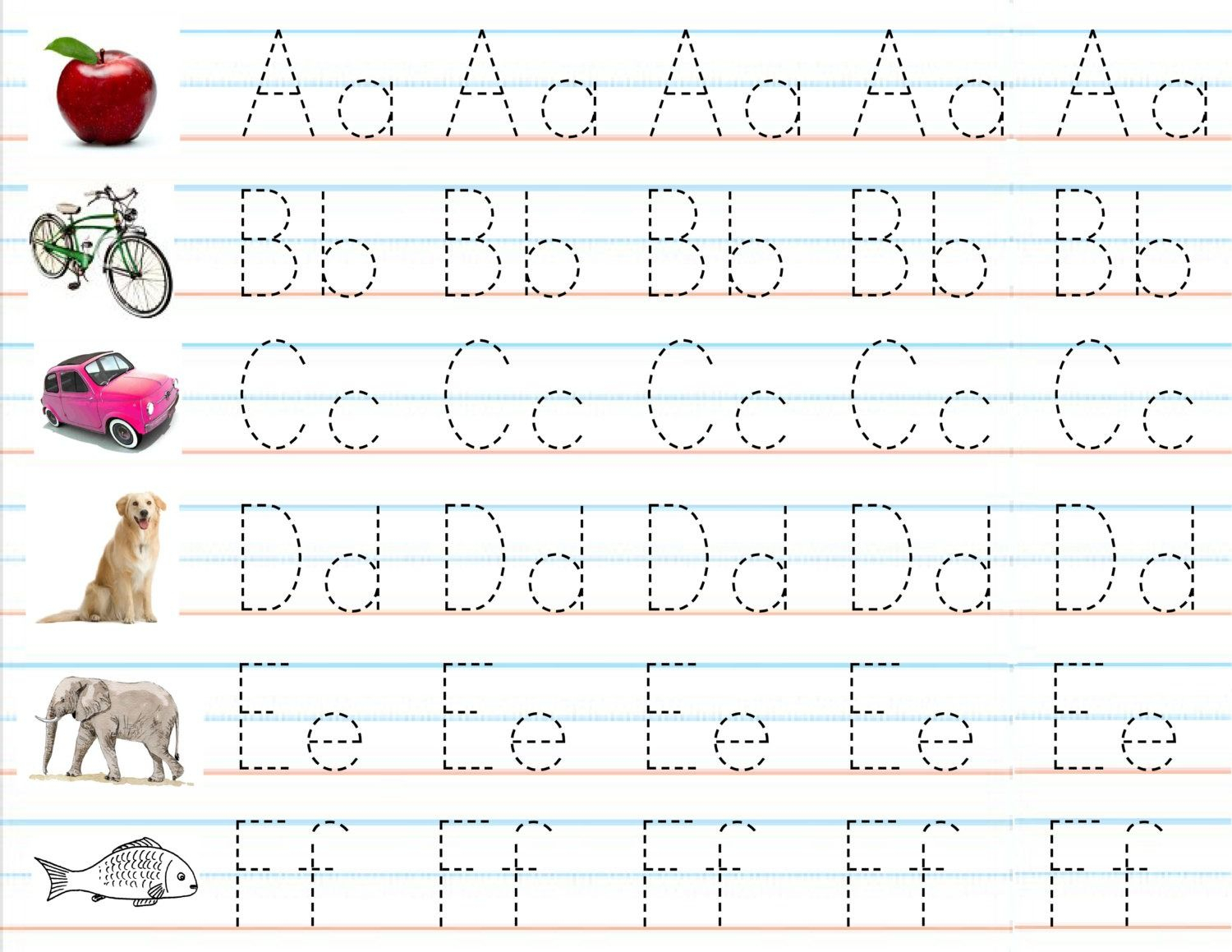
- Visual Cues: Some worksheets may include images or icons that correspond to the letters. For instance, the letter “A” might be accompanied by an apple, reinforcing the connection between the letter and its sound.
- Varied Fonts: Different worksheets might employ various font styles to expose students to different writing systems. This can help them adapt to various contexts as they progress in their literacy skills.
This thoughtful layout not only makes the worksheets visually appealing but also enhances their educational value.
Age Appropriateness and Skill Levels
Dotted Alphabet Letters To Trace worksheets are ideal for children aged 3 to 6 years. At this stage, children are typically developing their fine motor skills and beginning to understand the concept of letters and sounds. However, the worksheets can also be beneficial for older children who may need extra practice or are learning English as a second language.
For younger children, you might want to focus on a single letter per session, allowing ample time for them to practice without feeling rushed. For older or more advanced students, consider incorporating two or three letters in one session to keep them engaged and challenged.
Incorporating Technology With Dotted Alphabet Letters
In today’s digital age, technology can enhance traditional learning methods. Consider using tablets or computers where children can trace letters using stylus pens on applications designed for this purpose. Interactive tracing apps often provide instant feedback, allowing children to see their progress in real-time.
Additionally, you can create a blend of digital and printed resources. For instance, after tracing letters on a tablet, children can practice again with printed worksheets to reinforce their skills. This combination keeps learning dynamic and engaging.
Accessibility and Customization Options
One of the advantages of Dotted Alphabet Letters To Trace is their accessibility. Many resources are available online for free or at a low cost, allowing teachers and parents to download and print them easily.
Moreover, these worksheets can be customized to fit individual learning needs. You might choose to adjust the size of the letters, the spacing of the dots, or even add specific visual elements that cater to a child’s interests. For example, if a child loves dinosaurs, adding a dinosaur image next to the letter “D” can make the activity more relatable and enjoyable.