Difficult Logic Puzzles With Grids
Logic puzzles are a fantastic way to engage students in critical thinking and problem-solving. Among these, Difficult Logic Puzzles With Grids stand out for their complexity and the structured approach they offer. These puzzles not only entertain but also help to develop essential skills like logical reasoning, deduction, and attention to detail. In this article, we’ll explore what these puzzles are, how they can be effectively used in classrooms, and where you can find printable resources to get started.
Understanding Difficult Logic Puzzles With Grids
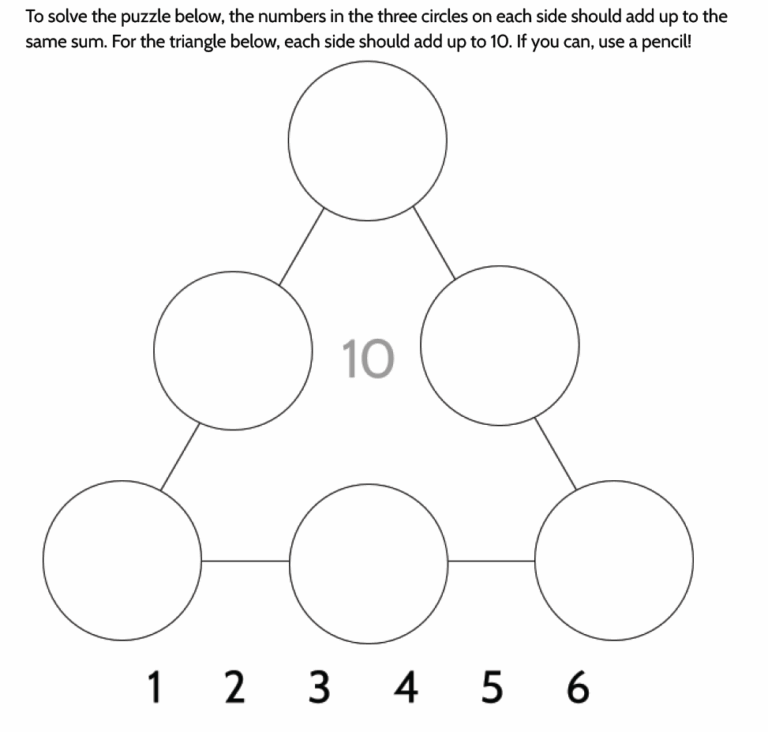
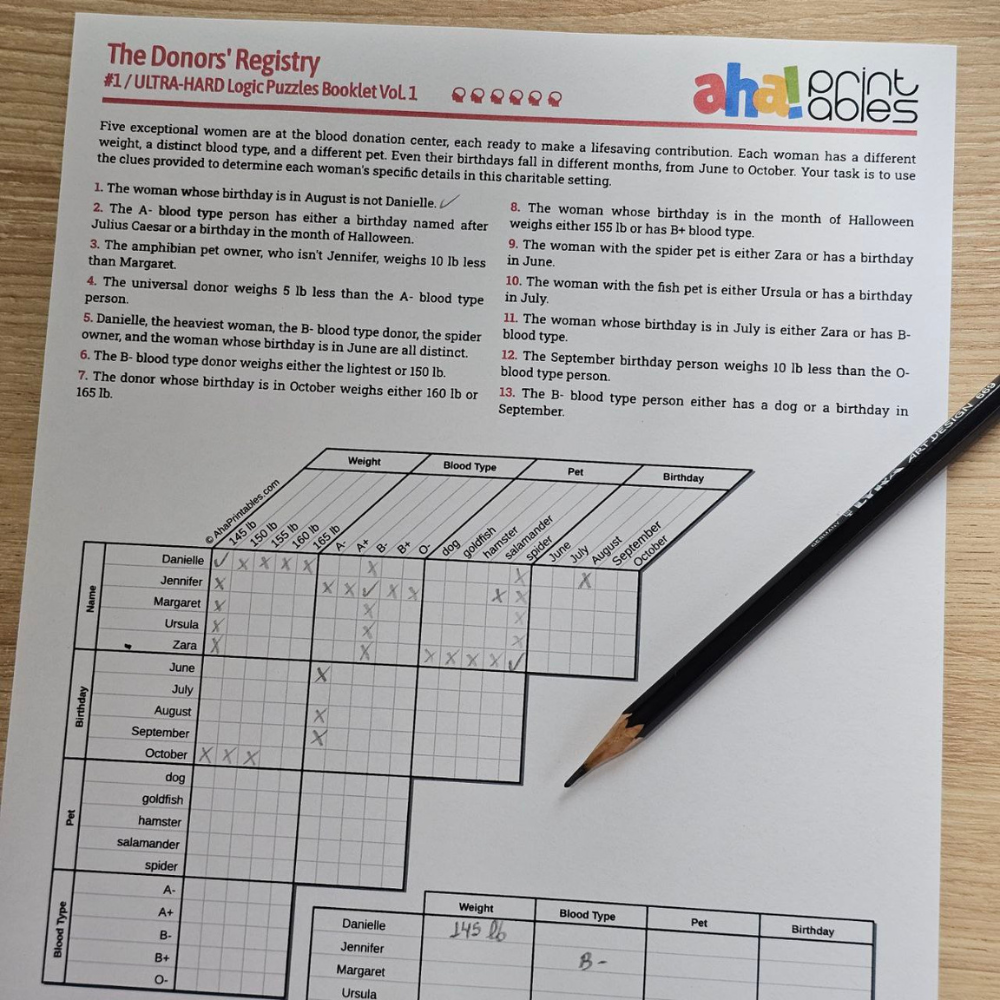
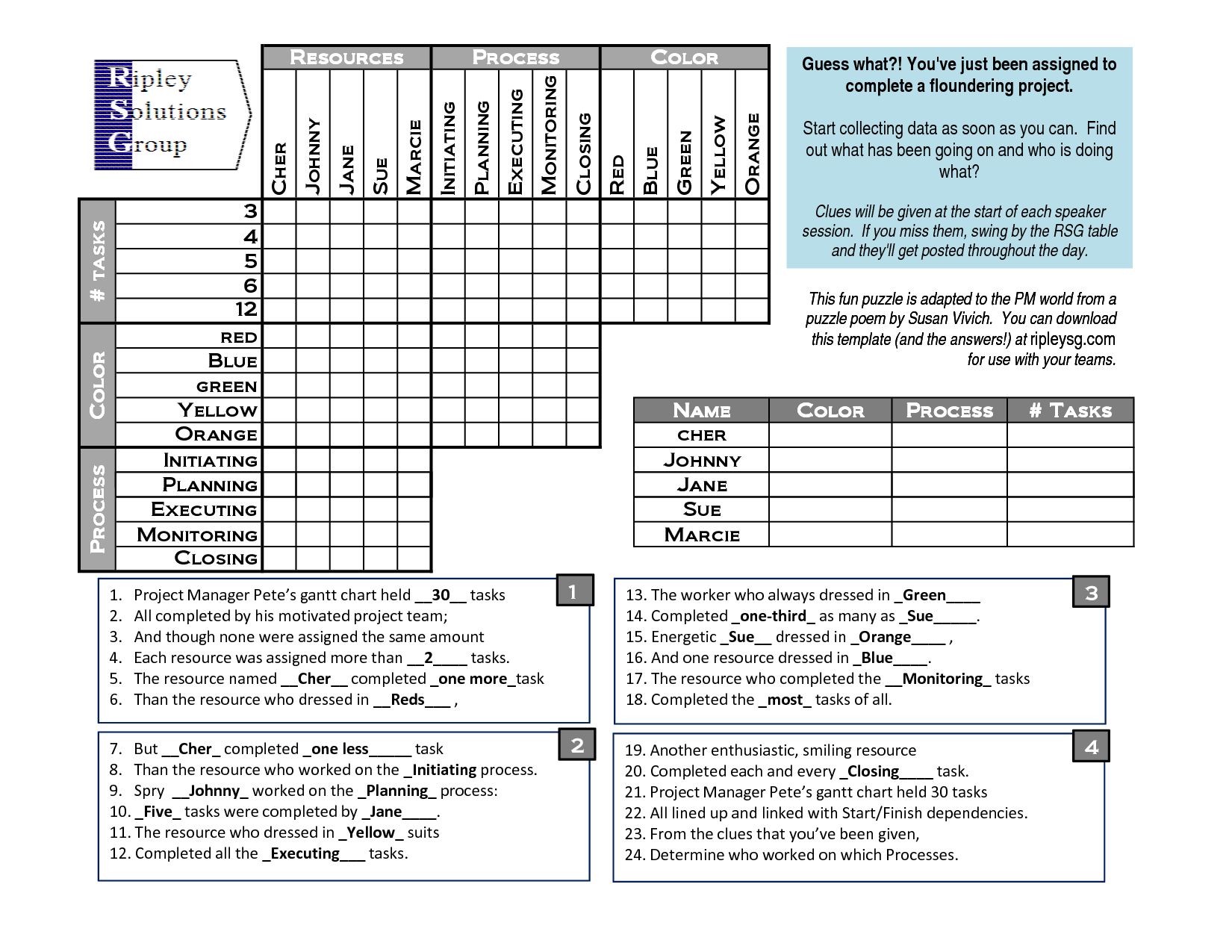
Difficult Logic Puzzles With Grids typically consist of a grid layout where clues are provided to help solve a specific problem or scenario. Each puzzle requires the solver to use logic to fill in the grid correctly, often involving relationships between different elements. These puzzles are designed to challenge students and encourage them to think outside the box.
The grid format is particularly effective because it allows students to visualize the relationships between different variables. For example, a puzzle may involve figuring out who lives in which house based on clues about colors, pets, and locations. The grid helps to organize this information clearly, making it easier to deduce the correct answers.
Benefits of Using Logic Puzzles in the Classroom
Incorporating Difficult Logic Puzzles With Grids into your teaching can yield numerous benefits. Here are a few key advantages:
- Enhances Critical Thinking: These puzzles require students to analyze information, make logical deductions, and draw conclusions based on given clues.
- Promotes Teamwork: Working in pairs or small groups fosters collaboration and communication among students as they share ideas and strategies.
- Engages Different Learning Styles: The visual aspect of grid puzzles appeals to visual learners, while the logical reasoning involved benefits analytical thinkers.
- Flexible Use: These puzzles can be integrated into various subjects, including math, science, and language arts, making them a versatile educational tool.
How to Use Difficult Logic Puzzles With Grids Effectively
To get the most out of these puzzles, consider implementing a few strategies:
1. Introduce Gradually
Start with simpler puzzles to build confidence before moving on to more difficult ones. This gradual introduction helps students feel accomplished and encourages them to tackle more challenging problems.
2. Encourage Group Work
Allow students to work in pairs or small groups. This collaborative environment fosters discussion and allows students to learn from each other. They can share their thought processes and reasoning, which can lead to deeper understanding.
3. Discuss Strategies
After solving a puzzle, hold a class discussion to explore different strategies used by students. This can help reinforce logical reasoning and highlight various problem-solving approaches.
4. Provide Printable Resources
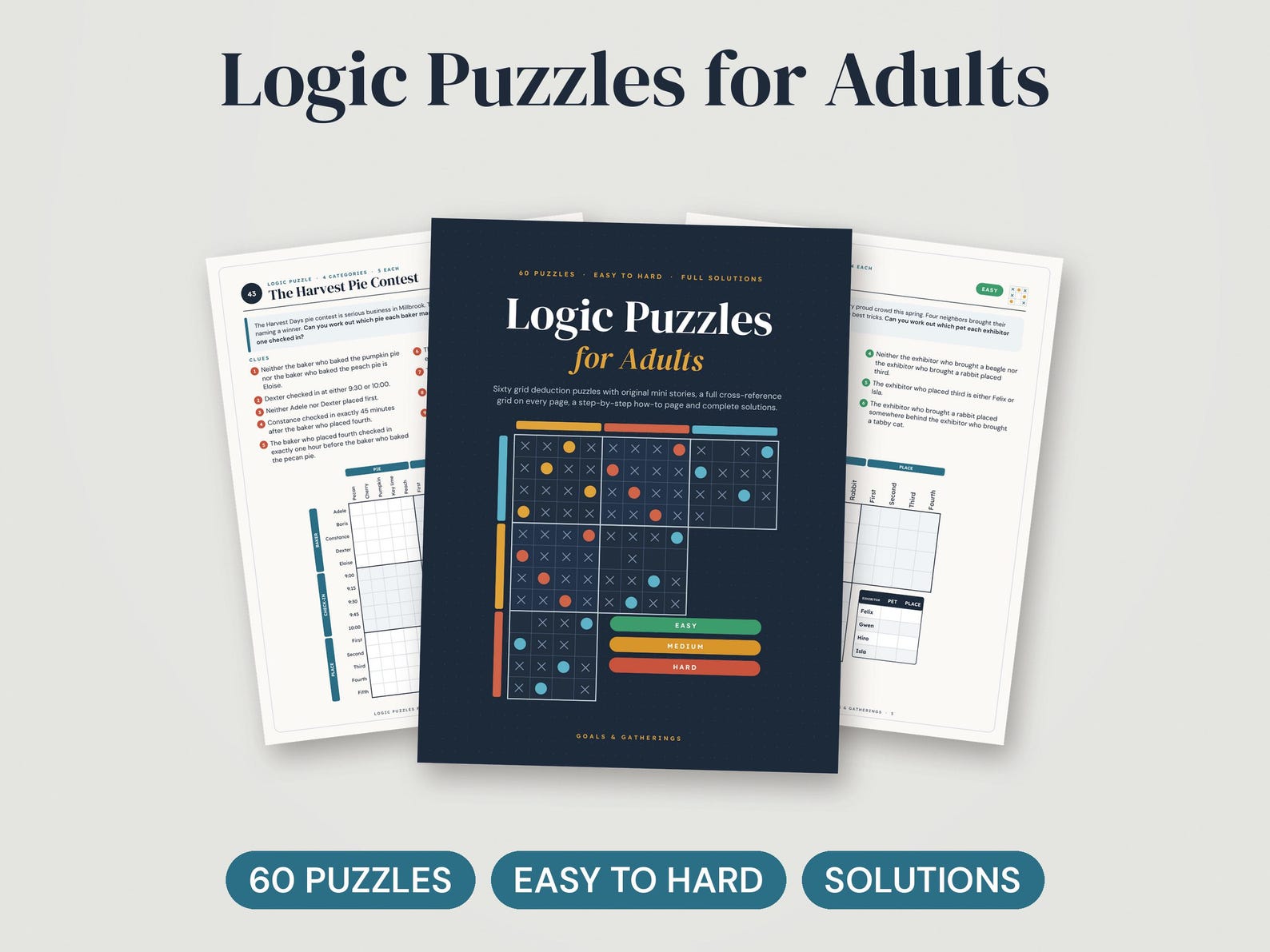
Offering printable versions of Difficult Logic Puzzles With Grids makes it easy for students to practice at home or during free time. Look for resources that include a variety of puzzles, ranging from beginner to advanced levels.
Where to Find Printable Resources
There are several online platforms where you can find printable Difficult Logic Puzzles With Grids. Here are a few reliable sources:
- Educational Websites: Many educational sites offer free downloadable puzzles designed for classroom use. These often come with answer keys for easy grading.
- Printable Resource Platforms: Websites dedicated to providing printable resources often have a section for logic puzzles, including grids. Look for templates that allow you to print in different formats (PDF is typically best).
- Teacher Resource Networks: Joining online teacher communities can provide access to shared resources created by fellow educators. You might find unique puzzles tailored to specific grade levels or subjects.
Tips for Printing and Using Puzzles
When preparing to use these puzzles in your classroom, consider the following:
- Paper Size: Standard letter size (8.5” x 11”) is typically best for printing puzzles. This size fits easily into folders and binders.
- Print Settings: Use the “fit to page” option to ensure that the grid is clear and legible. This prevents any distortion that might make solving the puzzle more difficult.
- Durability: If you plan to use the puzzles multiple times, consider printing them on cardstock for sturdiness. Laminating them can also allow students to use dry-erase markers for repeated practice.
Incorporating Difficult Logic Puzzles With Grids into your teaching toolkit can provide an engaging and educational experience for your students. These puzzles help foster critical thinking and problem-solving skills while also being a fun activity. By utilizing the right resources and strategies, you can effectively integrate these puzzles into your lessons and inspire your students to think critically and creatively.