Dictionary Search For A Word
Finding the right words to teach or explain concepts can sometimes be a challenge. This is especially true in a classroom setting where clarity and understanding are key. A Dictionary Search For A Word can be an essential tool for educators looking to enhance their lesson plans and vocabulary exercises. By using dictionaries effectively, you can help your students grasp new words and their meanings, leading to better comprehension and communication skills.
Understanding Dictionary Searches
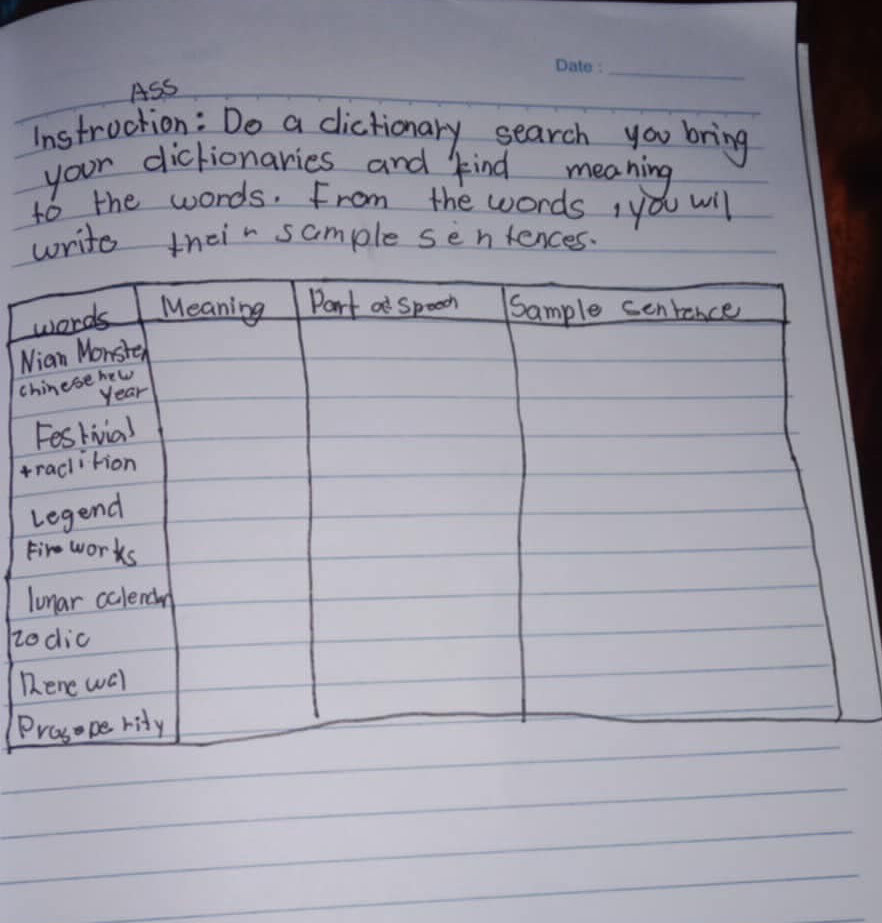
Before diving into the techniques for performing a dictionary search, it’s important to understand what it entails. A dictionary search involves looking up a word in a dictionary to find its definition, pronunciation, and usage. This process not only aids in vocabulary building but also helps students develop research skills.
Encourage your students to familiarize themselves with both physical and online dictionaries. This dual approach enhances their ability to access information quickly and efficiently. For younger students, visually engaging dictionaries with pictures can make the learning process fun and interactive.
Steps for Conducting a Dictionary Search
1. Choose the Right Dictionary
Selecting the appropriate dictionary is vital for effective learning. Here are some types to consider:
- Student Dictionaries: These are tailored for younger audiences, often featuring simpler definitions and illustrations.
- Bilingual Dictionaries: Useful for ESL (English as a Second Language) learners, these dictionaries provide translations and context.
- Online Dictionaries: Websites like Merriam-Webster or Oxford Languages offer quick access to definitions, synonyms, and pronunciation audio.
When you choose a dictionary, ensure it aligns with the grade level of your students. For example, a high school student may benefit from a more comprehensive dictionary than an elementary student.
2. Locate the Word
Once you have your dictionary ready, the next step is to locate the word. Here’s how to do it effectively:
- Alphabetical Order: Dictionaries are organized alphabetically. Teach students to identify the first letter of the word and narrow down the section.
- Guide Words: Most dictionaries have guide words at the top of each page. These can help students quickly find the section where their word is located.
Encourage students to use these features to expedite their search. This skill will not only help them in the classroom but also in their future studies.
3. Read the Definition
After locating the word, the next step is to read the definition. Encourage students to consider the following:
- Multiple Meanings: Some words have multiple definitions. It’s essential to identify which meaning is relevant to the context in which they are learning.
- Example Sentences: Many dictionaries provide example sentences that illustrate how the word is used. This can help students understand its application in different contexts.
Encourage active reading. Ask students to paraphrase the definition in their own words to ensure comprehension.
4. Explore Related Words and Synonyms
A dictionary search can also reveal synonyms and antonyms, which are vital for expanding vocabulary. Encourage students to look for:
- Synonyms: Words with similar meanings can help them express themselves more precisely.
- Antonyms: Understanding opposite meanings can enhance their grasp of the word’s full context.
This exploration can also lead to richer vocabulary discussions in class, where students can share their findings and practice using the new words in sentences.
5. Practice Through Worksheets
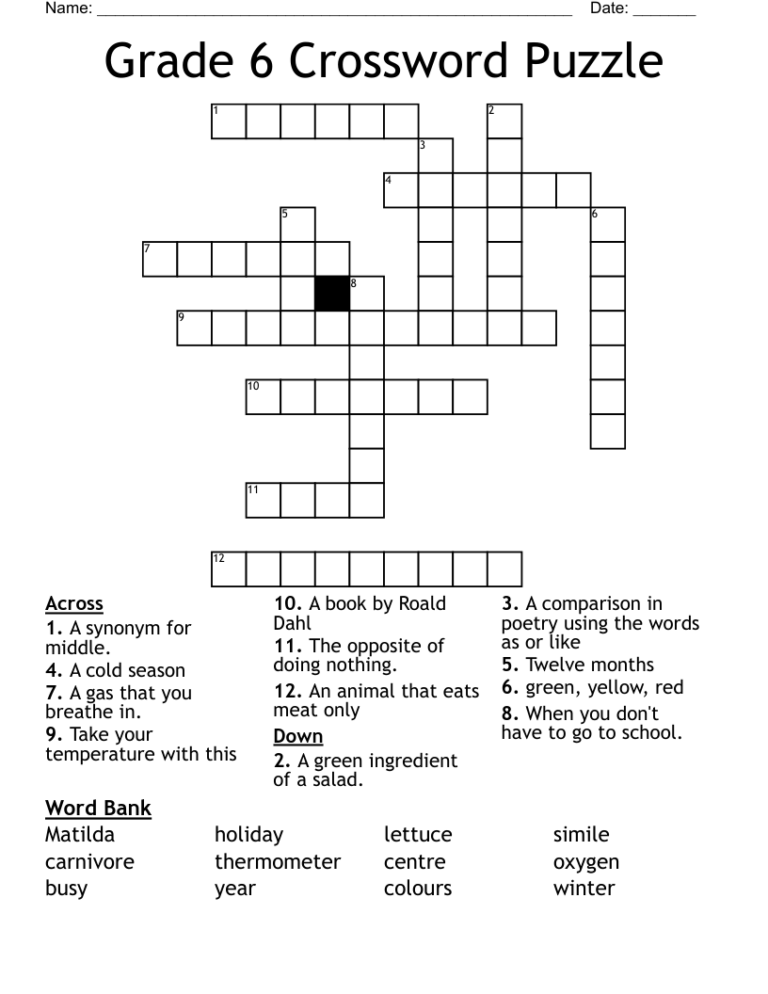
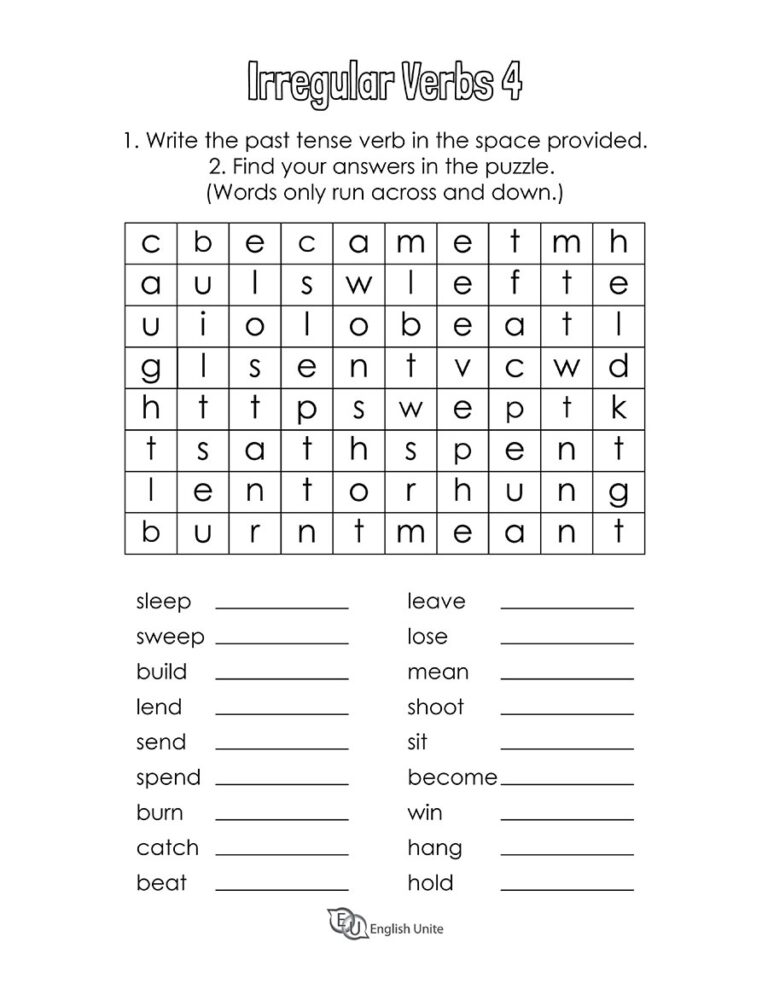
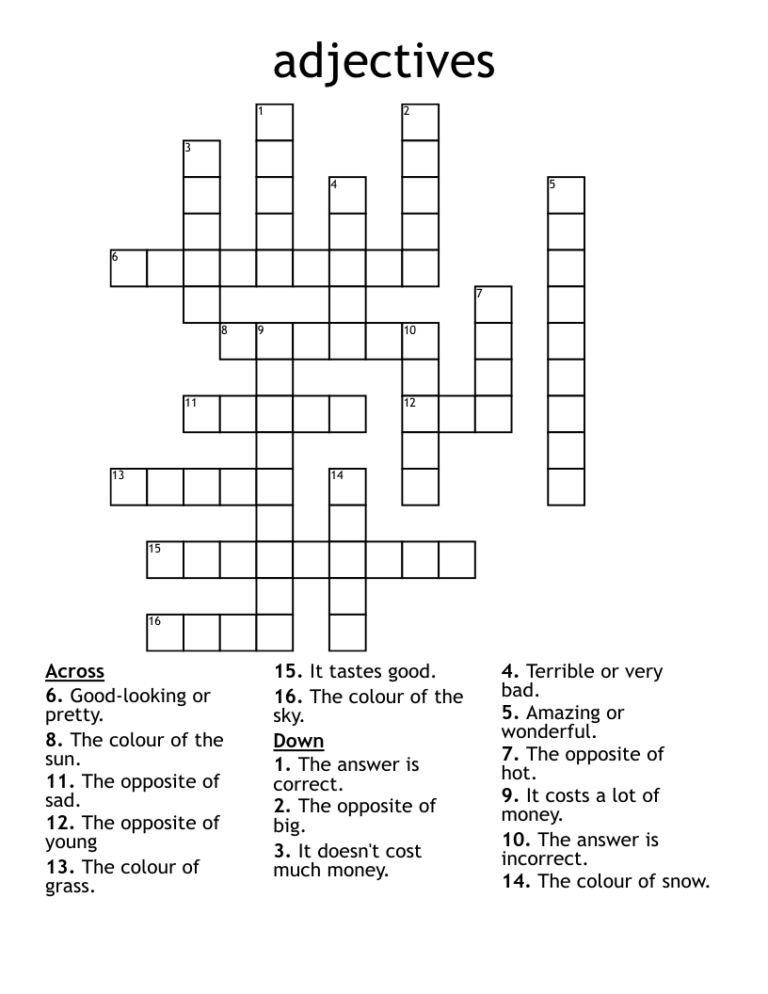
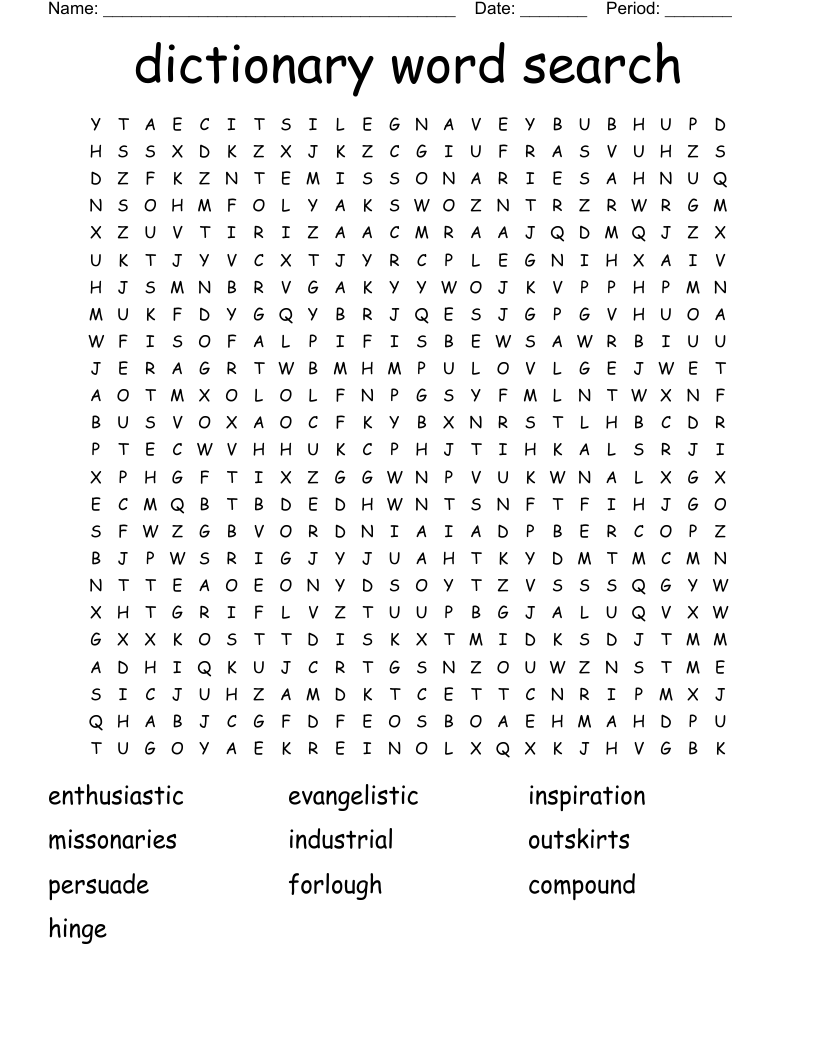
To solidify the skills learned from dictionary searches, consider integrating printable worksheets into your lessons. Worksheets can include activities like:
- Word Maps: Students can create a visual representation of the word, including its definition, synonyms, antonyms, and an example sentence.
- Fill-in-the-Blank Exercises: Using newly learned words in sentences can help reinforce their meanings.
These printable resources can be found on various educational websites. Ensure they are grade-appropriate and align with your teaching objectives.
Tips for Effective Dictionary Use
- Create a Dictionary Corner: Designate a space in your classroom where dictionaries are easily accessible. This encourages students to use them regularly.
- Incorporate Technology: Introduce apps and websites that provide dictionary services. This can cater to tech-savvy students and make learning more engaging.
- Set Dictionary Challenges: Encourage students to find a certain number of words each week. This can foster a love for language and make learning fun.