Days Of The Week Tracing
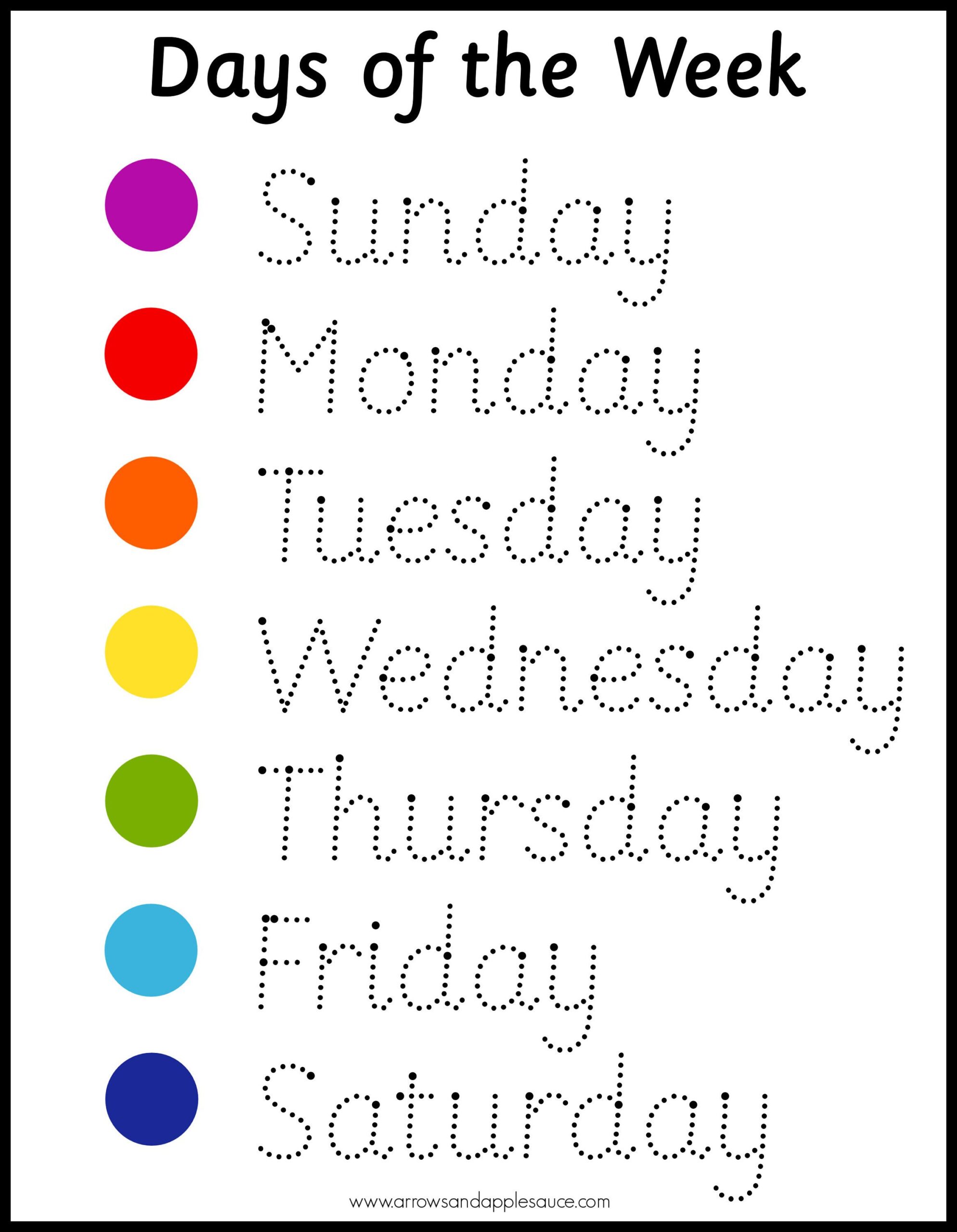
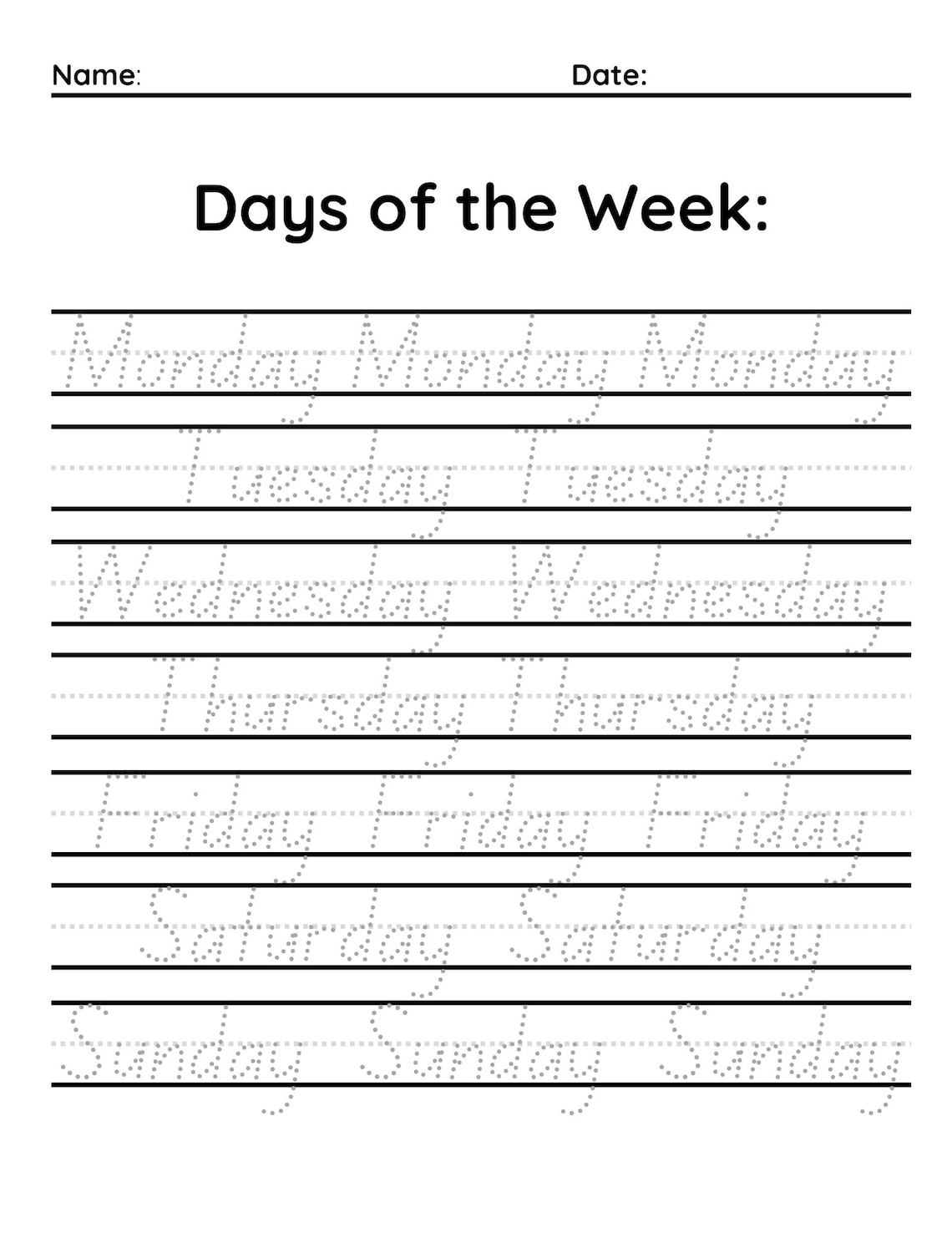
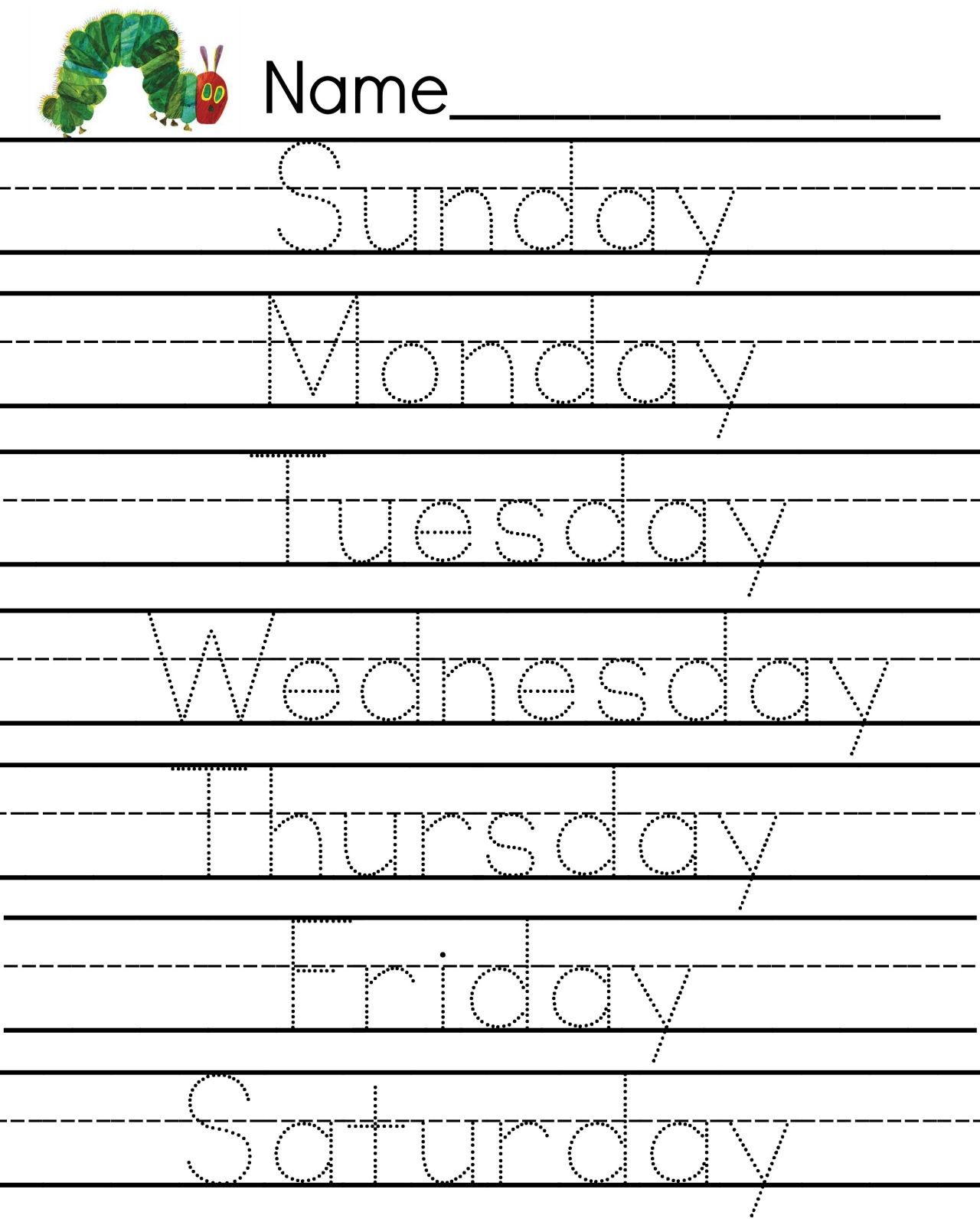
Days Of The Week Tracing worksheets serve as an engaging tool for teachers and parents aiming to reinforce children’s understanding of the week’s structure. This particular resource stands out due to its clear layout and focused design, which help facilitate the tracing of each day’s name, making it ideal for early learners. With a blend of fun and educational content, these worksheets can be seamlessly integrated into classroom activities or homeschooling routines.
Understanding the Importance of Days Of The Week Tracing
Teaching children about the days of the week is foundational in building their time-management skills and understanding of routines. The Days Of The Week Tracing activity focuses on helping children recognize and write the names of the days. It’s typically aimed at preschool and kindergarten students, ages 4-6, who are just beginning to develop their writing skills.
By engaging in tracing activities, children not only learn the spelling of each day but also practice fine motor skills essential for handwriting. This hands-on approach caters to different learning styles, making it an effective method for teaching this crucial concept.
Layout and Design Features of the Tracing Worksheets
The Days Of The Week Tracing worksheets are designed with user-friendliness in mind. Each page typically features:
- Large, clear letters: The names of the days are printed in a bold font, making it easy for young learners to see and trace.
- Dotted lines for tracing: These lines guide children in forming the letters correctly, reinforcing proper letter formation.
- Visual aids: Some worksheets may include images or icons associated with each day, which can help contextualize the learning for children.
These thoughtful design choices make the worksheets not only practical but also visually appealing, encouraging children to engage with the material actively.
How to Use Days Of The Week Tracing Worksheets in Different Settings
In the Classroom
In a classroom setting, these worksheets can be introduced during a “calendar time” activity. Here’s a practical approach:
- Introduce the concept: Start by discussing the days of the week. Use a calendar as a visual reference.
- Demonstrate tracing: Show students how to trace the first day, emphasizing letter formation.
- Independent practice: Distribute the worksheets and allow children to trace each day. Walk around to offer guidance and support.
This method helps reinforce the lesson while allowing for individual practice.
At Home
For parents, these worksheets can be a fun addition to home learning. Here’s how to incorporate them:
- Daily practice: Set aside a few minutes each day for your child to practice tracing a day’s name.
- Relate to daily activities: Connect the day with activities planned for that day (e.g., “Today is Monday, and we will go to the park”).
- Create a routine: Integrate tracing into a regular learning schedule to build consistency.
By connecting the tracing activity to daily life, children can better understand the relevance of what they are learning.
Supplementary Activities to Reinforce Learning
While tracing is a fundamental skill, pairing it with other activities can enhance comprehension and retention. Consider these supplementary ideas:
- Flashcards: Create flashcards with the days of the week for quick recognition practice.
- Songs and Rhymes: Use songs that feature the days of the week to help children remember their order.
- Calendar Crafts: Have students create their own calendars, writing in the days of the week as they go.
These activities can make learning more dynamic and help solidify the knowledge gained through tracing.
Choosing the Right Format for Printing
When preparing to print the Days Of The Week Tracing worksheets, consider the following:
- Paper type: Using cardstock is recommended if you plan to laminate the sheets for repeated use. It holds up better than standard printer paper.
- Print settings: A portrait layout is often more suitable for worksheets, allowing for easier handling by small hands.
- PDF format: Opt for PDF downloads whenever possible to avoid formatting issues that can arise with image files.
These printing tips will ensure that your worksheets are durable and functional, ready for classroom or home use.