Daily Word Search Word Games
Daily Word Search Word Games are an excellent way to engage students while enhancing their vocabulary and problem-solving skills. These games not only provide a fun activity but also help reinforce language learning in an enjoyable and interactive manner. If you are looking for a classroom activity or a quiet time filler, daily word searches can fit seamlessly into your teaching plan. Here’s how you can effectively incorporate these games into your lessons.
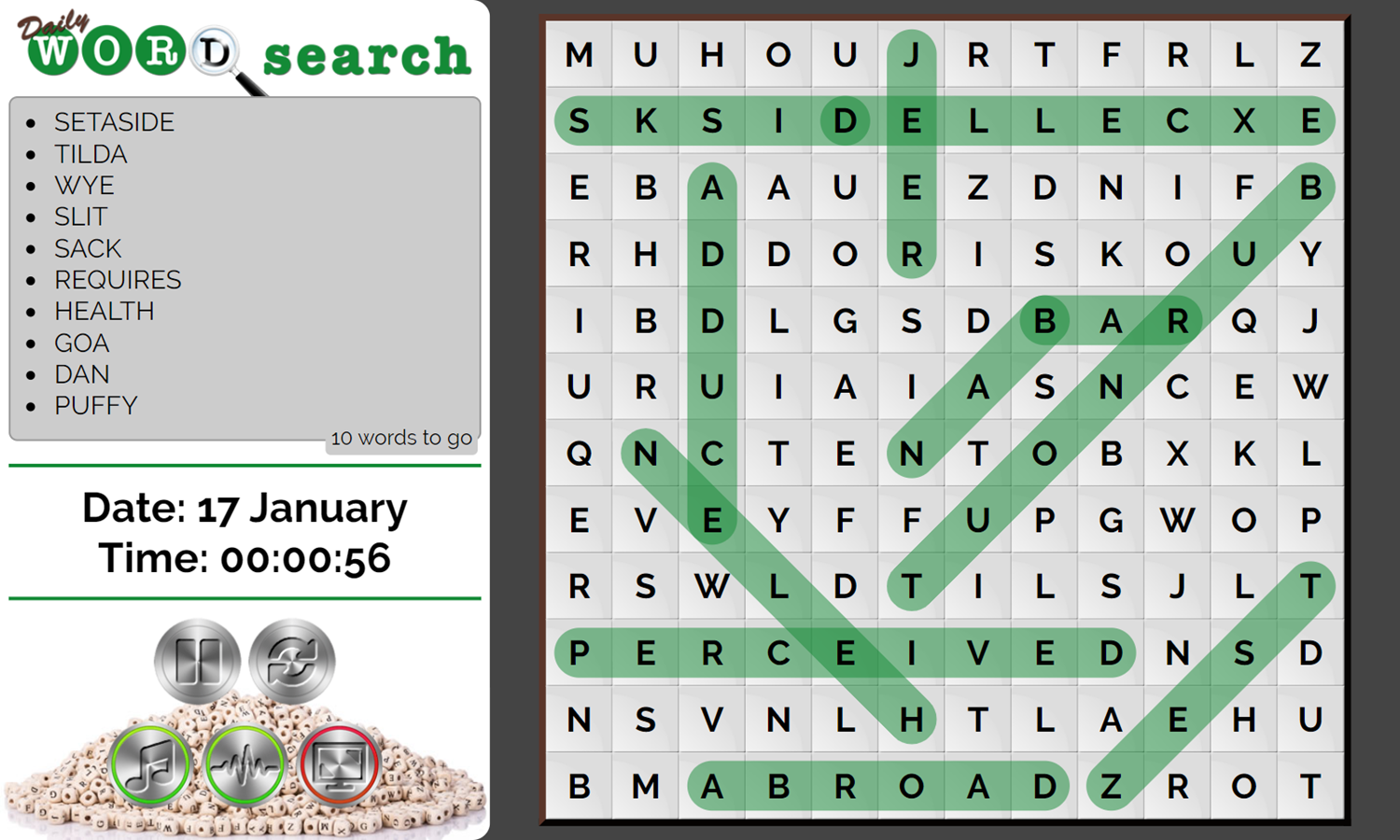
Understanding the Benefits of Word Search Games
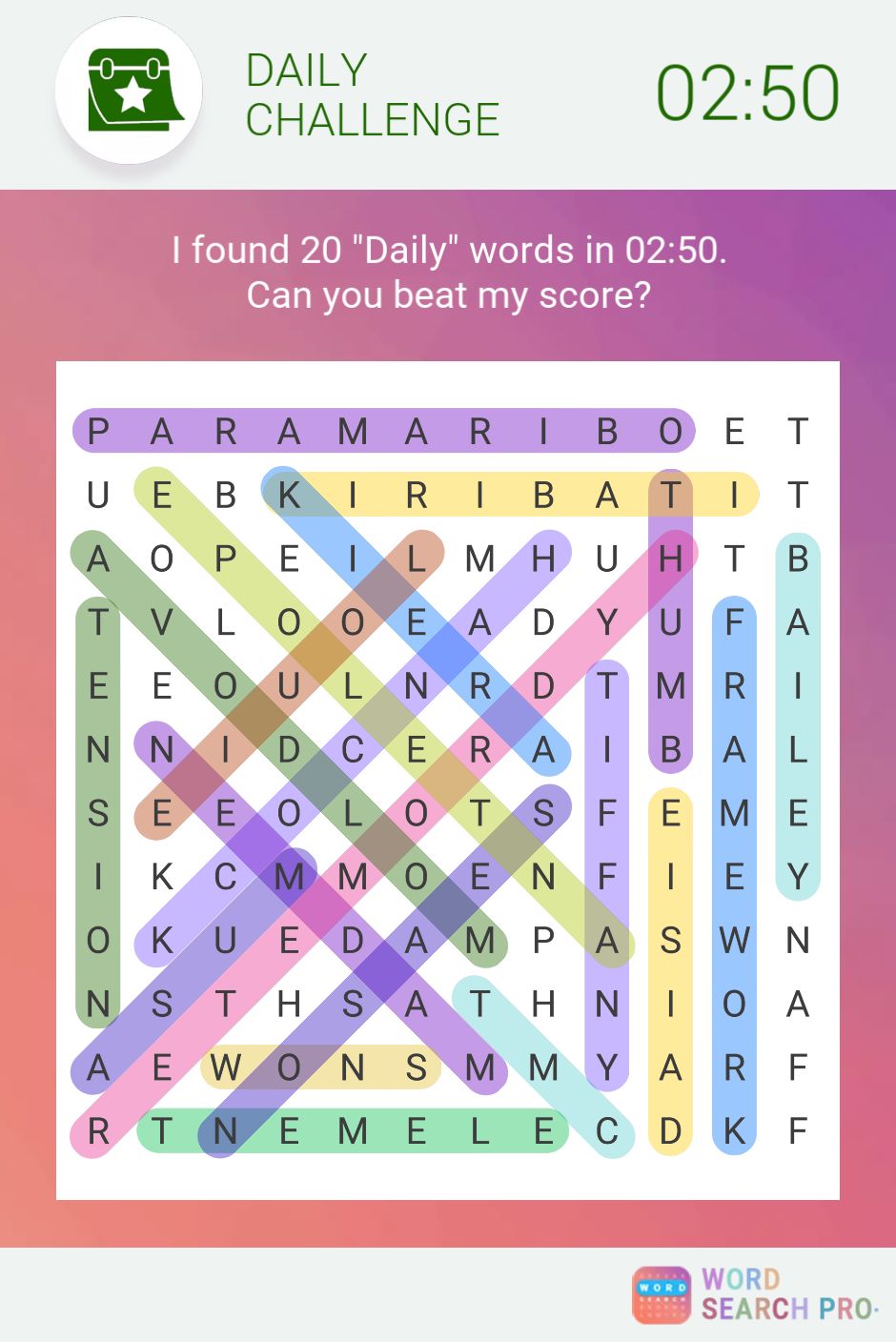
Daily Word Search Word Games offer numerous educational benefits. They can:
- Enhance vocabulary: Students encounter new words and their spellings.
- Improve focus: Searching for words requires concentration, which can help improve attention spans.
- Encourage critical thinking: Students must use logic and reasoning to find words within the puzzle.
These benefits make word searches a valuable addition to your teaching toolkit. They can be used across various subjects, including language arts, science, and social studies, making them versatile for different curriculum needs.
How to Choose the Right Word Search
When selecting a daily word search, consider the following factors:
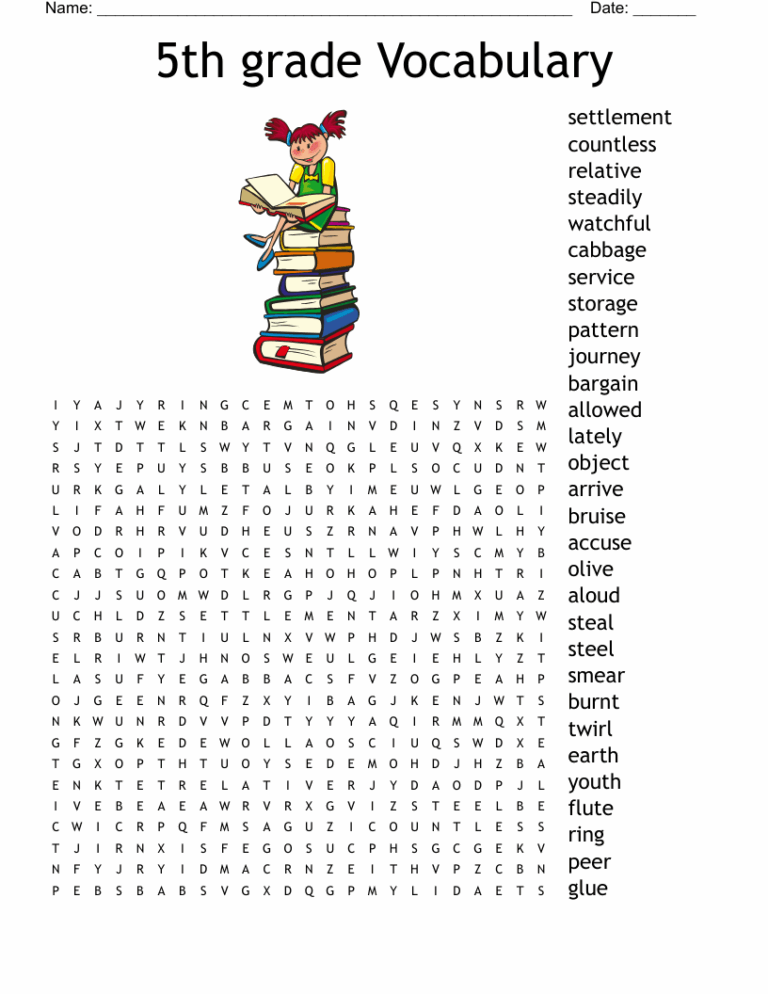
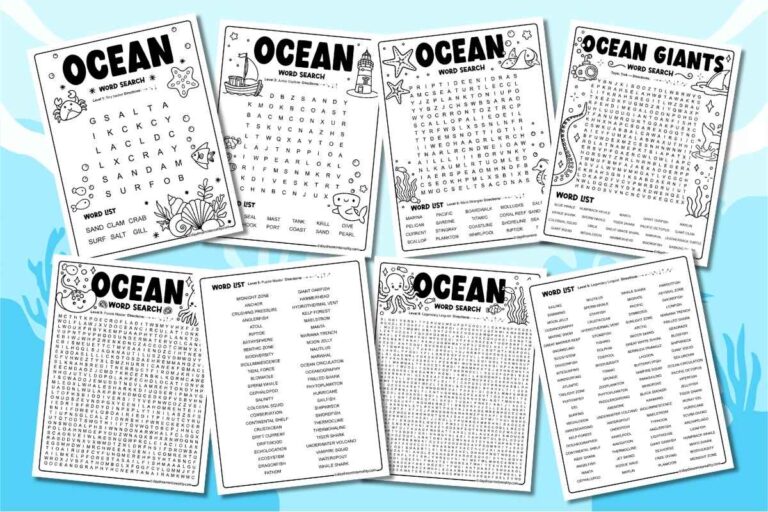
- Grade Level: Choose puzzles that match your students’ reading and comprehension levels. Younger students may benefit from simpler puzzles with fewer words, while older students can handle more complex grids.
- Theme: Opt for themed word searches that align with your current curriculum. For example, if you’re studying animals, select a word search that includes relevant vocabulary.
- Difficulty: Consider the difficulty level of the puzzle. This can range from easy (fewer letters and words) to challenging (more letters and obscure words). Tailor the difficulty to your students’ abilities to maintain engagement without causing frustration.
- Format: Daily word searches can be found in various formats, including printable PDFs, online games, or even interactive applications. Decide which format best suits your classroom environment and resources.
Downloading and Printing Your Word Search
Once you’ve chosen the right Daily Word Search Word Games, the next step is to download and print them for your students. Here’s how:
- Locate a Resource: Find a reliable website that offers free or paid word search templates. Many educational sites provide a variety of themes and difficulty levels.
- Select the Desired Puzzle: After finding a suitable resource, choose the puzzle that meets your criteria. Check for any accompanying answer keys if needed.
- Download the File: Most resources will allow you to download the word search as a PDF. This format is easy to print and maintains the puzzle’s layout.
- Print Settings: Use standard A4 or letter-sized paper for printing. Set your printer to print in portrait orientation for optimal results. If you plan to laminate the sheets for repeated use, consider using cardstock for durability.
- Quantity: Print enough copies for your class, allowing for some extras in case of mistakes or spills.
Setting Up the Activity
Now that you have your word search printed, it’s time to set up the activity in your classroom. Here’s a step-by-step approach:
- Introduction: Start by explaining the purpose of the word search. Discuss the theme and any new vocabulary words that may appear in the puzzle.
- Instructions: Clearly outline how to complete the word search. Explain that words can be found horizontally, vertically, or diagonally, and can be forwards or backwards.
- Time Limit: Set a time limit for completing the puzzle to add a sense of urgency and excitement. Ten to fifteen minutes is usually sufficient.
- Group or Solo: Decide whether the students will work individually or in pairs. Pairing students can encourage collaboration and discussion about the words they find.
- Review: After the activity, review the words together as a class. Discuss any unfamiliar terms, providing definitions and context to reinforce learning.
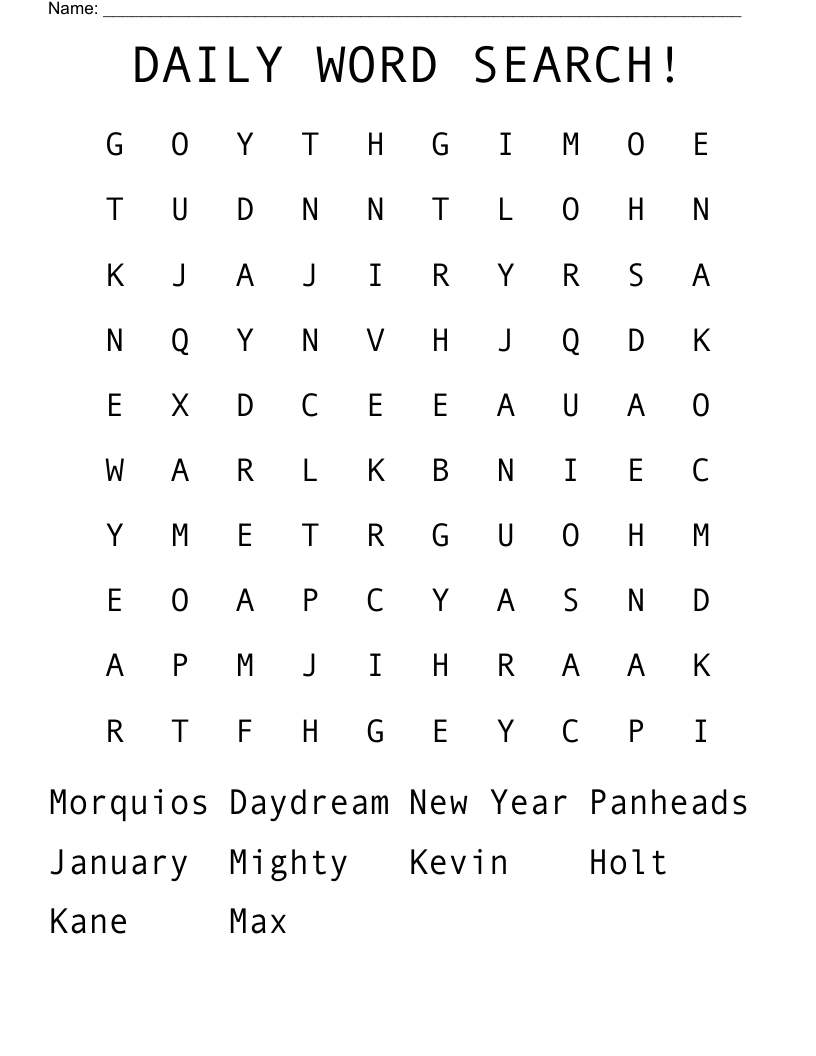
Tips for Maximizing Replayability
To ensure your Daily Word Search Word Games remain engaging, consider these tips for maximizing their replayability:
- Rotate Themes: Regularly update the themes of your word searches to align with your curriculum. Seasonal themes or topics related to current events can keep the activity fresh.
- Increase Difficulty: As students become more proficient, gradually increase the difficulty of the puzzles. Introduce larger grids or more complex vocabulary to challenge them further.
- Incorporate Technology: Use online platforms where students can complete word searches interactively. This can appeal to tech-savvy learners and provide instant feedback on their performance.
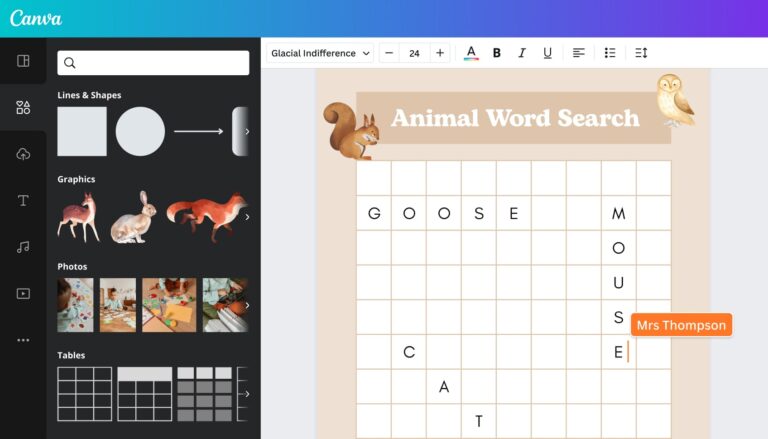
- Create Custom Puzzles: Encourage creativity by having students create their own word searches based on a lesson. This reinforces their understanding of the material while providing a new puzzle for classmates to solve.
- Combine with Other Activities: Use word searches as a warm-up or cool-down activity during lessons. They can also serve as a reward for good behavior or completion of a challenging task.