Cut And Paste Activity Preschool
Engaging preschoolers in hands-on activities is essential for their development. One of the most effective ways to foster creativity and enhance fine motor skills is through cut and paste activities. These activities help children practice coordination, improve focus, and gain a sense of accomplishment. The Cut And Paste Activity Preschool resources available online are a perfect fit for teachers looking to provide interactive learning experiences.
Understanding Cut And Paste Activities
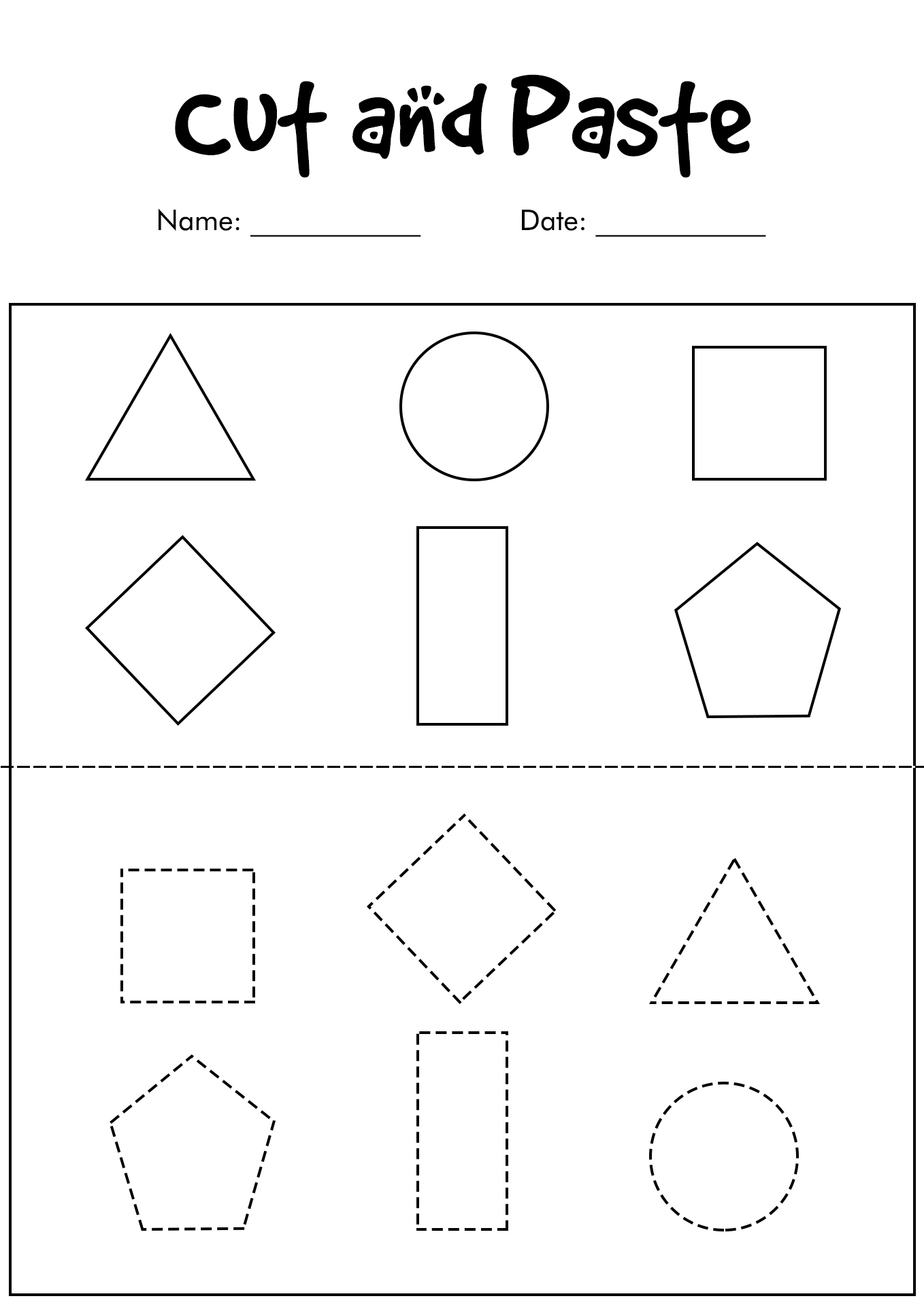
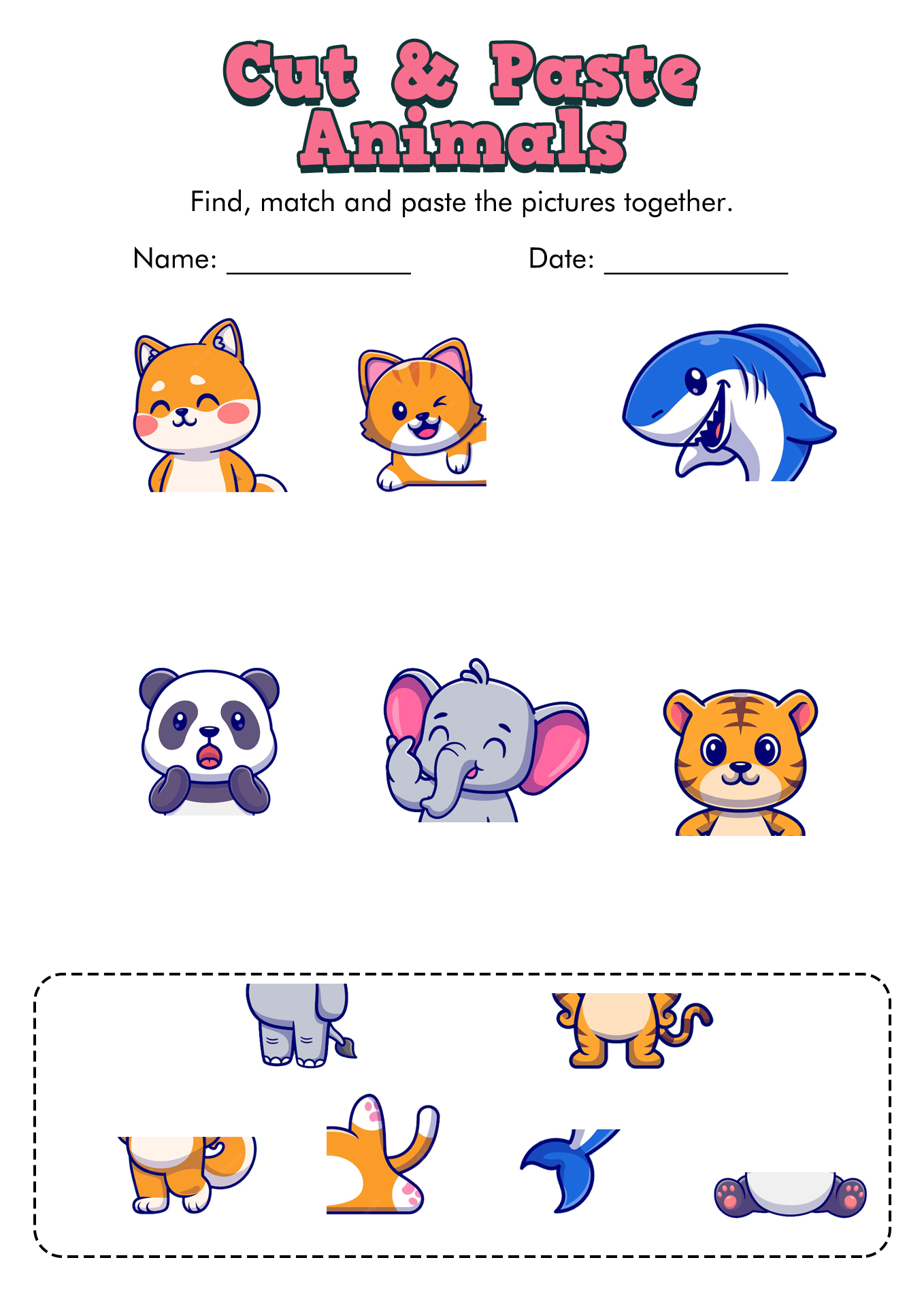
Cut and paste activities typically involve children cutting out shapes, pictures, or letters from printed templates and pasting them onto a different surface, such as a worksheet or a craft project. These tasks are not only fun but also promote essential skills like hand-eye coordination and spatial awareness.
Why Choose Cut And Paste Activities for Preschoolers?
Preschoolers thrive on activities that allow them to explore their creativity. Cut and paste activities are beneficial because they:
- Encourage Creativity: Children can create their own art and designs, fostering imagination.
- Develop Fine Motor Skills: The act of cutting and pasting strengthens hand muscles and improves dexterity.
- Enhance Focus and Concentration: These tasks require attention to detail, helping kids practice focus.
- Support Cognitive Development: Sorting, matching, and organizing cut pieces develop problem-solving skills.
Selecting the Right Resources
When choosing cut and paste activities, consider the age group and skill level of your students. Look for resources that are age-appropriate, visually appealing, and aligned with your curriculum goals. Printable templates are widely available online, often in PDF format, making them easy to download and print.
Types of Cut And Paste Resources
- Thematic Templates: These include seasonal themes, holidays, or educational topics like animals or transportation.
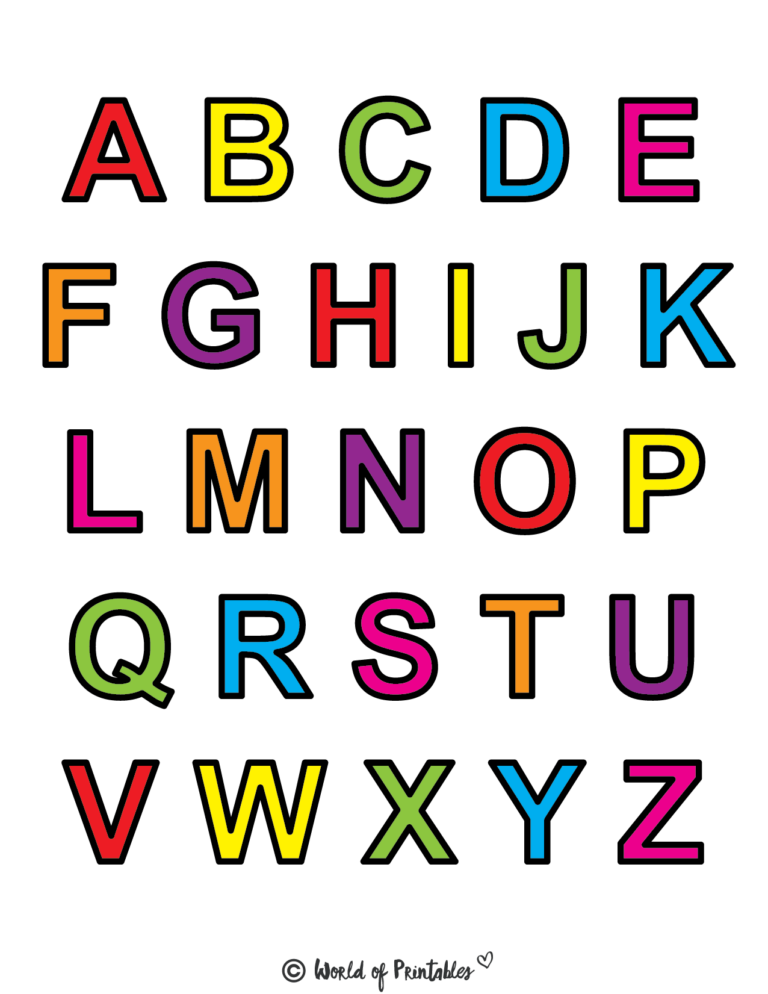
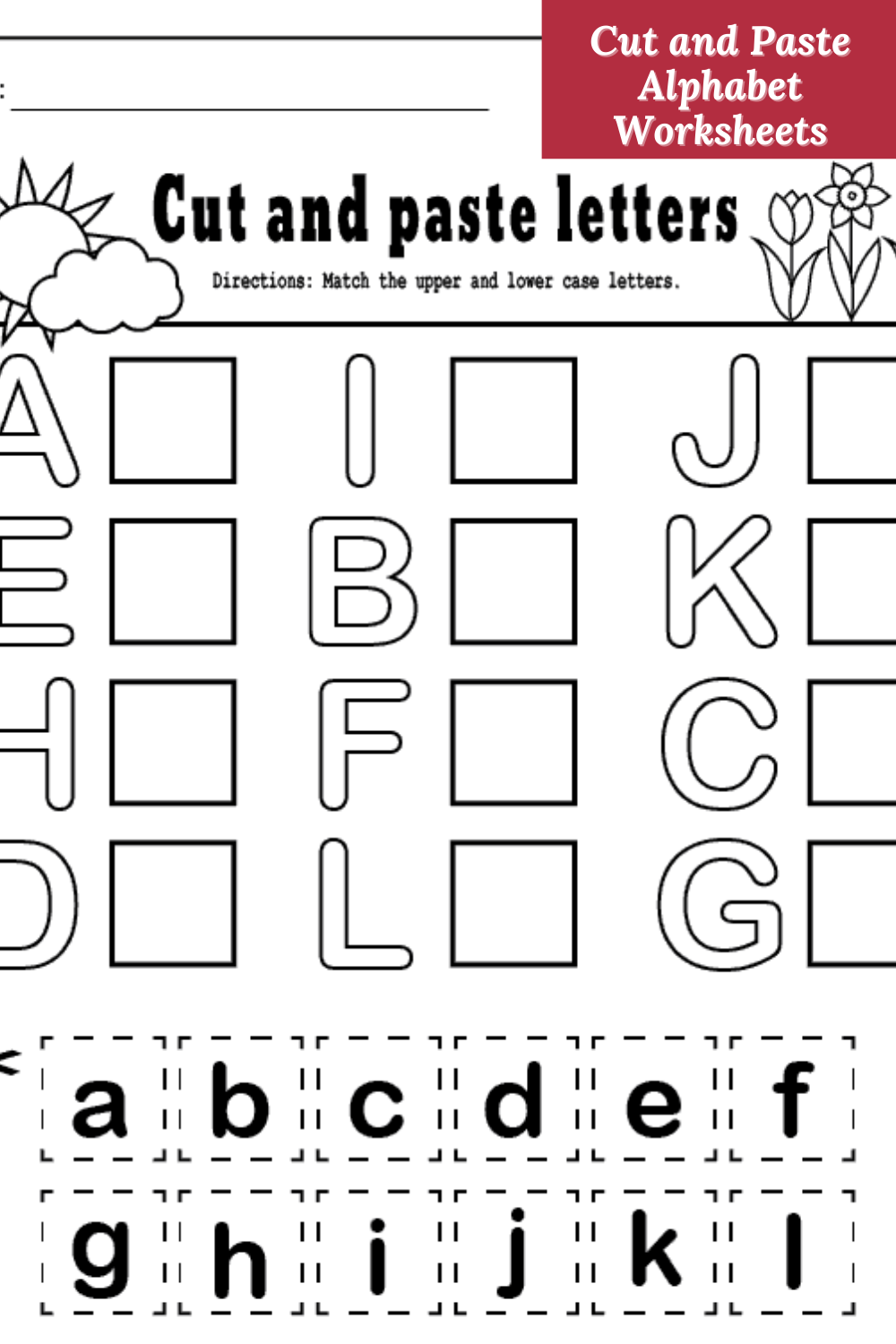
- Alphabet and Number Activities: Templates that allow children to cut out letters or numbers help reinforce literacy and numeracy skills.
- Craft Projects: More complex cut and paste projects may involve creating 3D models or collages.
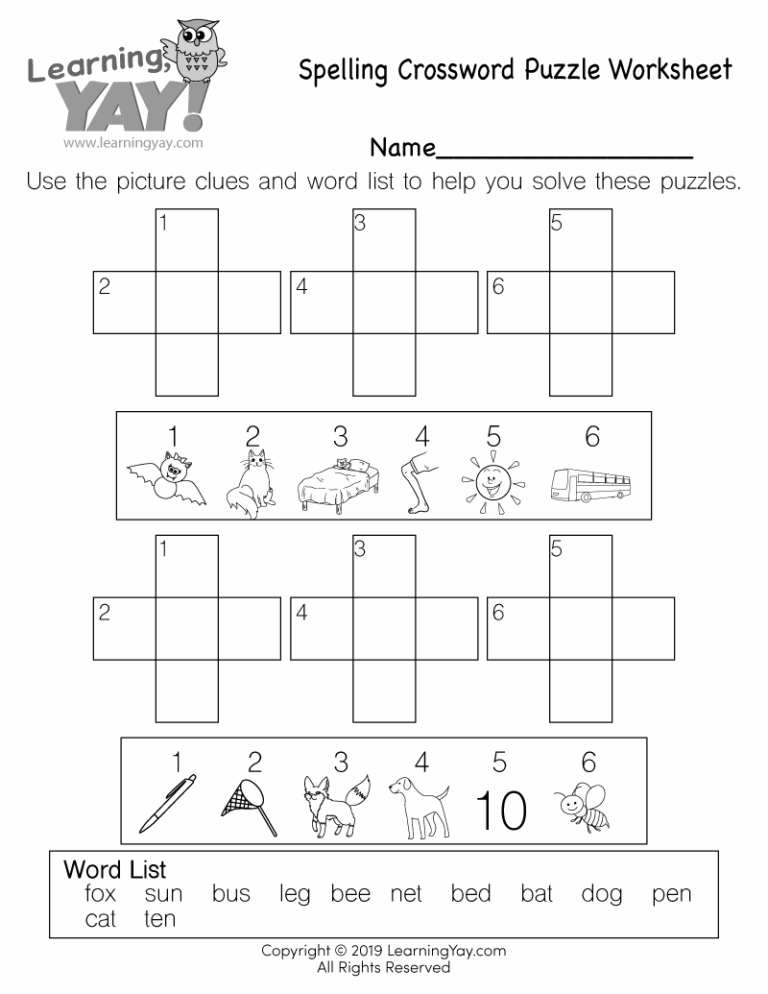
- Worksheets: Simple worksheets that require children to cut and paste to complete patterns or sequences are great for guided learning.
Downloading and Printing Your Templates
Once you’ve selected the cut and paste activity templates that best suit your classroom needs, it’s time to download and print them. Here’s a straightforward process to follow:
- Find a Reliable Source: Look for websites that specialize in educational resources for preschool teachers. Ensure that the site offers quality materials that are free or reasonably priced.
- Download the Templates: Most resources will be in PDF format. This format is preferable because it preserves the layout and ensures that the images will print correctly without resizing.
- Choose Your Paper: For most activities, standard letter-sized paper (8.5 x 11 inches) works well. If you want the cut-outs to be more durable, consider using cardstock. If you plan to laminate the finished product, cardstock holds up better.
- Adjust Print Settings: Before printing, check your printer settings. Make sure to select “Actual Size” to avoid any scaling issues. If using a color printer, ensure it has enough ink for vibrant results.
- Print: Once your settings are adjusted, print the templates.
Setting Up for the Activity
Now that you have your printed templates, it’s time to prepare for the activity. Here’s how to create an inviting and organized workspace:
- Gather Supplies: You will need scissors, glue sticks, and any additional decorative materials like markers, crayons, or stickers.
- Create a Workspace: Set up tables with enough space for each child to work comfortably. Consider providing cutting mats to protect surfaces.
- Demonstrate the Process: Before the children begin, demonstrate how to safely use scissors and how to apply glue. This step is crucial for classroom safety and helps children understand the task.
- Encourage Exploration: Once they start, encourage children to explore different ways to arrange their cut-outs. This not only enhances creativity but also allows for personal expression.
Managing the Activity
As the children work on their cut and paste activities, here are some strategies to keep them engaged:
- Circulate the Room: Walk around to observe and assist where needed. Offer praise for effort and creativity, which boosts confidence.
- Integrate Learning: Use this opportunity to introduce new vocabulary related to the activity, or discuss the themes represented in their cut-outs.
- Incorporate Group Work: If appropriate, allow children to work in pairs or small groups. This fosters teamwork and social skills.
Displaying Finished Work
Once the cut and paste activities are complete, showcasing the children’s work can enhance their sense of pride and accomplishment. Here are some ideas:
- Create a Classroom Gallery: Designate a wall or bulletin board for displaying the completed projects. Rotate the artwork regularly to keep the display fresh.
- Share with Parents: Consider taking photos of the children with their work to share with parents through newsletters or classroom updates.
- Incorporate into Lessons: Use the completed projects as part of thematic lessons, connecting art with other subjects.
By utilizing the Cut And Paste Activity Preschool resources effectively, you can create a dynamic learning environment that not only engages preschoolers but also supports their developmental milestones. One of the most rewarding aspects of these activities is watching children express themselves creatively while honing their fine motor skills and cognitive abilities. Remember, the key is to keep it fun and interactive, allowing each child to explore their unique artistic voice.