Tracing Exercises For 3 Year Olds
Developing fine motor skills in young children is crucial for their overall development. Tracing exercises for 3 year olds are a fun and effective way to help little ones improve their handwriting skills, hand-eye coordination, and confidence in writing. By incorporating these exercises into daily routines, whether at home or in the classroom, you can provide children with the practice they need to master essential skills while enjoying the process.
Why Tracing is Important for Young Learners
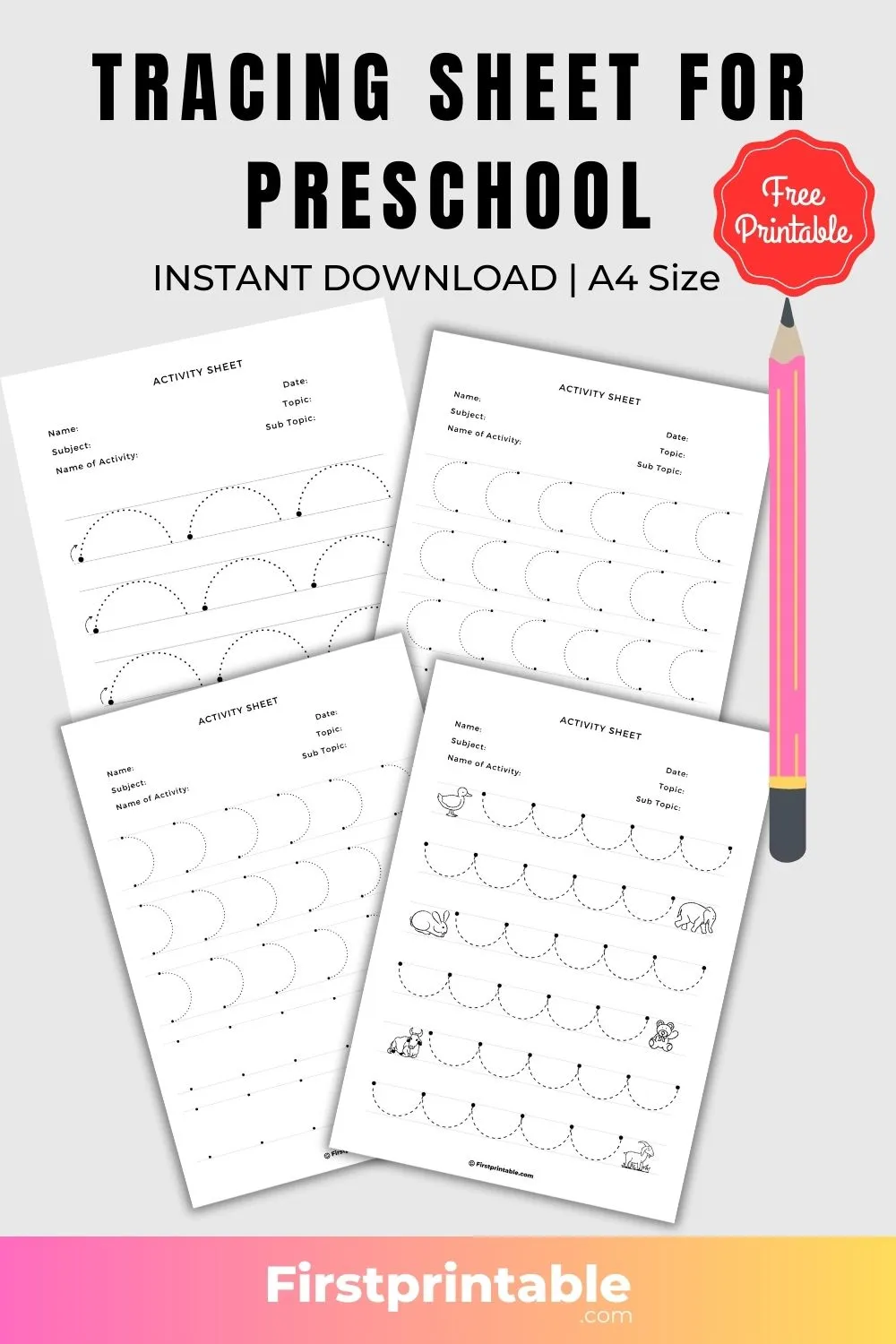
Tracing is more than just a fun activity; it lays the foundation for writing by helping children develop the muscle control and coordination they need. At age three, children are typically ready to start engaging in activities that promote fine motor skills. Tracing helps them learn the shapes of letters and numbers, which is crucial for their future literacy.
During this stage, children are also developing their cognitive skills. By tracing different shapes and letters, they learn to recognize and differentiate between them. This practice will not only aid them in writing but also in reading as they become more familiar with the letters and their forms.
Setting Up Tracing Activities at Home or in the Classroom
Creating an engaging environment for tracing exercises is key. Here are some practical tips to set up your tracing activities effectively:
- Choose the Right Materials: You’ll want to provide children with easy-to-hold writing instruments, like chunky crayons or markers. These tools will help them grip better and feel more comfortable while tracing.
- Select Appropriate Surfaces: Use plain paper, tracing paper, or worksheets that feature bold outlines. If you’re using printable resources, ensure they are designed for easy printing on standard letter-sized paper (8.5 x 11 inches) for convenience.
- Provide Clear Instructions: Before starting the tracing activity, demonstrate how to trace the lines. You might say, “Let’s follow the dotted line from start to finish.” This will help the children understand the task and feel more confident in their abilities.
- Incorporate Various Shapes and Letters: Mixing different shapes, letters, and even numbers will keep the activities fresh and engaging. You can also introduce seasonal themes or colors to make the activities more exciting.
- Create a Routine: Make tracing a daily activity. Short sessions of 10-15 minutes can be ideal for maintaining focus without overwhelming the child.
Types of Tracing Exercises for 3 Year Olds
Here are some engaging tracing exercises you can use with your little learners:
Basic Shapes
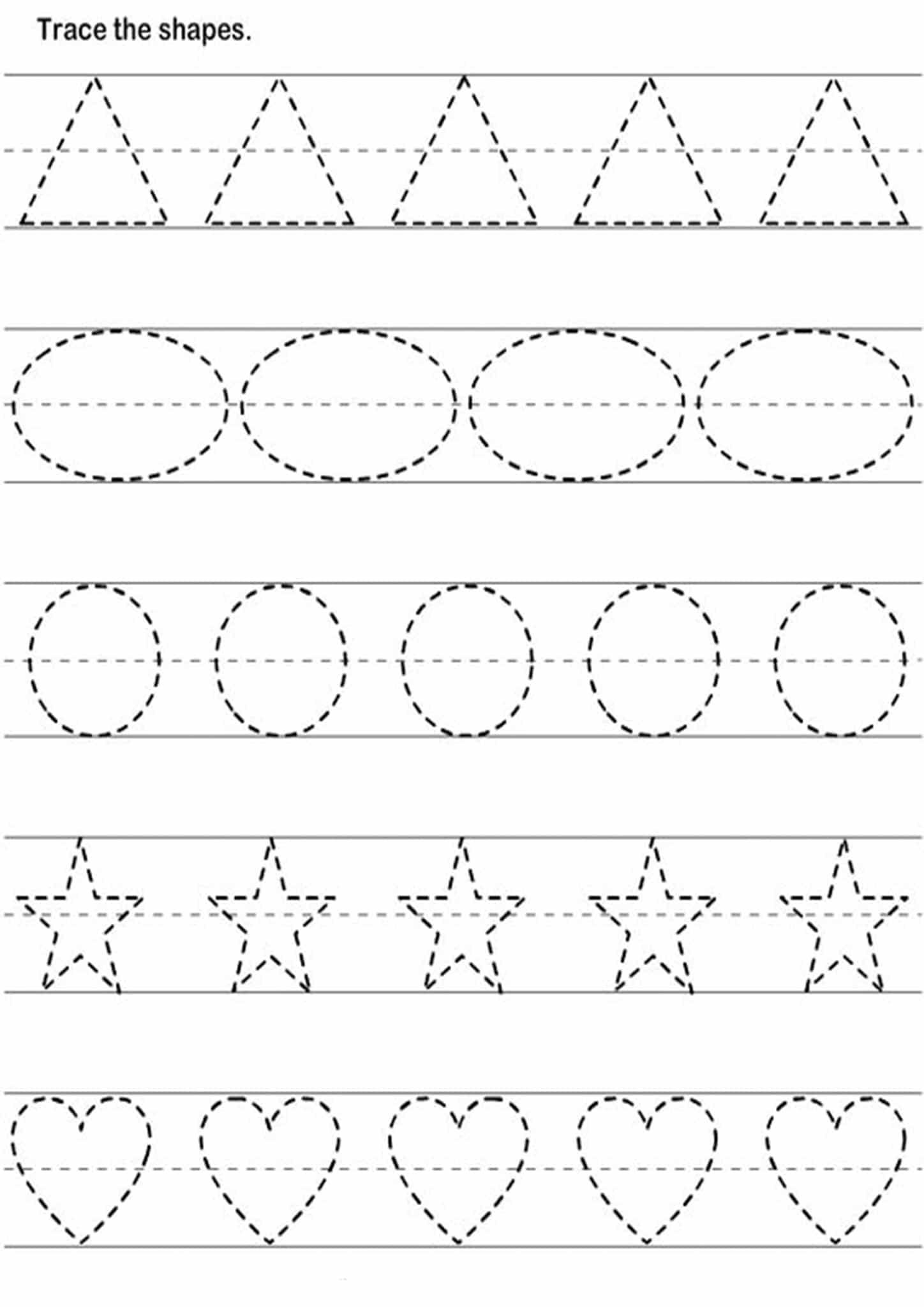
Start with simple geometric shapes like circles, squares, triangles, and rectangles. These shapes form the building blocks of letters and numbers. Create worksheets with bold outlines for children to trace. As they become more comfortable, encourage them to create their own shapes freehand.
Letters of the Alphabet
Introduce both uppercase and lowercase letters. Worksheets with dotted lines for each letter can guide children in forming them correctly. Consider using fun fonts or animal-themed letters to capture their interest. For example, a worksheet with an apple next to the letter “A” can make the learning process more enjoyable.
Numbers
Tracing numbers is just as important as letters. Use worksheets that feature numbers 1 through 10, allowing children to trace while counting. You might even incorporate fun activities like counting objects around the house or classroom that correspond to the numbers they’re tracing.
Fun Themes
Engage children with themed tracing worksheets based on holidays, seasons, or their favorite characters. For instance, during Halloween, you could create worksheets that feature pumpkins, ghosts, and bats for tracing. This approach not only makes tracing fun but also helps children connect learning with their interests.
Monitoring Progress and Mastery
As children engage in tracing exercises, it’s important to monitor their progress to ensure they are developing the necessary skills. Here are some ways to assess their mastery:
- Observe Grip and Control: Pay attention to how they hold their writing instruments. Are they using a proper grip? Are their lines controlled and steady when tracing?
- Check for Accuracy: Look for consistency in tracing. Are they able to follow the lines closely? As they progress, you can gradually introduce less defined lines to challenge them further.
- Encourage Independence: Once they feel comfortable, provide opportunities for them to trace without guidance. This shift will help build their confidence and independence in writing.
- Provide Feedback: Celebrate their successes and provide constructive feedback. Encourage them when they trace correctly and gently guide them if they struggle. Positive reinforcement will motivate them to keep practicing.
Printable Resources for Tracing Exercises
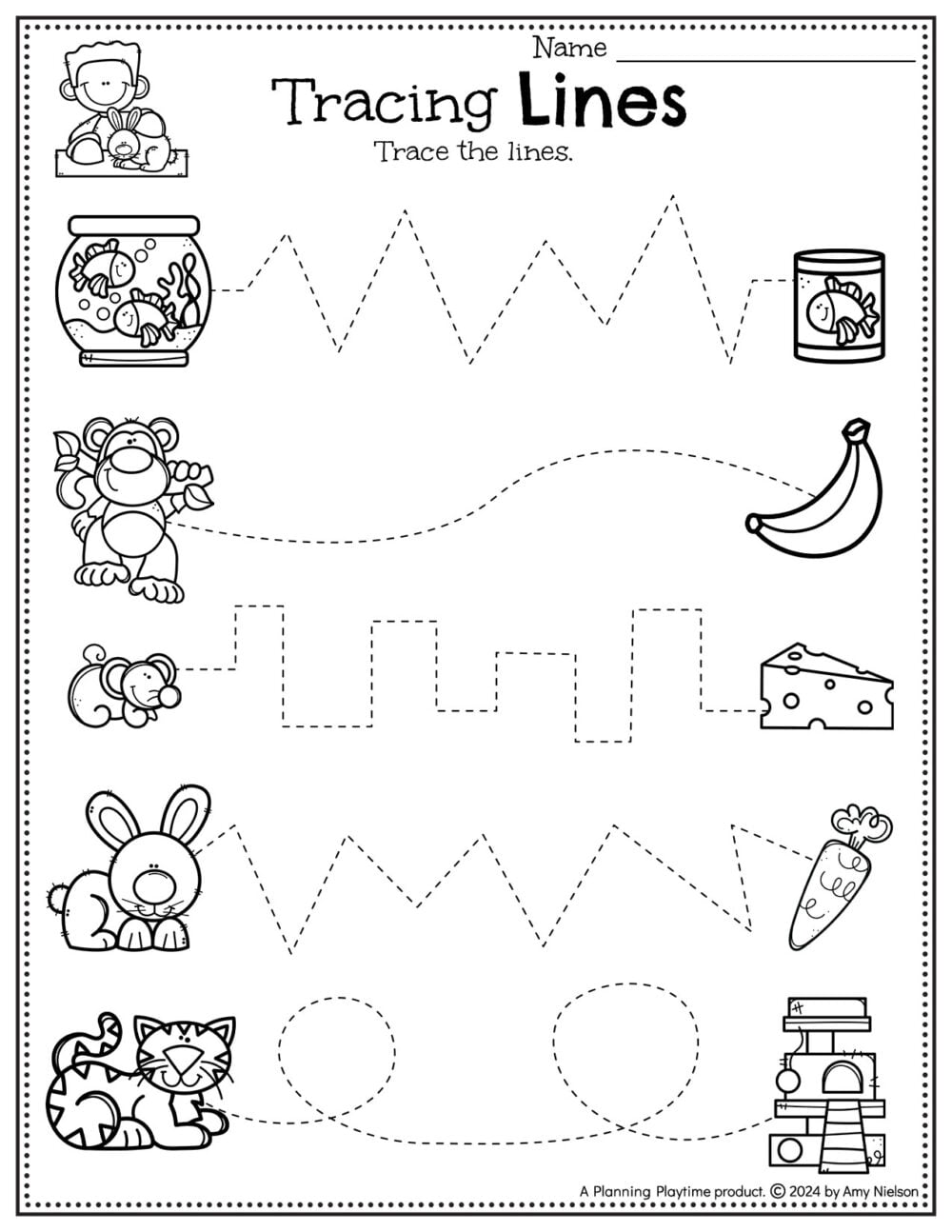
Finding quality printable resources can significantly enhance your tracing activities. Many websites offer free or low-cost worksheets designed specifically for young learners. Look for resources that are easy to download, print, and use immediately. When choosing printable exercises, consider:
- Variety: Ensure the resources cover various shapes, letters, and themes to keep the activities engaging.
- Quality of Design: Opt for worksheets with clear lines and bold graphics that are easy for little hands to follow.
- Ease of Use: Choose files that print well on standard paper sizes without requiring complicated adjustments.
When you have a selection of tracing exercises on hand, you can quickly adapt activities based on the child’s interests or needs, making learning both fun and effective.
Incorporating tracing exercises for 3 year olds into your teaching or parenting routine can make a significant difference in their fine motor skills and early literacy development. By setting up an engaging environment, using a variety of tracing materials, and monitoring progress, you can help young children gain confidence in their writing abilities while having fun along the way.