Matching Body Parts Worksheet For Kindergarten
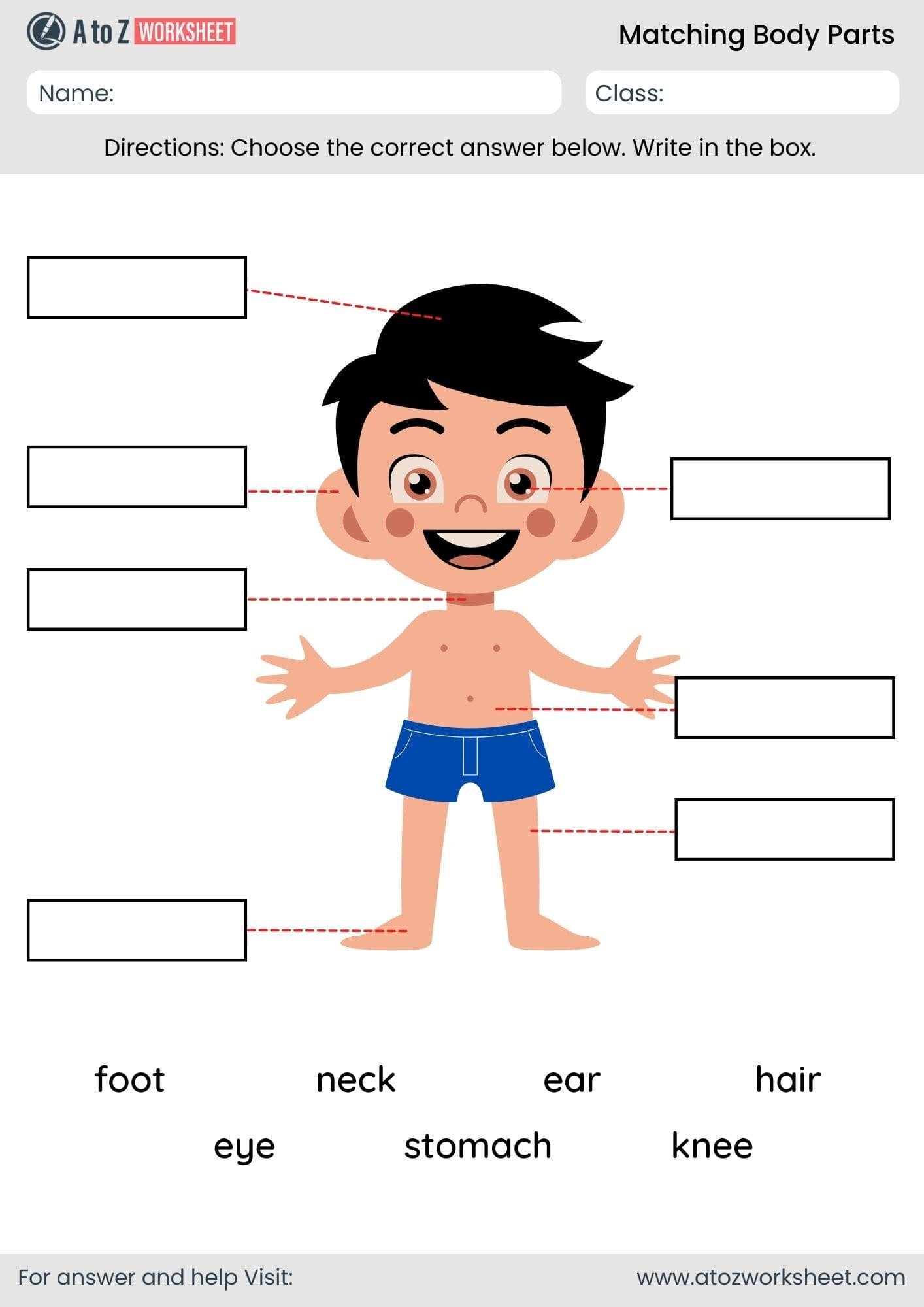
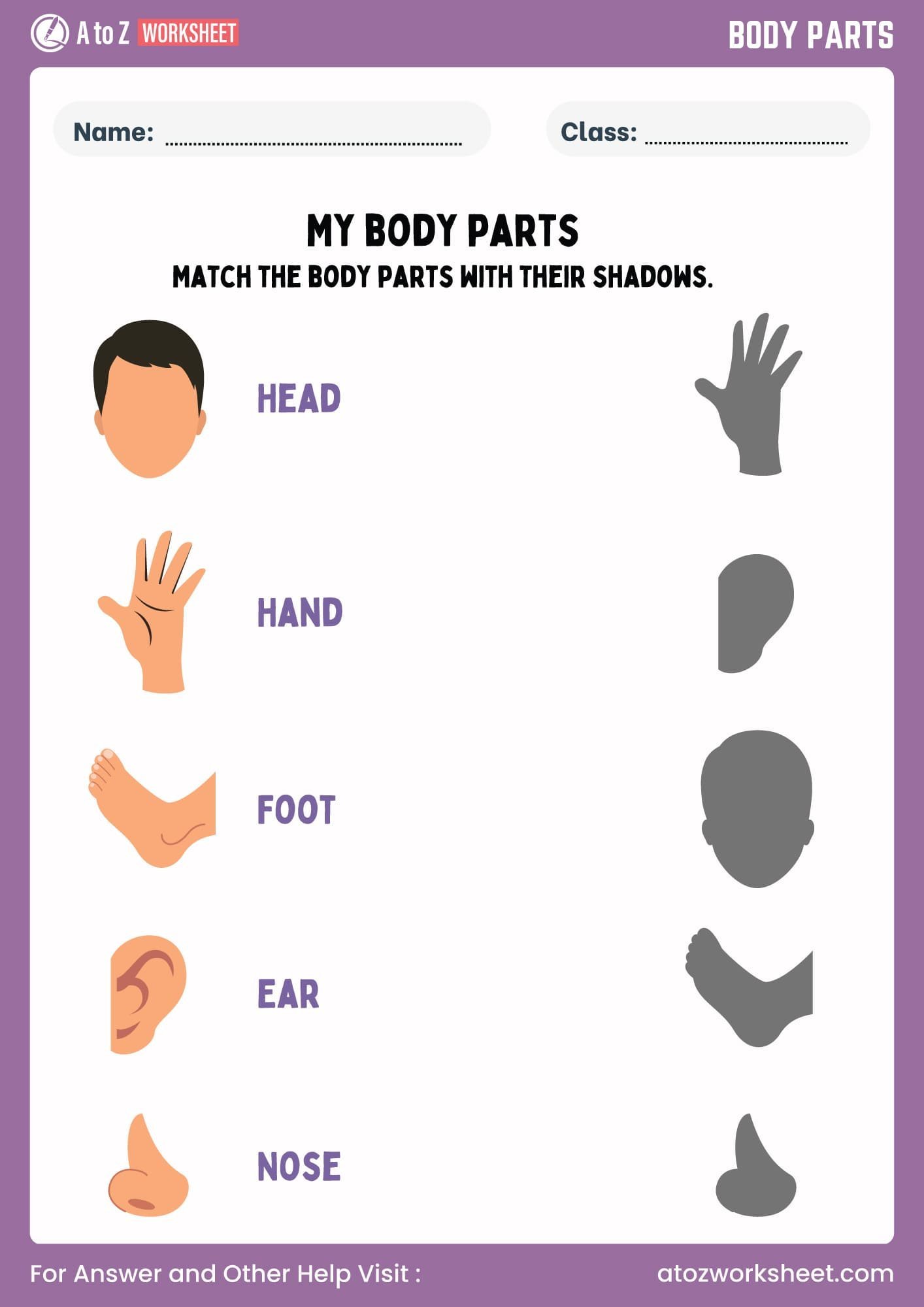
Understanding body parts is a fundamental skill for kindergarteners. It lays the groundwork for both language development and body awareness. The Matching Body Parts Worksheet For Kindergarten offers an engaging way for young learners to identify and associate different parts of the body. This resource not only enhances vocabulary but also aids in developing fine motor skills through hands-on activities.
Why Use a Matching Body Parts Worksheet?
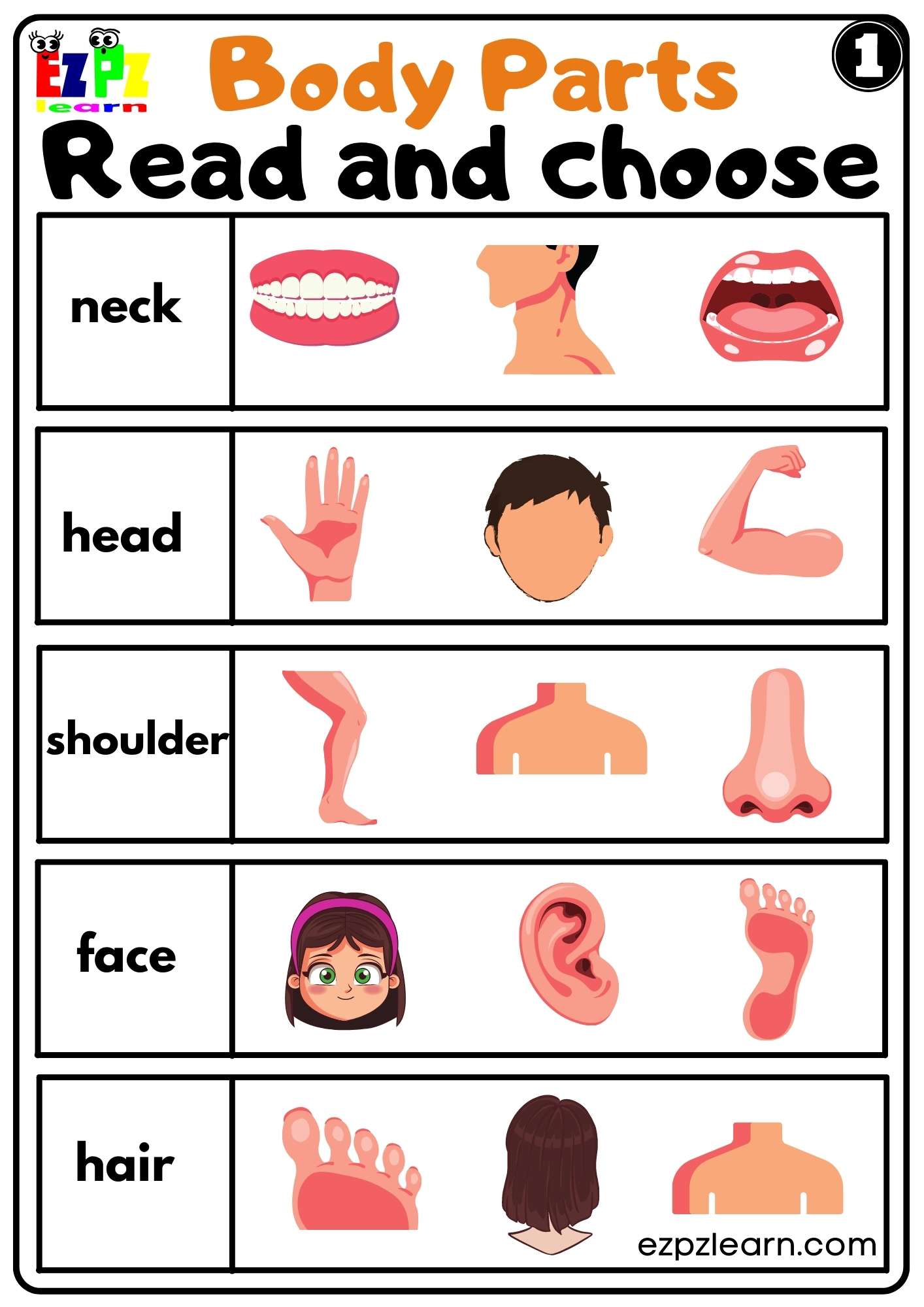
Using a matching worksheet helps children solidify their understanding of body parts in a fun and interactive way. Worksheets like these allow kids to engage with the material visually and kinesthetically. They can match pictures with names, enhancing recall and recognition. Moreover, matching activities can be tailored to suit varying levels of understanding, making them inclusive for all learners.
Skills Developed
- Vocabulary Building: Children learn the names of body parts, enriching their verbal skills.
- Cognitive Skills: Matching exercises improve memory and cognitive processing.
- Fine Motor Skills: Handling worksheets helps with writing and coordination.
Choosing the Right Worksheet
When selecting a matching body parts worksheet, consider these factors:
Age Appropriateness
The worksheet should be tailored specifically for kindergarteners. Look for resources that use simple, clear illustrations and language. The Matching Body Parts Worksheet For Kindergarten should not overwhelm young learners with too many concepts at once.
Visual Appeal
Children are drawn to colorful and engaging visuals. Choose worksheets that feature bright images and a friendly layout. This will keep their attention and make the learning experience enjoyable.
Instructions Clarity
Ensure the worksheet has clear instructions. Kindergarteners may need guidance on how to complete the activity. Simple, straightforward directions can help them feel confident in their ability to match body parts correctly.
Downloading and Printing the Worksheet
Once you’ve chosen the appropriate worksheet, it’s time to download and print it. Here’s how to do it effectively:
- Download Format: Ensure the worksheet is available in PDF format. PDF files maintain formatting better across different devices and printers.
- Printer Settings: Select the right paper size, typically A4 or letter size. Check the print settings to avoid scaling issues. Using a portrait layout is often recommended for worksheets.
- Paper Choice: For durability, print on cardstock. This is especially useful if the worksheet will be used multiple times or laminated for reuse.
Setting Up the Activity
Creating an effective learning environment for the matching body parts activity is crucial. Here’s how to set it up:
Materials Needed
- The printed matching worksheet
- Crayons or markers for coloring
- Optional: scissors for cutting out parts if the worksheet includes cut-out elements
Creating a Comfortable Space
Set up a quiet area with enough space for each child to work comfortably. A well-lit environment can enhance focus and reduce distractions.
Engaging the Learners
Introduce the activity by discussing body parts. Use the worksheet to reinforce the lesson. As children work on matching, circulate around the room to offer support and encouragement. Ask questions to engage their thinking, such as “Where is your knee?” or “Can you point to your elbow?”
Using the Worksheet in Different Contexts
The Matching Body Parts Worksheet For Kindergarten can be utilized in various educational settings, from traditional classrooms to homeschooling environments. Here are some practical applications:
Classroom Use
In a classroom setting, this worksheet can be integrated into a larger unit on health or the human body. Teachers can use it as a formative assessment to gauge understanding before moving on to more complex topics.
Homeschooling
For homeschooling parents, this worksheet serves as an excellent standalone activity. It can easily fit into a daily learning routine, providing a structured yet flexible approach to teaching body parts.
Group Activities
Consider using the worksheet in small groups. Children can work together to complete the matching activity, fostering collaboration and communication skills. This also allows for peer learning, as they can help each other with challenging parts.
Additional Activities to Reinforce Learning
To further enhance understanding and retention, consider incorporating these additional activities:
- Body Part Songs: Use songs that mention different body parts. This can aid memory and make learning more dynamic.
- Interactive Games: Play games like “Simon Says,” where children are instructed to touch specific body parts. This reinforces their knowledge in a physical way.
- Art Projects: Have children draw their own bodies and label the parts. This can deepen their understanding and allow for creativity.
Incorporating various activities keeps the learning process exciting and reinforces the concepts learned through the worksheet.
Final Tips for Success
When using the Matching Body Parts Worksheet For Kindergarten, keep these tips in mind:
- Be Patient: Children may need time to grasp the concepts. Offer encouragement and celebrate small successes.
- Adapt as Needed: Some children may need more support than others. Be ready to modify the activity or provide additional resources.
- Follow Up: After completing the worksheet, engage in discussions about body parts in everyday life. This real-world connection solidifies learning.
By following these practical steps, the Matching Body Parts Worksheet can become a valuable tool in any educational setting, helping young learners build essential skills while having fun.