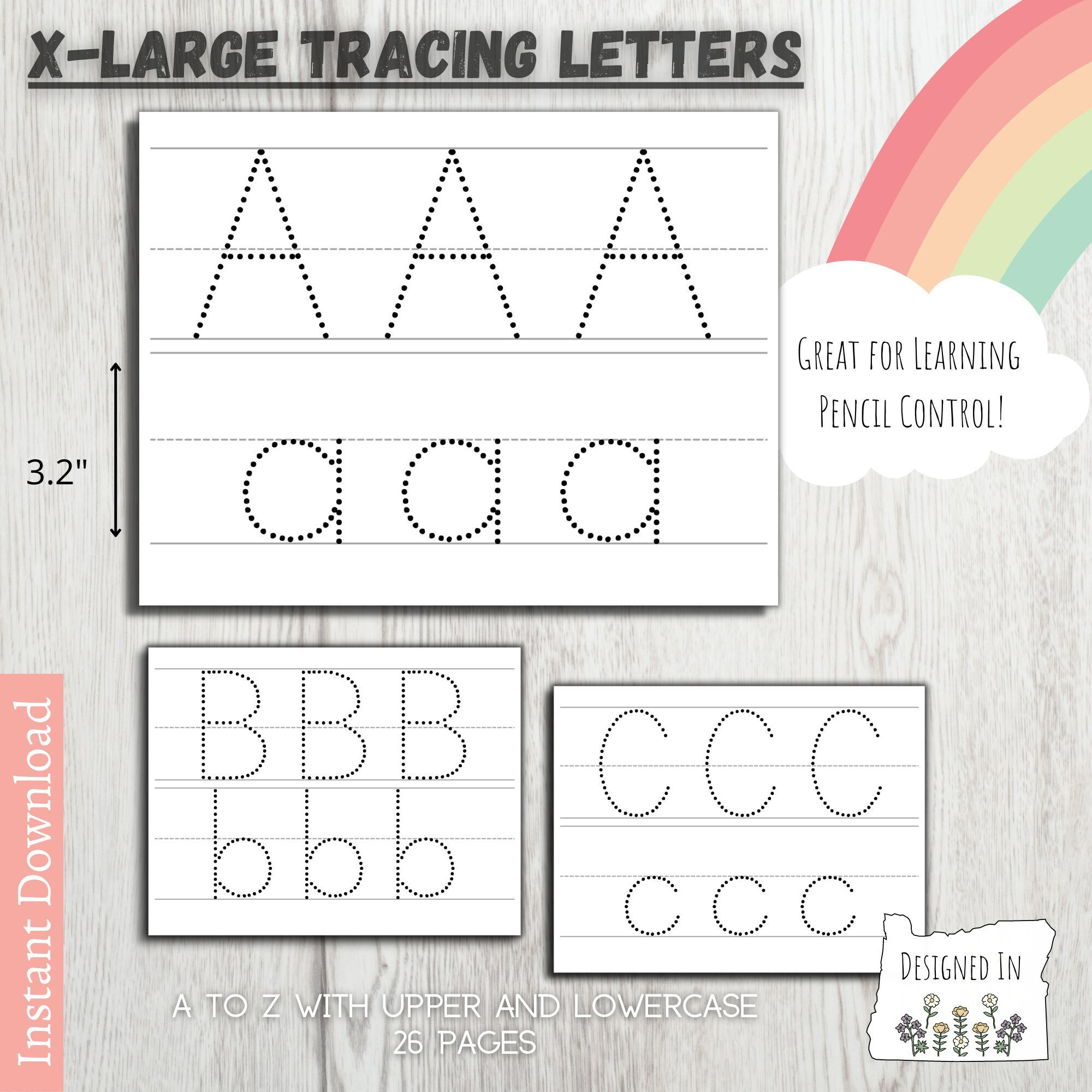
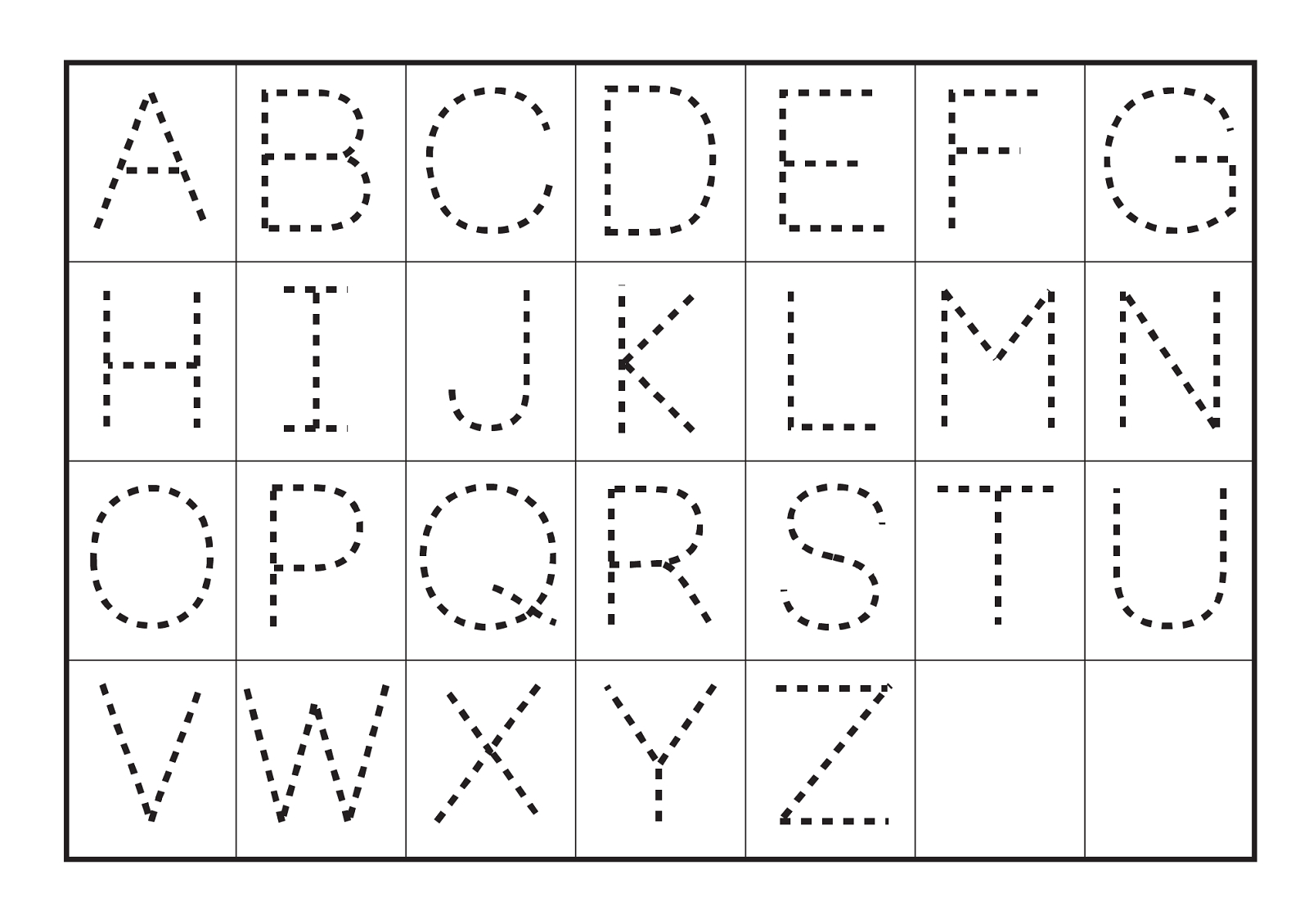
Kindergarten Printable Large Tracing Letters
When Sarah sat down with her five-year-old son, Ethan, for their afternoon learning session, she pulled out a set of colorful worksheets. Today’s focus was on letters. They were using Kindergarten Printable Large Tracing Letters, a resource designed specifically to help young children practice their handwriting in a fun and engaging way. As Ethan traced each letter, Sarah noticed how his confidence grew with every stroke, and she felt reassured that they were making productive use of their time together.
The Importance of Tracing Letters for Kindergarteners
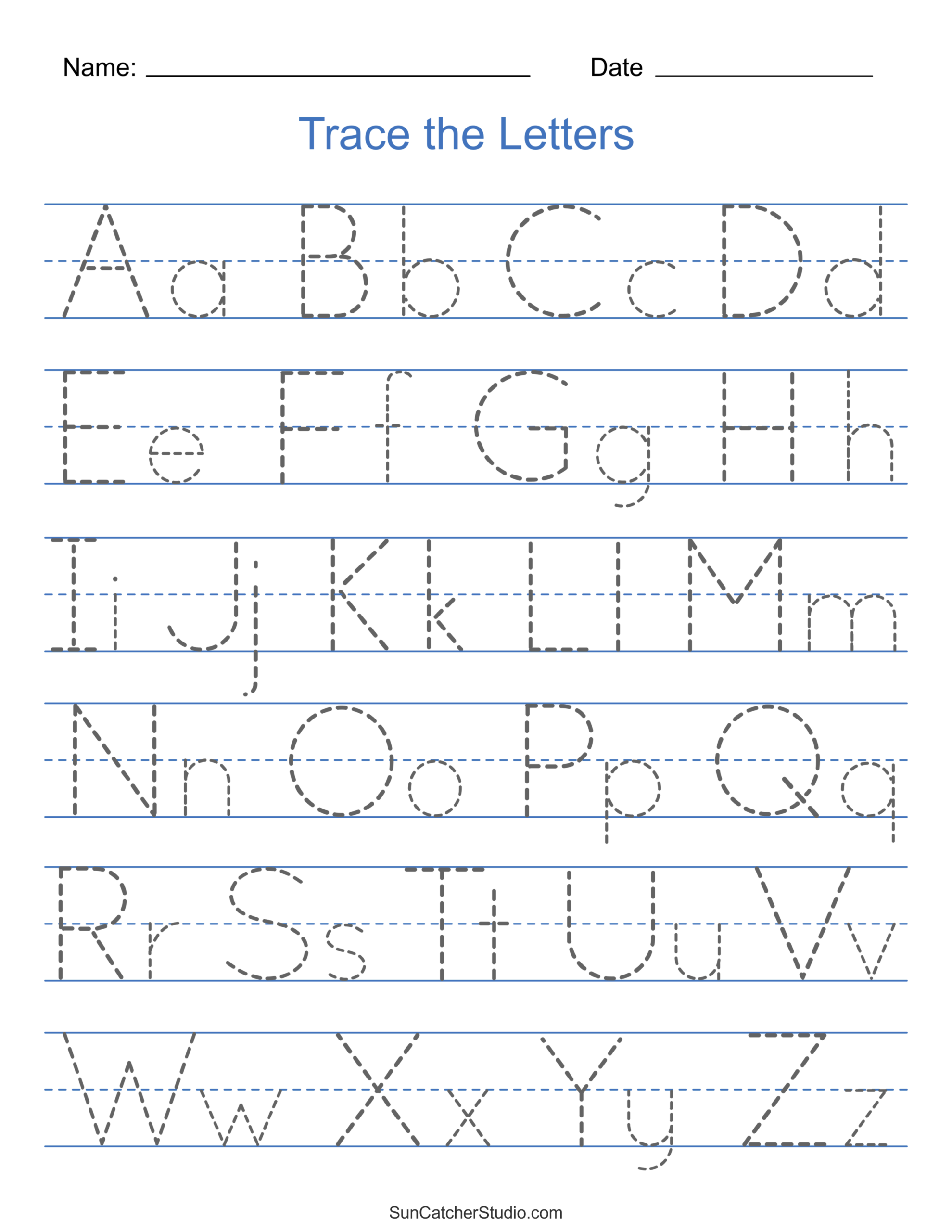
Tracing letters is a foundational skill for young learners. It’s not just about writing; it’s about developing fine motor skills, hand-eye coordination, and letter recognition. When children trace large letters, they can focus on forming each letter correctly, which builds a strong base for their future writing abilities.
Using Kindergarten Printable Large Tracing Letters allows children to have a hands-on learning experience. They can physically engage with the letters, helping them understand the shapes and strokes needed to write. This tactile approach is crucial, especially for kinesthetic learners who learn best through movement and touch.
How to Use Kindergarten Printable Large Tracing Letters
Integrating these tracing worksheets into your home or homeschool routine can be straightforward and rewarding. Here’s a practical guide on how to make the most of these resources:
- Choose the Right Time: Set aside 15-30 minutes during your day when your child is most focused. This could be after lunch or during a quiet afternoon.
- Gather Supplies: You’ll need:
- The tracing letter worksheets printed in either color or black and white.
- Pencils or crayons (consider using thicker crayons or markers for younger children who may struggle with grip).
- Optional: a clipboard or hard surface for comfortable writing.
- Introduce the Letters: Start by showing your child the letter they will trace. Discuss its sound and words that begin with it. For example, if they are tracing the letter “A,” you can say, “This is the letter A. It sounds like ‘apple.’ Can you think of any other words that start with A?”
- Model the Activity: Demonstrate how to trace the letters. Use a finger to guide your child along the lines first, then encourage them to use their pencil or crayon. Make it a game—trace together and count how many letters you can trace in a minute!
- Encourage Creativity: After tracing, let your child color in the letters or draw pictures of items that start with that letter. This can deepen their understanding and make learning more enjoyable.
- Repeat and Reinforce: Consistency is key. Regular practice with these worksheets will help reinforce their learning. You might set a schedule where certain letters are focused on each week, allowing your child to master each one before moving on.
Tips for Effective Use of Tracing Worksheets
- Paper Quality: Print the worksheets on cardstock if possible. This makes them sturdier, especially if you plan to reuse them. If you laminate them, your child can trace with dry-erase markers for endless practice.
- Mix It Up: Incorporate different activities with the letters. For example, after tracing, play a game where your child has to find objects around the house that start with the traced letter.
- Celebrate Progress: Keep track of your child’s progress by saving their worksheets. Celebrate their achievements with stickers or a small reward when they complete a set of letters. This positive reinforcement can motivate them to continue learning.
Incorporating Technology With Tracing Letters
While traditional tracing worksheets are invaluable, consider blending them with technology. There are various apps available that focus on handwriting and tracing. These can provide interactive experiences and cater to children who enjoy using tablets or computers. Look for apps that allow for tracing letters using finger movements, which can enhance their skills in a modern way.
Engaging Activities Beyond Tracing
To further enhance your child’s learning experience, consider incorporating additional activities that complement the tracing exercises:
- Letter Scavenger Hunt: Hide items around the house that start with the letter of the week. As your child finds each item, they can trace the corresponding letter on their worksheet.
- Story Time: Read books that emphasize the target letter. For instance, if tracing “B,” read books about bears, balloons, or butterflies. After reading, ask your child to trace the letter and then draw their favorite character from the story.
- Craft Projects: Create crafts that relate to the letters. For example, if they’re tracing “C,” they can make a paper cat or a colorful cupcake. This reinforces the letter through art and creativity.
By blending tracing practice with these diverse activities, you can create a rich learning environment that keeps your child engaged and excited about letters.