Pre Writing Sheets For Preschoolers
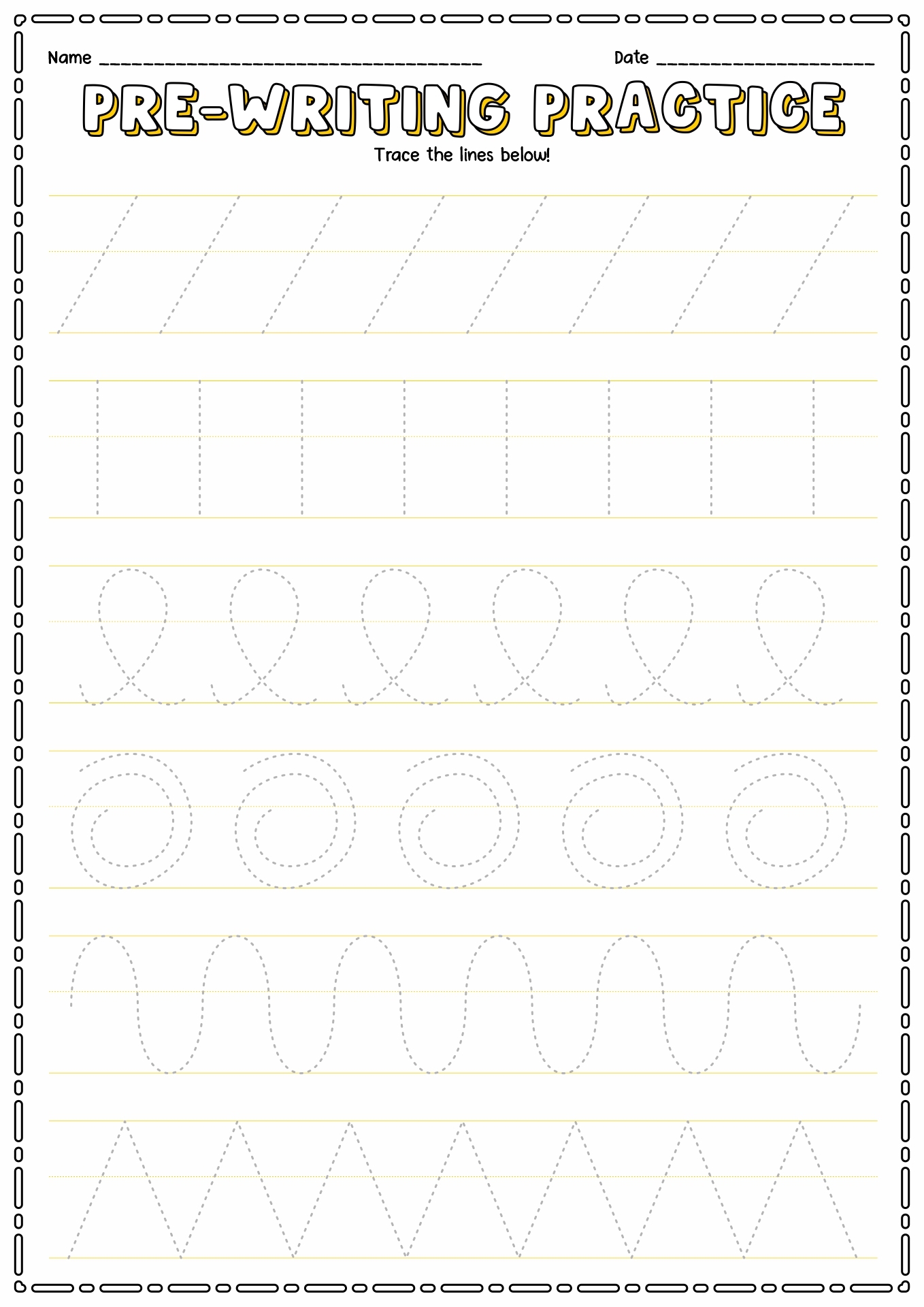
Pre Writing Sheets For Preschoolers are essential tools designed to help young learners develop fine motor skills and prepare them for writing. These sheets typically include a variety of activities that encourage children to practice tracing letters, shapes, and lines. By using these resources, teachers can create a structured learning environment that fosters early literacy skills in preschoolers.
Understanding Pre Writing Skills
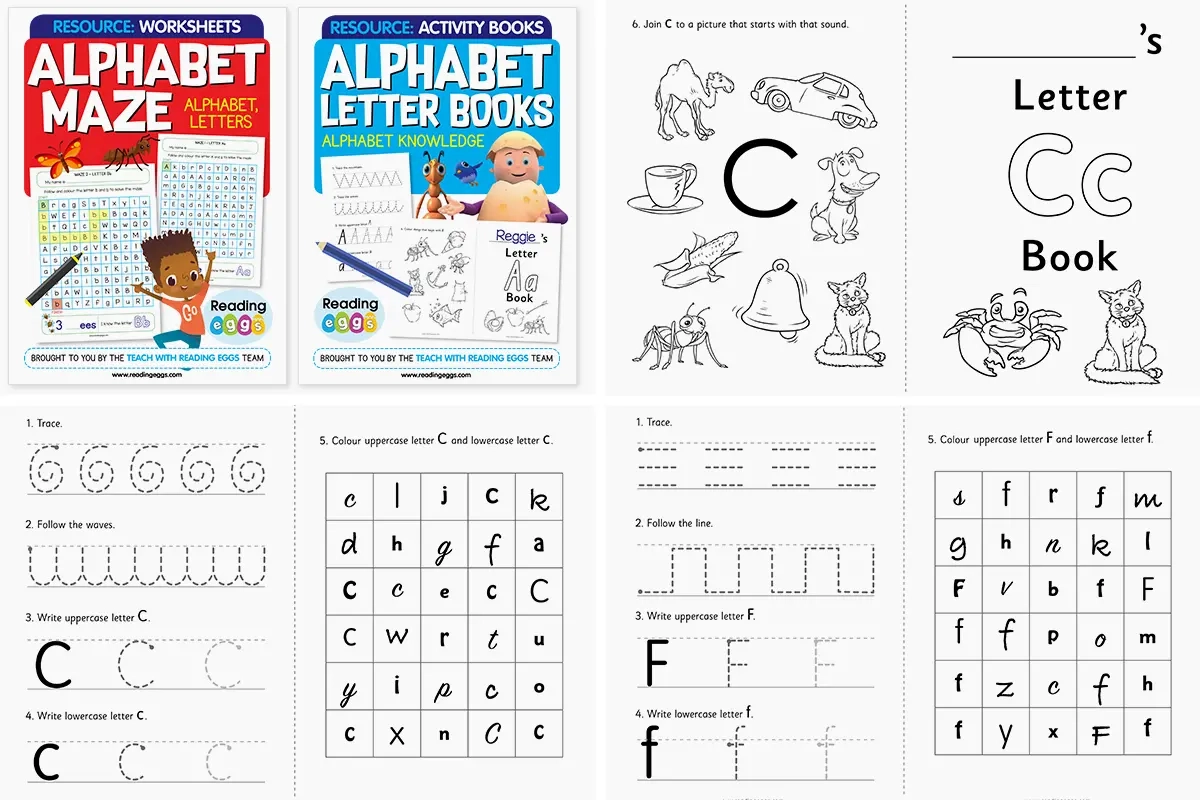
Pre writing skills are the foundational abilities that children need before they can effectively write letters and numbers. These skills include hand-eye coordination, control of hand muscles, and the ability to form shapes and lines. Engaging preschoolers in activities that promote these skills is crucial for their development. Pre writing sheets are tailored to guide children through this process in a fun and interactive way.
Features of Pre Writing Sheets
When selecting Pre Writing Sheets For Preschoolers, look for key features that enhance the learning experience:
- Variety of Activities: Effective sheets should include a range of tracing activities, such as lines, shapes, and simple letters. This variety keeps children engaged and helps them develop different skills.
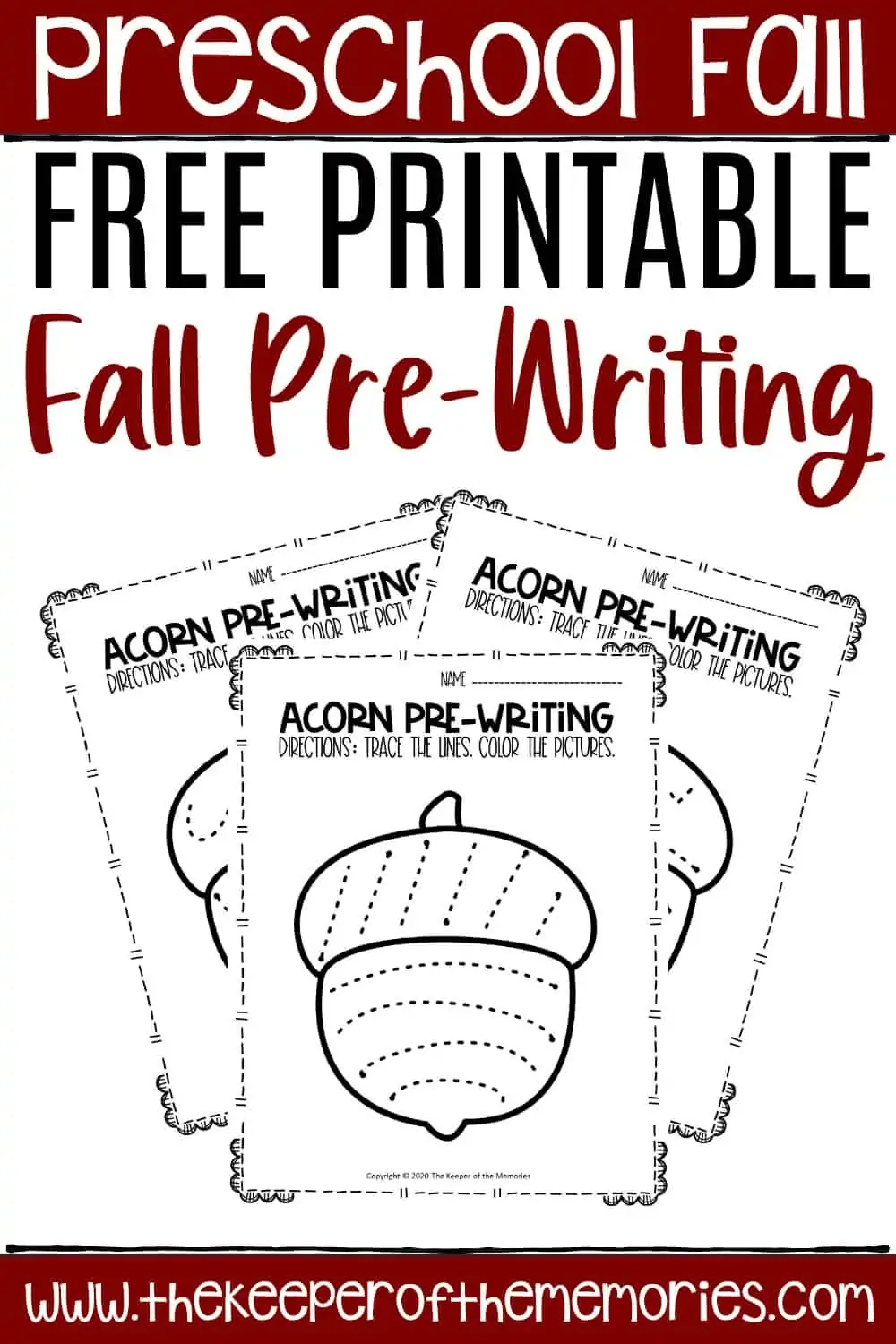
- Visual Cues: Sheets that include images or illustrations can provide visual support for children as they learn to trace and write. This can be particularly beneficial for visual learners.
- Clear Instructions: Each sheet should provide simple, clear instructions that are easy for both teachers and children to understand. This ensures that the activity runs smoothly, enhancing learning outcomes.
- Age-Appropriate Design: Ensure the sheets are designed specifically for preschoolers, with appropriate difficulty levels that challenge them without causing frustration.
Best Practices for Using Pre Writing Sheets
To maximize the benefits of Pre Writing Sheets For Preschoolers, consider the following best practices:
Create a Routine
Incorporate pre writing activities into your daily routine. Consistency helps children understand that these practices are an important part of their learning journey. Set aside specific times during the day for these activities, so children know what to expect.
Encourage Proper Grip
Teach children how to hold writing tools correctly. A proper grip is essential for developing fine motor skills. Use tools like chunky crayons or markers that are easy for little hands to grasp. This will help them gain confidence as they practice writing.
Provide Positive Reinforcement
Always encourage and praise children for their efforts. Positive reinforcement can motivate them to keep practicing and improve their skills. Celebrate small achievements, such as completing a sheet or successfully tracing a letter.
Mix Activities
To keep things interesting, mix pre writing sheets with other hands-on activities. Incorporate play dough, sand writing, or finger painting to reinforce the same skills in different contexts. This variety can help children stay engaged and develop a love for writing.
Where to Find Printable Pre Writing Sheets
Finding quality Pre Writing Sheets For Preschoolers is easier than ever. Many educational websites offer free or low-cost printable resources. Here are some reliable places to check:
- Educational Blogs: Many teachers and educators share their own worksheets and resources online. These can often be downloaded directly from their blogs.
- Printable Resource Websites: Websites dedicated to printables usually have a section for early childhood education. Here, you can find a wide variety of pre writing sheets tailored for preschoolers.
- Teacher Resource Platforms: Websites like Teachers Pay Teachers offer a marketplace where educators can buy and sell their original resources. You can find high-quality pre writing sheets created by experienced teachers.
Adapting Pre Writing Sheets for Individual Needs
Every child learns at their own pace, so it’s important to adapt pre writing sheets to meet individual needs. Here are some strategies:
- Modify Difficulty Levels: Some children may need simpler activities, while others might be ready for more complex tracing tasks. Be prepared to adjust the sheets accordingly.
- Use Different Materials: Experiment with different writing tools and surfaces. For instance, let children practice on a chalkboard or use a tablet with a stylus. This can help them find what works best for them.
- Incorporate Themes: Align the sheets with themes or topics currently being taught in the classroom. For example, if you’re learning about animals, use animal shapes for tracing.