Preschool Tracing Numbers 1-10
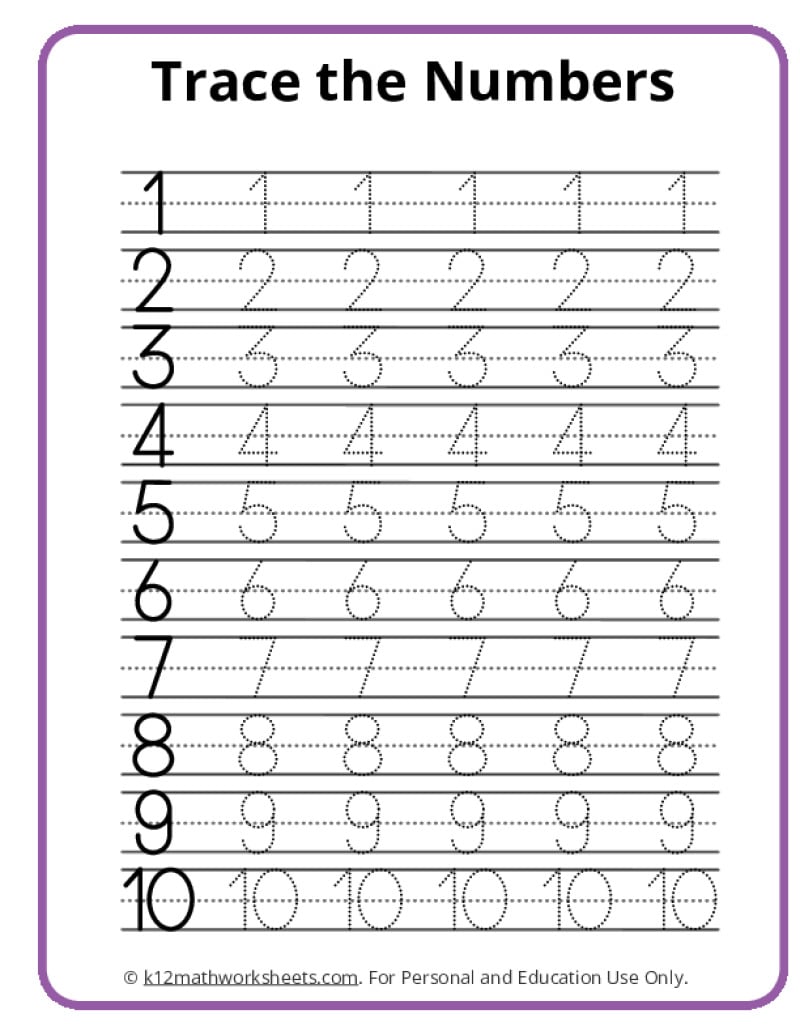
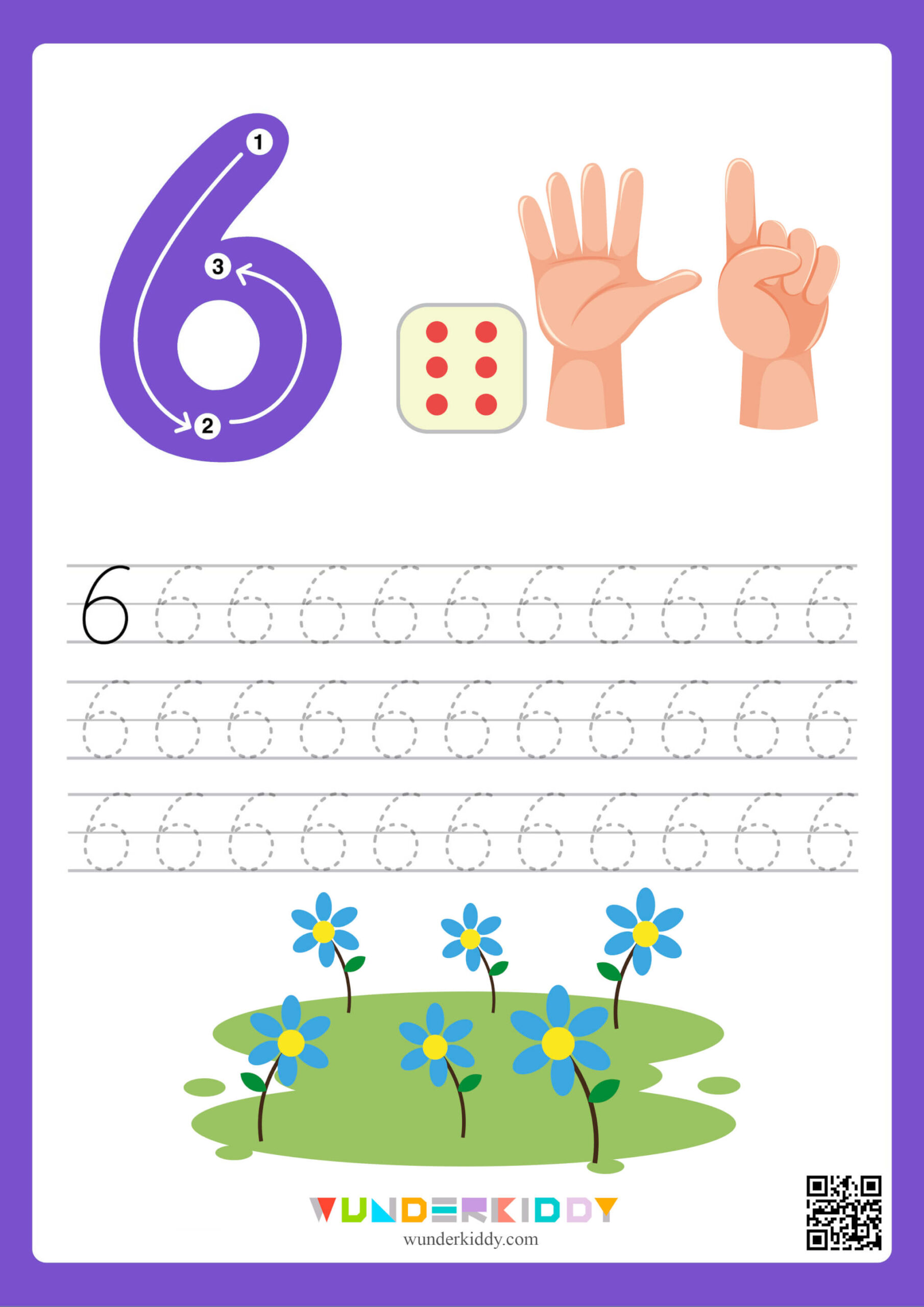
Teaching young children how to write numbers can sometimes be a challenge. Many children struggle with fine motor skills and need extra support to master number formation. That’s where the Preschool Tracing Numbers 1-10 worksheets come in. These resources are designed to help children practice tracing numbers in a fun, engaging way, making the learning process enjoyable and effective.
Understanding the Importance of Number Tracing
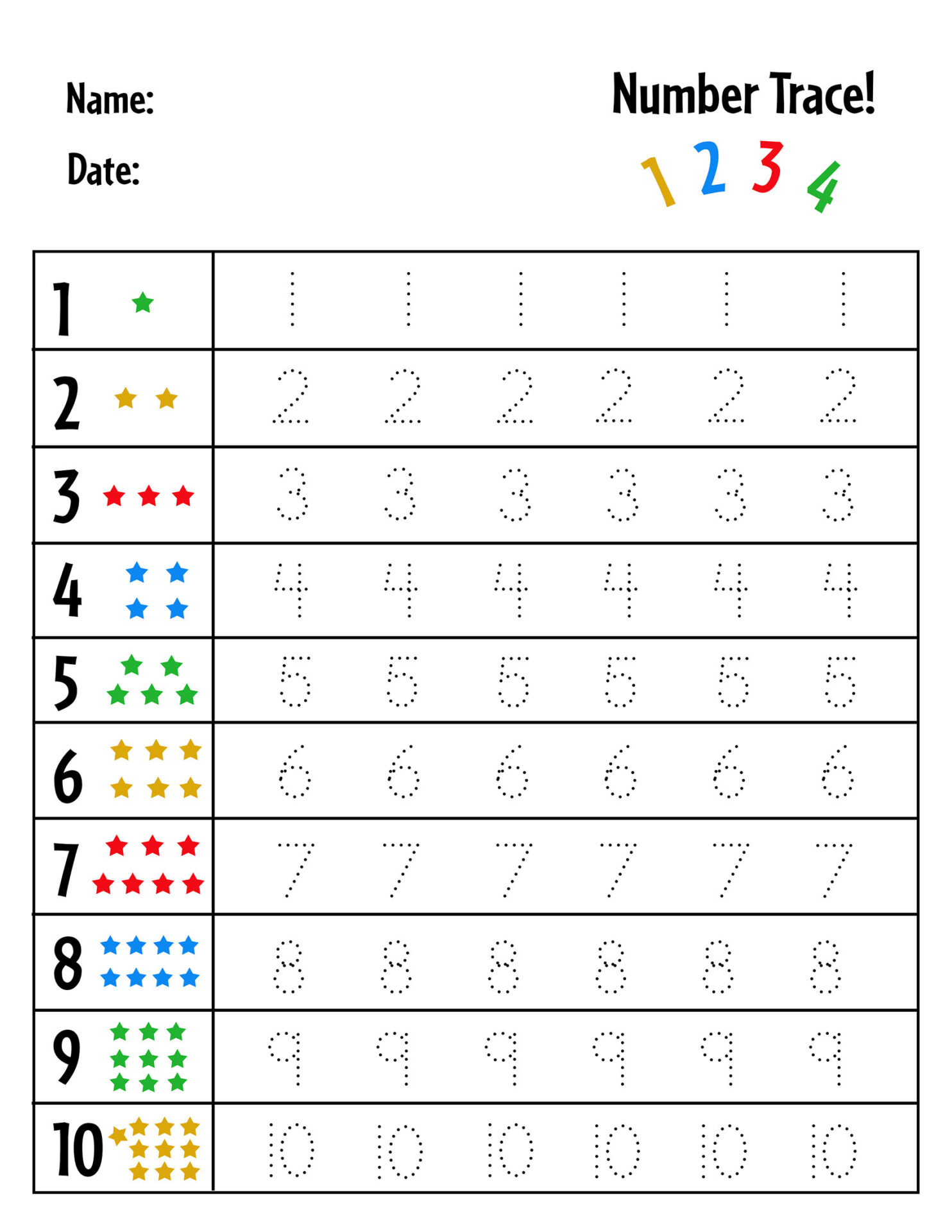
Tracing numbers is a fundamental skill that lays the groundwork for later mathematical understanding. Children in preschool, typically aged 3 to 5, are at an ideal developmental stage to learn this skill. The act of tracing helps them enhance their fine motor skills, build hand-eye coordination, and understand the shapes of the numbers they will later be required to write independently.
When kids trace numbers, they’re not just copying shapes; they’re actively engaging with the material. This process reinforces their memory and understanding of each number’s structure. As they trace, they develop muscle memory that aids in writing numbers accurately without assistance in the future.
Choosing the Right Tracing Worksheet
When it comes to selecting the best Preschool Tracing Numbers 1-10 worksheet, consider a few key factors:
- Layout: Look for worksheets that present numbers in a clear, large format. This helps children see the shapes easily and encourages them to trace accurately.
- Guided Lines: Worksheets with dotted or dashed lines can guide children on how to form each number correctly. This is especially helpful for younger learners still developing their writing skills.
- Visual Aids: Including images or objects that represent each number (like one apple for “1,” two balloons for “2,” etc.) can make the activity more engaging and help children associate numbers with quantities.
Downloading and Printing Your Worksheets
Once you’ve selected the right worksheet, the next steps are to download and print it. Here’s a simple guide:
- Download: Click on the link to download the worksheet. Make sure you choose a PDF format if available, as it preserves the layout nicely.
- Print Settings: When printing, set your printer to “portrait” mode for best results. Use standard paper sizes (like A4 or letter size) unless your printer can handle larger formats.
- Paper Quality: For durability, especially if you’re working with multiple children, consider using cardstock. This will hold up better to repeated tracing and can even be laminated for long-term use.
Setting Up the Tracing Activity
Creating a conducive learning environment is crucial for effective practice. Here are a few steps to help set up the tracing activity:
- Workspace: Ensure each child has a clean, flat surface to work on. This helps them focus and keeps their tracing neat.
- Tools: Provide children with pencils or crayons. Pencils are often better for tracing, as they allow for more precise control.
- Demonstration: Before the children begin tracing, demonstrate how to trace the numbers. Explain the direction of strokes—top to bottom and left to right. This small detail can significantly impact their ability to form numbers correctly.
Monitoring Progress and Mastery
As children work through the Preschool Tracing Numbers 1-10 worksheets, it’s essential to monitor their progress. Here’s how you can identify mastery:
- Correct Formation: Look for correct number formation and strokes. If a child consistently struggles with a particular number, it might require additional practice.
- Speed and Confidence: As children progress, they should start tracing numbers more quickly and confidently. Encourage them to say the numbers aloud as they trace to reinforce their learning.
- Independent Practice: Once children have traced numbers multiple times, encourage them to try writing without tracing lines. This transition from guided to independent writing is a significant milestone.
Tips for Reinforcement at Home
To further reinforce number tracing skills, parents can incorporate practice into daily routines. Here are a few easy ideas:
- Number Activities: Use everyday objects to create fun number activities. For example, have children count and trace numbers with toys, food items, or even their fingers.
- Creative Crafts: Engage children in crafts that involve numbers, such as making number collages or using playdough to shape numbers. This tactile approach can enhance their understanding.
- Routine Practice: Set aside a few minutes each day for tracing practice. Consistency is key to mastering number formation.
By using the Preschool Tracing Numbers 1-10 worksheets effectively, both teachers and parents can provide children with the skills they need to succeed in their early math education. The goal is to make learning enjoyable and sustainable, fostering a love for numbers that will last a lifetime.
To immediately get started, download your tracing worksheets today and set up a fun learning session. Your little ones will thank you for it!