Logic Puzzles For Adults Online
Logic puzzles for adults online provide an entertaining and intellectually stimulating way to engage the mind. These puzzles serve not only as a fun pastime but can also be an effective tool for enhancing critical thinking skills. For educators and homeschool parents, incorporating logic puzzles into lesson plans can create a more interactive and enjoyable learning environment.
What Are Logic Puzzles?
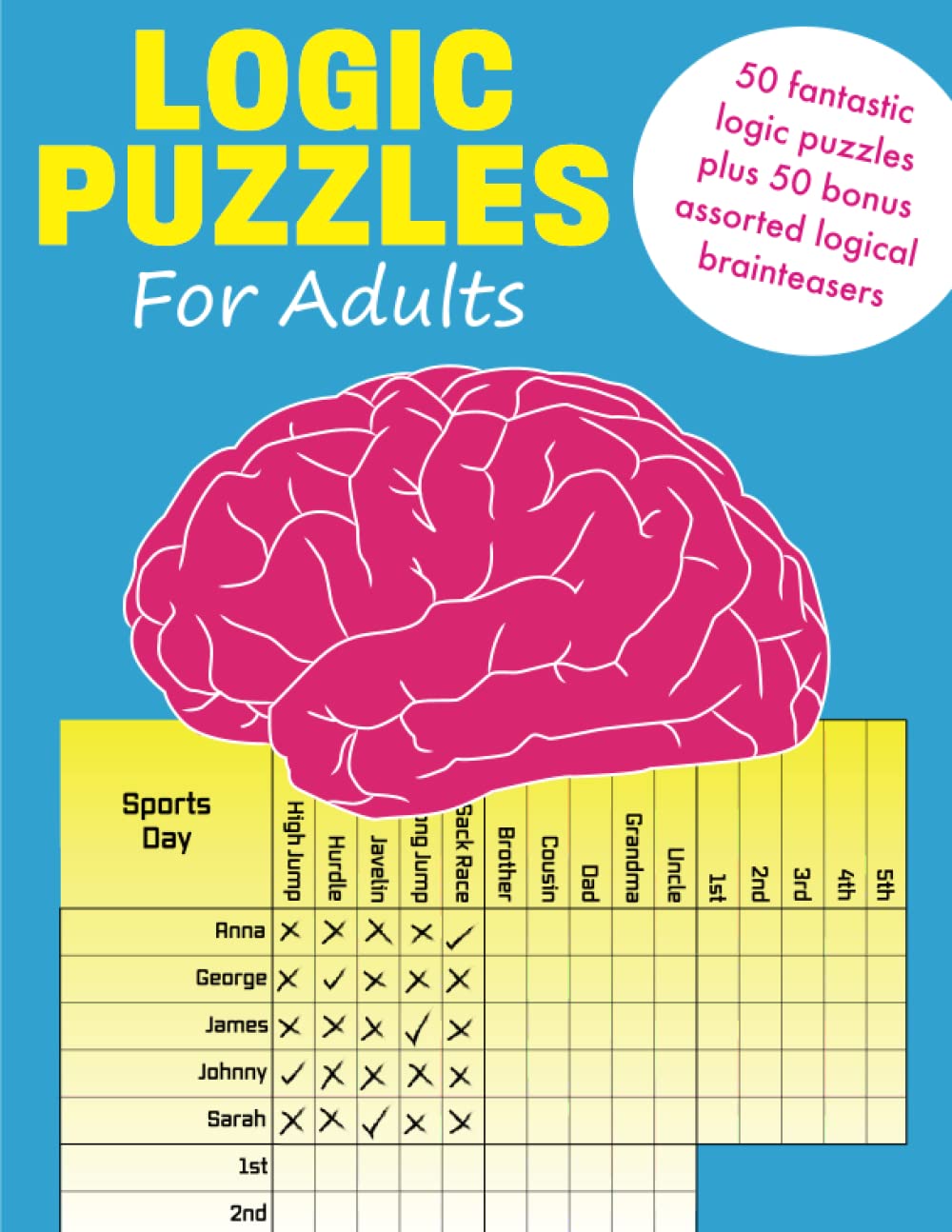
Logic puzzles typically require solvers to use deductive reasoning to arrive at a solution. They can come in various forms, including grid puzzles, riddles, or lateral thinking challenges. Many puzzles can be found online, allowing for easy access and immediate use.
Online logic puzzles are often designed with adults in mind, featuring complex scenarios that require more advanced reasoning skills. They can be an excellent resource for teachers looking to challenge students or for parents wanting to foster critical thinking at home.
Benefits of Logic Puzzles for Adults
Incorporating logic puzzles into your routine can offer a range of benefits:
- Enhances Problem-Solving Skills: Working through puzzles encourages logical reasoning and analytical thinking.
- Boosts Cognitive Function: Engaging in challenging activities can improve memory and cognitive agility.
- Provides Stress Relief: Solving puzzles can be a form of mindfulness, offering a break from daily stressors.
- Encourages Collaboration: Many adults enjoy solving puzzles in groups, making them a great team-building activity.
These benefits make logic puzzles an ideal resource for both personal enjoyment and educational use.
Types of Logic Puzzles Available Online
When searching for logic puzzles for adults online, you’ll find a variety of formats to choose from. Here are some common types:
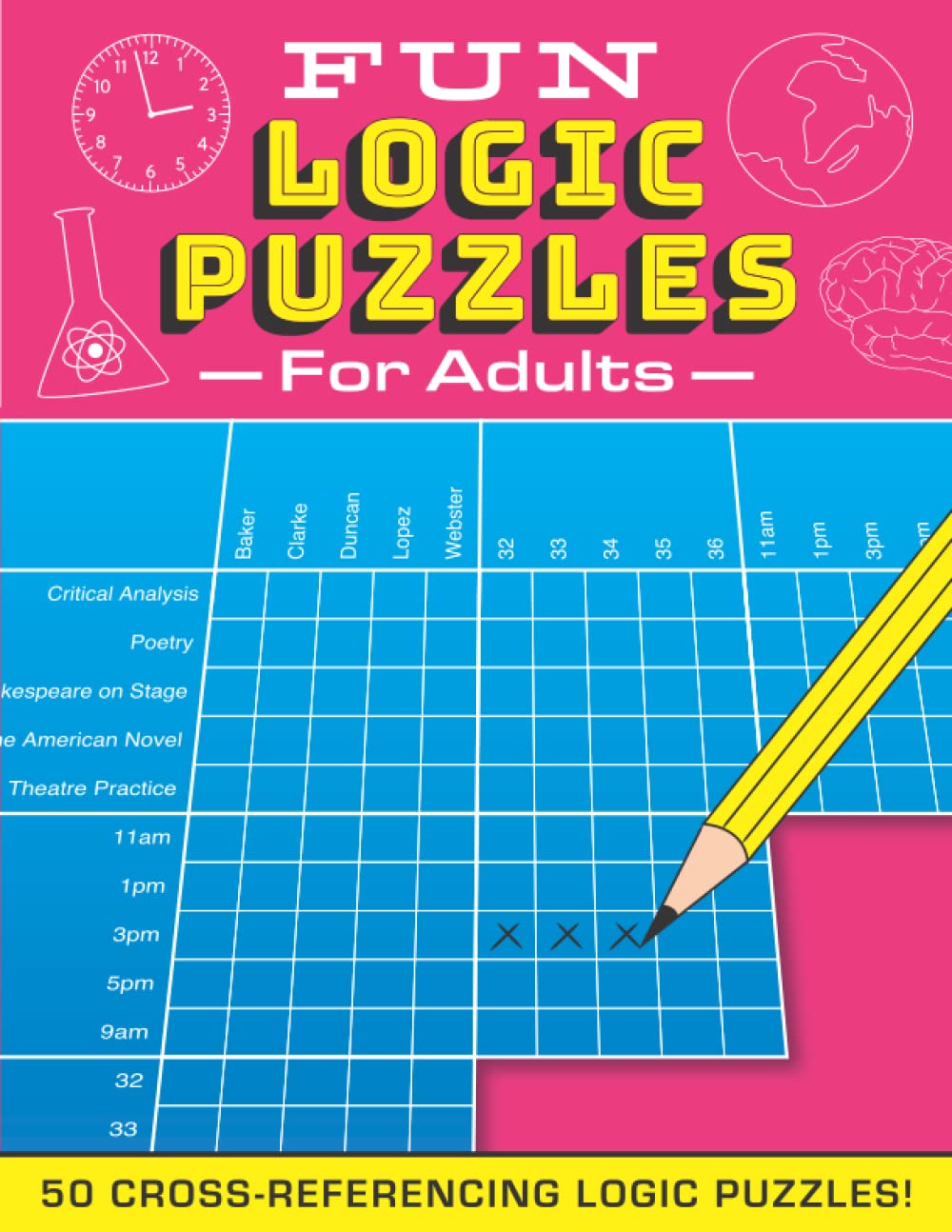
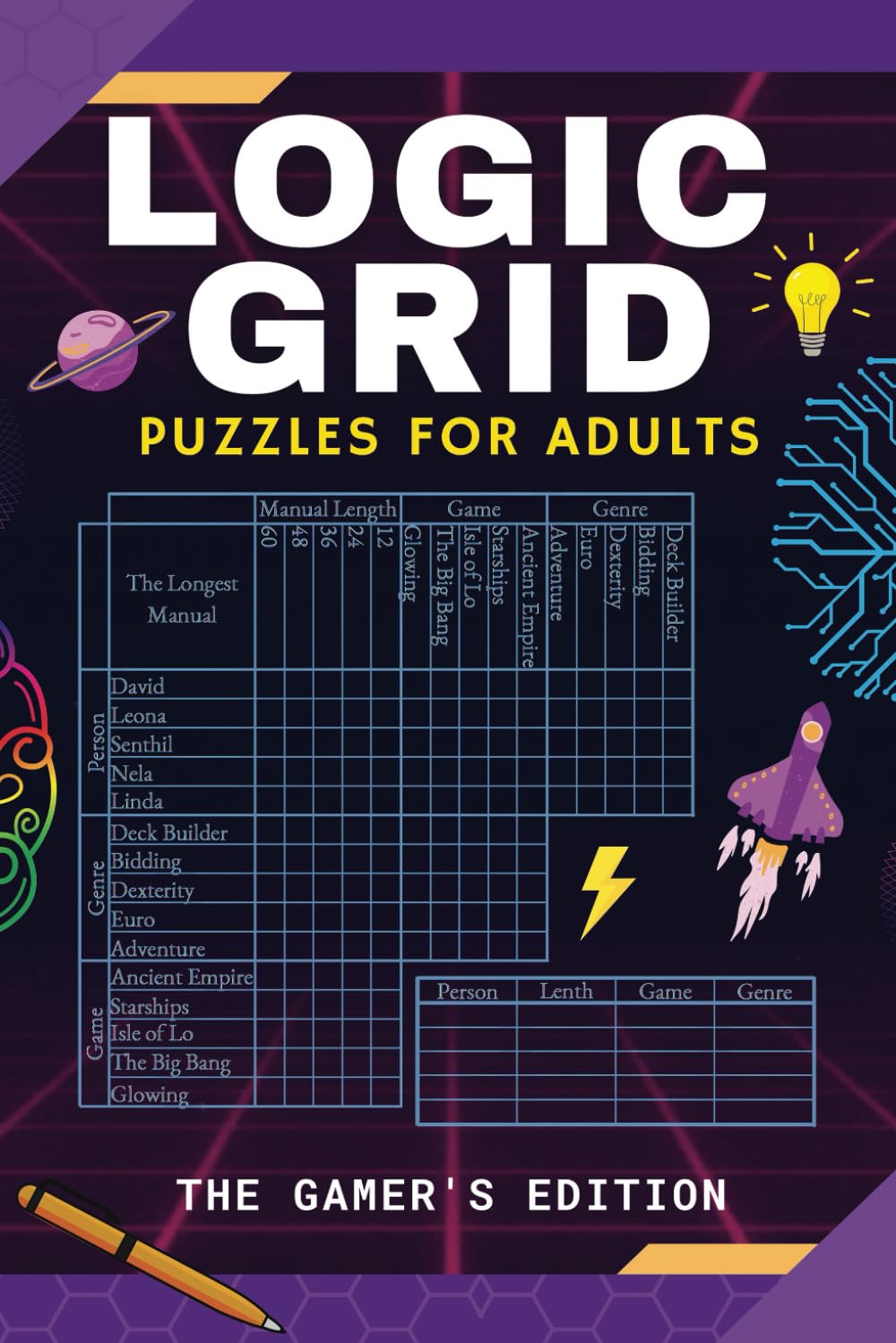
- Grid Puzzles: Often involve a grid layout where solvers must fill in cells based on a set of clues.
- Riddles: Short, often humorous puzzles requiring lateral thinking to arrive at the answer.
- Sudoku: A classic number-placement puzzle that challenges logical reasoning.
- Crossword Puzzles: Word-based puzzles that require knowledge across various topics.
Many of these puzzles can be easily downloaded and printed, making them convenient for classroom or home use.
How to Use Logic Puzzles Effectively in Education
Integrating logic puzzles into educational settings can enhance engagement and learning. Here are some practical tips:
- Incorporate into Lesson Plans: Use puzzles as warm-up activities or as part of a larger unit on problem-solving.
- Create a Puzzle Day: Designate a day for students to work on various logic puzzles, either individually or in groups.
- Use as Assessment Tools: Evaluate students’ reasoning and problem-solving skills through their performance on logic puzzles.
- Encourage Discussion: After solving a puzzle, discuss the thought processes and strategies used, reinforcing learning through conversation.
By strategically using logic puzzles, educators can create a dynamic learning environment that promotes critical thinking.
Where to Find Printable Logic Puzzles
Numerous websites offer printable logic puzzles for adults. Here are some popular options:
- Educational Resource Websites: Many sites provide free or paid downloads of printable puzzles tailored for different age groups and skill levels.
- Puzzle Books: While not online, many books feature collections of logic puzzles that can be photocopied for classroom use.
- Teacher Forums: Online communities often share their own resources, including logic puzzles, which can be freely downloaded.
When selecting puzzles, ensure they align with the skill levels and interests of your audience to maximize engagement.
Tips for Printing and Using Logic Puzzles
When preparing to use logic puzzles in your classroom or at home, consider the following tips:
- Choose the Right Paper: Standard printer paper works well, but using cardstock can help the puzzles withstand repeated use if laminated.
- Check Print Settings: Ensure your printer is set to the correct layout (portrait or landscape) to avoid cutting off any content.
- Adapt Puzzles for Different Skill Levels: Some puzzles may need to be simplified for younger learners, while others can be made more challenging for advanced students.
- Provide Answer Keys: If available, include answer keys for self-checking, which can enhance the learning experience.
By following these tips, educators and parents can create a seamless experience when utilizing logic puzzles.