Cut And Paste Printables For Preschoolers
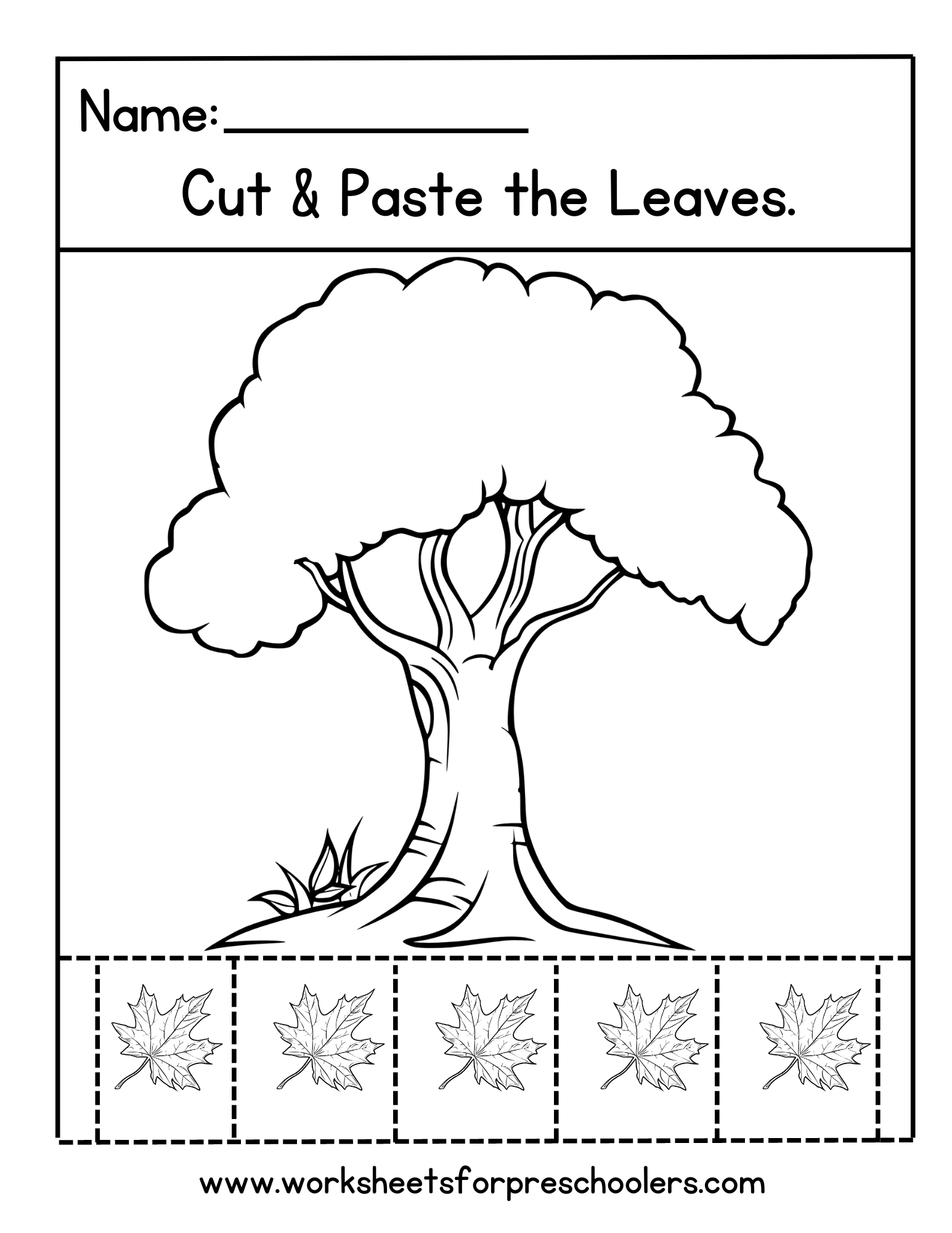
Cut And Paste Printables For Preschoolers are fantastic resources that not only entertain but also educate. These printables typically come in various formats that are easy to download and print, making them perfect for busy teachers and parents looking to engage preschoolers in hands-on learning activities. With colorful designs and simple instructions, these resources help develop fine motor skills, enhance creativity, and encourage cognitive development in young children.
Understanding the Value of Cut And Paste Printables
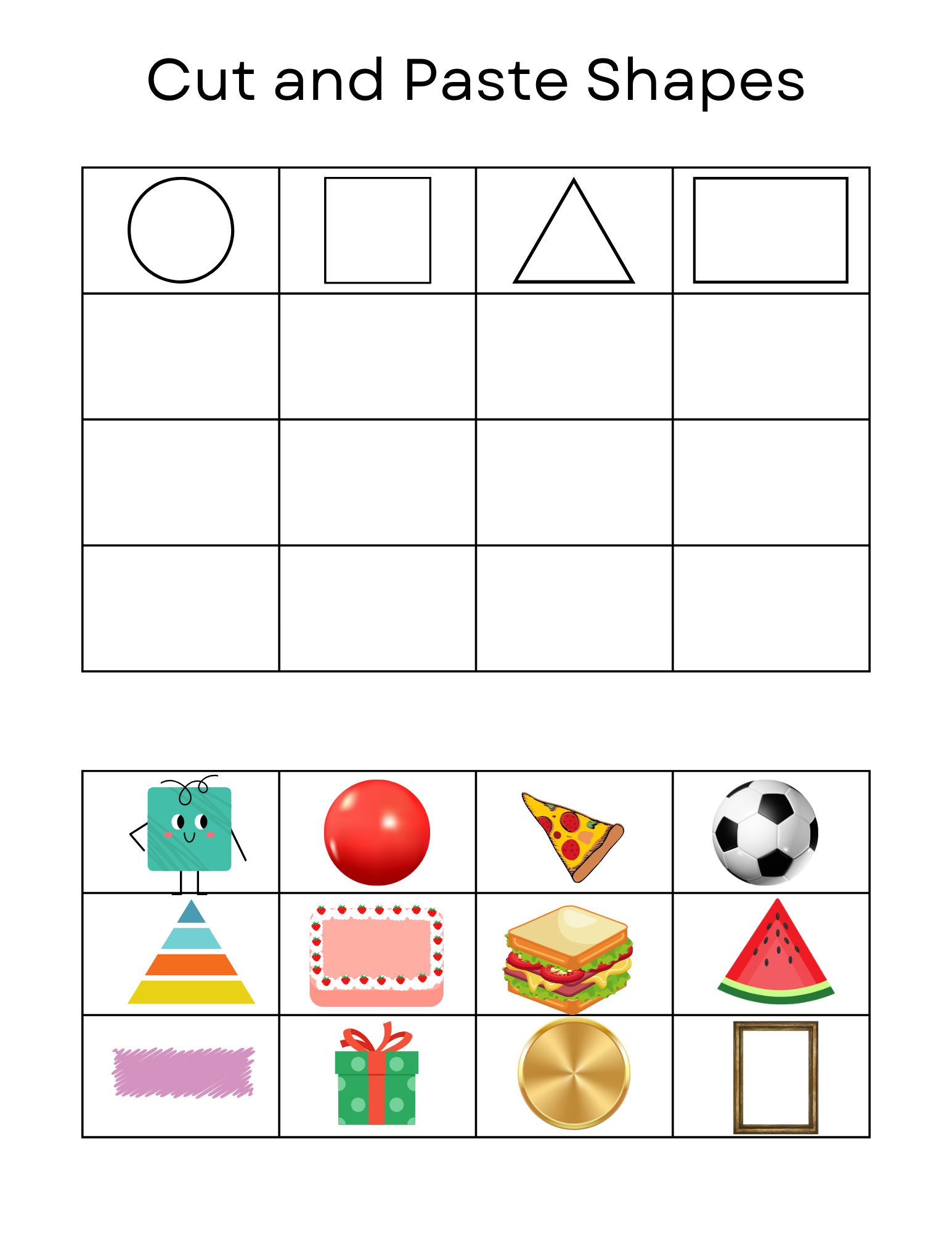
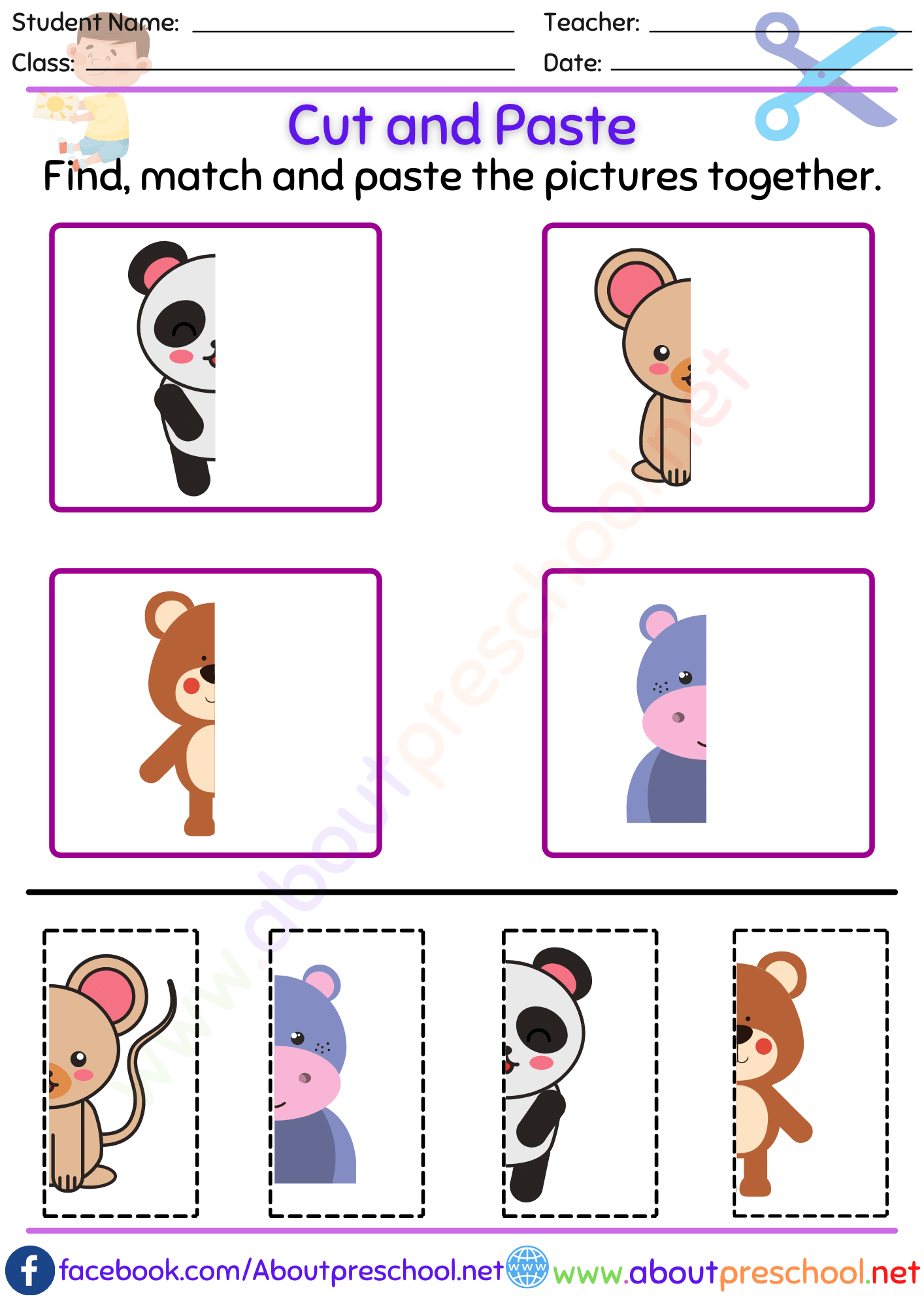
Cut and paste activities offer preschoolers a chance to practice essential skills in a fun way. These printables can include anything from animals and shapes to seasonal themes. Engaging students in these activities allows them to work on their hand-eye coordination and dexterity. As they cut and paste, children also learn about spatial awareness and improve their concentration.
How to Choose the Right Printables
When selecting Cut And Paste Printables For Preschoolers, consider the following factors:
- Age Appropriateness: Ensure the complexity of the printables matches the developmental level of your students. Simple shapes and large pieces are ideal for younger preschoolers, while slightly more complex designs can challenge older children.
- Educational Goals: Think about what skills you want to reinforce. Some printables may focus on colors, while others might emphasize numbers or letters.
- Theme and Engagement: Choose printables that align with current classroom themes or the interests of your students. For instance, if you’re discussing animals, look for printables featuring different animal shapes.
Downloading and Printing Your Resources
Once you’ve chosen your desired printables, it’s time to download and print them. Most resources will be available in PDF format, which is easy to handle. Here are some tips for successful printing:
- Paper Size: Standard letter size (8.5 x 11 inches) works well for most printables. If your printer handles different sizes, consider using cardstock for durability, especially if the printables will be handled frequently.
- Printer Settings: Make sure to check the print settings. Portrait layout usually works best for most printables, and ensure the scaling option is set to “Actual Size” to avoid misalignments.
- Quality Check: Before printing a large number of copies, do a test print to ensure the colors are vibrant and the details are clear.
Setting Up the Activity
After printing, prepare the materials needed for the activity. Here’s a simple setup guide:
- Gather Supplies: You’ll need scissors, glue sticks, and the printables. Having a variety of colored paper can also add an extra layer of creativity.
- Create a Workspace: Set up tables with enough space for each child to work comfortably. Use table covers to protect surfaces from glue or markers.
- Instructions: Clearly explain the activity to the children. Demonstrate how to cut along the lines and encourage them to use glue to stick the pieces on their base paper.
- Encourage Creativity: Allow children to add their own touches, such as drawing backgrounds or using different colors for their cutouts. This not only boosts creativity but also keeps them engaged.
Integrating Learning With Fun
As children work on their Cut And Paste Printables, incorporate questions and discussions to further enhance their learning experience. For example:
- Ask Questions: While they’re cutting, ask them what colors they see or what shapes they’re creating. This encourages language development and critical thinking.
- Storytelling: After completing the activity, encourage children to create a short story about their cutouts. This fosters imagination and helps develop narrative skills.
- Group Sharing: Create opportunities for children to share their completed projects with the class. This can build confidence and help them practice public speaking.
Best Practices for Using Printables in the Classroom
Here are some best practices to keep in mind when using Cut And Paste Printables For Preschoolers:
- Supervision: Always supervise children while using scissors, especially if they are new to cutting. Offering safety scissors can provide added security.
- Limit Instructions: Keep verbal instructions simple and clear to avoid overwhelming them. Use visual aids whenever possible.
- Adapt for Individual Needs: Be prepared to assist children who may struggle with fine motor skills. Offering pre-cut pieces can help them participate in the activity without frustration.
- Follow Up: After the activity, consider following up with related activities such as sorting the cutouts or incorporating them into a larger project.
Resources for Finding Quality Printables
Finding the right Cut And Paste Printables For Preschoolers can feel overwhelming, but several reputable websites offer a plethora of options. Look for sites that specialize in educational resources, as they often curate high-quality materials. Here are a few suggestions:
- Teachers Pay Teachers: This platform has a wide variety of printables created by educators. You can find themed resources tailored for preschoolers.
- Education.com: Offers a range of printables that cover various subjects and skills, all designed for young learners.
- Pinterest: This is an excellent resource for discovering creative ideas and links to free printable resources from various blogs and educational sites.
Ultimately, Cut And Paste Printables For Preschoolers can become an essential part of your teaching toolkit. By selecting the right materials and integrating them thoughtfully into your lesson plans, you can create engaging, hands-on learning experiences that foster essential skills in young children.
One last tip: consider laminating the printables for repeated use. This not only preserves the materials but also allows for more extended engagement with the activities.