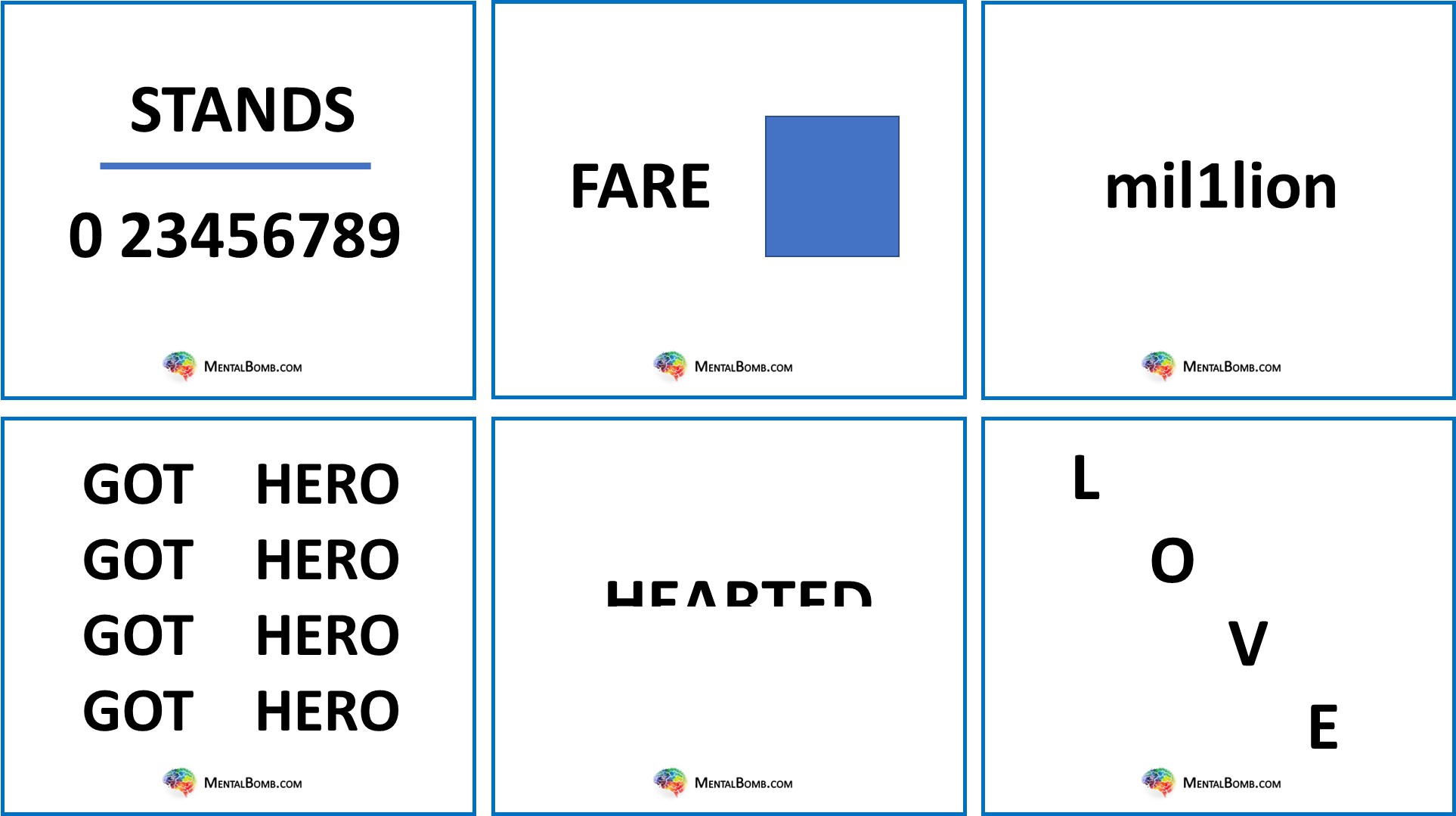
Rebus Puzzle 1 Square 2
Rebus puzzles are an engaging way to challenge students’ thinking and comprehension skills. The Rebus Puzzle 1 Square 2 is a particularly fun variant that can be easily incorporated into various teaching scenarios. This puzzle encourages critical thinking, creativity, and teamwork, making it an excellent resource for classrooms, homeschools, or family game nights. Let’s explore how to effectively use this resource, its ideal settings, and some creative ideas to keep the learning experience fresh and exciting.
Understanding Rebus Puzzles
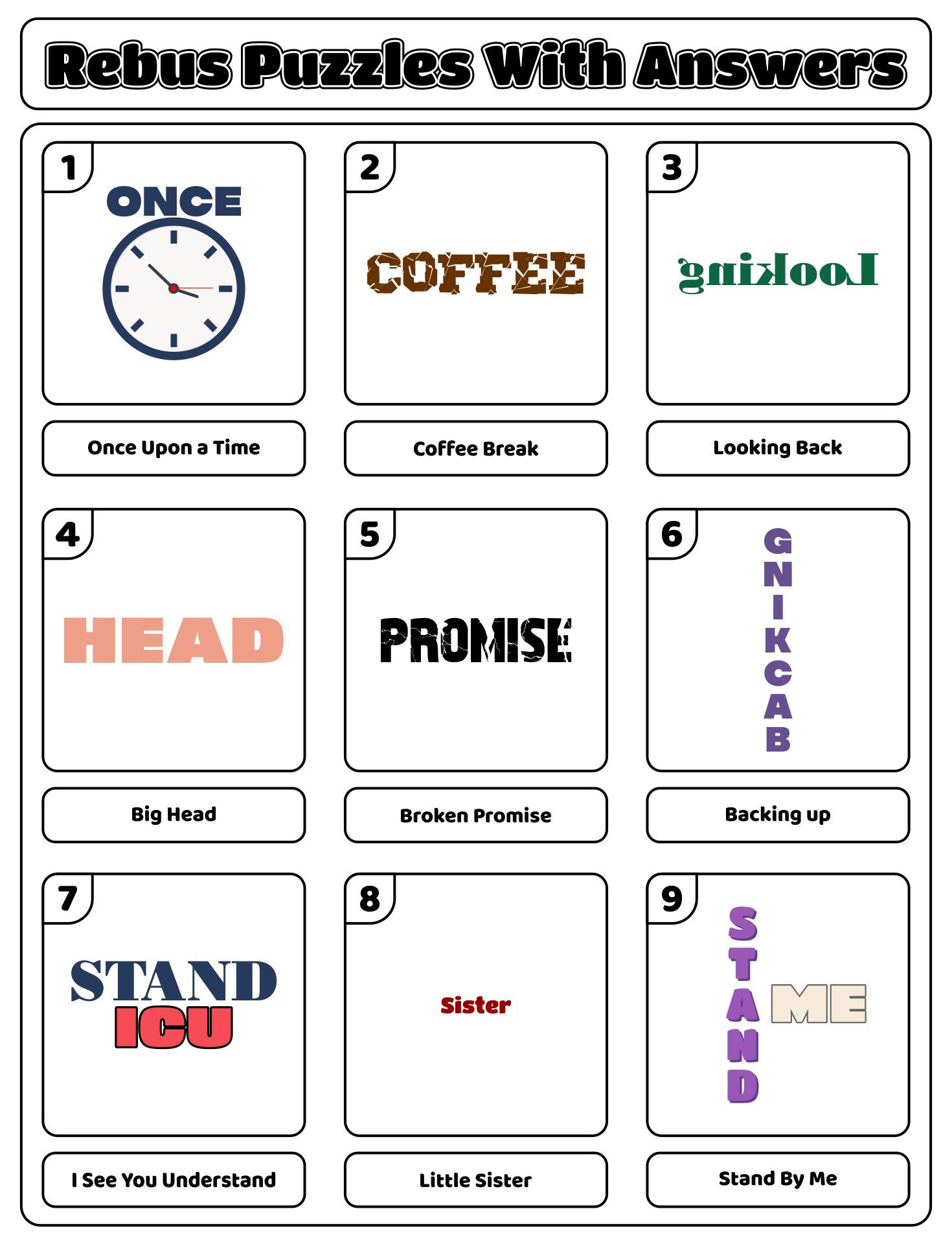
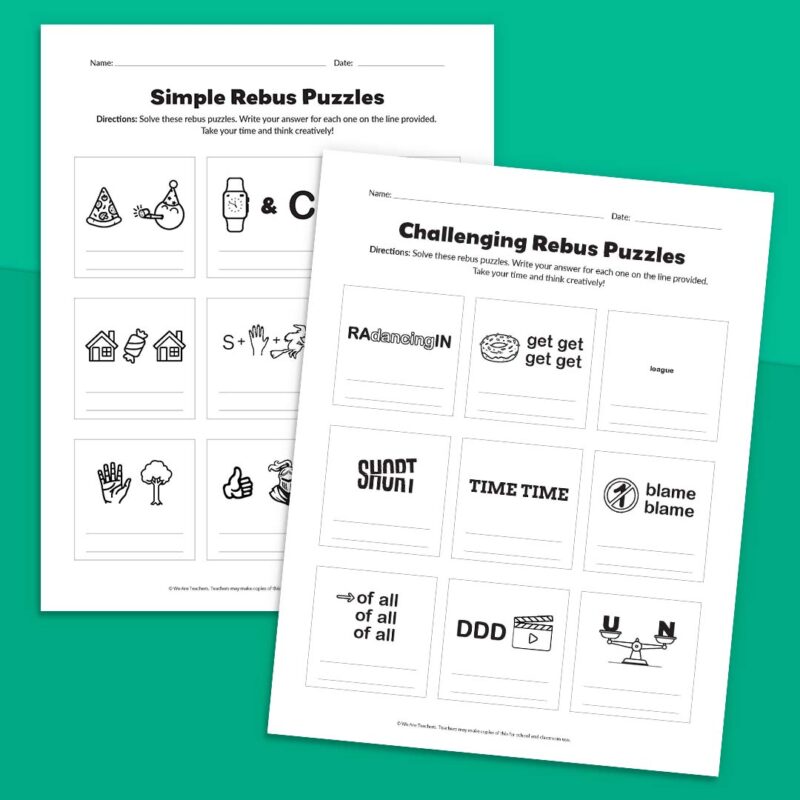
A rebus puzzle is a visual word game that uses pictures, symbols, or letters to represent words or phrases. For instance, in “Rebus Puzzle 1 Square 2,” the imagery is likely to depict the phrase “one square two.” This unique format encourages students to think outside the box and connect visual cues with verbal language. Rebus puzzles can be tailored to various age groups and skill levels, making them versatile educational tools.
How to Use Rebus Puzzle 1 Square 2 in the Classroom
In a classroom setting, Rebus Puzzle 1 Square 2 can be used in multiple ways:
- Group Activities: Divide students into small groups and provide each group with a copy of the puzzle. Encourage them to work together to decipher the rebus. This promotes teamwork and communication skills.
- Individual Challenges: For older students, consider using the puzzle as an individual assessment. You can gauge their understanding of language and problem-solving abilities.
- Warm-Up Exercises: Start the day with a rebus puzzle to get students thinking critically. It can serve as an engaging way to transition into more complex lessons.
- Incorporating Technology: If your classroom has access to tablets or computers, consider using digital formats of the rebus puzzles. Students can interact with the puzzles in different ways, such as dragging and dropping elements to form the answer.
Setting Up the Activity
Preparation for using Rebus Puzzle 1 Square 2 is straightforward and quick. Here are some tips for a smooth setup:
- Materials Needed: All you need is a printed copy of the puzzle for each student or group. If you’re working with younger children, consider printing on cardstock for durability.
- Print Settings: Use standard A4 or letter-sized paper for easy printing. If you plan to laminate the puzzles for reuse, cardstock is a great option.
- Time Management: Allocate about 15-30 minutes for the activity, depending on the students’ age and familiarity with rebus puzzles. This timeframe allows for group discussion and sharing of answers.
Difficulty Levels and Replayability
Rebus puzzles can be adjusted in difficulty to suit different grade levels:
- Younger Students (Grades K-3): Use simpler images and phrases that they are likely to recognize. A rebus for “dog” might include a picture of a dog and the letter “B” to represent “be.”
- Older Students (Grades 4-8): Challenge them with more complex phrases that require deeper thinking. A rebus for “time flies” could use an image of a clock and a fly.
To keep the activity fresh and engaging, consider rotating different rebus puzzles regularly. You can create themed puzzles around holidays, subjects, or current events, tapping into students’ interests.
Incorporating Rebus Puzzles at Home
Rebus Puzzle 1 Square 2 isn’t just for the classroom; it can also be a fun family activity at home. Here are a few ideas on how to do this:
- Family Game Night: Include the rebus puzzle as part of a larger game night. It can act as a warm-up before other games or as a standalone challenge.
- Daily Brain Teasers: Post a new rebus puzzle on the fridge or family board each day. Encourage family members to solve it over breakfast or dinner.
- Learning Through Play: Use the rebus puzzles to reinforce vocabulary or concepts your children are currently learning. For example, if they are studying animals, create rebuses that relate to that theme.
Enhancing the Learning Experience
To maximize the educational impact of Rebus Puzzle 1 Square 2, consider these additional tips:
- Discussion Prompts: After solving the puzzles, facilitate a discussion about the strategies used to decipher the clues. This helps students articulate their thought processes.
- Creative Expression: Encourage students to create their own rebus puzzles after completing a few. This not only reinforces their understanding but also allows them to express their creativity.
- Cross-Curricular Connections: Use rebus puzzles to connect language arts with visual arts or even math. For example, a rebus that incorporates numbers can help reinforce math skills in a fun way.
By incorporating Rebus Puzzle 1 Square 2 into your teaching or home activities, you can create an engaging environment that fosters critical thinking and collaboration. Whether used in groups or individually, these puzzles are a practical tool that can be adapted to various learning settings and age groups.
With a little creativity, you can turn a simple rebus puzzle into a memorable educational experience that students will look forward to solving again and again.