Homework For 4 Year Olds
When it comes to Homework For 4 Year Olds, teachers often face the challenge of creating tasks that are both engaging and educational. Children at this age are developing their fine motor skills, language abilities, and early math concepts. The right homework resources can make a significant difference in their learning experience. This guide will explore various printable resources designed specifically for this age group, including worksheets, templates, and coloring pages, and how to effectively incorporate them into your teaching routine.
Understanding the Needs of 4-Year-Olds
Before diving into specific resources, it’s essential to understand the developmental stage of 4-year-olds. At this age, children are typically curious and eager to learn, but they also have shorter attention spans. Homework should be designed to be short, interactive, and fun. Engaging them in activities that promote learning while keeping their attention is key.
For instance, consider using worksheets that incorporate colorful images or activities that involve physical movement. Such resources can hold their interest longer than traditional homework formats.
Engaging Worksheets for Early Learners
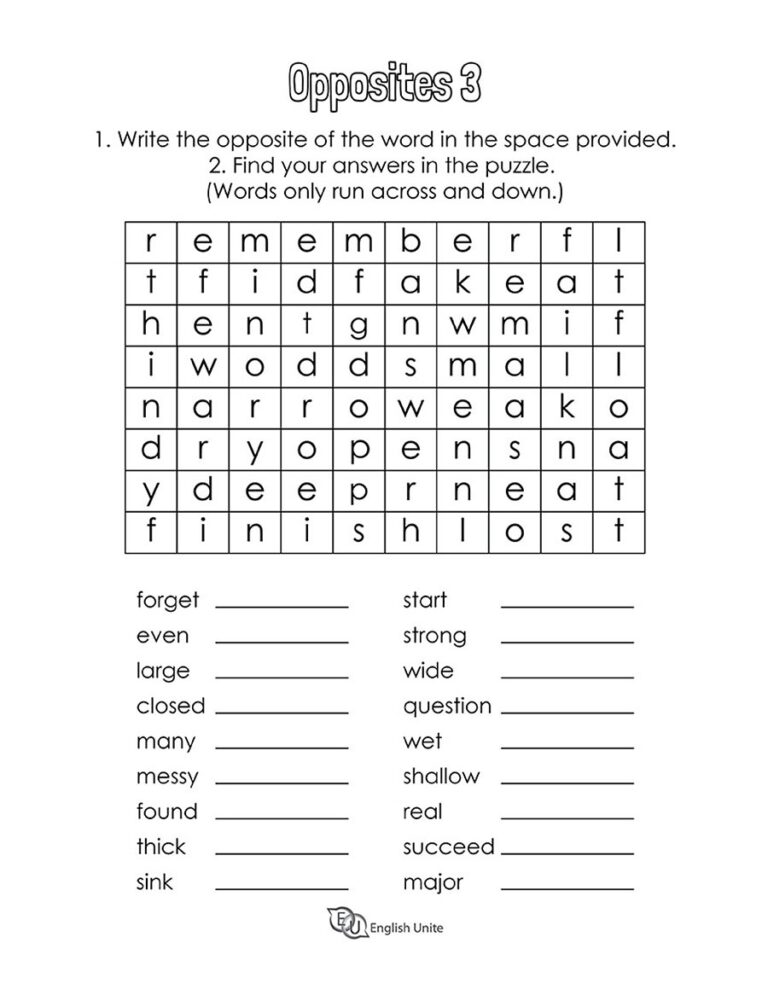
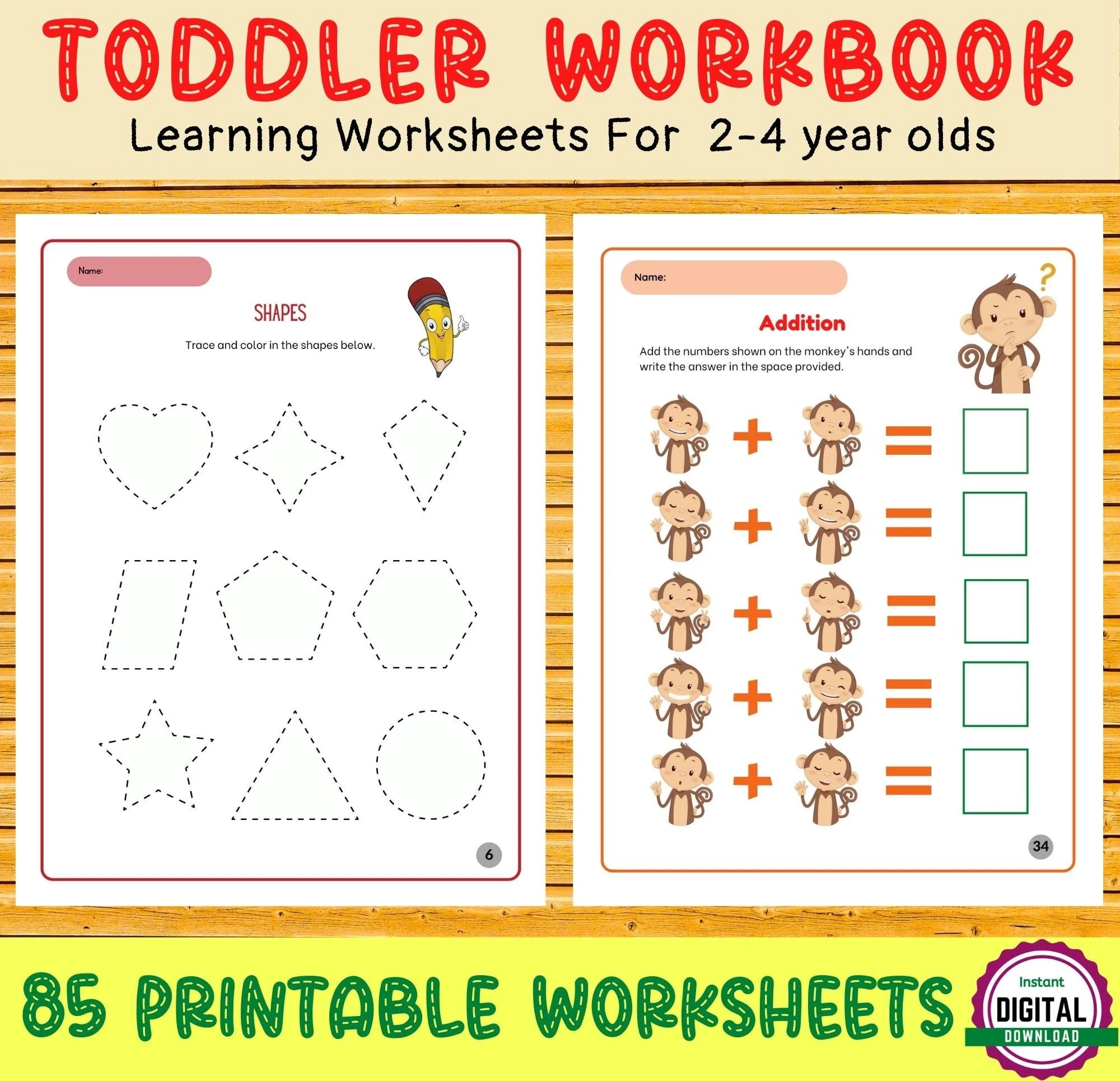
Worksheets designed for 4-year-olds should focus on basic skills such as counting, letter recognition, and shape identification. Here’s how to make them effective:
- Colorful Designs: Bright colors and fun illustrations can attract a child’s attention. Look for worksheets that use visuals to reinforce learning concepts.
- Simple Instructions: Ensure that instructions are straightforward and easy to follow. Use clear language and limit the number of tasks on a single sheet to avoid overwhelming them.
- Interactive Elements: Incorporate activities that require children to color, cut, or paste. These hands-on tasks can make learning more engaging.
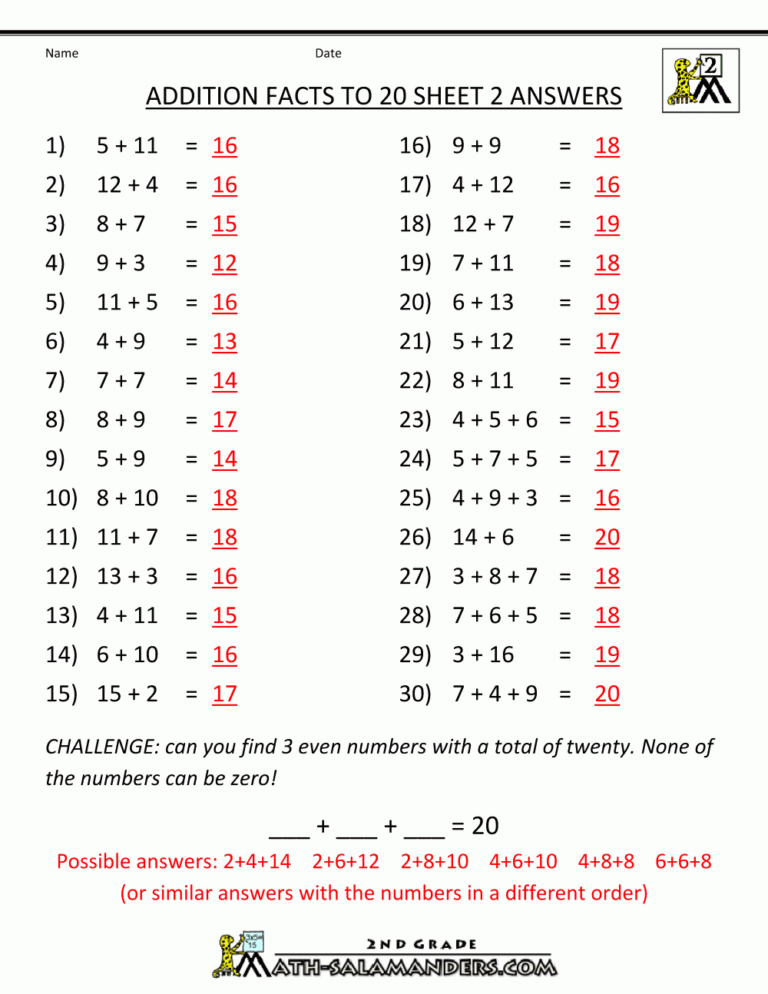
For example, a worksheet might include a simple counting exercise where children count apples in a picture and write the number next to it. This combines counting practice with visual learning.
Printable Coloring Pages to Reinforce Learning
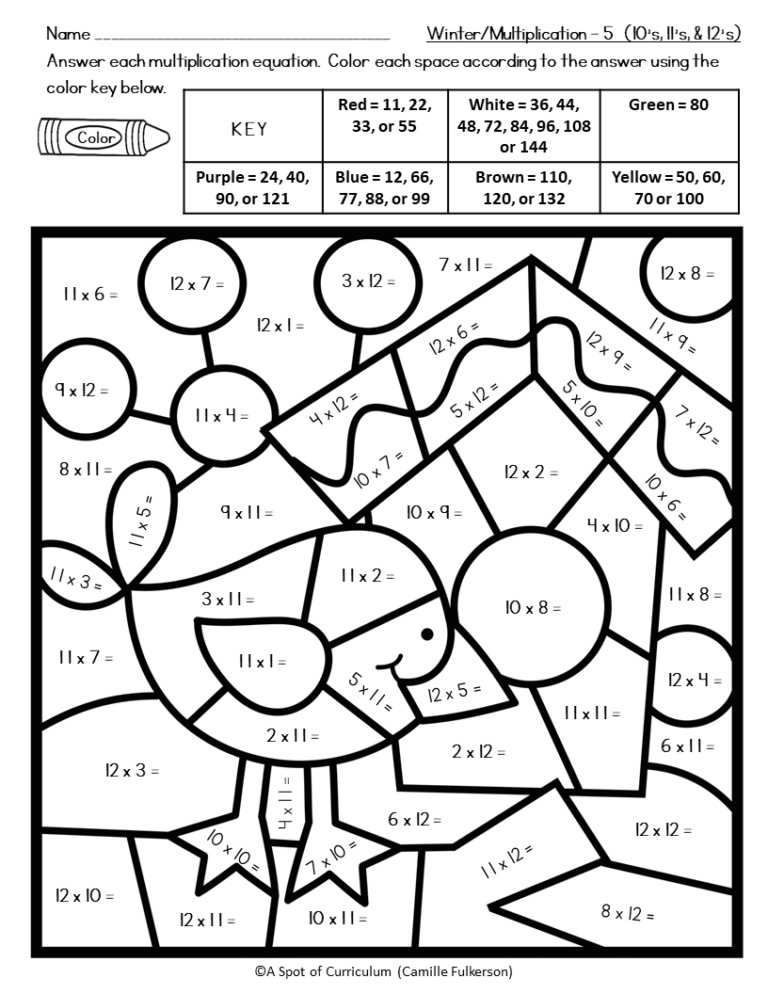
Coloring pages are an excellent resource for Homework For 4 Year Olds. They not only allow children to express their creativity but also reinforce concepts learned in class. Here are some tips for using coloring pages effectively:
- Thematic Relevance: Choose coloring pages that relate to what children are learning in class. For instance, if they are learning about animals, provide coloring pages of different animals along with fun facts about each.
- Incorporate Learning: Use coloring pages as a way to introduce new vocabulary. As children color, discuss the colors, shapes, and characteristics of the objects on the page.
- Encourage Sharing: Have children share their completed coloring pages with classmates or family members. This can foster a sense of pride and encourage discussion about what they learned.
Examples of Effective Coloring Pages
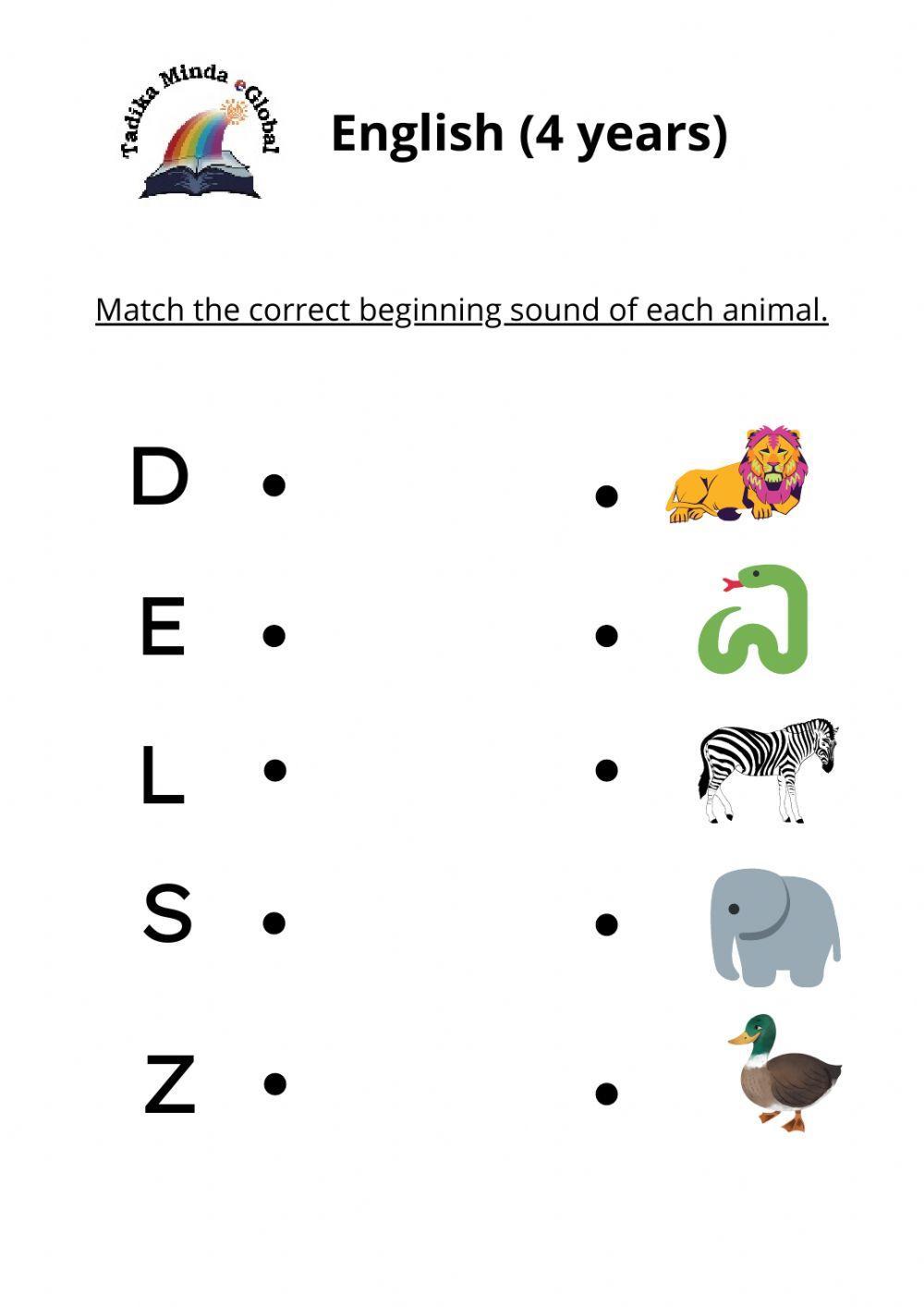
You can find printable coloring pages that include letters, numbers, and shapes, along with illustrations that correspond to various themes. For instance, a page featuring the letter “A” could have an apple to color, combining letter recognition with a fun activity.
Templates and Planners for Organization
Organization is crucial for young learners and their families. Homework templates and planners can help establish a routine, making homework feel less daunting. Here’s how to implement them:
- Weekly Homework Planner: Create a simple weekly planner that outlines what subjects or activities to focus on each day. This can help children anticipate what’s coming next and prepare accordingly.
- Goal Setting Templates: Encourage children to set small, achievable goals for their homework. For instance, a template might have space for them to write down what they want to learn or accomplish by the end of the week.
- Parent Communication: Include a section for parents to provide feedback or notes about their child’s progress. This can facilitate communication between teachers and families, ensuring everyone is on the same page.
Integrating Homework Into Daily Routines
Incorporating homework into daily routines can help children view it as a natural part of their day rather than a chore. Here are some practical ways to do this:
- Set a Consistent Time: Establish a specific time each day for homework. This helps children understand that it’s a regular part of their schedule.
- Create a Homework Space: Designate a quiet and organized area for homework. This can be a small table or desk where children have all their supplies readily available.
- Use Rewards: Consider implementing a reward system for completing homework. Simple rewards like stickers or extra playtime can motivate children to engage with their tasks.