Trace And Write The Alphabet
To effectively teach young learners how to trace and write the alphabet, providing structured worksheets is essential. These worksheets promote letter recognition, fine motor skill development, and handwriting practice. Each worksheet typically features a clear layout that guides students through the tracing process, making it easier for them to learn the correct letter formation.
Understanding the Layout of Trace and Write Worksheets
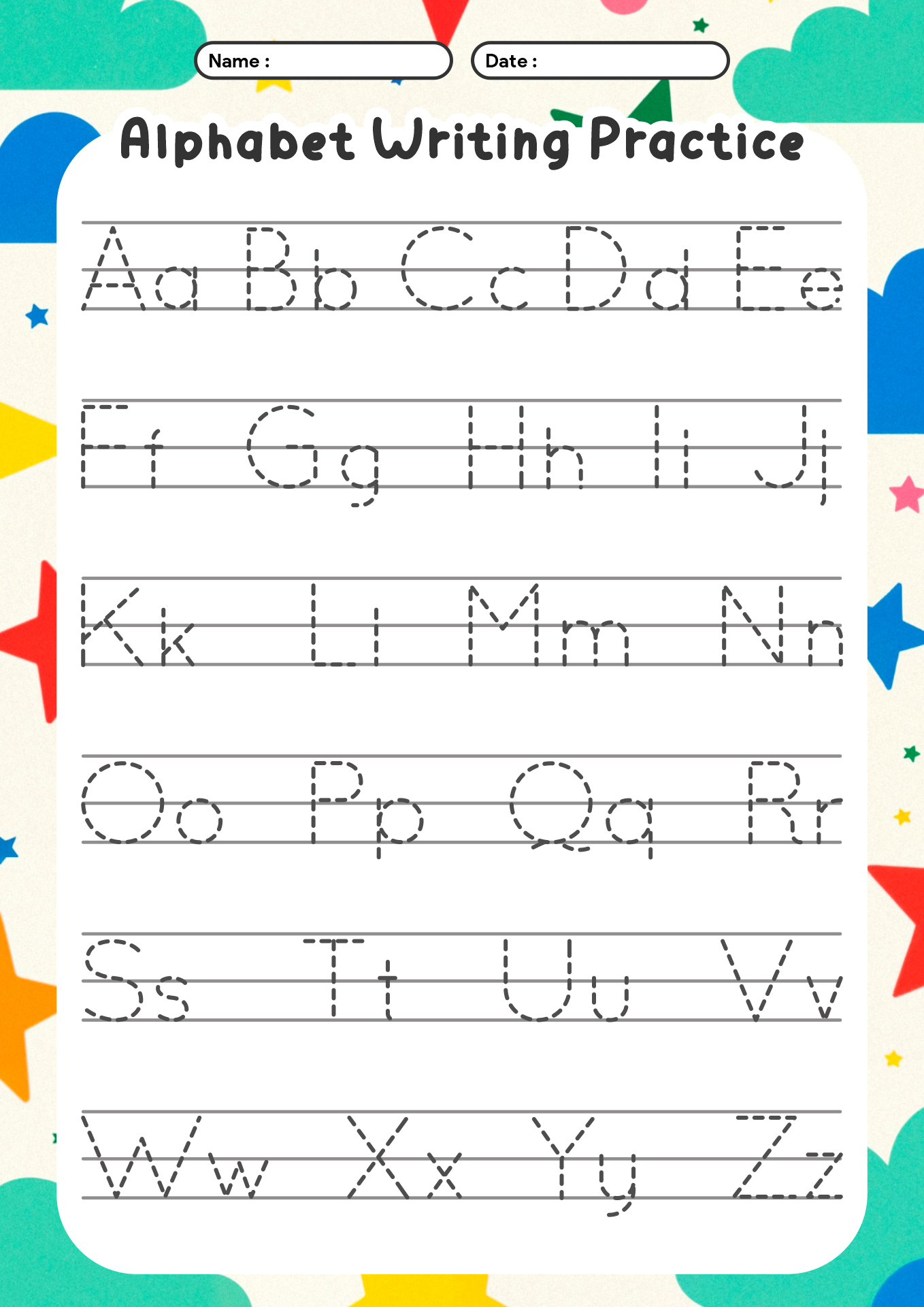
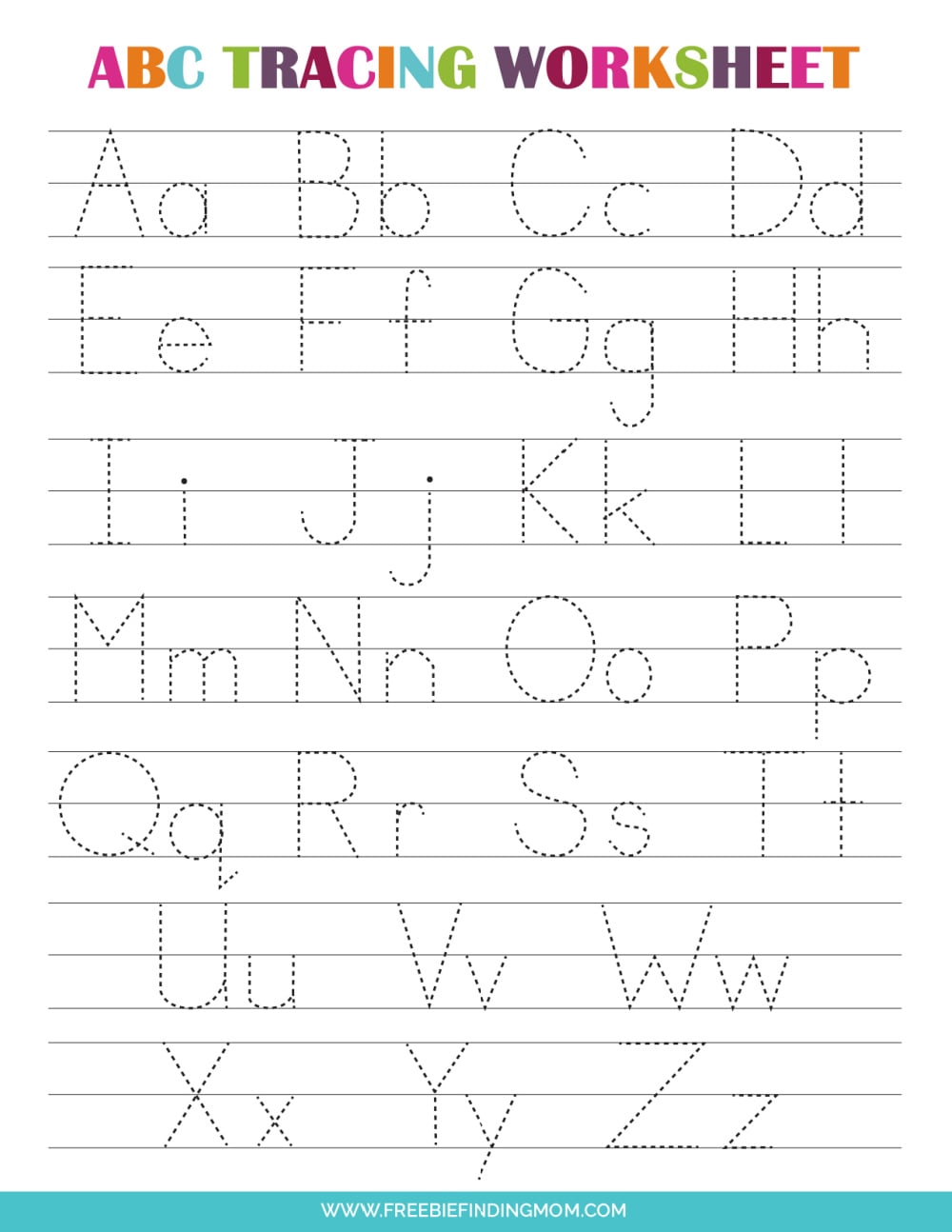
When you look at a typical trace and write the alphabet worksheet, you’ll notice a consistent structure that helps facilitate learning. Each page usually includes:
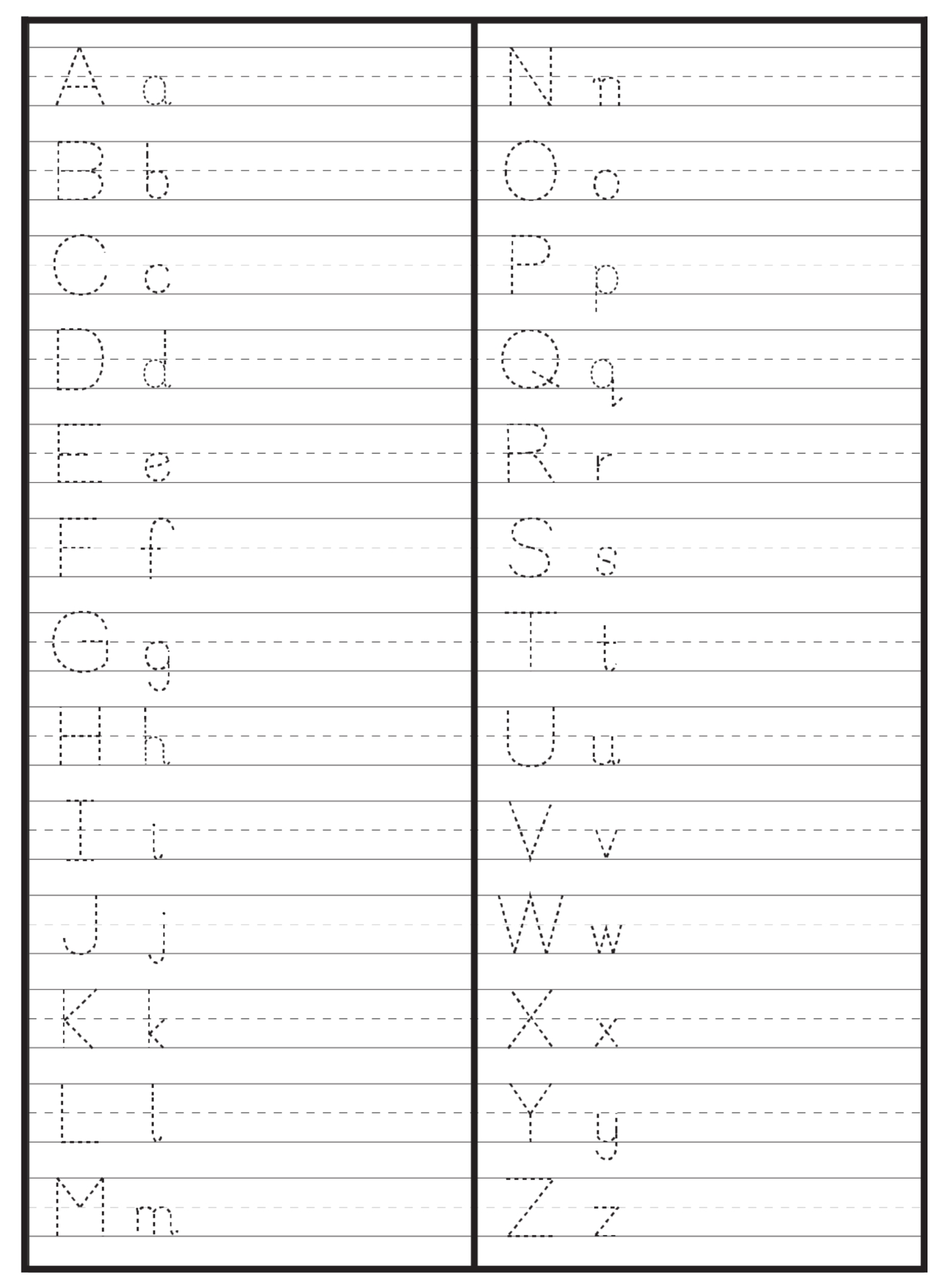
- Large, dotted letters: These are often in both uppercase and lowercase forms. The dotted format allows children to trace over the letters, reinforcing their shape and structure.
- Guided lines: Many worksheets feature lines that help children understand where to start and stop when writing each letter. This is crucial for developing good writing habits.
- Illustrations: Some worksheets include images that start with the corresponding letter, linking visual recognition with letter formation.
This thoughtful design helps to break down the task into manageable steps, making it less overwhelming for young learners.
Age Appropriateness and Ideal Usage
Trace and write worksheets are typically designed for preschool and kindergarten students, generally aged 4 to 6 years. However, they can also be beneficial for older children who may need additional practice. These worksheets can be used in various educational settings:
- Classrooms: Teachers can incorporate them into literacy centers or use them as part of a dedicated handwriting lesson.
- Homeschooling: Parents can use these resources to supplement their child’s learning at home, ensuring they grasp the fundamentals of writing.
- After-school programs: Educators can employ these worksheets during tutoring sessions to provide targeted support.
Spacing and Repetition for Effective Learning
One of the most effective strategies in teaching young learners is spacing out practice over time. Instead of overwhelming students with a single session of tracing all 26 letters, consider spreading the practice across multiple days or weeks. For example, you might dedicate one day to letters A through E, another to F through J, and so on. This repetition is vital for retention and mastery.
Sample Weekly Plan
- Day 1: Trace and write letters A, B, C
- Day 2: Trace and write letters D, E, F
- Day 3: Review letters A through F with a fun activity
- Day 4: Trace and write letters G, H, I
- Day 5: Trace and write letter J
- Day 6: Review with a fun game that incorporates all letters learned
- Day 7: Free writing or a creative activity using the letters
This structured approach allows students to absorb the material gradually while avoiding burnout.
Tips for Maximizing Engagement
To keep students motivated and engaged while they practice writing the alphabet, consider the following strategies:
- Incorporate colors: Encourage students to use colored pencils or markers when tracing letters. This not only makes the activity more enjoyable but also enhances their fine motor skills.
- Use themed worksheets: Look for worksheets that include seasonal or holiday themes. This can make tracing letters feel more relevant and exciting to children.
- Combine with games: Pair the worksheets with interactive games that reinforce letter recognition. For instance, you can play a matching game using letter flashcards alongside the tracing activities.
Downloadable Resources and Accessibility
Many printable resources are available online for teachers and parents looking to find trace and write the alphabet worksheets. These resources often come in PDF format, which is convenient for printing. Here are a few key features to look for:
- High-quality graphics: Ensure that the worksheets are clear and easy to read when printed. Poor quality can lead to frustration during the tracing process.
- Variety in styles: Look for worksheets that offer different styles of letters, such as cursive or print, to accommodate various learning preferences.
- Flexible page designs: Some worksheets may include blank lines for students to practice independently after tracing, providing a comprehensive approach to learning.
When searching for these resources, utilize specific terms like “printable trace and write the alphabet worksheets” to find exactly what you need.
Using trace and write the alphabet worksheets is an excellent way to support young learners in mastering their letters. The thoughtful layout, age-appropriate design, and focus on repetition make these resources invaluable. Remember to keep the activities engaging and varied to maintain student interest and enhance their learning experience.