Math Assignments For 2nd Graders
Math assignments for 2nd graders can be a fantastic tool for reinforcing essential math skills while keeping the learning process fun and interactive. These resources typically come in a variety of formats, including worksheets, planners, and forms, designed specifically for young learners. When you have these printable resources at your fingertips, you can easily track progress and ensure students are mastering key concepts.
Understanding the Layout of 2nd Grade Math Assignments
When selecting math assignments for 2nd graders, it’s important to pay attention to the layout and design of the materials. A well-structured worksheet typically includes clear sections that guide students through the tasks. Look for assignments that have:
- Title and Instructions: Each worksheet should start with a clear title and concise instructions. This helps students understand what is expected of them right away.
- Space for Answers: Ensure there is ample room for students to write their answers. Ideally, the answer boxes should be large enough to accommodate 2nd graders’ handwriting.
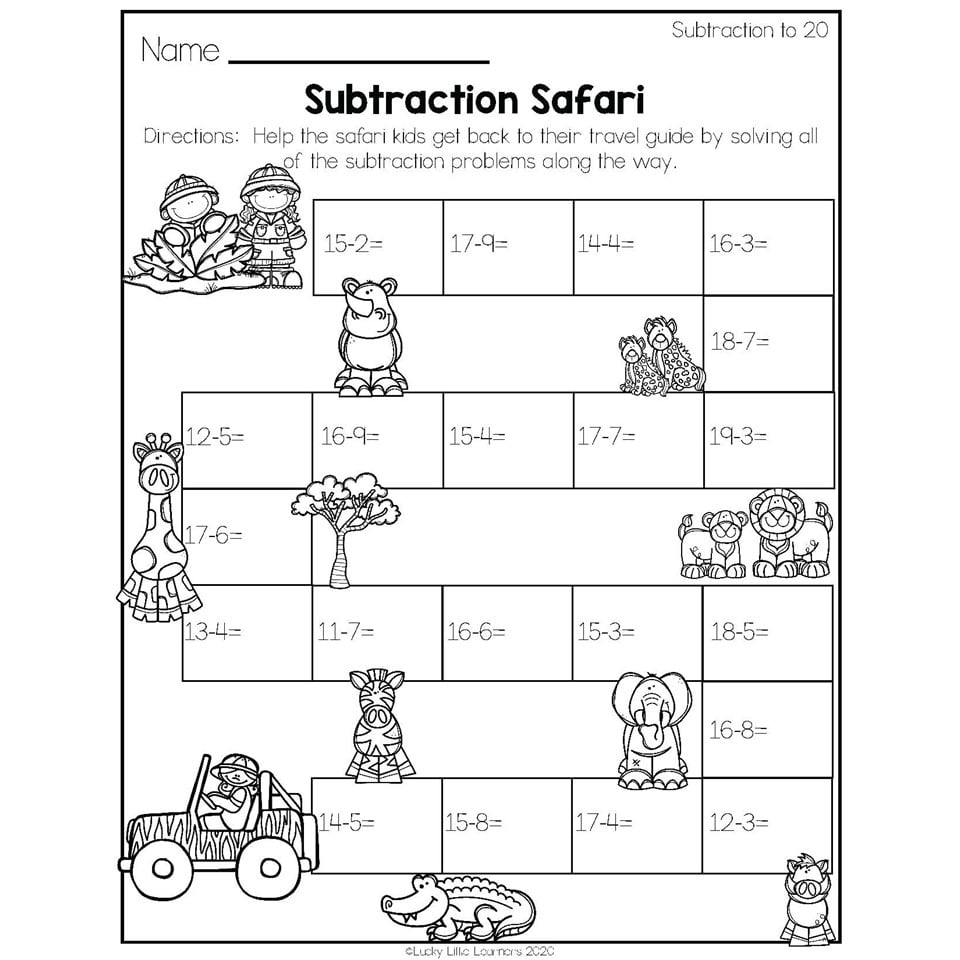
- Visual Aids: Incorporating images or diagrams can help students visualize the problems. For example, a worksheet on addition might include pictures of apples to illustrate the concept of adding quantities.
These layout choices make it easier for students to focus on the math problems without feeling overwhelmed by cluttered pages.
Types of Math Assignments for 2nd Graders
There are several types of math assignments suitable for 2nd graders, each targeting different skills. Here are some popular formats you might consider:
Worksheets
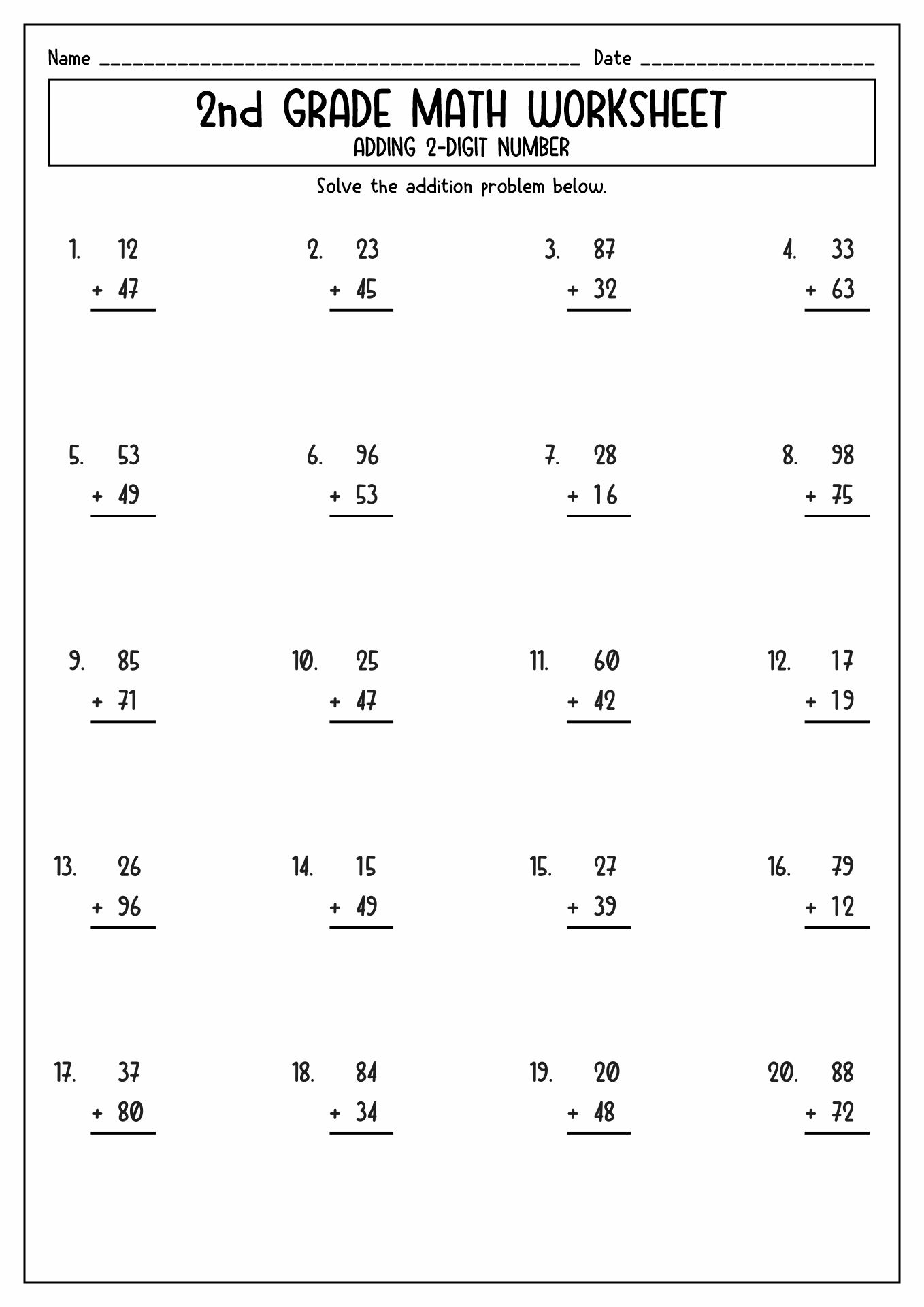
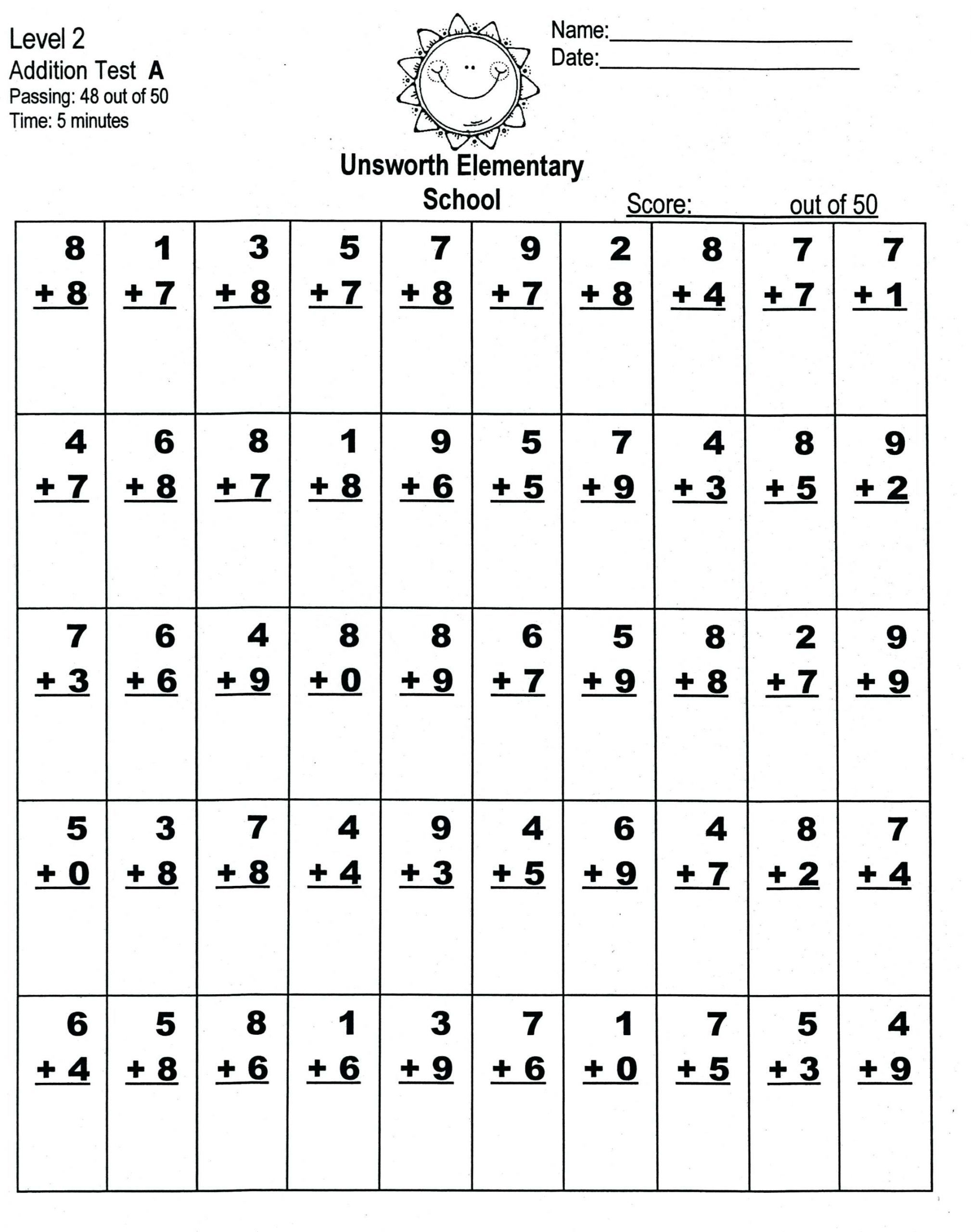
Worksheets are perhaps the most common type of math assignment. They can cover various topics such as:
- Addition and Subtraction: Basic problems that help students practice their arithmetic skills.
- Word Problems: These assignments encourage critical thinking by presenting math in real-life contexts.
- Measurement and Geometry: Worksheets that introduce concepts like perimeter and area using simple shapes.
Planners
Math planners can be a useful resource for organizing assignments over a longer period. A planner might include a monthly overview of what math topics will be covered and can help track students’ progress. You could include:
- Weekly Goals: Set specific objectives for each week, such as mastering addition facts or understanding place value.
- Checklists: Include a checklist of topics to cover, which helps students stay on track.
Coloring Pages
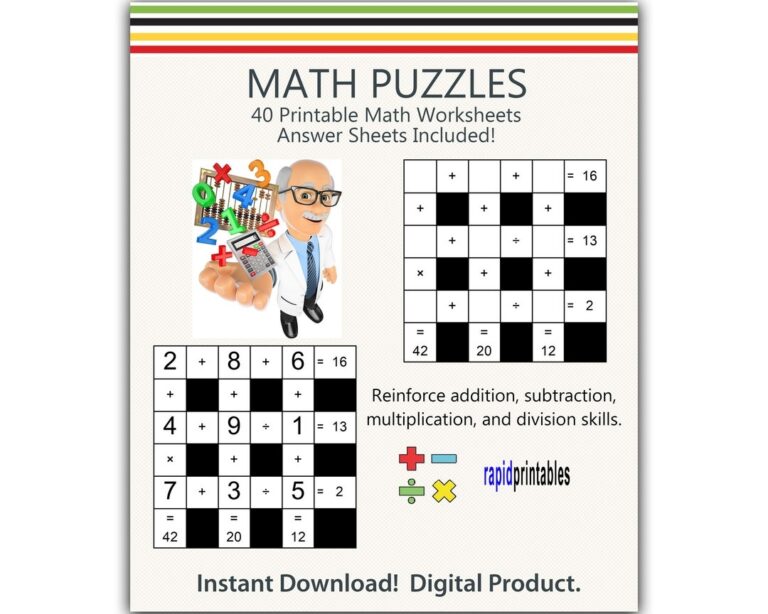
Integrating coloring pages into math assignments can make learning more enjoyable. For example, a coloring page that requires students to color sections based on the answers they calculate can combine creativity with learning. This method can be especially engaging for visual learners.
Downloading and Printing Resources
When you find math assignments for 2nd graders that you’d like to use, downloading and printing them correctly is crucial. Here are a few tips to ensure the resources are ready for classroom use:
- PDF Format: Most printable resources come in PDF format, which preserves the layout and design. This format is ideal for printing as it minimizes reformatting issues that can occur with image files.
- Paper Size: Standard letter size (8.5 x 11 inches) works best for most home and classroom printers. If you’re using specialized paper or cardstock, make sure your printer settings are adjusted accordingly.
- Print Settings: Always check your printer settings to ensure you’re using the best quality for your printouts. High-quality settings will make text and images clearer, which is especially important for young learners.
Tracking Progress With Math Assignments
One of the key benefits of using printable math assignments is the ability to track student progress effectively. Here’s how you can do this:
- Regular Assessment: Use the assignments as a way to assess students’ understanding of various math concepts. After completing a worksheet, review the answers together in class.
- Progress Charts: Create a simple chart to track which topics students have mastered. This visual representation can motivate students to see their progress over time.
- Feedback: Provide constructive feedback on assignments. Highlight what students did well and where they can improve. This helps them understand their learning journey and encourages them to keep trying.
By actively tracking progress, you can identify areas where students may need additional support or enrichment.
Engaging Math Assignments for Different Learning Styles
Every student learns differently, and it’s important to cater to various learning styles when selecting math assignments. Here are some strategies:
- Kinesthetic Learners: Hands-on activities, such as using manipulatives like blocks or counters, can complement printed assignments. These learners benefit from physically engaging with math concepts.
- Auditory Learners: Incorporate verbal instructions or math games that involve listening. You might pair worksheets with group discussions about the problems.
- Visual Learners: Use colorful and visually appealing worksheets that incorporate graphics and charts. This can help these students retain information better.
By recognizing and accommodating different learning styles, you can enhance the effectiveness of your math assignments.
Incorporating well-designed Math Assignments For 2nd Graders into your teaching toolkit can significantly enhance student engagement and learning outcomes. With clear layouts, various types of assignments, and effective tracking methods, these resources can transform how young learners approach math.