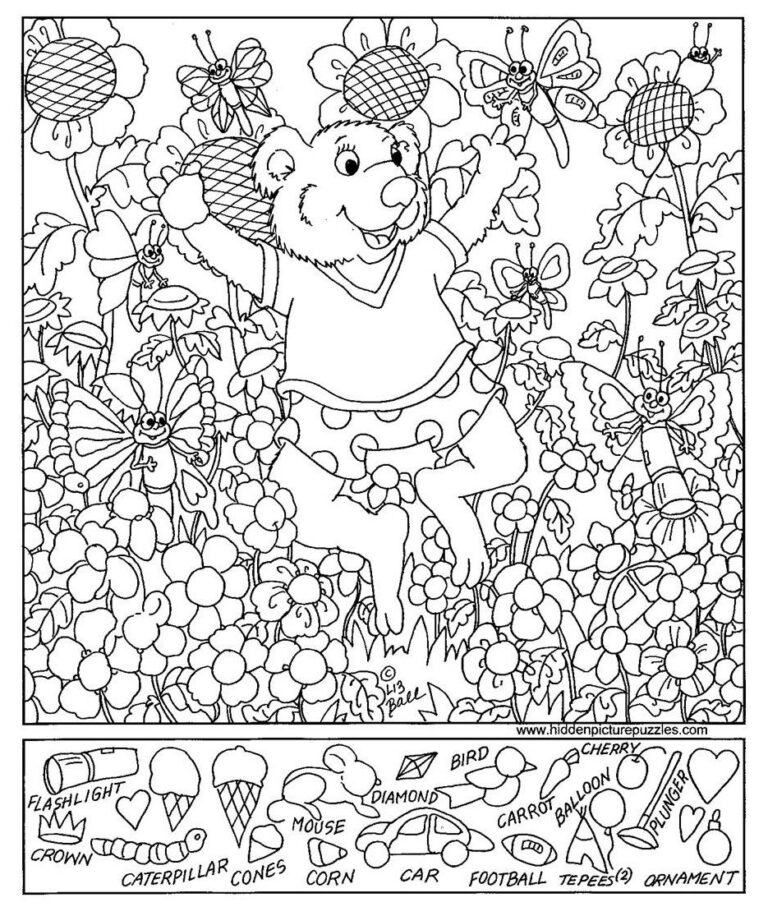
Find The Words Game Online
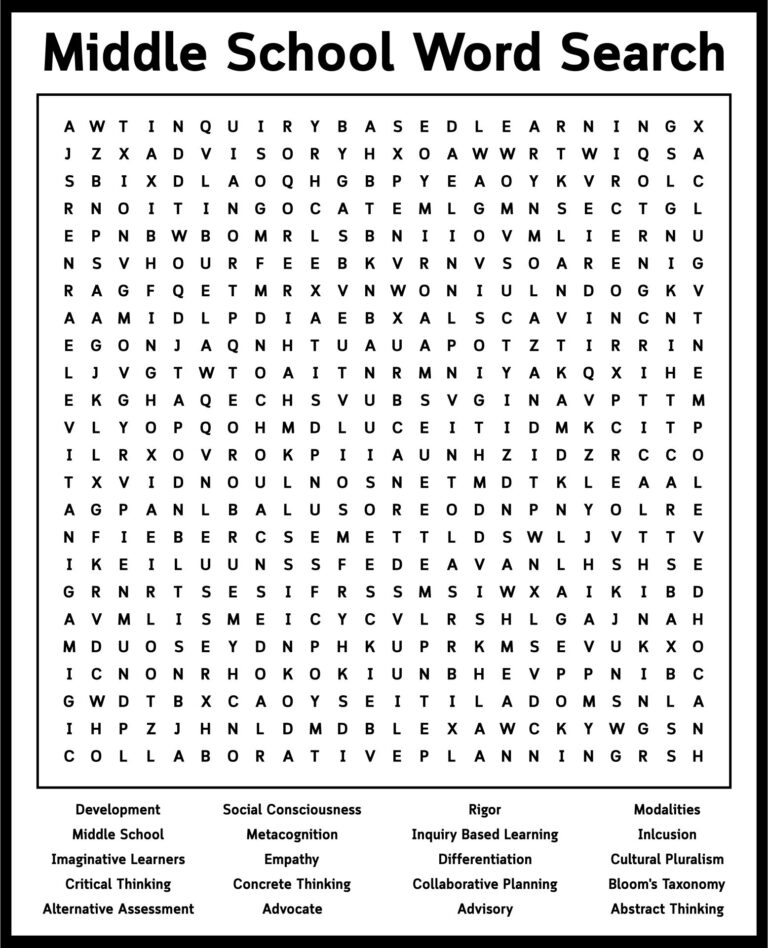
The Find The Words Game Online is an engaging and educational tool designed to enhance vocabulary and spelling skills among children. This interactive game can be utilized in various settings, making it a versatile resource for teachers and parents alike. With its focus on word recognition and problem-solving, it offers a fun way to reinforce learning in the classroom or at home.
Understanding the Game Mechanics
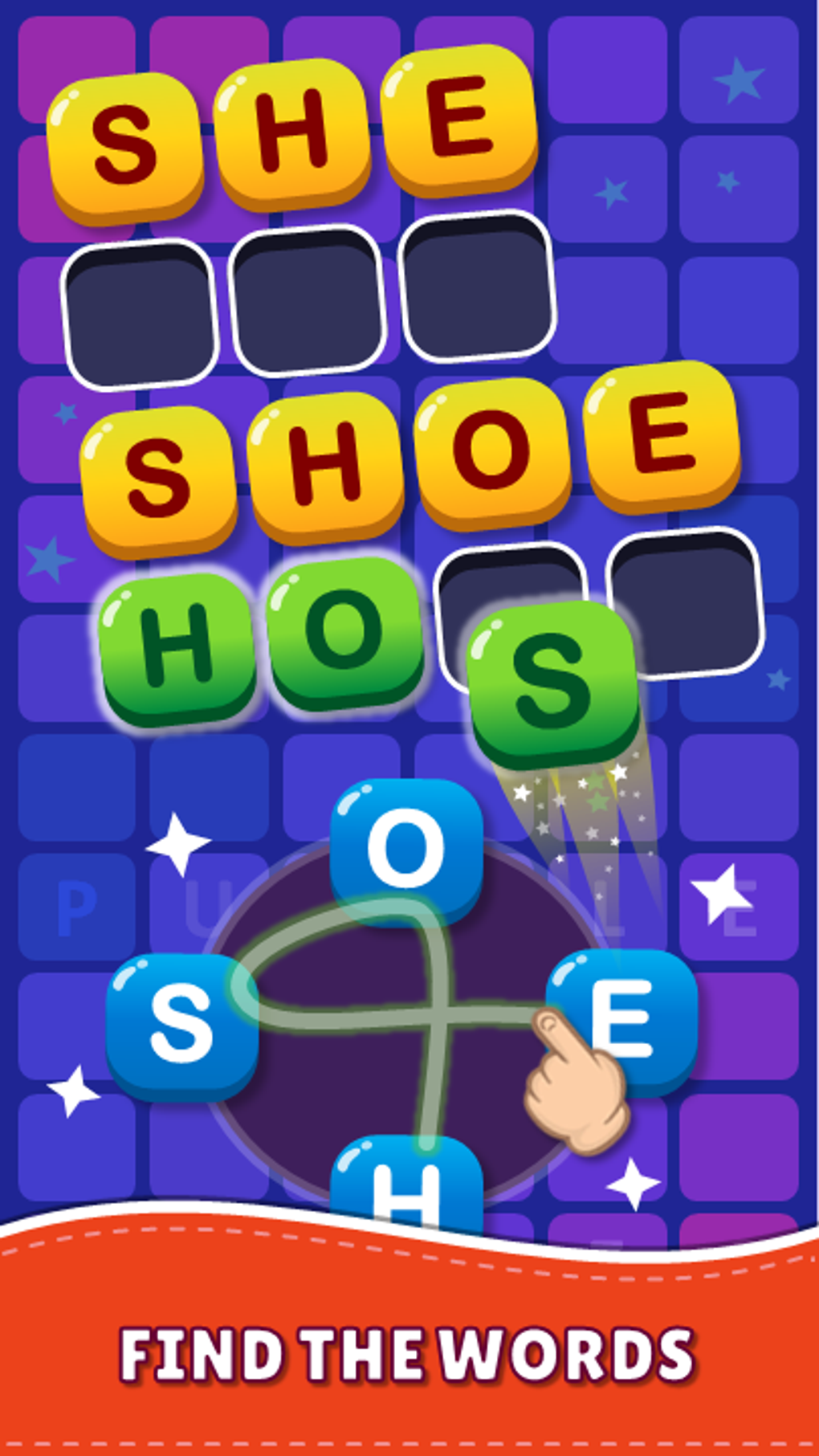
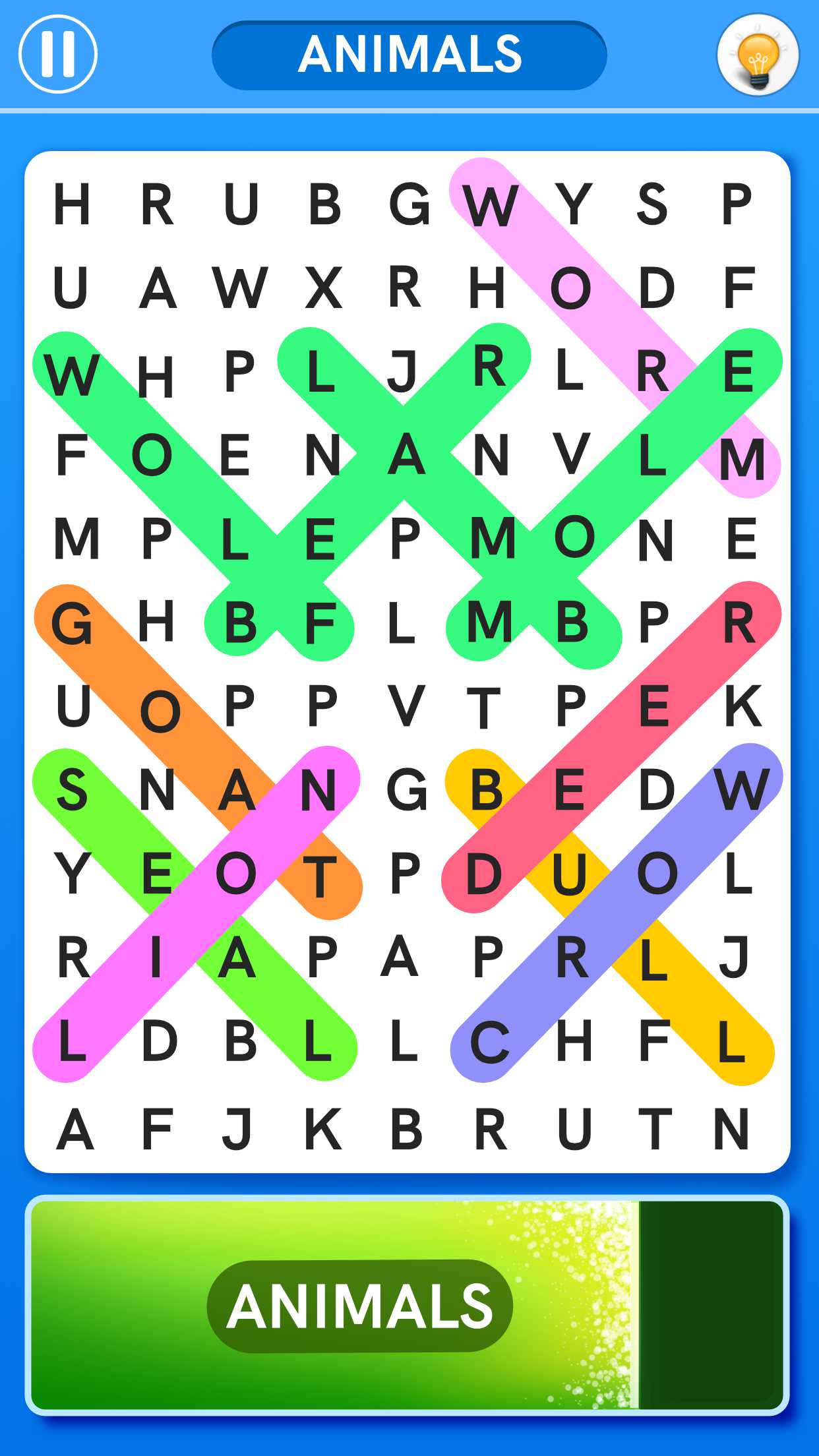
In the Find The Words Game Online, players are presented with a grid filled with letters. The objective is to locate and highlight specific words hidden within the jumble. The game often features a variety of themes, which can range from animals and nature to everyday objects and actions. This thematic approach not only keeps the game interesting but also allows for tailored educational purposes.
To start playing, simply access the game on a compatible device, whether it’s a computer, tablet, or smartphone. The game typically includes a timer and score tracker, which adds an element of competition and urgency. This can be particularly motivating for children, encouraging them to improve their speed and accuracy in word recognition.
Ideal Settings for Play
The Find The Words Game Online is suitable for a variety of settings, including:
- Classroom Activities: Use it as a fun warm-up exercise or a reward activity at the end of a lesson. It’s perfect for group work or individual practice.
- Homework Assignments: Assign the game as part of a homework task to reinforce vocabulary learned in class.
- Family Game Nights: This game can also be a great way to engage the whole family, promoting teamwork and friendly competition.
- Personal Practice: Children can play independently to enhance their skills at their own pace.
Adapting the Game for Different Skill Levels
One of the standout features of the Find The Words Game Online is its adaptability. You can modify the difficulty to suit different age groups and skill levels. Here are some tips for adjusting the game:
- Beginner Level: Start with smaller grids and fewer words to find. Focus on simple, common words that the child is likely to encounter frequently.
- Intermediate Level: Increase the grid size and introduce more challenging vocabulary. This could include thematic words that align with current lessons in school.
- Advanced Level: For older students, consider using larger grids with more complex and less familiar vocabulary. This encourages critical thinking and expands their language skills.
Encouraging children to set personal goals, such as reducing their time to find all words or increasing their accuracy without errors, can also help motivate them to improve.
Engaging Variations and Repeat Use Ideas
To keep the Find The Words Game Online fresh and exciting, consider these engaging variations:
- Themed Challenges: Create challenges based on specific themes. For example, focus on “Spring” words or “Ocean” words for a seasonal twist.
- Timed Races: Set a timer for a specific duration and see how many words each player can find within that time. This adds a level of excitement and urgency.
- Group Competitions: Divide the class into teams and see which team can find the most words in a set time. This promotes collaboration and teamwork.
- Create Custom Puzzles: Some platforms allow you to create personalized puzzles. Incorporate vocabulary from subjects currently being taught for added relevance.
By introducing these variations, you can keep the game engaging and ensure that it remains a valuable educational tool.
Tips for Effective Use
Here are some practical tips for maximizing the benefits of the Find The Words Game Online:
- Pre-Game Preparation: Before starting, review the vocabulary that will be featured in the game. This primes students and helps them feel more confident.
- Follow-Up Activities: After playing, encourage discussions about the words found. Ask students to use them in sentences or create stories that incorporate the new vocabulary.
- Regular Integration: Make the Find The Words Game a regular part of your lesson plans. Consistent practice is key to reinforcing learning.
- Use Feedback: Provide constructive feedback based on their performance. Highlight improvements and areas for further development.