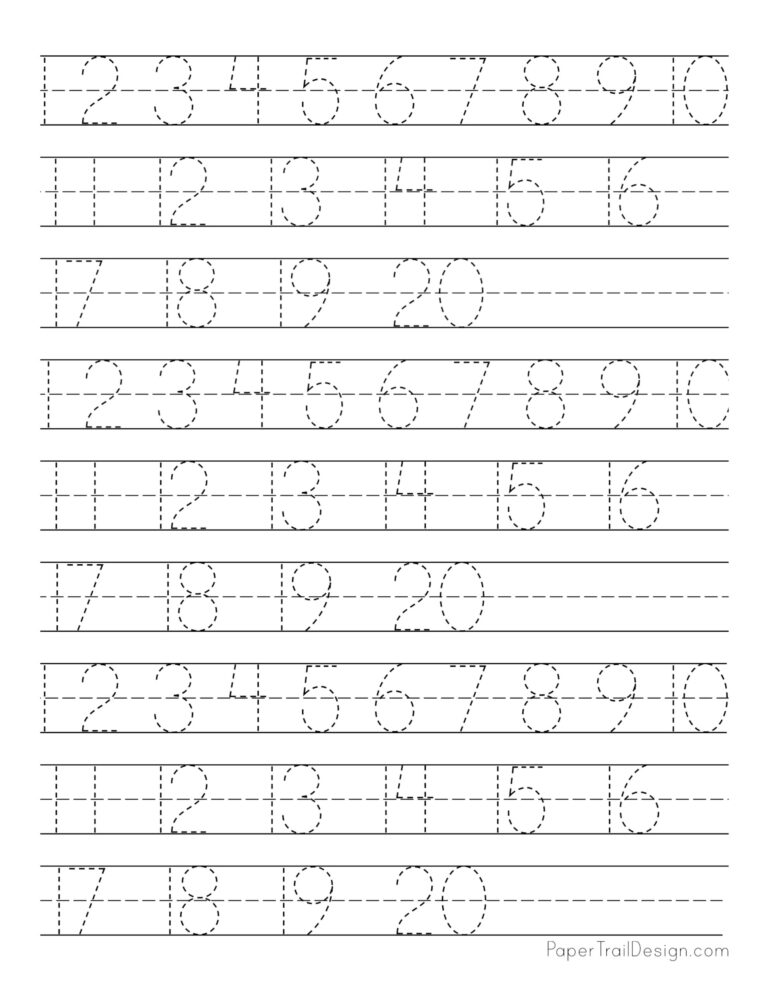
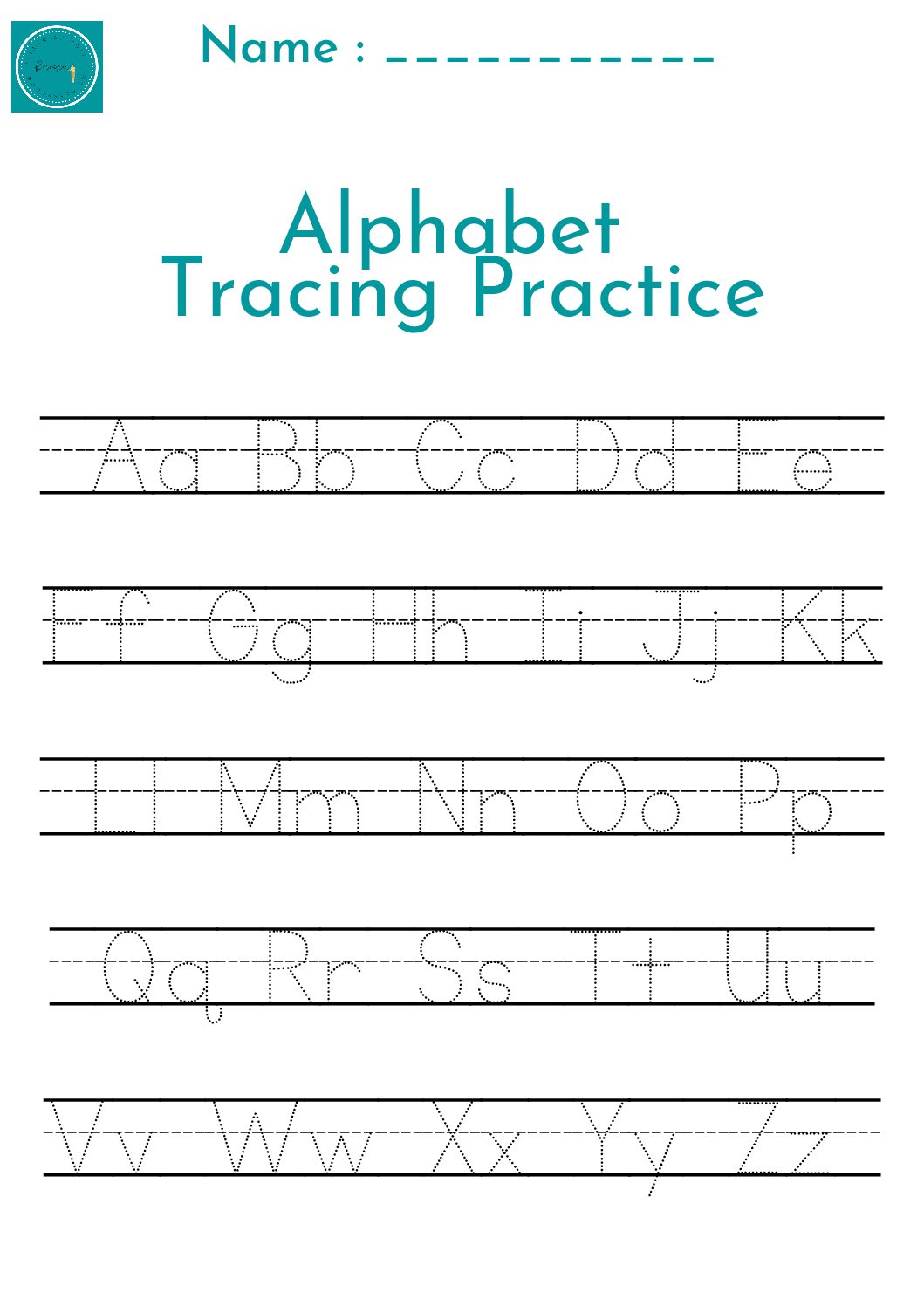
Free Printable Tracing Letters Of The Alphabet
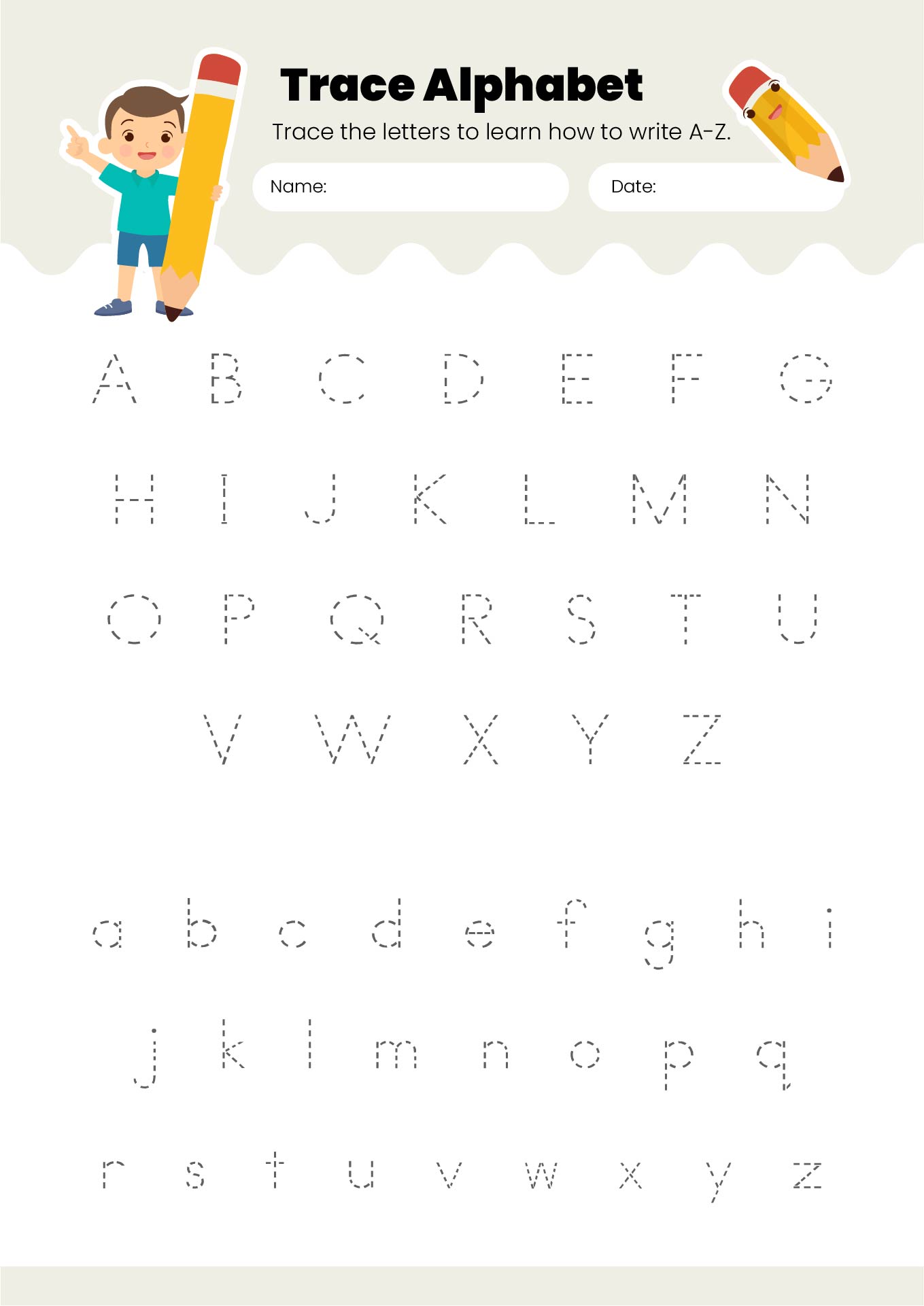
In a bustling classroom, Ms. Thompson watched as her students eagerly gathered around the table, crayons in hand, ready to practice their letters. The excitement in the air was palpable as they prepared to use the Free Printable Tracing Letters Of The Alphabet she had printed just that morning. These tracing worksheets are not only fun but also a vital tool in developing fine motor skills and letter recognition for young learners.
Understanding the Importance of Tracing Letters
Tracing letters is an essential skill for early childhood education. It helps children improve their handwriting, develop fine motor skills, and familiarize themselves with the alphabet. The act of tracing allows them to practice letter formation in a controlled manner. For preschoolers and kindergarteners, this activity can lay a solid foundation for their literacy journey.
Using Free Printable Tracing Letters Of The Alphabet resources, educators and parents can provide children with a structured way to practice each letter. The repetitive nature of tracing helps reinforce memory, making it easier for kids to recall letter shapes when they start writing independently.
How to Use Tracing Worksheets in the Classroom
Integrating tracing worksheets into your lesson plan can be seamless and effective. Here are some practical ways to incorporate these resources into your daily routine:
- Weekly Letter Focus: Designate a letter of the week. Each day, engage students in tracing that letter across various worksheets. This spaced repetition helps solidify their understanding and memory of the letter.
- Multisensory Learning: Combine tracing letters with other sensory activities. For example, after tracing a letter, have students form it using playdough or sand. This approach caters to different learning styles and keeps kids engaged.
- Group Activities: Use tracing worksheets as part of a group activity. Have students work in pairs to trace letters and then share what they’ve learned about those letters with each other. This fosters collaboration and communication skills.
- At-Home Practice: Send tracing worksheets home for practice. Encourage parents to set aside a few minutes each day for their children to trace letters. This reinforces learning outside the classroom and helps parents engage in their child’s education.
Creating a Tracing Routine
Establishing a routine around tracing letters can greatly enhance the effectiveness of the practice. Here’s a simple structure you might consider:
- Daily Warm-Up: Start each day with a brief warm-up session where students trace a few letters that they have learned previously. This not only helps with retention but also builds confidence.
- Focused Tracing Session: Dedicate a portion of your lesson specifically to tracing new letters. For instance, if the letter of the week is “A,” have students trace it multiple times while verbalizing the letter sound. This reinforces both visual and auditory learning.
- Follow-Up Activities: After tracing, engage students in follow-up activities, such as coloring pictures that start with the letter they just traced. This connection between tracing and vocabulary helps deepen their understanding of the letter.
- End-of-Week Review: Conclude the week with a review session where students can showcase what they’ve learned. This can include tracing letters in front of the class or even playing a game where they identify letters based on their tracings.
Adapting Tracing Worksheets for Different Learning Levels
Not all students will be at the same level of readiness for tracing letters. Here’s how you can adapt tracing worksheets to suit different skill levels:
- For Beginners: Use larger letters and bold lines for tracing. This provides more visual guidance and makes it easier for young learners to follow.
- For Intermediate Learners: Introduce worksheets with dotted lines or lighter outlines. This encourages students to rely less on the visual guide and start developing their own muscle memory.
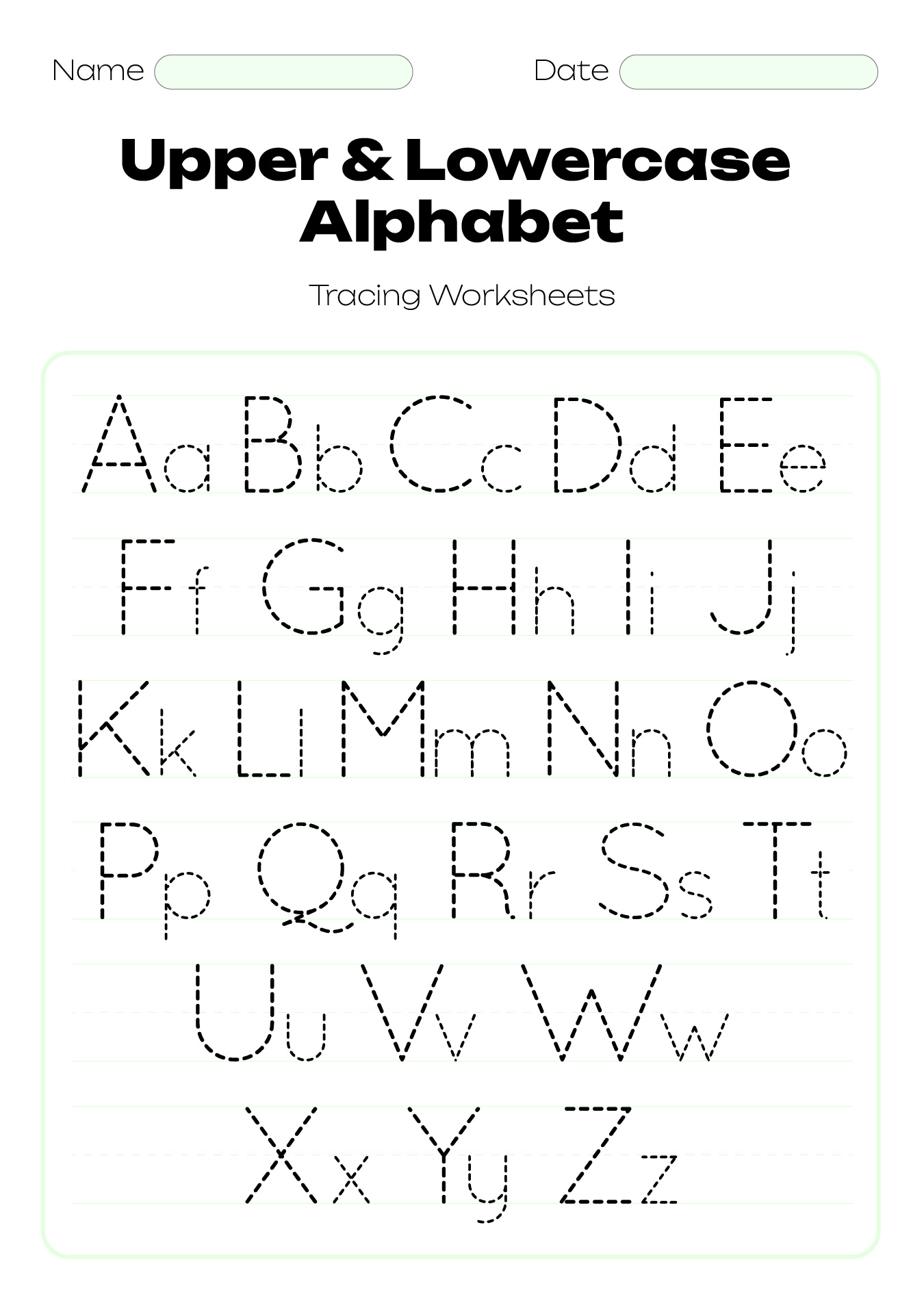
- For Advanced Learners: Offer worksheets that include both upper and lower case letters with a mix of tracing and free writing. This challenges students and prepares them for writing without any guides.
Printable Resources and Where to Find Them
When searching for Free Printable Tracing Letters Of The Alphabet, several websites offer a variety of styles and formats. Here are some trusted sources to consider:
- Educational Websites: Many educational platforms provide free downloadable worksheets that cater specifically to early literacy skills. These sites often allow you to filter resources by grade level and subject.
- Teachers Pay Teachers: This marketplace features many teachers sharing their resources, including tracing letter worksheets. While some are paid, you can also find plenty of free options.
- Pinterest: A treasure trove of ideas, Pinterest can lead you to numerous blogs and sites offering free printable resources for tracing letters. Simply search for “free printable tracing letters” to explore various creative options.
Tips for Printing and Preparing Worksheets
Once you have your Free Printable Tracing Letters Of The Alphabet resources, consider these tips for optimal use:
- Paper Type: For durability, print on cardstock rather than regular printer paper, especially if you plan to reuse the worksheets. Cardstock holds up better against repeated tracing.
- Laminating: If you want to ensure that worksheets can be used multiple times, consider laminating them. This allows students to use dry-erase markers for tracing, making cleanup easy and sustainable.
- Printer Settings: Adjust your printer settings to ensure the best quality. Portrait orientation usually works best for letter worksheets, and setting the print quality to high can provide clearer letters for tracing.
- Organizing Worksheets: Keep printed worksheets organized in a binder or folder. This makes it easy for students to access the materials independently and promotes a sense of ownership over their learning.
By utilizing Free Printable Tracing Letters Of The Alphabet effectively, you can create a rich learning environment that supports early literacy development. With a structured approach, a variety of activities, and engaging resources, both teachers and parents can help young learners master their letters with confidence.
Start today by downloading some worksheets and integrating them into your teaching practice. Your students will benefit from the consistent and engaging practice that tracing offers!