Cutting And Paste Activities For Preschoolers
Cutting and paste activities for preschoolers are fantastic tools for developing fine motor skills while sparking creativity in young learners. These activities not only provide a fun, hands-on experience but also encourage children to express themselves artistically. In this guide, we’ll explore a variety of cutting and paste activities, the materials you’ll need, and tips on how to effectively implement these activities in your classroom or at home.
Understanding the Importance of Cutting and Paste Activities
Cutting and pasting are essential skills that preschoolers should develop. These activities help children enhance their hand-eye coordination, dexterity, and concentration. As they manipulate scissors and glue, they learn about shapes, colors, and spatial relationships, which are foundational concepts in early childhood education.
By integrating cutting and paste activities into your lesson plans, you provide an avenue for preschoolers to practice these skills in a playful and engaging manner. These activities can also be tailored to suit various themes, allowing for endless possibilities throughout the school year.
Types of Cutting and Paste Activities
There are numerous cutting and paste activities suitable for preschoolers. Here are a few popular options to consider:
1. Collage Making
Collage making is a classic cutting and paste activity that allows children to express their creativity. You can provide a variety of materials, such as magazines, colored paper, fabric scraps, and stickers.
How to implement:
- Gather materials: Collect items that are safe for preschoolers to use.
- Set the scene: Lay out newspapers or plastic tablecloths to catch any mess.
- Encourage creativity: Ask children to choose their favorite images and create a collage that represents a theme, like nature or their family.
2. Themed Cut and Paste Worksheets
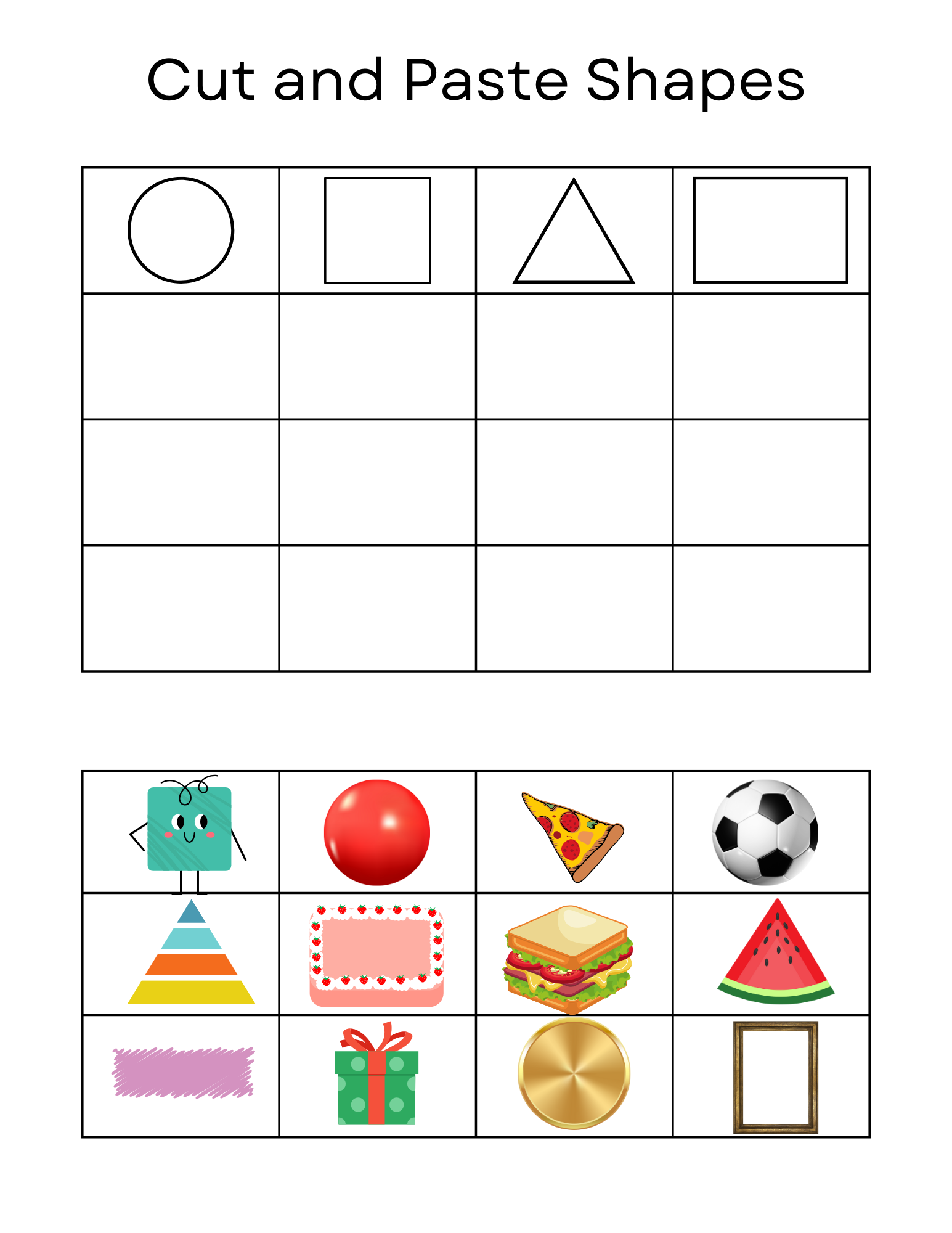
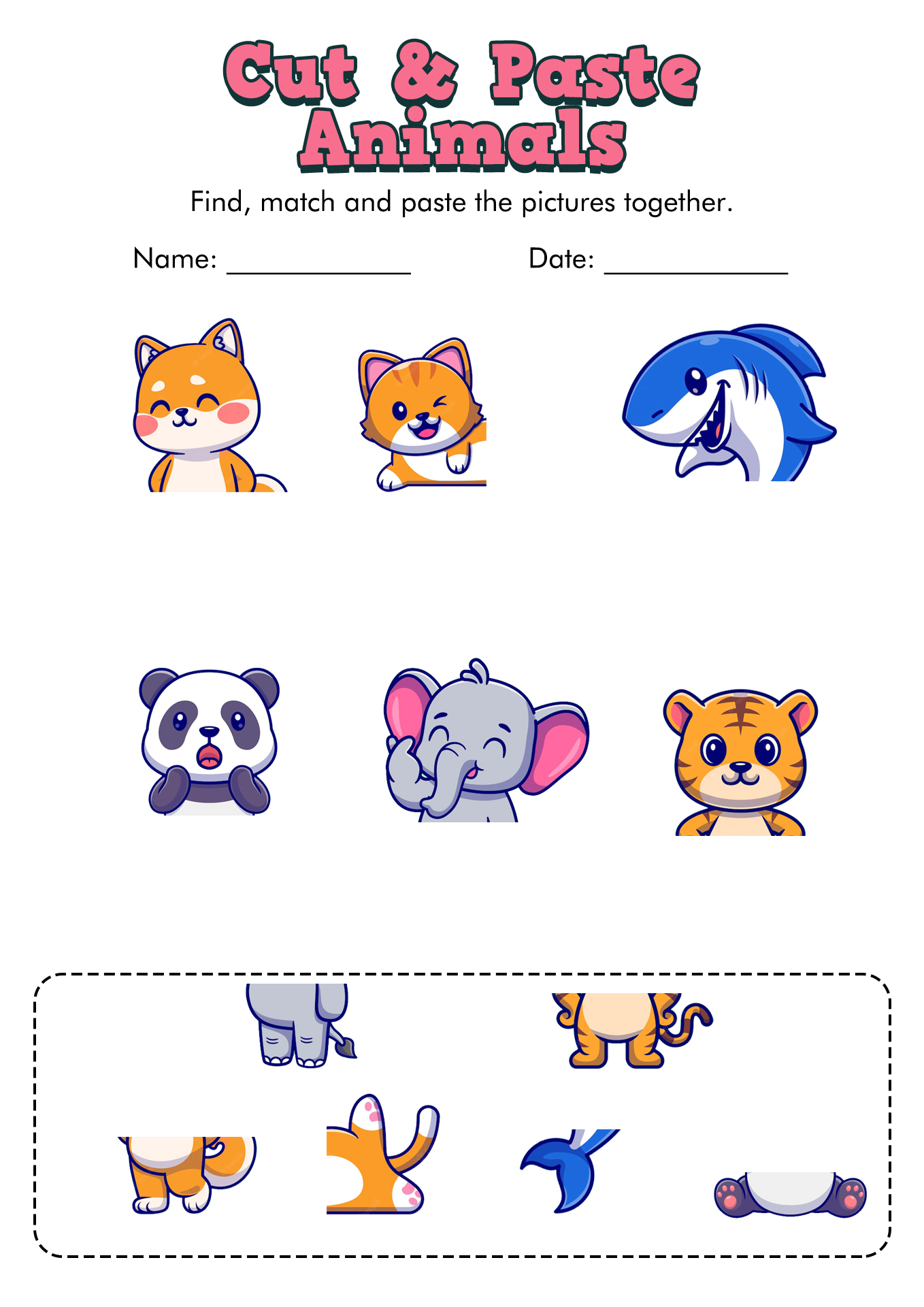
Themed worksheets can focus on specific learning objectives, such as counting, shapes, or letters. These worksheets typically have images that children can cut out and paste onto corresponding sections.
How to implement:
- Download or create worksheets that match your teaching theme.
- Provide scissors and glue sticks.
- Guide children to cut out images and paste them in the correct locations on the worksheet.
3. Seasonal Crafts
Seasonal crafts offer a great way to celebrate holidays and seasons while practicing cutting and pasting. For example, creating paper snowflakes for winter or flower bouquets for spring can be both fun and educational.
How to implement:
- Choose a craft that aligns with the current season or holiday.
- Provide templates for children to trace, cut, and paste.
- Encourage discussions about the season’s characteristics as they create.
4. Story Scene Creation
This activity combines literacy with art. Children can create scenes from their favorite stories using cutouts of characters and settings.
How to implement:
- Select a story that the class has read together.
- Provide cutouts of characters and backgrounds related to the story.
- Ask children to arrange the cutouts on a large piece of paper and glue them down, telling the story as they work.
Materials Needed for Cutting and Paste Activities
Having the right materials on hand can make your cutting and paste activities more enjoyable and effective. Here’s a list of essential supplies:
- Safety scissors: Ensure you use scissors designed for preschoolers, which have rounded tips for safety.
- Glue sticks: These are easier for small hands to manage, reducing messes compared to liquid glue.
- Colored paper: Stock up on various colors and patterns to inspire creativity.
- Magazines and old books: Great for collage-making and themed worksheets.
- Templates: Printable templates can guide children in their cutting and pasting.
Tips for Successful Implementation
To ensure your cutting and paste activities are both fun and educational, consider these helpful tips:
- Demonstrate first: Show children how to use scissors and glue properly. This demonstration can prevent frustration and accidents.
- Set clear expectations: Explain what you expect from the activity, such as staying seated and taking turns.
- Be patient: Some children may take longer to cut or paste. Encourage them without rushing.
- Create a clean-up routine: Teach children to clean up after themselves, reinforcing responsibility.
Adapting Activities for Different Skill Levels
Different children develop skills at varying rates. Here’s how to adapt cutting and paste activities to cater to diverse skill levels:
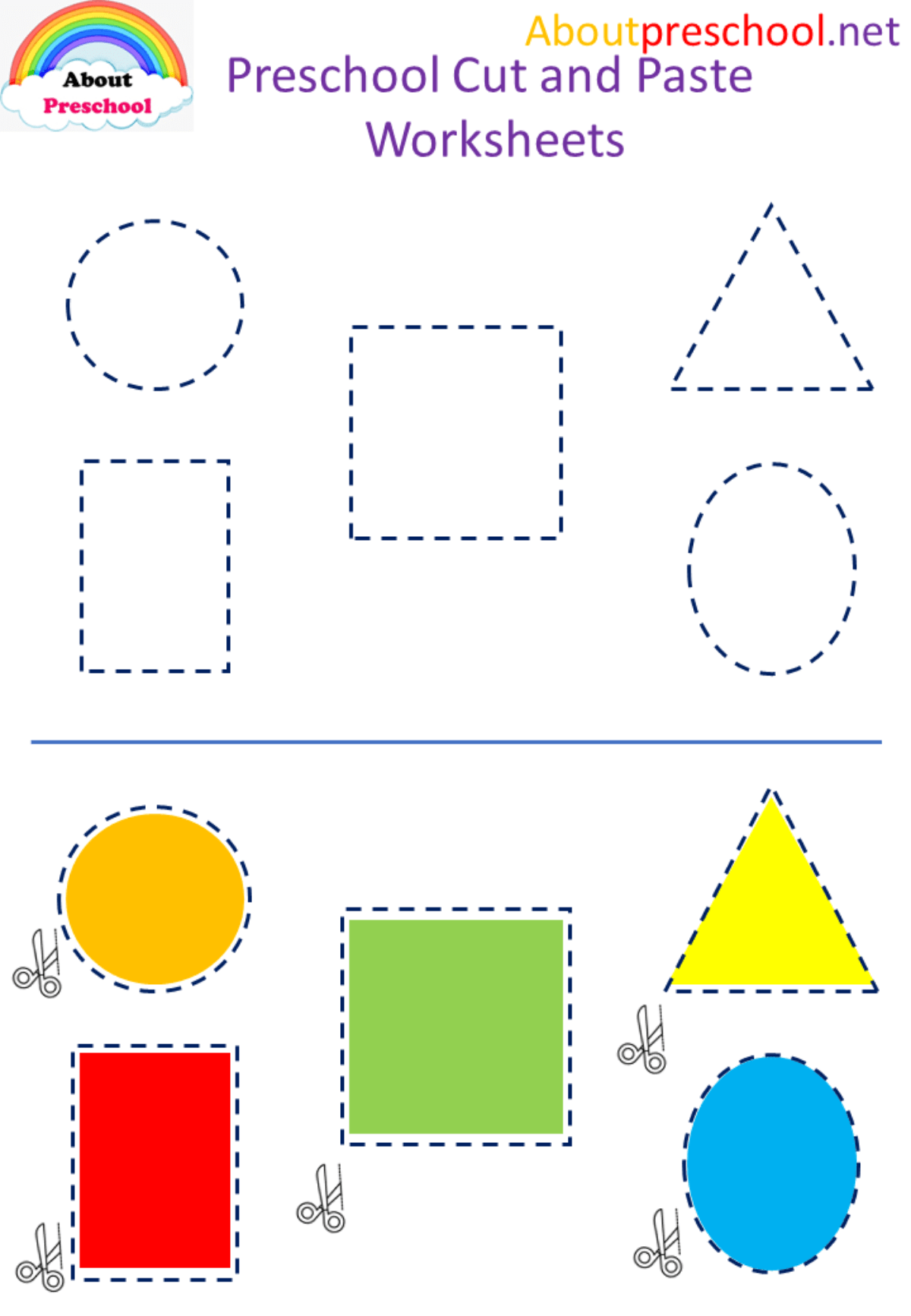
- For beginners: Provide larger, simpler shapes to cut out and larger pieces of paper for pasting.
- For advanced preschoolers: Introduce more intricate designs or encourage them to create their own templates.
- Incorporate technology: For older preschoolers, consider using apps that allow them to practice cutting and pasting digitally.
Next Steps: Download and Print
Now that you have a variety of cutting and paste activities for preschoolers to explore, it’s time to get started. Download printable templates and worksheets that align with these activities to make preparation easier. Print out the materials you need, gather your supplies, and set up a creative space where children can look at these engaging projects. By implementing these activities, you’ll foster a love for learning and creativity in your preschoolers.