Part Part Whole Mat Printable
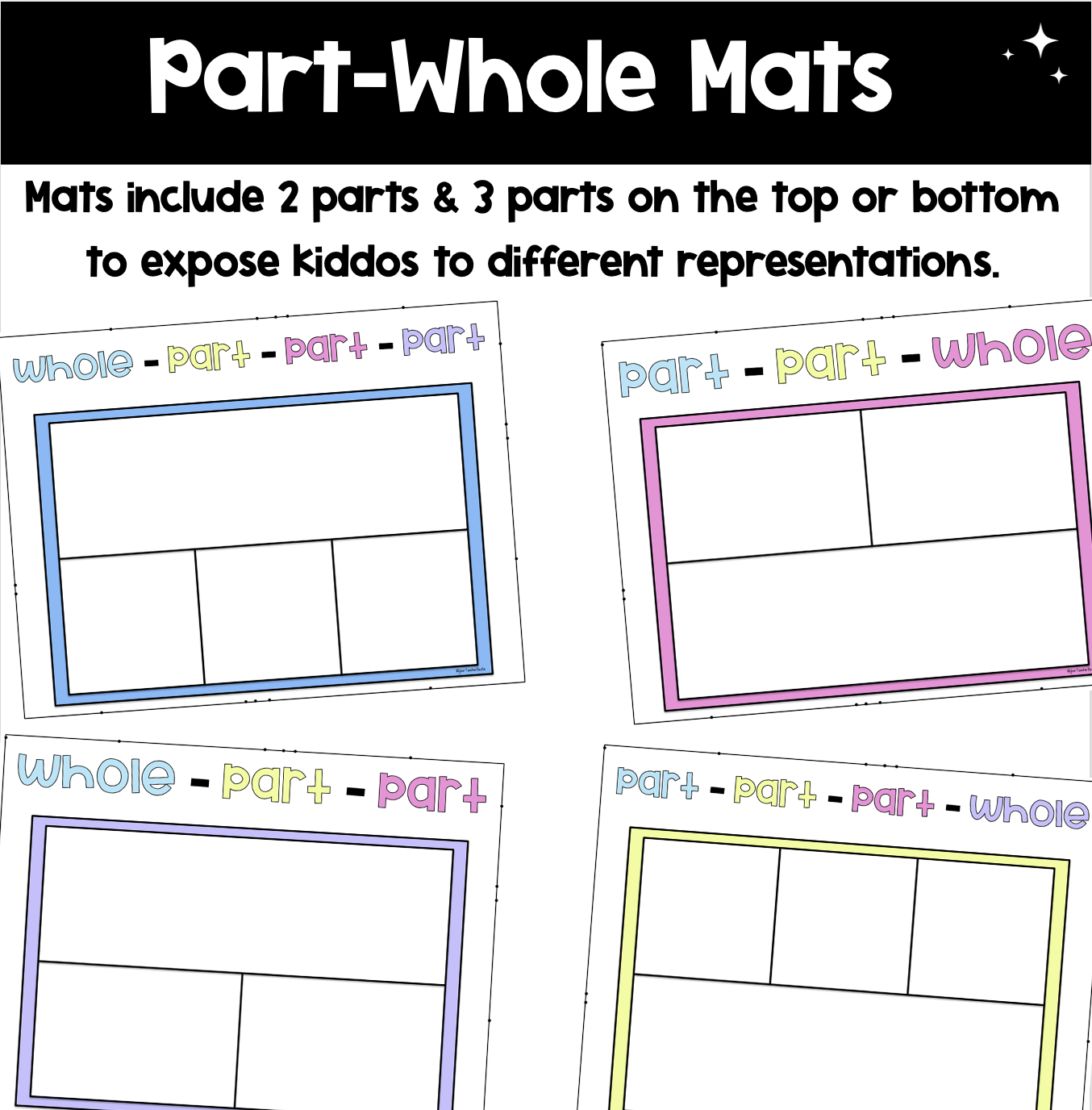
The Part Part Whole Mat Printable is a versatile educational tool designed to help students grasp fundamental math concepts, especially in understanding addition and subtraction. This printable resource is typically formatted to fit standard paper sizes like 8.5 x 11 inches, making it easy to download, print, and use in any classroom setting. As a teacher, you can leverage this mat to enhance your students’ learning experience by providing them with a hands-on approach to solving math problems.
Understanding the Part Part Whole Concept
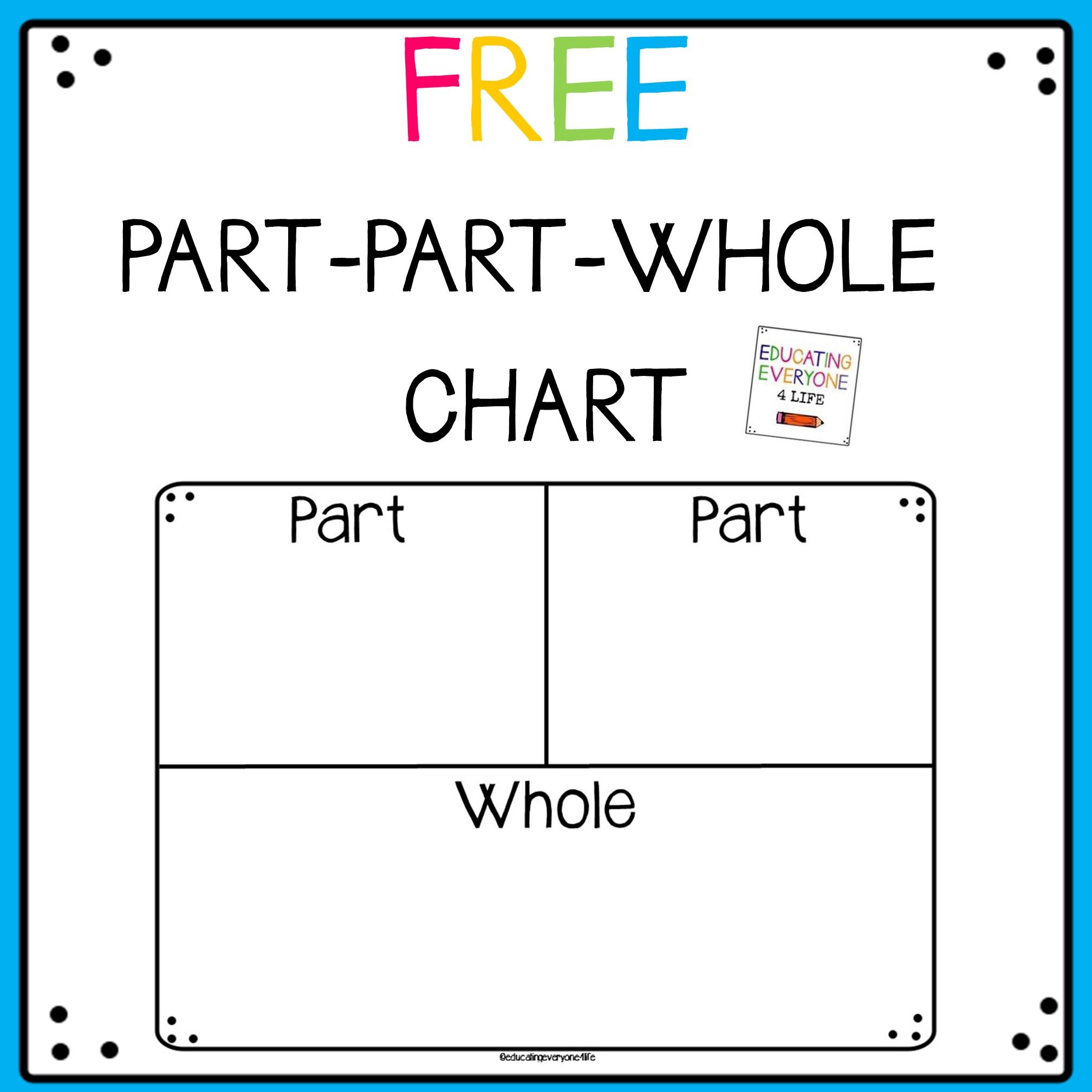
Before diving into the practicalities of using your Part Part Whole Mat Printable, it’s essential to understand the concept it represents. The part-part-whole model is a visual way for students to break down numbers into smaller parts. This method is especially beneficial for young learners who are just starting to explore addition and subtraction. By using the mat, students can see how numbers can be combined or separated, which builds a foundational understanding of more complex math operations.
Choosing and Downloading Your Mat
Finding the right Part Part Whole Mat Printable is straightforward. Many resources are available online, often free or at a low cost. When choosing your mat, consider the following:
- Grade Level: Ensure the mat is appropriate for the age group you are teaching. Some mats may be more suitable for kindergarteners, while others may cater to first or second graders.
- Design: Look for a mat that is visually engaging and easy for students to understand. A clear layout helps keep students focused on the task at hand.
- Format: Check if the mat is offered in PDF format, which is often preferred for printing as it maintains the layout across different devices.
Once you find the right mat, simply download it to your computer. Most files will be ready to print right away, but always check if any additional instructions are provided.
Printing the Mat
After downloading your Part Part Whole Mat Printable, it’s time to print it. Here are some tips to ensure the best results:
- Paper Quality: Use sturdy paper, such as cardstock, for durability. This is particularly important if you plan to use the mat repeatedly or if you intend to laminate it for longer use.
- Printer Settings: Set your printer to the highest quality for best results. Portrait layout typically works well for most home and classroom printers.
- Lamination: If you want your mat to last, consider laminating it. This allows for dry-erase markers to be used, giving students the ability to write and erase as they practice.
Setting Up for Classroom Use
Once your mat is printed and ready, think about how to incorporate it into your lessons. Here are some practical steps:
- Introduce the Mat: Start by explaining the concept of part-part-whole to your students. Use simple examples that they can relate to, such as using fruit or toys.
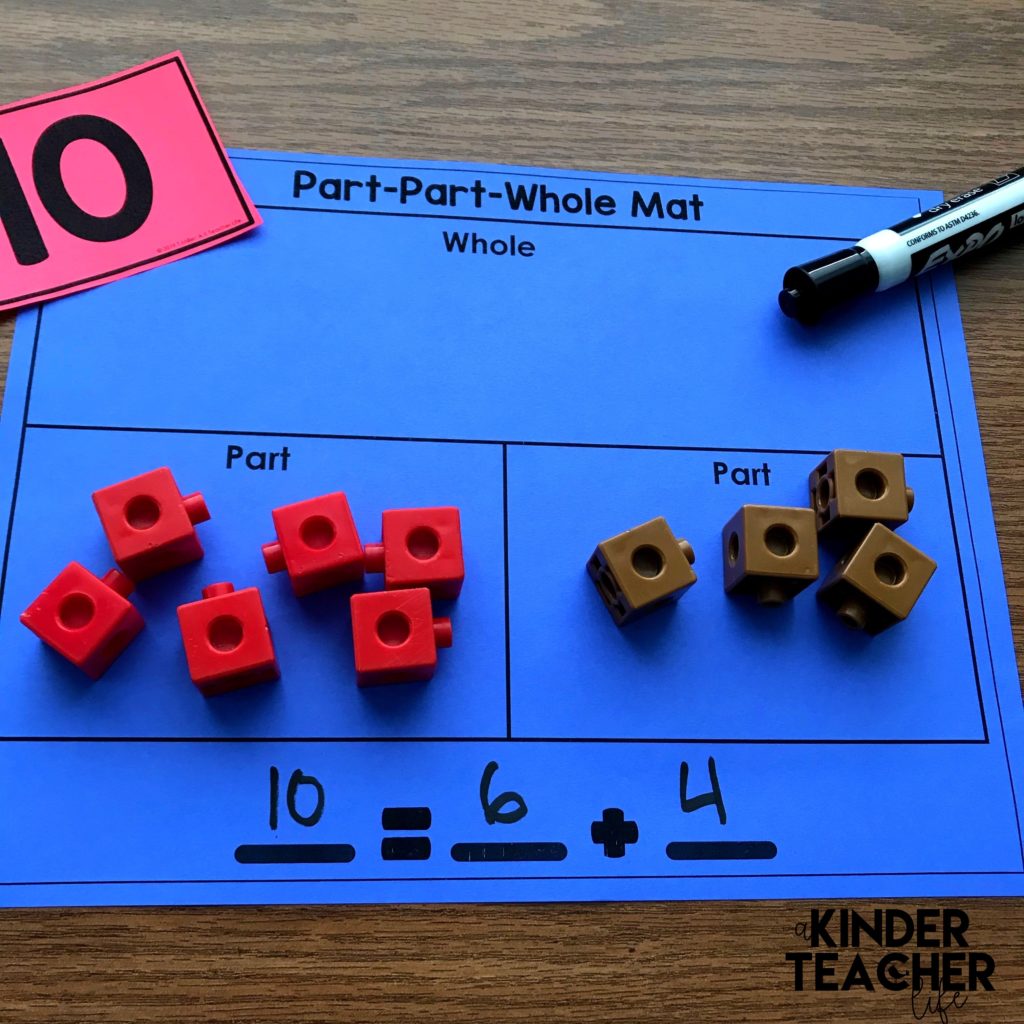
- Demonstrate Use: Show your students how to use the mat. Use manipulatives like counters, blocks, or even drawings to illustrate how to fill in the parts and the whole.
- Guided Practice: Allow students to work in pairs or small groups to practice using the mat. Walk around to provide support and answer any questions they may have.
- Independent Practice: Once they feel comfortable, give students time to work independently on problems using the mat. This encourages self-directed learning and reinforces their understanding.
Engaging Activities With the Mat
To make learning more interactive, consider incorporating various activities that utilize the Part Part Whole Mat Printable. Here are a few ideas:
- Color Coding: Have students use different colors to represent parts and the whole. This visual differentiation can help clarify their understanding.
- Real-Life Scenarios: Create word problems based on real-life situations, like sharing snacks or toys, and let students use the mat to solve these problems.
- Interactive Games: Turn learning into a game by challenging students to create their own addition or subtraction problems using the mat and share them with classmates.
By engaging your students with these activities, you’ll foster a deeper understanding of mathematical concepts while keeping the learning process fun and interactive.