Brain Teasers For High School Students
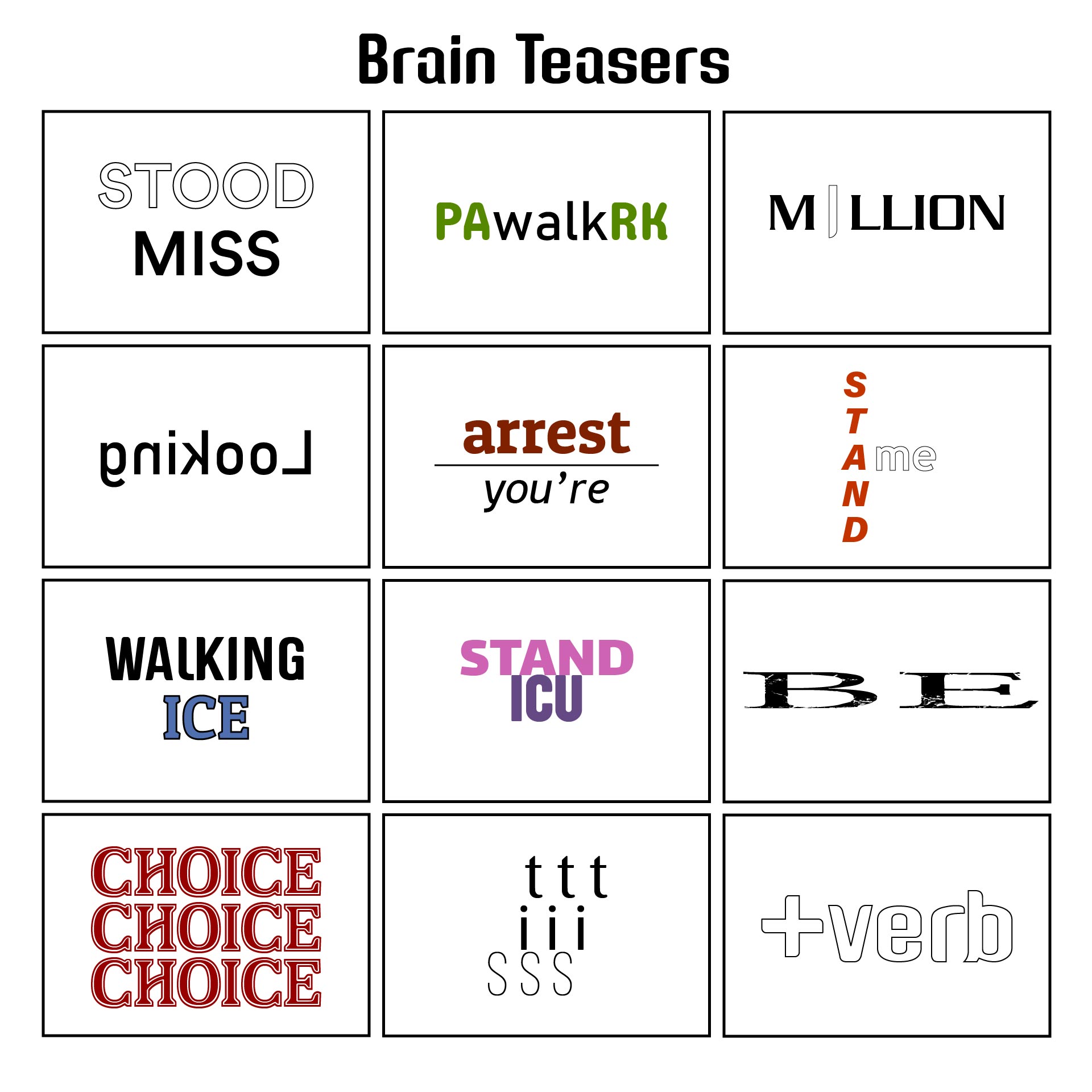
Brain teasers for high school students are an excellent way to engage young minds and enhance their critical thinking skills. These puzzles challenge students to think outside the box while providing a fun and interactive learning experience. Whether used in the classroom, during study sessions, or at home, printable brain teasers can serve as a valuable resource for teachers and parents alike.
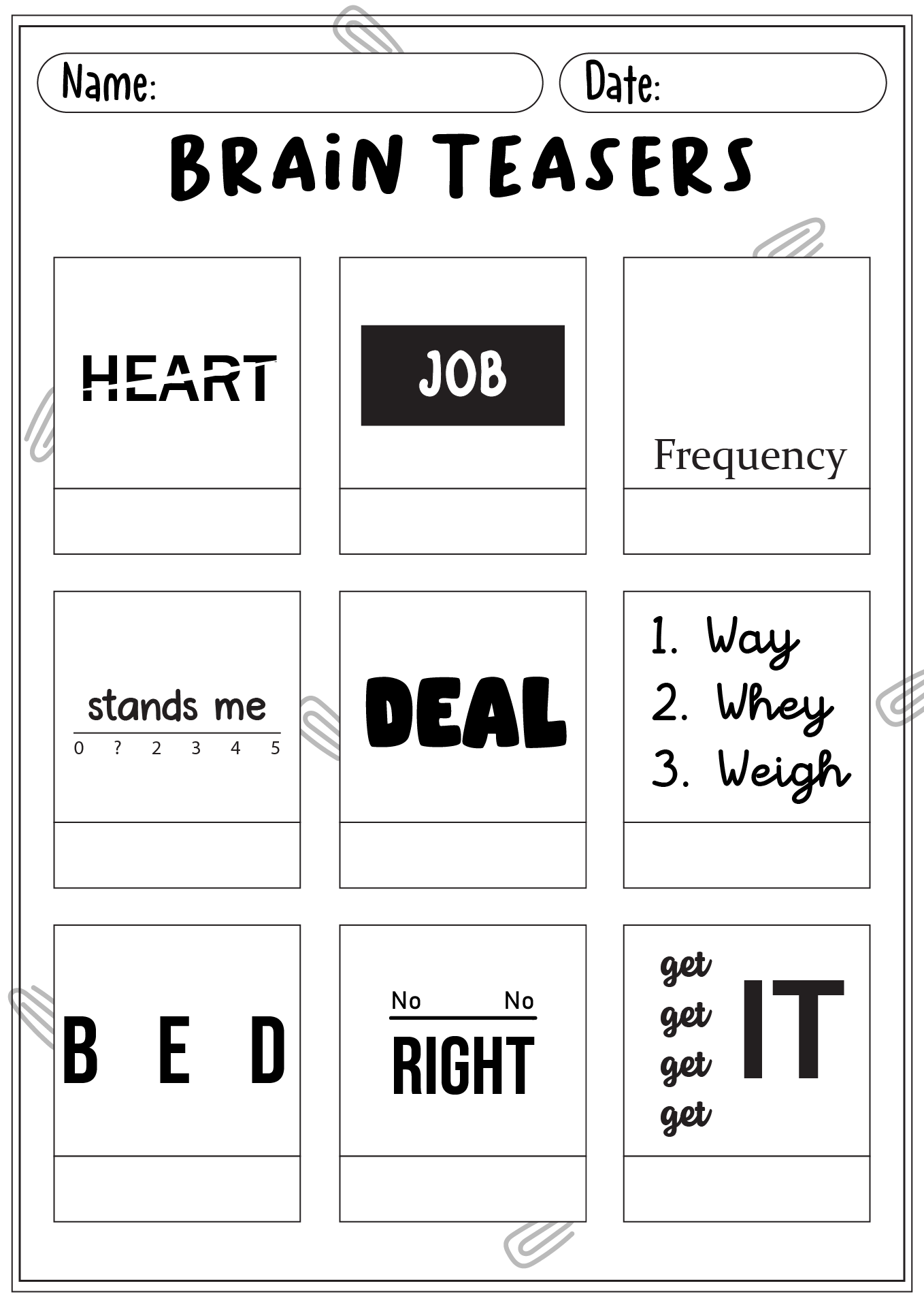
Understanding Brain Teasers for High School Students
Brain teasers come in various formats, from riddles and logic puzzles to math challenges and word games. The primary goal is to stimulate analytical thinking and problem-solving abilities. High school students, typically aged 14 to 18, are at a stage where these skills are crucial for their academic success and future careers. By incorporating brain teasers into their routine, educators can foster a more engaging learning environment.
Types of Brain Teasers
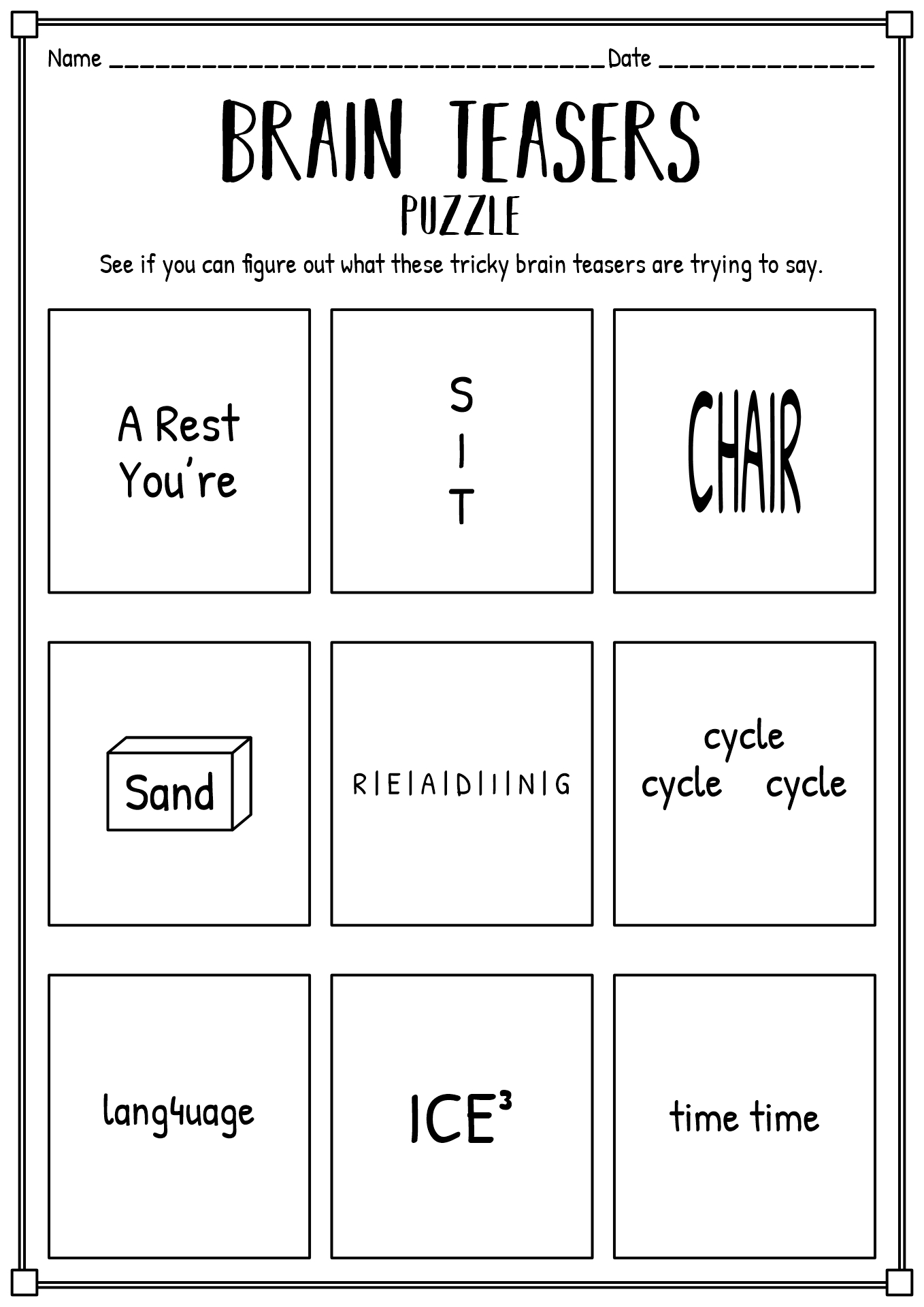
- Riddles: Short questions or statements that require creative thinking to solve. For example, “What has keys but can’t open locks?” (Answer: A piano).
- Logic Puzzles: These require students to use deductive reasoning to arrive at a solution. A common format might involve a scenario where they must determine the order of events or the relationships between different items.
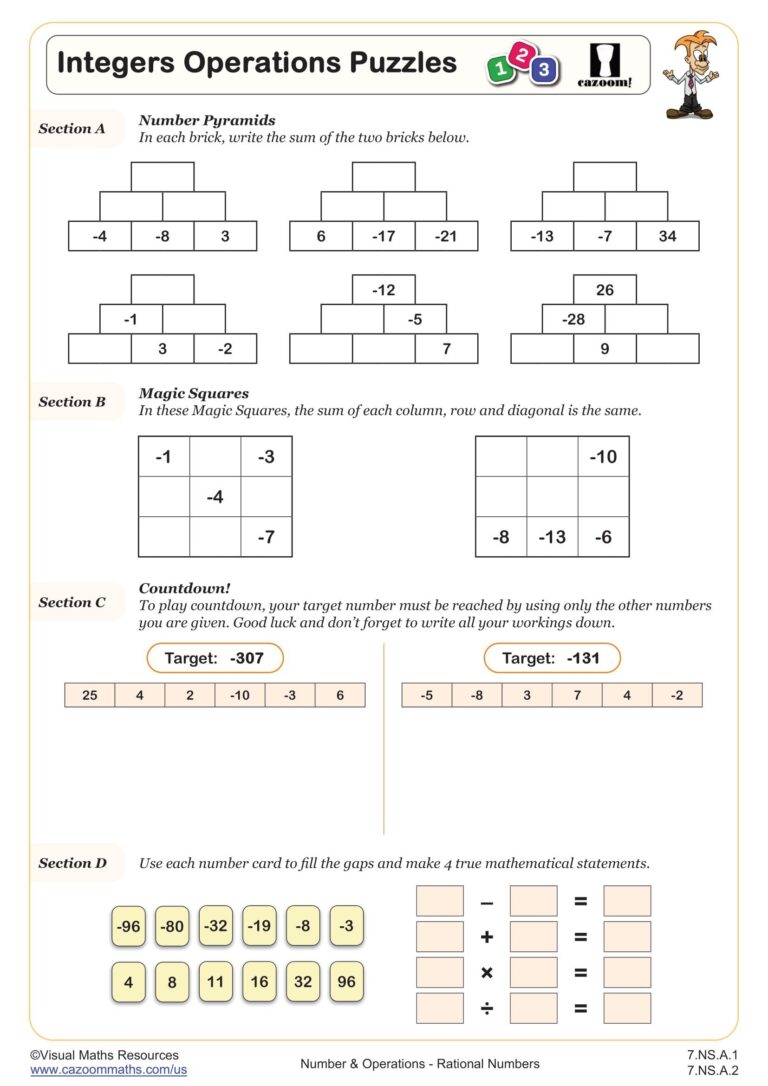
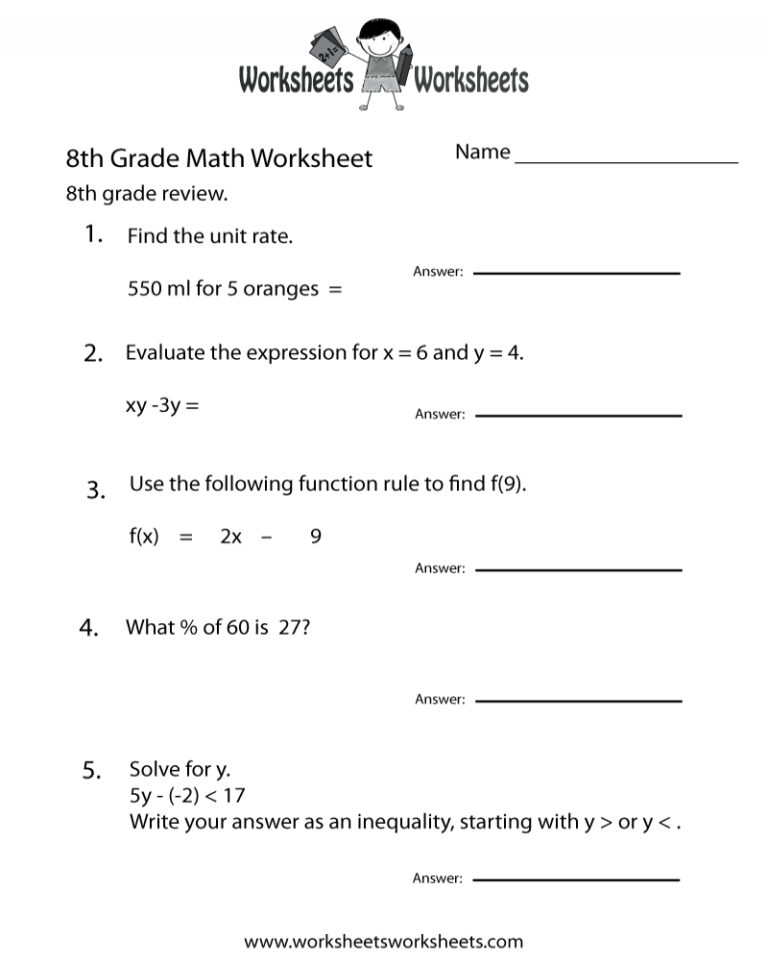
- Math Puzzles: These can incorporate algebra, geometry, or even basic arithmetic in a fun and challenging way. An example could be a puzzle where students need to solve for a variable in a real-world context.
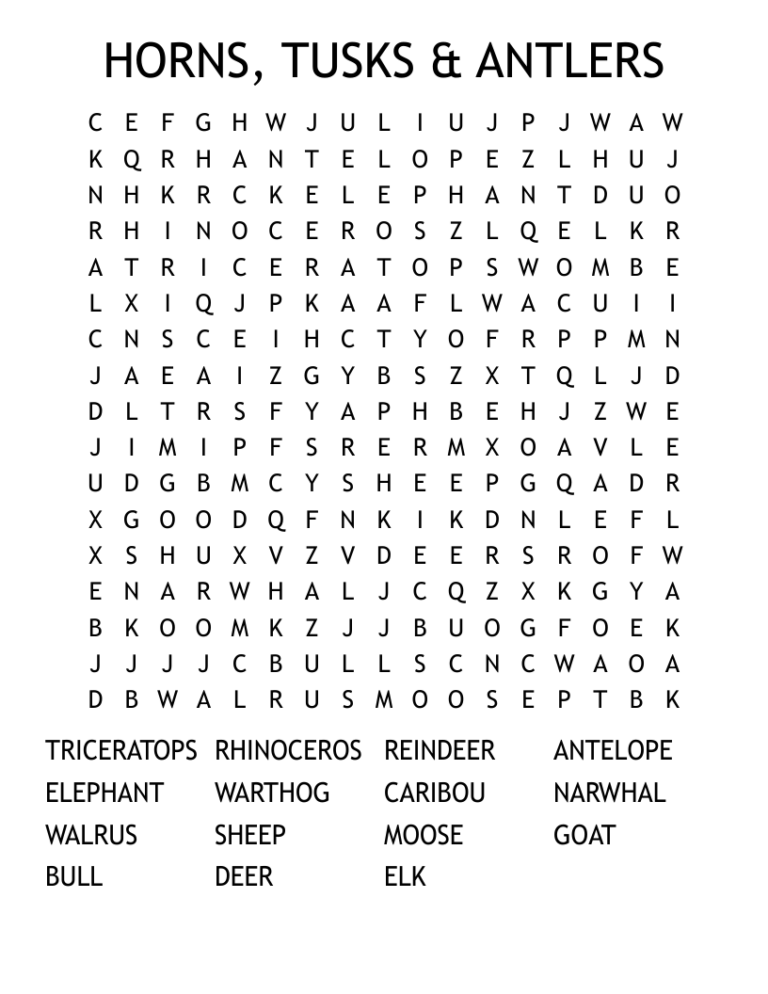
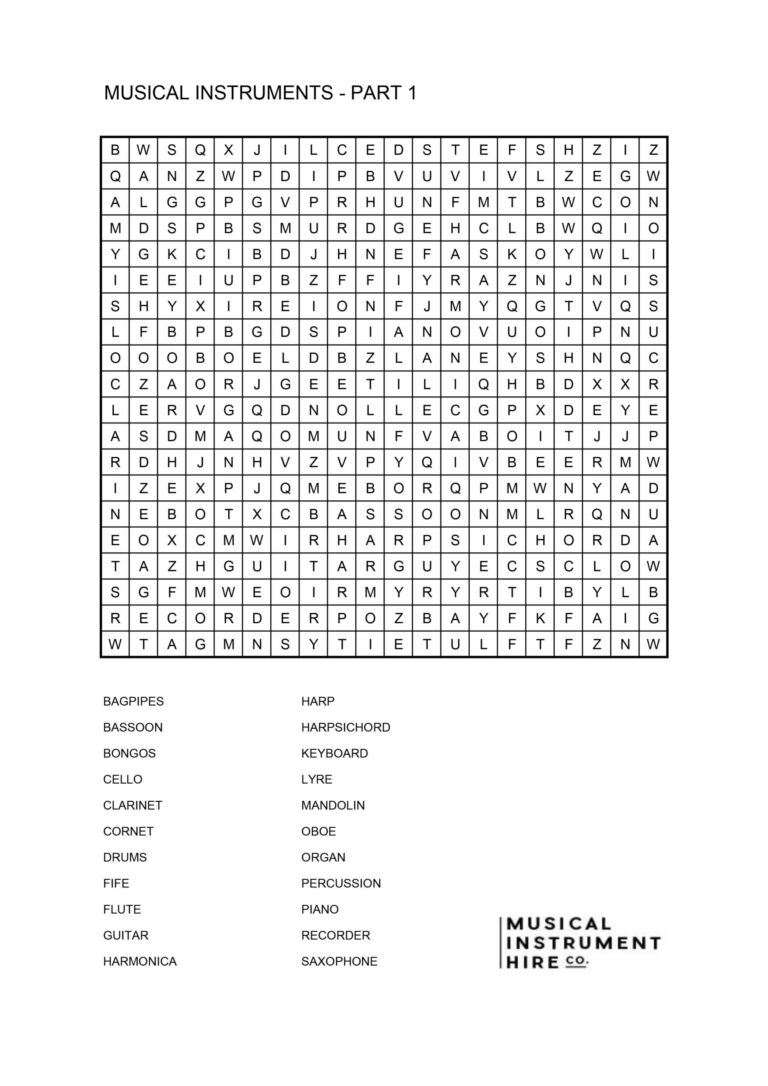
- Word Games: These include crosswords, anagrams, or word searches that can help enhance vocabulary and spelling skills.
Choosing the Right Printable Brain Teasers
When selecting brain teasers for high school students, consider several factors to ensure that the materials are age-appropriate and engaging:
Difficulty Level
Brain teasers should match the cognitive level of high school students. Too easy, and they may lose interest; too difficult, and they may feel frustrated. Look for resources that categorize puzzles by difficulty level, allowing you to choose based on your students’ needs.
Format and Layout
Printable brain teasers can come in various formats, including worksheets, single-page puzzles, or digital downloads. Consider how you will distribute the puzzles. For instance, if you’re using them in a classroom setting, worksheets might be more effective. If you’re assigning them as homework, single-page puzzles could be more manageable.
Themes and Subjects
Incorporating themes can make brain teasers more engaging. For example, puzzles based on popular literature, science concepts, or historical events can tie into the curriculum and make learning more relevant. Look for resources that offer a variety of themes to keep students interested.
Where to Find Printable Brain Teasers
There are numerous websites and resources available for finding printable brain teasers suitable for high school students. Some options include:
- Educational Websites: Many educational websites provide free downloadable resources. Look for sites specifically focused on teaching materials, as they often have sections dedicated to brain teasers.
- Printable Resource Platforms: Websites that specialize in printable resources may have a dedicated section for brain teasers, offering various formats and difficulty levels.
- Teacher Blogs: Many teachers share their own creations online, including brain teasers that they’ve used successfully in their classrooms. Searching through these blogs can yield unique and creative puzzles.
- Social Media Groups: Educational groups on platforms like Facebook or Pinterest often share printable resources, including brain teasers. Joining these groups can provide a steady stream of ideas and materials.
Tips for Implementing Brain Teasers in the Classroom
Integrating brain teasers into your teaching strategy can enhance student engagement and learning. Here are some practical tips:
Encourage Collaboration
Group activities can foster teamwork and communication skills. Consider having students work in pairs or small groups to solve brain teasers. This not only makes the activity more interactive but also encourages students to discuss their thought processes.
Use as Warm-Up Exercises
Start your class with a brain teaser to get students focused and ready to learn. This can serve as a great transition into the day’s lesson and stimulate critical thinking right from the beginning.
Incorporate Into Assessments
Brain teasers can be a fun way to assess students’ problem-solving skills. Consider including them in quizzes or tests as a way to evaluate students’ understanding of the material.
Reward Participation
Incentivize solving brain teasers by offering small rewards or recognition for students who participate actively. This can motivate students who may be hesitant to engage with challenging material.
Adapting Brain Teasers for Different Learning Styles
Every student learns differently, and adapting brain teasers to meet various learning styles can enhance effectiveness:
- Visual Learners: Use puzzles that incorporate diagrams or charts. Visual aids can help these students grasp complex concepts more easily.
- Auditory Learners: Consider reading riddles or logic puzzles aloud. This can help auditory learners absorb information through listening.
- Kinesthetic Learners: Use physical activities related to brain teasers, such as scavenger hunts that require students to solve clues to find items. This hands-on approach can be especially engaging.