Cut And Paste For Kids
Cut and paste activities are invaluable tools for engaging young learners. They not only enhance fine motor skills but also foster creativity and critical thinking. For teachers and parents, incorporating cut and paste for kids into lesson plans or home projects can turn learning into a hands-on experience that children will love.
What Are Cut And Paste Activities?
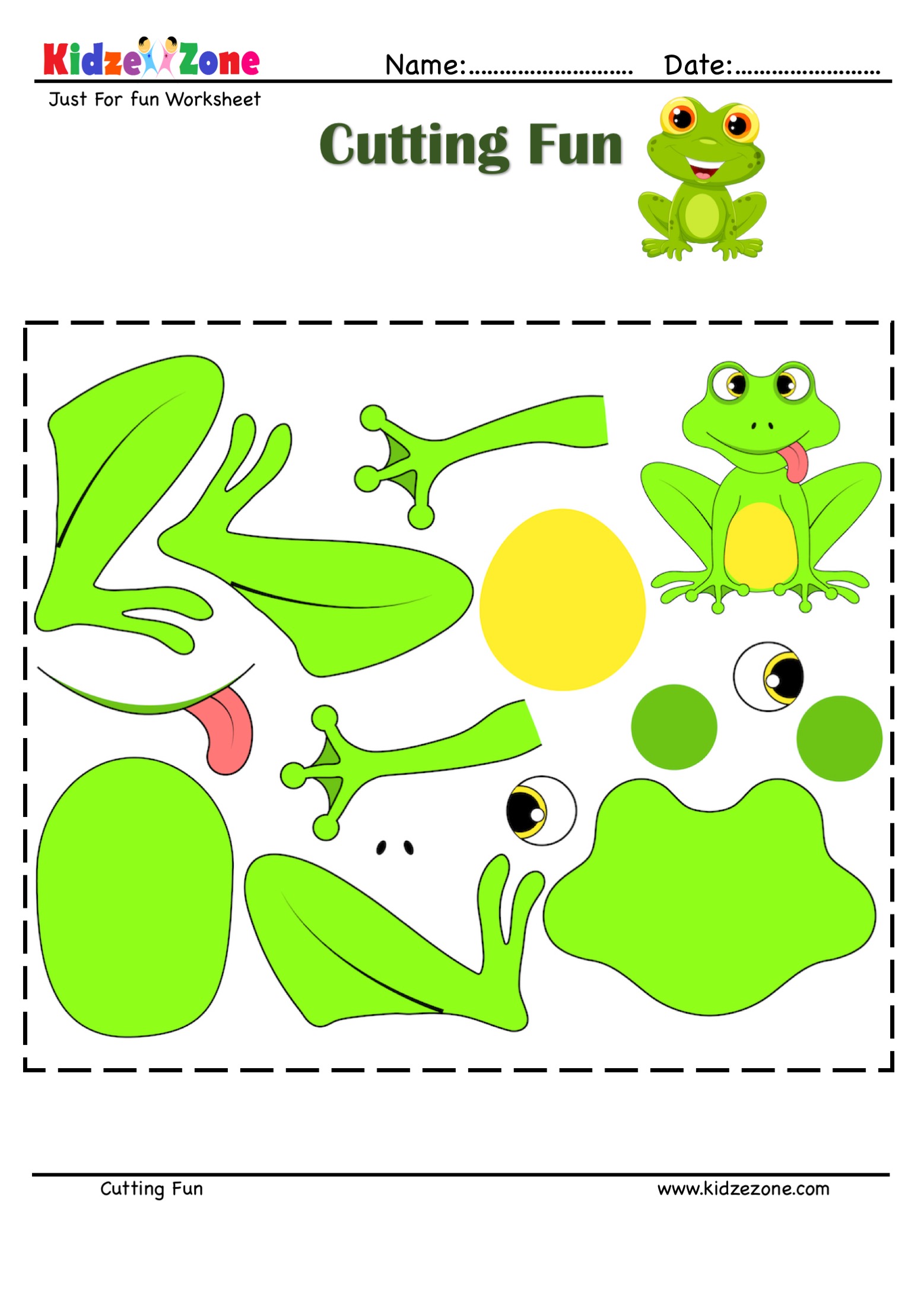
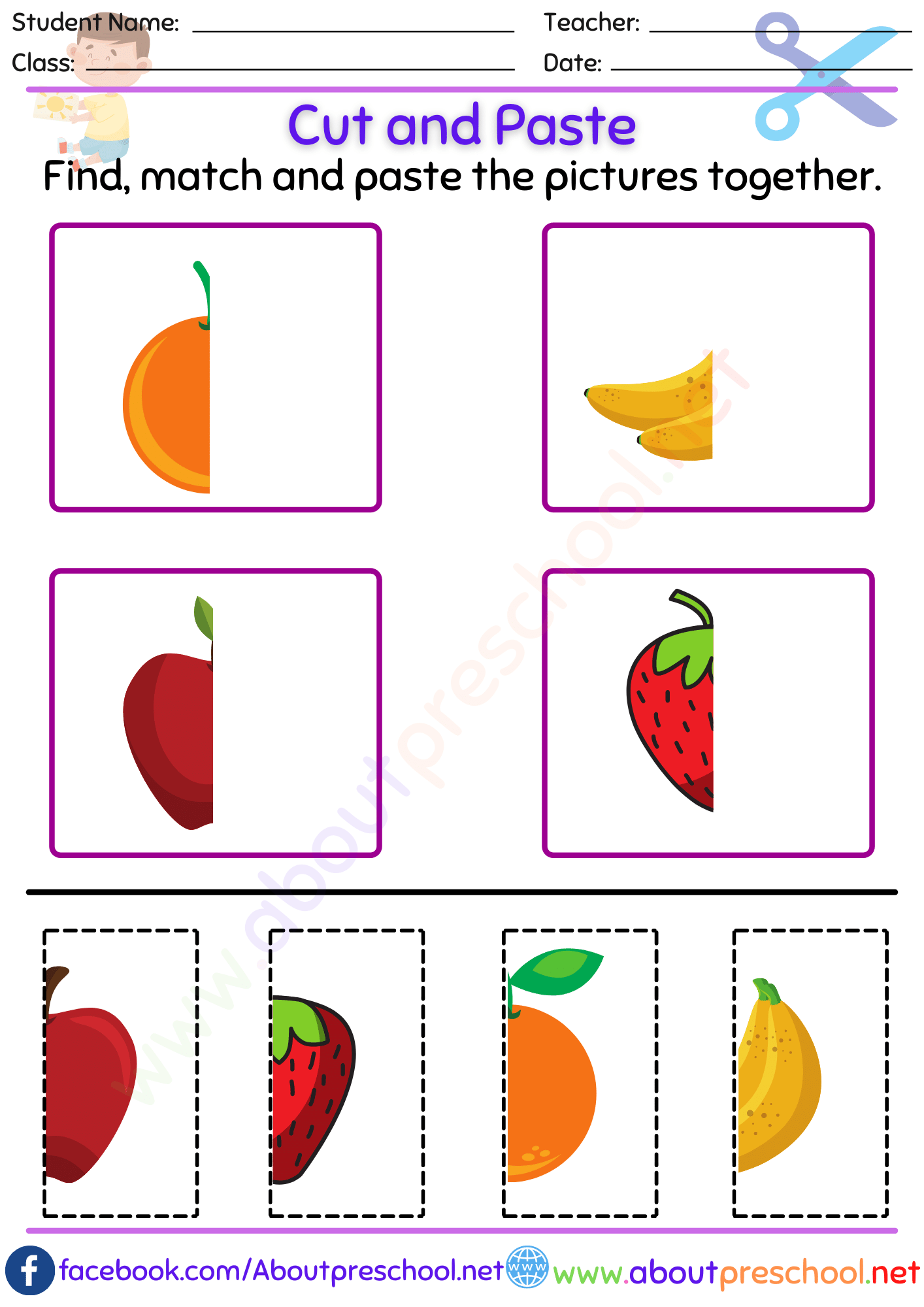
Cut and paste activities involve children cutting out shapes, images, or text from one paper and gluing them to another. This simple yet effective method can be utilized in various educational contexts, from art projects to literacy exercises. The activities can range from creating collages to assembling worksheets that reinforce math concepts.
Benefits of Cut And Paste For Kids
Engaging in cut and paste activities offers several benefits:
- Fine Motor Skills Development: Using scissors and glue helps children improve their hand-eye coordination and dexterity.
- Creativity and Expression: Kids can express their thoughts and ideas creatively, enhancing their artistic skills.
- Cognitive Development: These activities require planning and problem-solving, which stimulate cognitive processes.
- Language Skills: When integrated into literacy activities, children can enhance their vocabulary and comprehension.
Ideal Age Groups for Cut And Paste Activities
Cut and paste projects are suitable for a wide range of age groups, typically starting as early as preschool up to the second or third grade. Here’s a quick breakdown:
- Preschool (Ages 3-5): Activities focus on basic shapes and simple images. Projects might include collages of animals or seasonal themes.
- Kindergarten (Ages 5-6): Children can start combining images with letters or numbers, creating simple word collages or themed worksheets.
- 1st to 2nd Grade (Ages 6-8): At this stage, activities can become more complex, involving multi-step projects that integrate math and reading skills, such as creating storyboards.
Types of Cut And Paste Resources
When looking for cut and paste resources, you can find a variety of formats that cater to different learning objectives:
Printable Worksheets
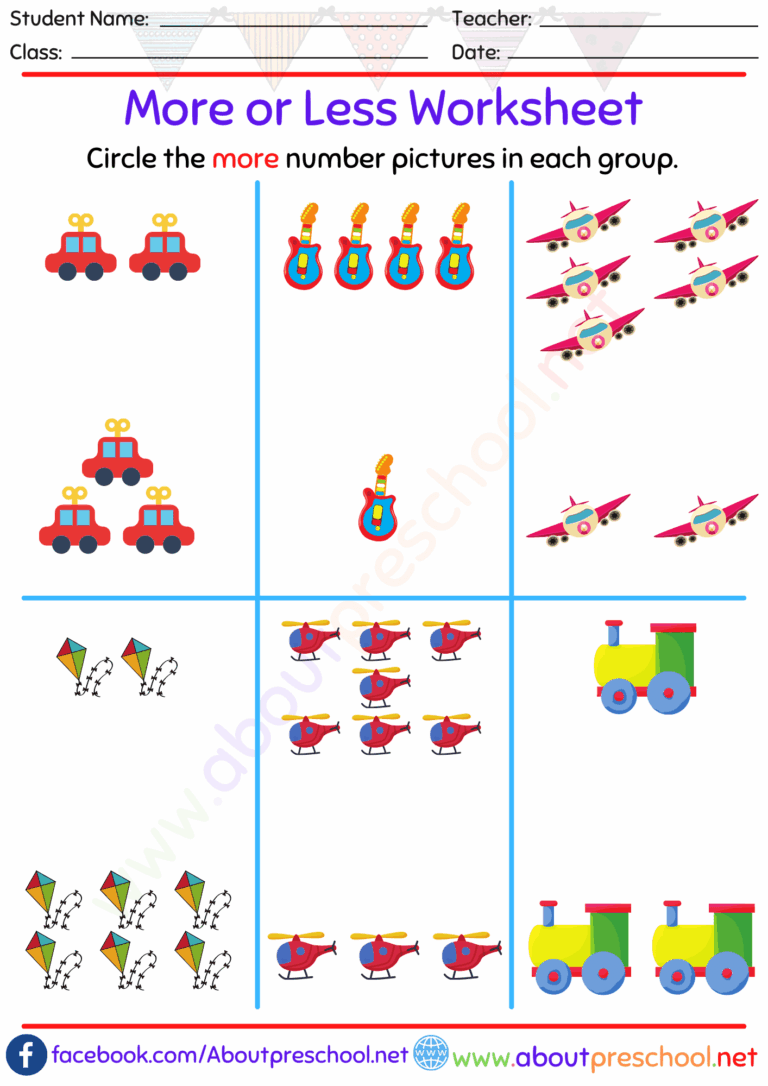
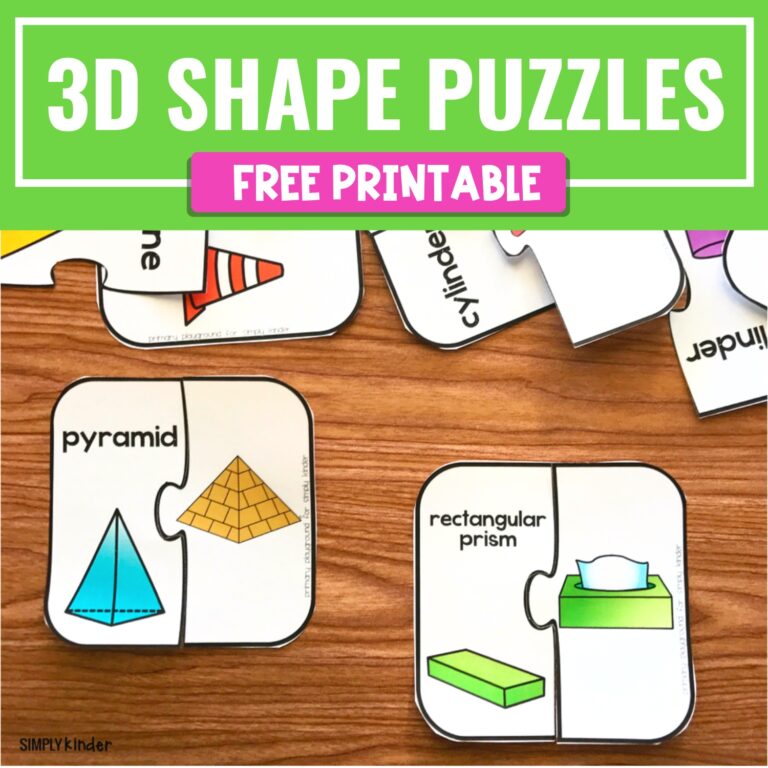
These worksheets often include images or text that children can cut out and paste onto another sheet. For example, a math worksheet might have numbers to cut out and arrange to form equations.
Themed Coloring Pages
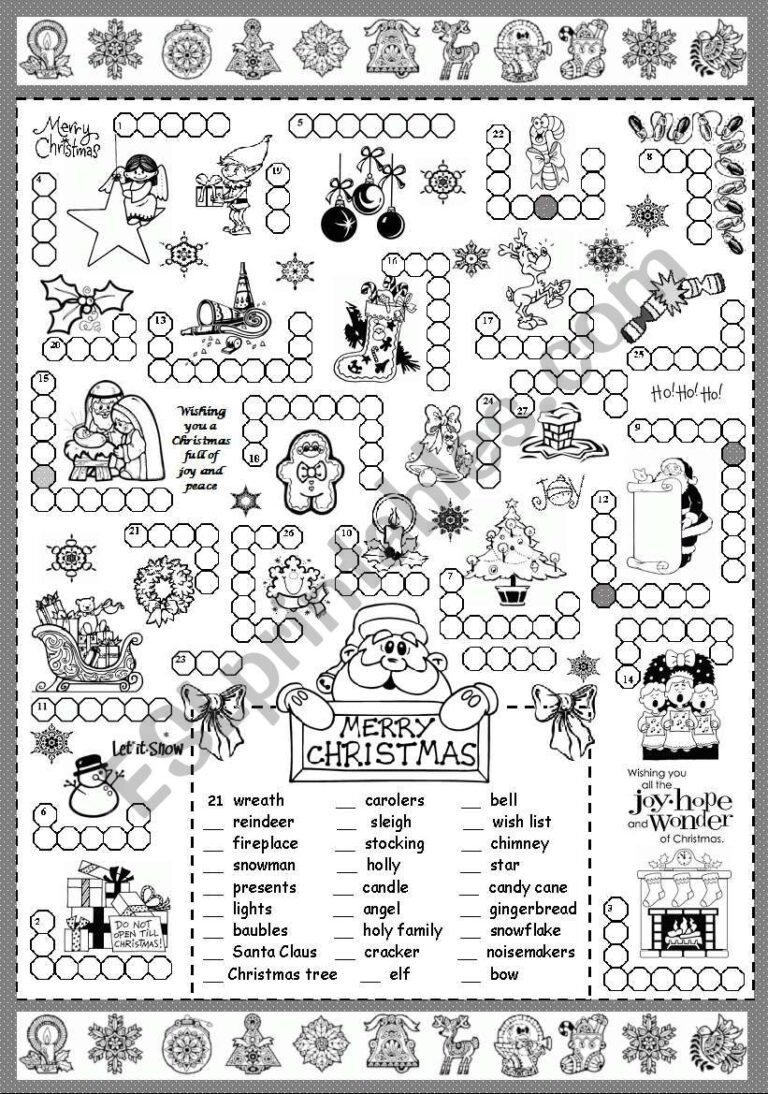
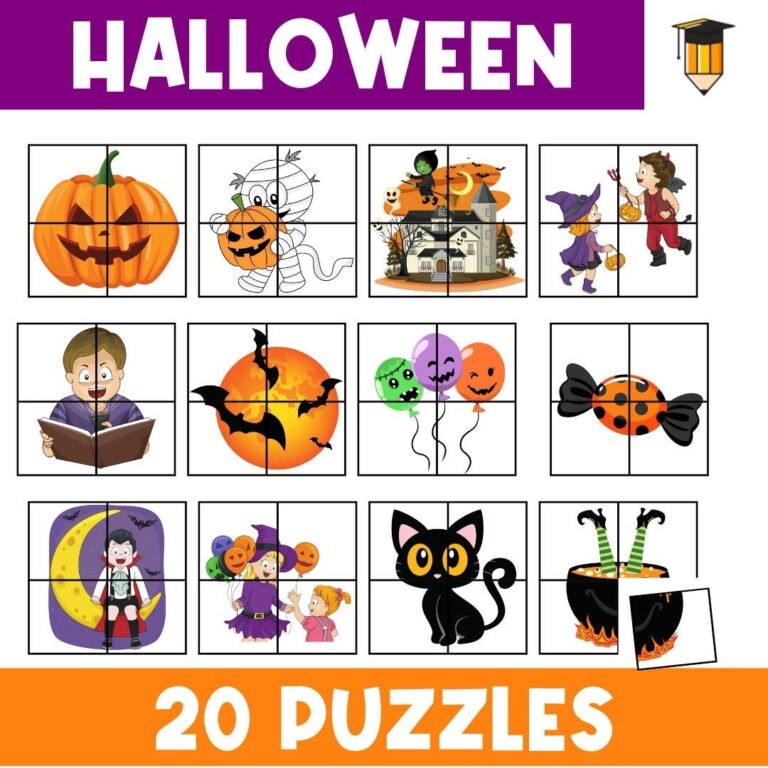
Coloring pages that require kids to cut out elements can create interactive art projects. Children can color, cut, and paste their creations to make themed displays for holidays or seasons.
Craft Templates
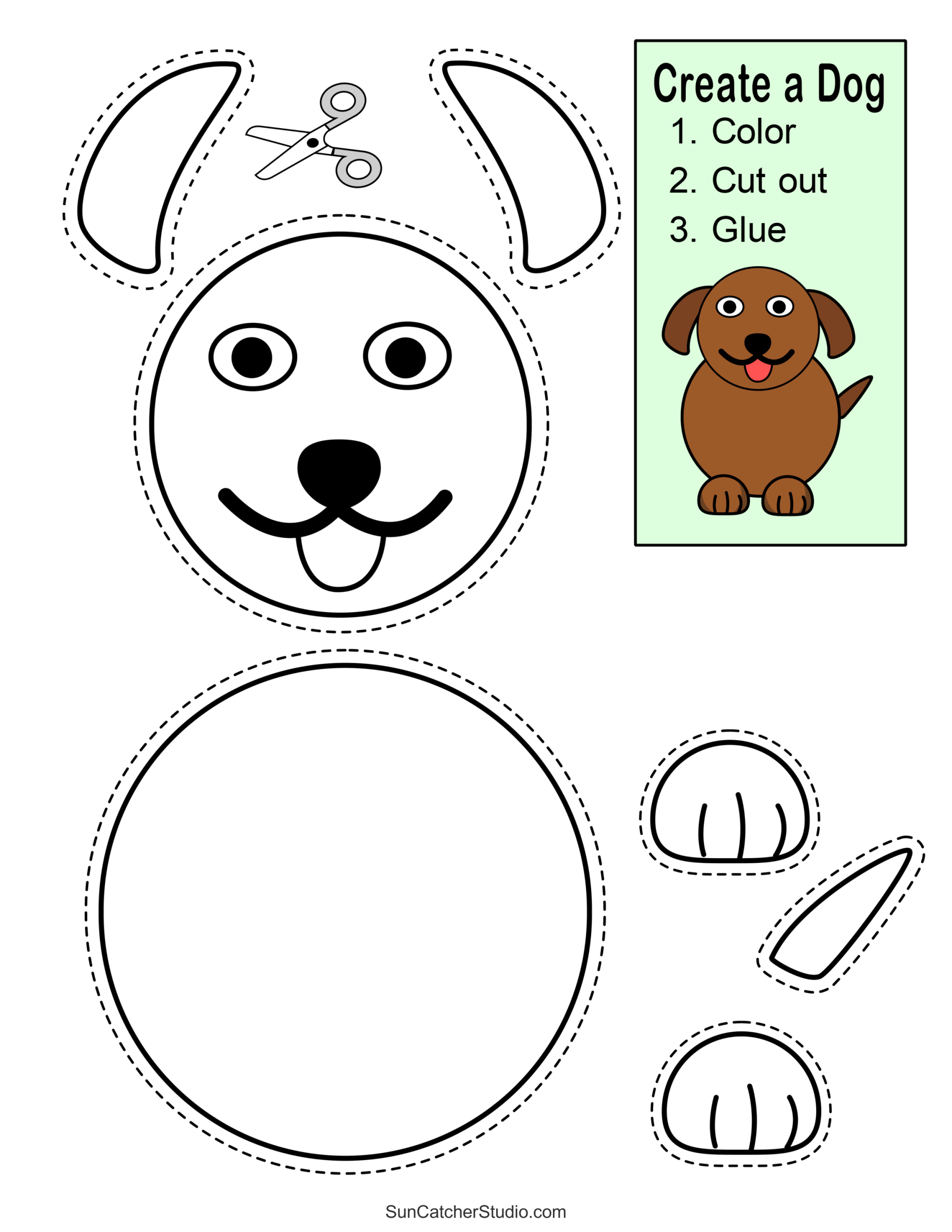
Templates for crafts often provide cut and paste opportunities. These could range from making greeting cards to creating models of animals or buildings.
How to Use Cut And Paste Activities Effectively
Here are some practical tips for incorporating cut and paste activities in your learning environment:
- Set Clear Objectives: Determine what skills you want to reinforce—fine motor skills, literacy, or math.
- Provide Safety Scissors: Ensure that children have access to safety scissors appropriate for their age and skill level.
- Organize Materials: Have all materials prepared in advance, including scissors, glue sticks, and the cut-out pieces. This reduces distractions and helps keep the activity focused.
- Demonstrate First: Show children how to cut and paste. Demonstrating the technique can help them feel more confident in their abilities.
Suggested Activities
- Create a Collage: Ask children to cut out images from magazines or printouts to create a collage that represents a theme, such as “My Favorite Things.”
- Story Sequencing: Provide illustrations from a story and have kids cut them out and paste them in the correct sequence to retell the story.
- Math Fun: Create a math worksheet where children cut out numbers or shapes and paste them to solve problems or create patterns.
Adapting Cut And Paste Activities for Different Learning Styles
Understanding that children learn in various ways can help you adapt cut and paste activities to suit individual preferences:
- Visual Learners: Use colorful images and illustrations that attract their attention.
- Kinesthetic Learners: Incorporate movement by allowing children to walk around to gather their cut-out pieces before starting.
- Auditory Learners: Pair activities with storytelling or songs to enhance the experience.