Fun Writing Activities For Kindergarten
Writing can be an exciting adventure for kindergarteners when it’s approached with fun activities that spark their imagination. Fun Writing Activities For Kindergarten can make the learning process enjoyable while helping to develop essential literacy skills. In this article, we’ll explore several creative writing activities designed specifically for young learners, focusing on engaging formats that can easily be printed and used in the classroom.
Creative Story Starters
One effective way to encourage young children to engage in writing is through story starters. These prompts are designed to ignite their imagination and help them begin crafting their own stories. For instance, you might provide a colorful worksheet that features an illustration and a sentence starter, such as “Once upon a time, in a magical forest…”
These story starters can be formatted as printable cards, allowing children to choose their favorite one. Each card can have a different theme, such as adventure, mystery, or friendship. The layout should include plenty of space for students to illustrate their ideas alongside their written words. This format not only encourages writing but also incorporates drawing, which is vital for kindergarteners as they express their thoughts visually.
Fun Writing Worksheets
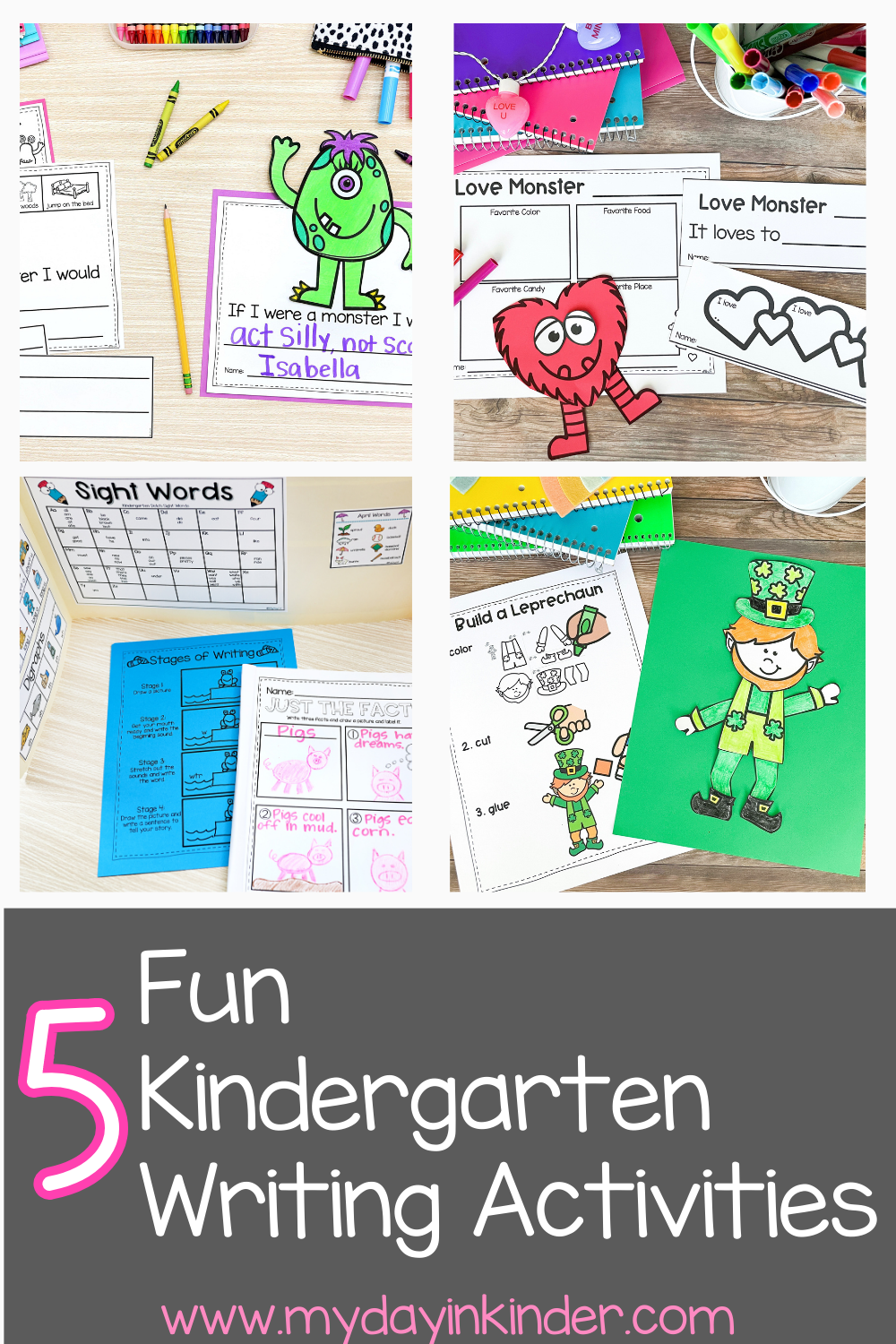
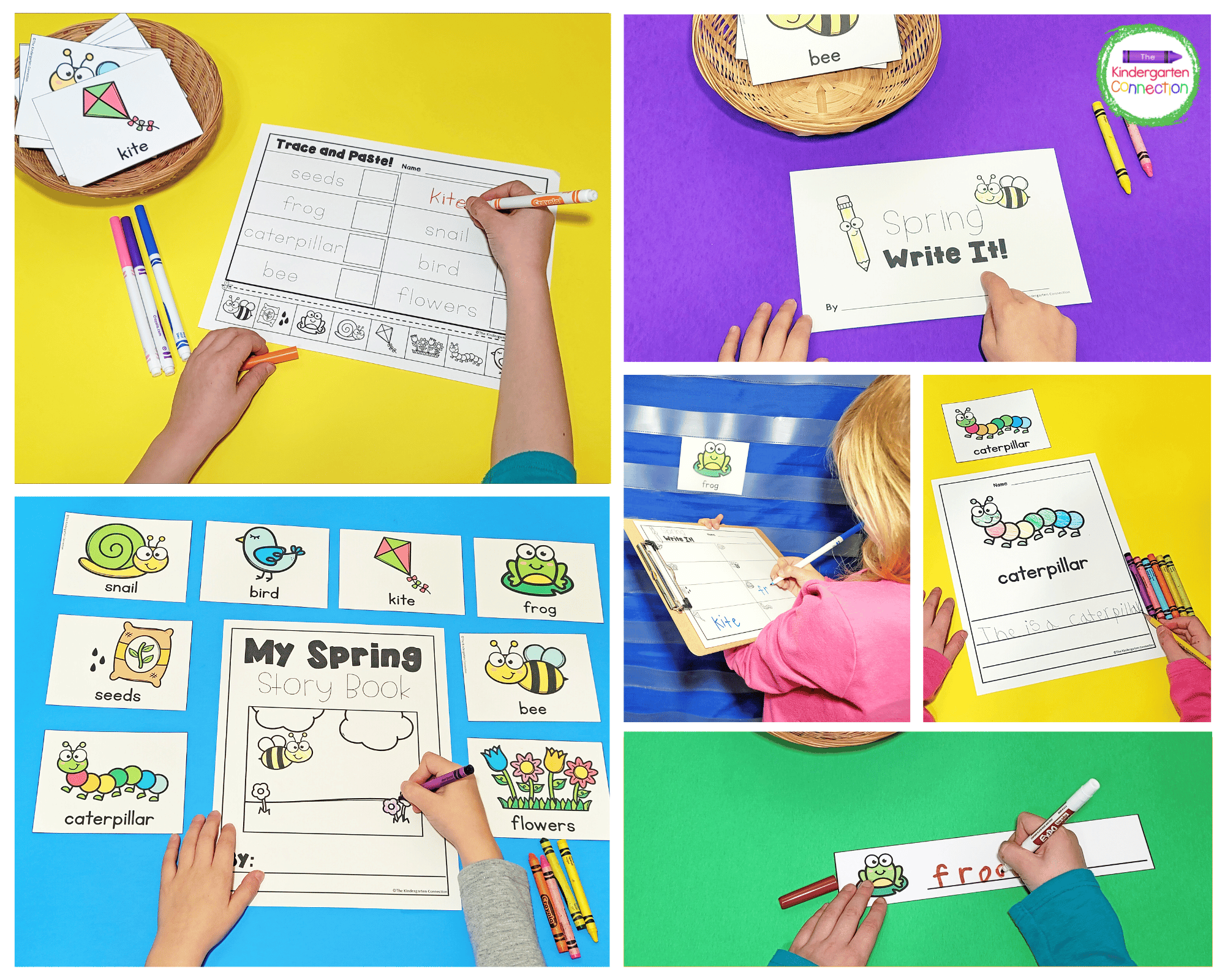
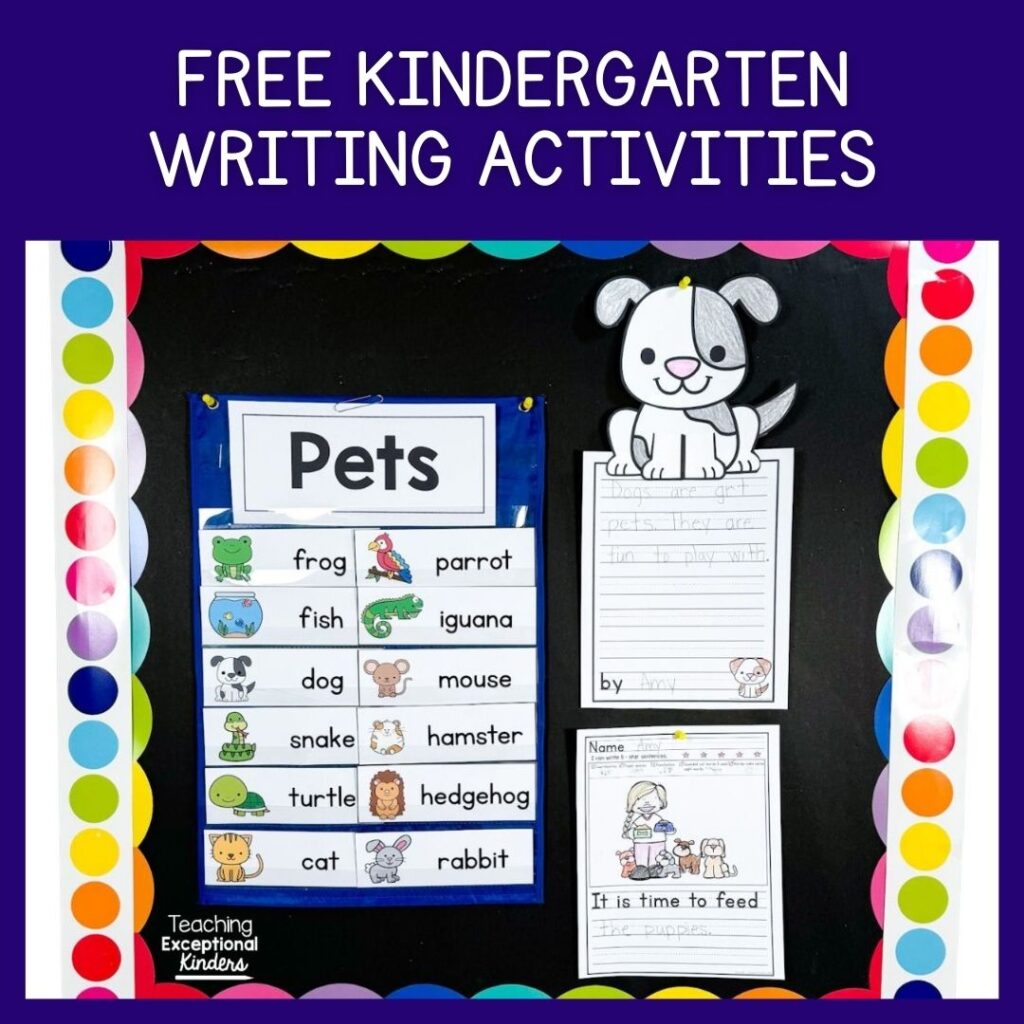
Worksheets can be powerful tools for enhancing writing skills in young children. Consider creating a series of fun writing worksheets that focus on different aspects of writing. For example, you could design a worksheet that combines tracing and writing, where students trace words like “cat,” “dog,” and “ball,” and then write them independently.
Another idea is to create themed worksheets around holidays or seasons. A “Spring Writing Worksheet” could include prompts like “Write about your favorite spring flower” alongside a fun border featuring flowers and butterflies. Make sure to use large, clear fonts and plenty of visuals to keep the worksheets engaging. The use of colorful designs will entice children to pick up their pencils and start writing.
Interactive Writing Activities
Interactive writing activities can be incredibly beneficial for kindergarteners. These activities often involve collaboration and can be done in pairs or small groups. One example is a “Story Chain” activity, where each student contributes a sentence to create a collective story. To facilitate this, you could provide a large piece of paper or a whiteboard where the story is written down, allowing everyone to see the progression.
Another interactive option is a “Writing Relay,” where students pass a piece of paper around, and each child adds a sentence to a story. This can be printed on large sheets so that everyone has enough space to write. The relay format keeps the activity dynamic and exciting, encouraging children to think quickly and creatively.
Themed Writing Stations
Setting up themed writing stations in your classroom can encourage children to explore different writing styles and formats. You might create a “Letter Writing Station,” where students can practice writing letters to friends or family. Provide colorful stationery and envelopes, and perhaps some stickers for decoration.
Another station could focus on “Postcards from Vacation,” where children design their own postcards and write about imaginary trips. You can create templates for these postcards to simplify the process. Each station should have clear instructions and examples to guide the children, making it easy for them to look at the writing activity without needing constant supervision.
Incorporating Technology
While traditional writing activities are essential, incorporating technology can provide a modern twist. Consider using tablets or computers for digital storytelling apps that allow children to write and illustrate their stories. Many apps offer templates and prompts to guide young writers, making the experience interactive and engaging.
You could also create printable digital storyboards, where children can plan their stories before writing. They can draw scenes or characters on the storyboard and then use it as a guide for their writing. Ensure that your printables are easy to use and visually appealing to keep children motivated.
Engaging With Coloring Pages
Coloring pages can be more than just a fun activity; they can also serve as an excellent pre-writing exercise. By providing coloring pages that relate to writing themes—like animals, seasons, or story characters—you can encourage children to think about the stories they want to create. After coloring, prompt them to write a short story or a few sentences about what they colored.
You might design a worksheet that combines a coloring activity with a writing prompt. For example, a page featuring a sun and clouds can come with the prompt, “Write about a day you had fun in the sun.” This combination fosters creativity while allowing children to practice their writing skills.
Using Forms for Reflection
Incorporating forms for reflection can also enhance writing activities. After completing a writing task, ask students to fill out a simple form about what they enjoyed most or what they found challenging. This not only helps them reflect on their writing process but also gives you insights into their experiences.
You could create a printable feedback form that includes sections for “My favorite part of writing today was…” and “I found it challenging to…”. This form can be a simple, colorful template that students can fill out easily. It can be a useful addition to your writing activities, encouraging self-assessment and discussion among peers.