Tracing The Alphabet For Preschoolers
As the sun streams through the windows of a cozy classroom, Ms. Thompson watches her preschoolers eagerly gather around the table. Today’s activity is all about Tracing The Alphabet For Preschoolers, and she can’t wait to see their little fingers moving across the paper. This essential skill not only lays the foundation for reading and writing but also sparks a sense of accomplishment in young learners. In this article, we’ll explore how to implement tracing activities effectively, ensuring that children engage with the alphabet in a fun and meaningful way.
The Importance of Tracing Letters
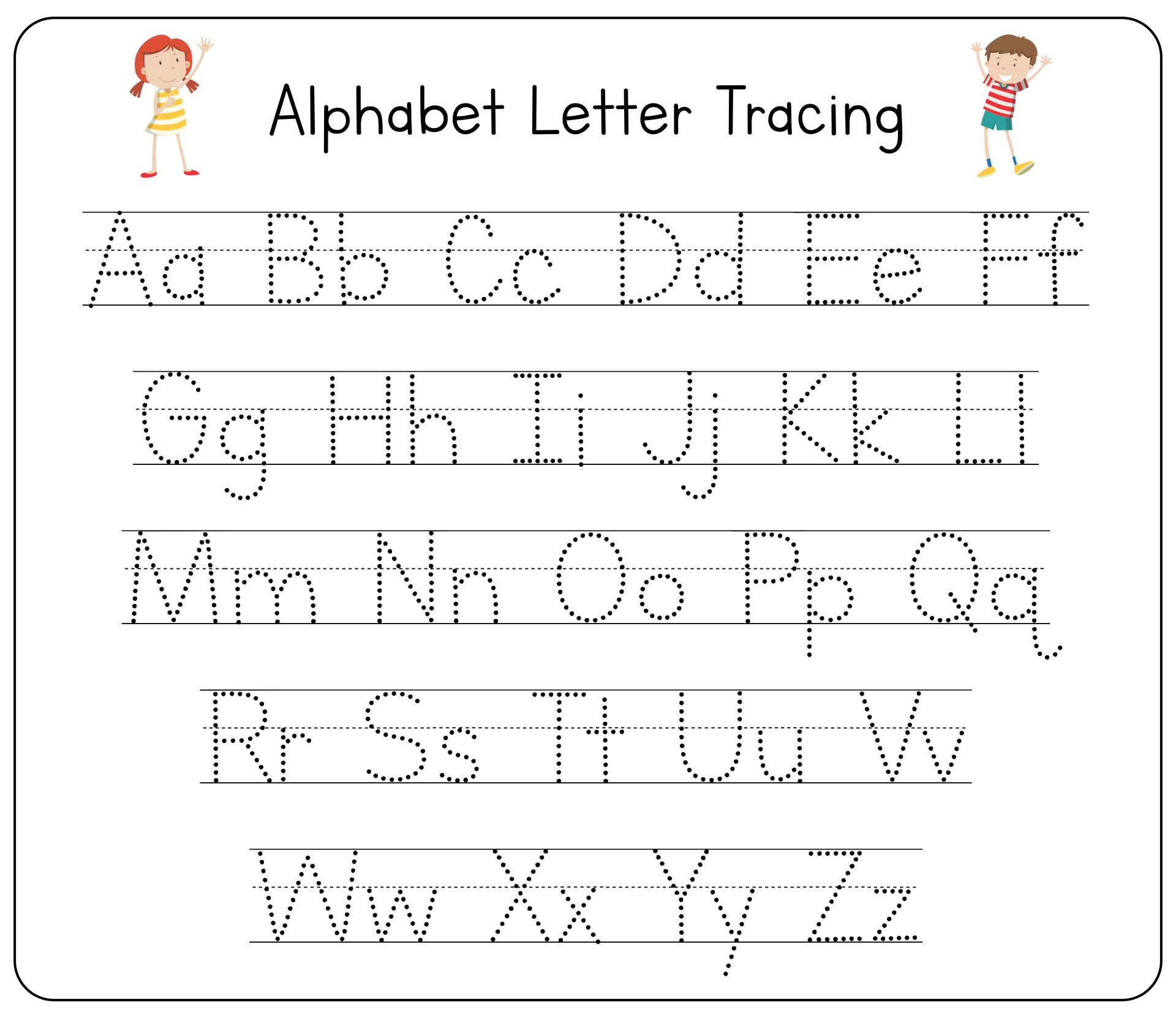
Tracing letters serves multiple purposes in a preschool setting. First and foremost, it helps children develop fine motor skills. As they hold pencils or crayons and trace over the dotted lines, they gain control over their hand movements, which is crucial for later writing tasks.
Moreover, tracing allows preschoolers to familiarize themselves with letter shapes and forms. Repetition is key in learning, and through tracing, children can internalize how each letter looks. This technique not only enhances their recognition skills but also builds confidence as they see their progress.
Incorporating tracing into daily routines can be as simple as dedicating a few minutes each day. For instance, Ms. Thompson sets aside time every morning for letter tracing, allowing her students to practice consistently without feeling overwhelmed.
Setting Up Your Tracing Activities
To effectively teach letter tracing, you’ll need to create a conducive environment. Here’s a practical setup you can consider:
- Materials: Gather a variety of materials, such as:
- Tracing worksheets (these can be printed or created)
- Pencils, crayons, or markers
- Whiteboard and markers for demonstration
- Optional: sensory materials like sand or finger paint for a tactile experience
- Space: Arrange a specific area in your classroom or home where children can focus on tracing. Ensure it’s well-lit and free from distractions.
- Group Size: Depending on your setting, keep group sizes small (ideally 3-5 children) so you can provide individual attention. This setup allows you to help each child as needed, ensuring they understand the activity.
- Routine: Establish a routine by integrating tracing into your daily schedule. For example, start each day with a tracing session. This consistency helps children anticipate and look forward to the activity.
Using Printable Resources for Tracing
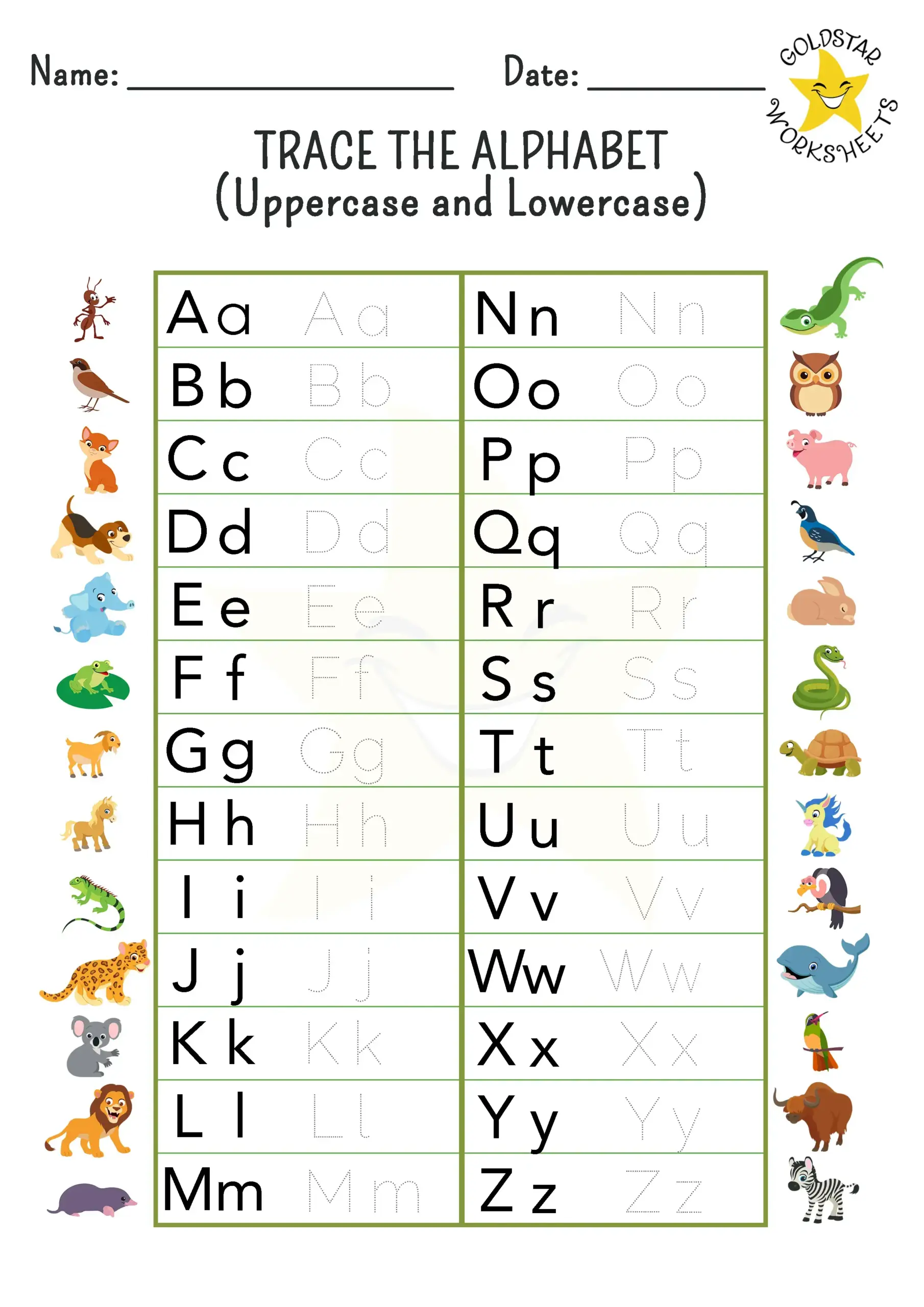
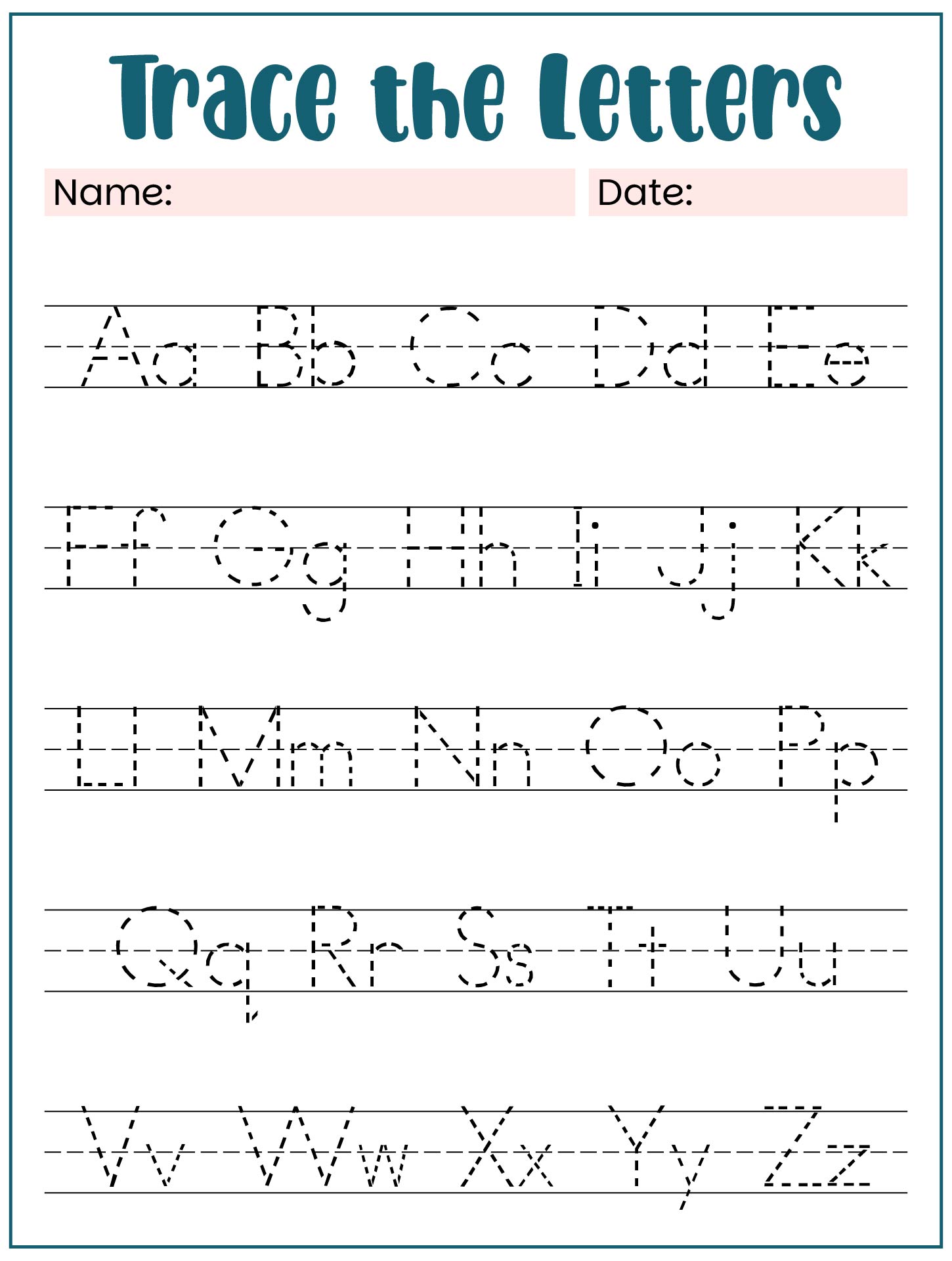
Printable worksheets can be invaluable for teaching preschoolers how to trace the alphabet. Look for resources that feature:
- Dotted Letters: These provide a clear guide for children to follow. Ensure the letters are appropriately sized for small hands.
- Variety: Include both uppercase and lowercase letters. This way, children can practice both forms, which is essential for comprehensive literacy development.
- Fun Themes: Engage children with themed tracing sheets, such as animals or seasonal images. This makes the activity more enjoyable and helps maintain their interest.
Consider using a mix of worksheets throughout the week. For example, you might focus on letters A, B, and C on Monday, and then introduce D and E on Tuesday. Spacing out the practice helps reinforce learning without overwhelming the children.
Incorporating Multi-Sensory Approaches
To enhance the learning experience, consider incorporating multi-sensory approaches into your tracing activities. Here are a few ideas:
- Sand Tracing: Pour sand into a shallow tray and have children use their fingers to trace letters in the sand. This tactile experience can be very engaging and helps reinforce letter shapes.
- Finger Paint: Allow children to “paint” letters using their fingers. This method can be messy but is often a favorite among young learners.
- Playdough: Use playdough to form letters. Children can roll and shape the dough into the letter forms, providing a hands-on approach to learning the alphabet.
These multi-sensory methods cater to different learning styles, making it easier for all children to grasp the concept of letter formation while keeping the activities lively.
Tracking Progress in Letter Tracing
Monitoring progress is crucial in ensuring that preschoolers are developing their tracing skills effectively. Here’s how you can keep track of their advancement:
- Regular Assessments: Set aside time each week to assess how well each child is tracing letters. This can be done informally through observation or with specific worksheets designed for assessment.
- Visual Displays: Create a progress chart where children can see their achievements. For instance, use stickers or stamps to mark completed letters. This visual representation can motivate them to keep practicing.
- Parent Involvement: Encourage parents to engage in tracing activities at home. Sending home a few worksheets or suggesting tracing exercises can help reinforce what children learn in the classroom.
- Reflection: After each tracing session, take a moment to reflect on what worked well and what could be improved. This will help you tailor your approach to better suit the needs of your students.
Wrap-Up and Immediate Action
Integrating Tracing The Alphabet For Preschoolers into your teaching routine can be both rewarding and effective. By setting up a structured environment, utilizing engaging resources, and incorporating multi-sensory experiences, you’ll help young learners master this foundational skill.
As a practical tip, consider starting your next tracing session with a fun song about the alphabet. This can create a joyful atmosphere and get the children excited about the activity. With a little creativity and consistency, you’ll see their progress flourish!