Interesting Brain Teasers With Answers
Brain teasers are an excellent way to engage students and encourage critical thinking in the classroom. By using Interesting Brain Teasers With Answers, you can create an interactive learning environment that challenges young minds while also making the learning process enjoyable. This guide will help you understand how to effectively incorporate these brain teasers into your lessons, track progress, and enhance your students’ problem-solving skills.
What Are Brain Teasers?
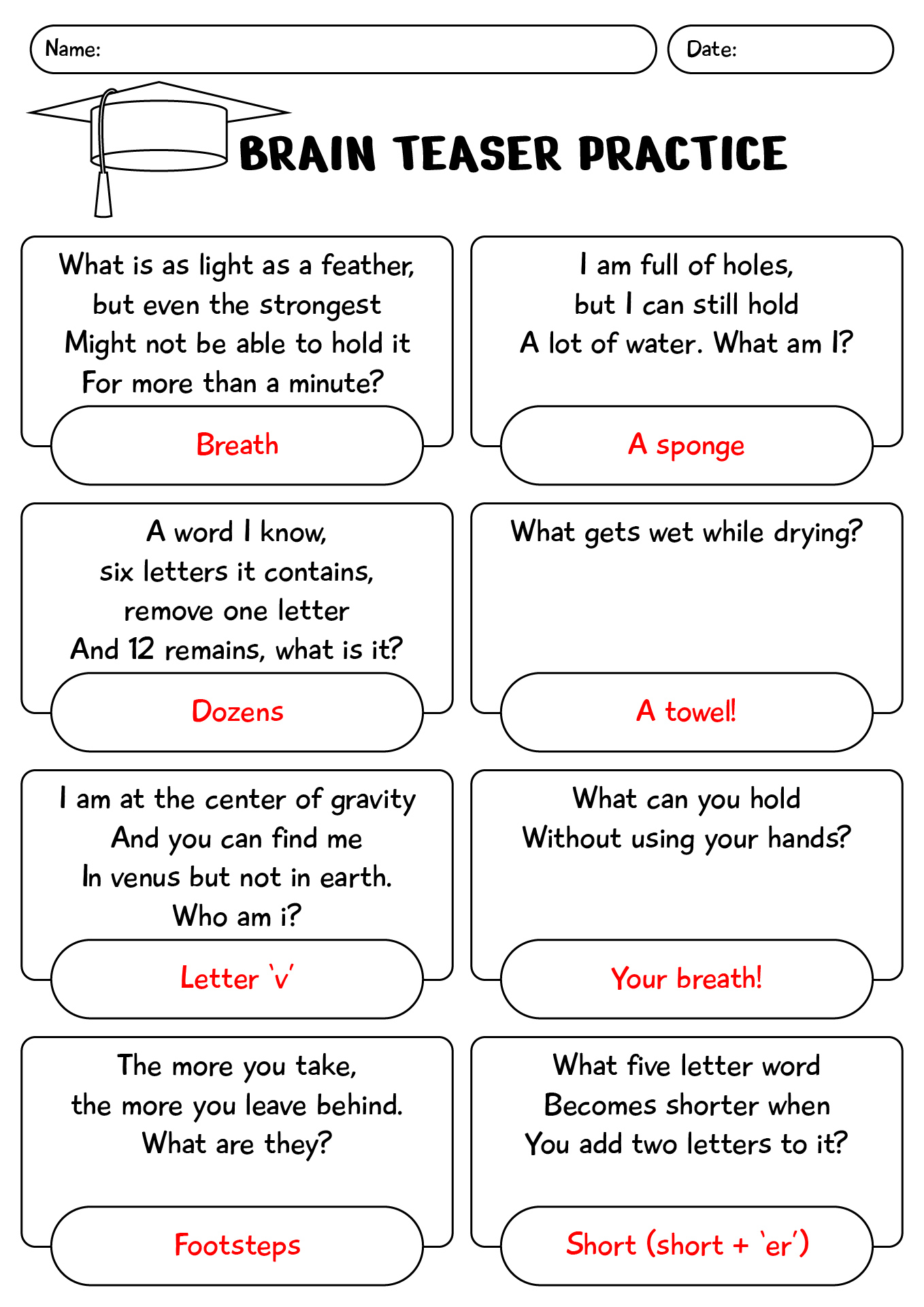
Brain teasers are puzzles or riddles that require creative thinking and often involve lateral thinking to solve. They can range from simple riddles to complex puzzles that require a series of steps to arrive at a solution. The goal is to stimulate cognitive skills, promote teamwork, and encourage logical reasoning among students. When selecting brain teasers, consider age-appropriateness and the cognitive abilities of your students.
Benefits of Using Brain Teasers in the Classroom
Incorporating interesting brain teasers into your teaching strategy offers several advantages:
- Enhances Critical Thinking: Brain teasers require students to think outside the box and develop problem-solving skills.
- Promotes Engagement: Fun and challenging puzzles capture students’ attention and make learning more enjoyable.
- Encourages Collaboration: Working on brain teasers in groups fosters teamwork and communication among students.
- Improves Focus: Solving puzzles can help students build concentration and focus, essential skills for academic success.
Types of Interesting Brain Teasers
When choosing brain teasers, it’s essential to consider the variety available. Here are some types you might find useful:
Riddles
Riddles are short puzzles that often involve wordplay. They can be humorous or thought-provoking. Here’s an example:
Riddle: What has keys but can’t open locks?
Answer: A piano.
Logic Puzzles
Logic puzzles require students to use deductive reasoning to arrive at a solution. These can often be more complex and suitable for older students.
Puzzle: There are three houses in a row. One is red, one is blue, and one is green. If the red house is to the left of the blue house, and the green house is to the right of the blue house, which house is in the middle?
Answer: The blue house.
Math Brain Teasers
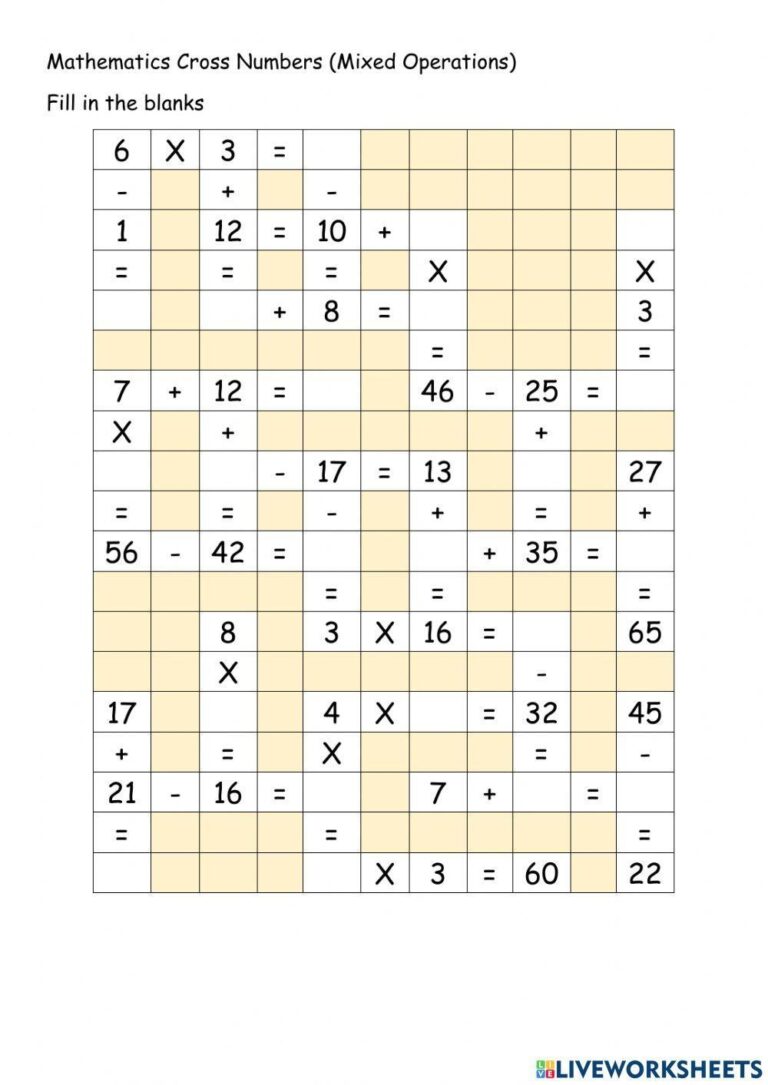
These puzzles incorporate mathematical concepts, making them perfect for reinforcing math skills.
Teaser: If you multiply this number by 2, then subtract 4, you get 10. What is the number?
Answer: 7.
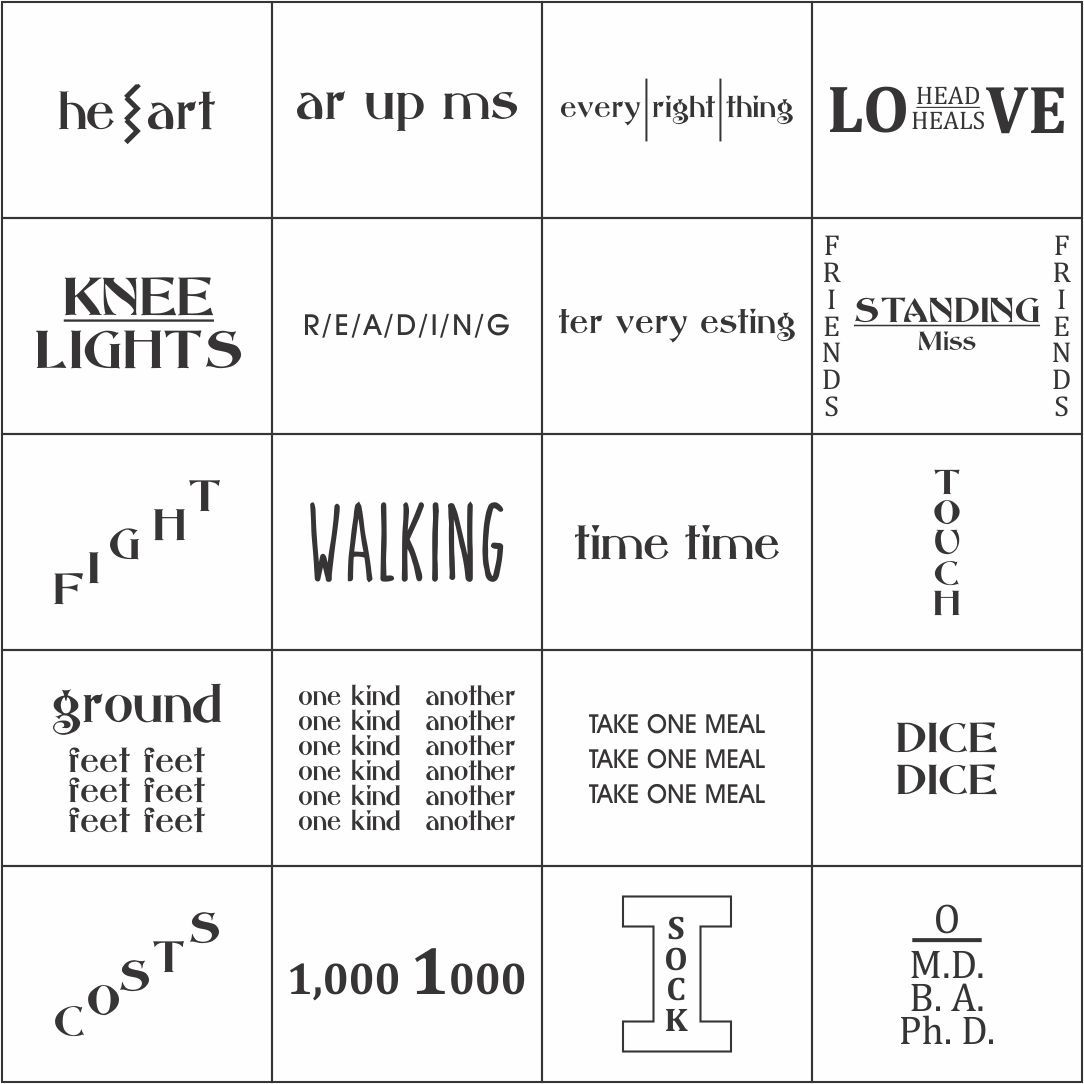
Visual Puzzles
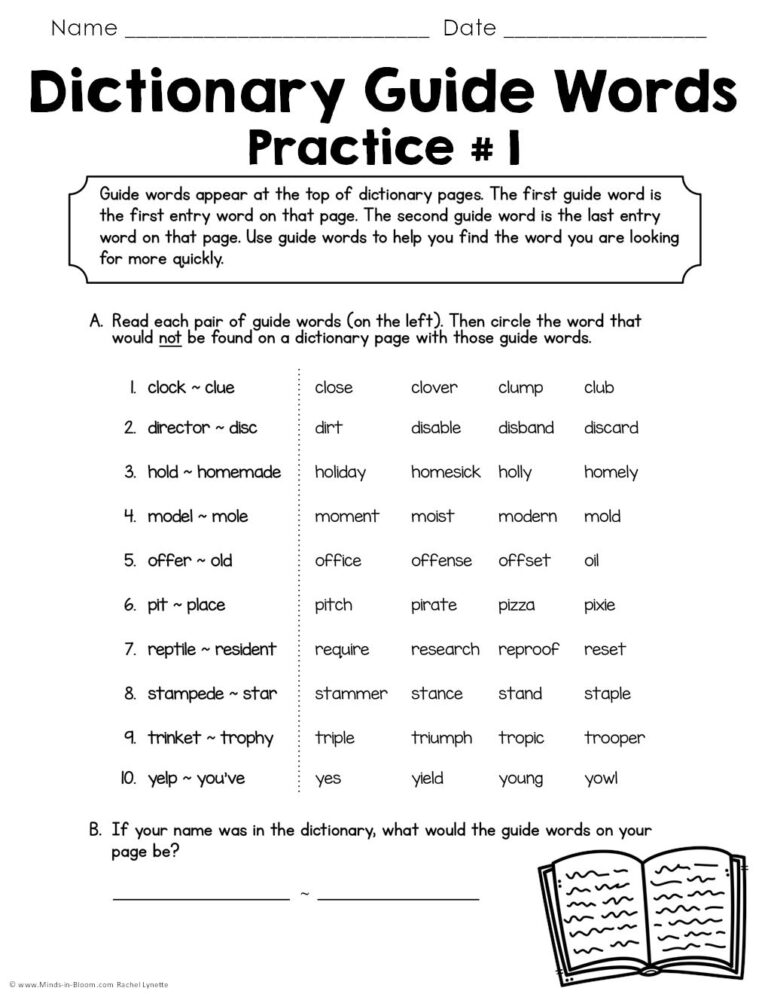
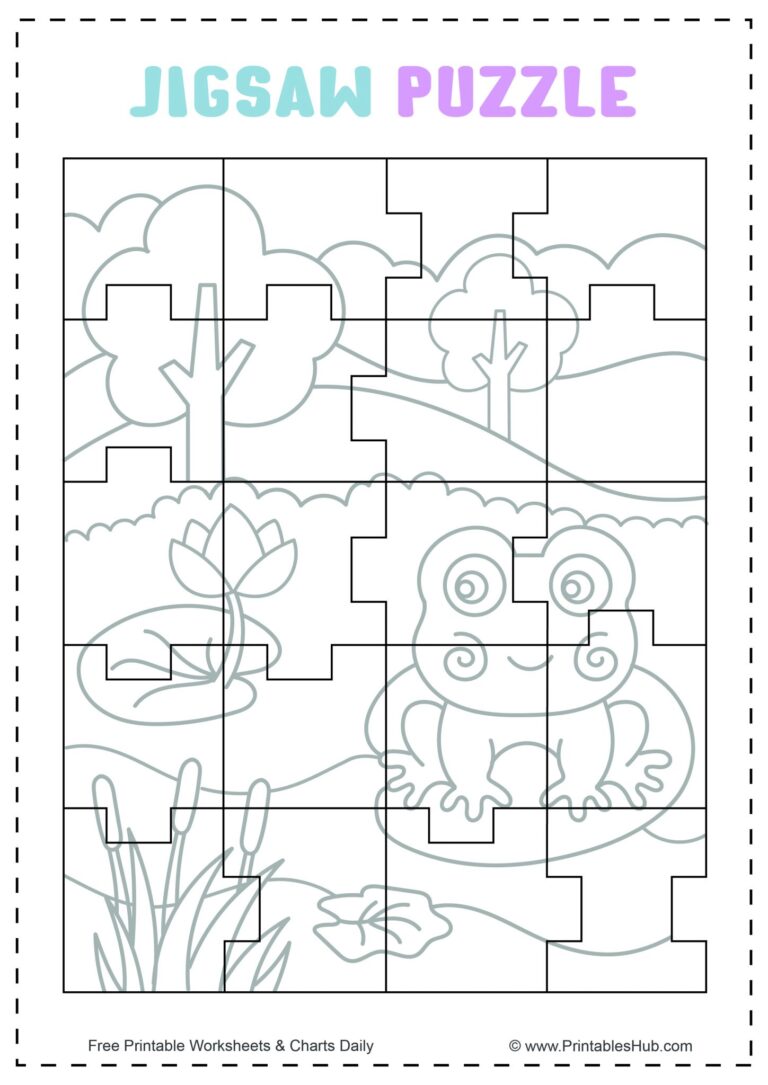
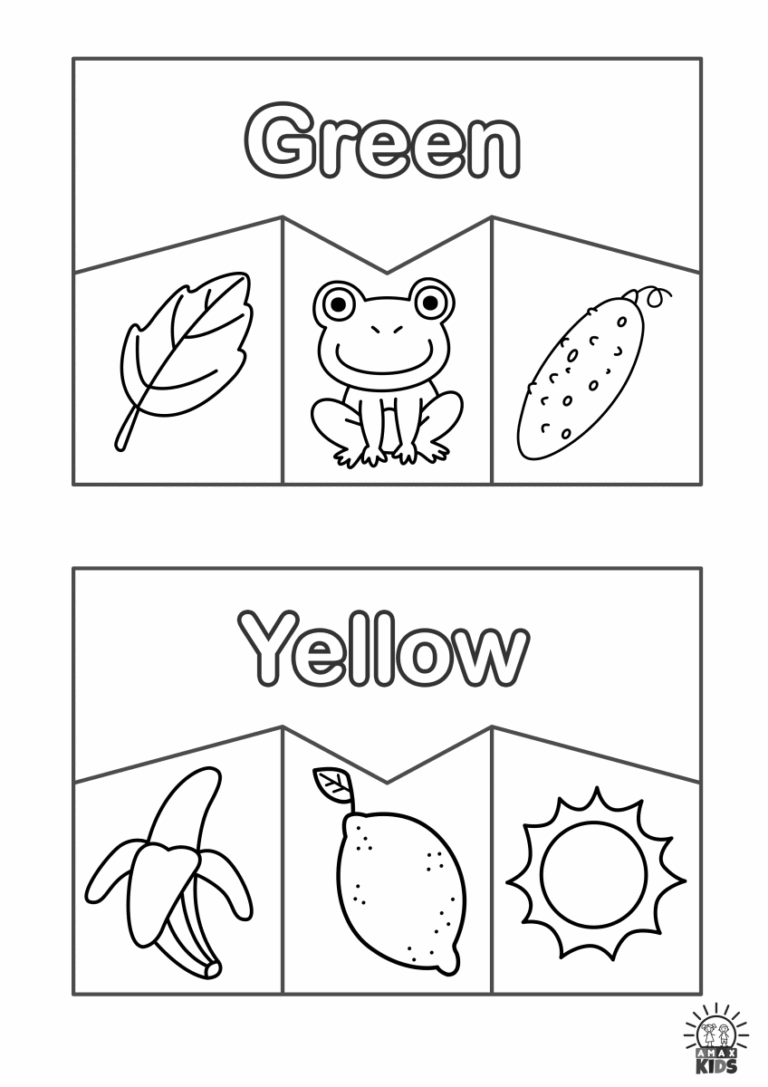
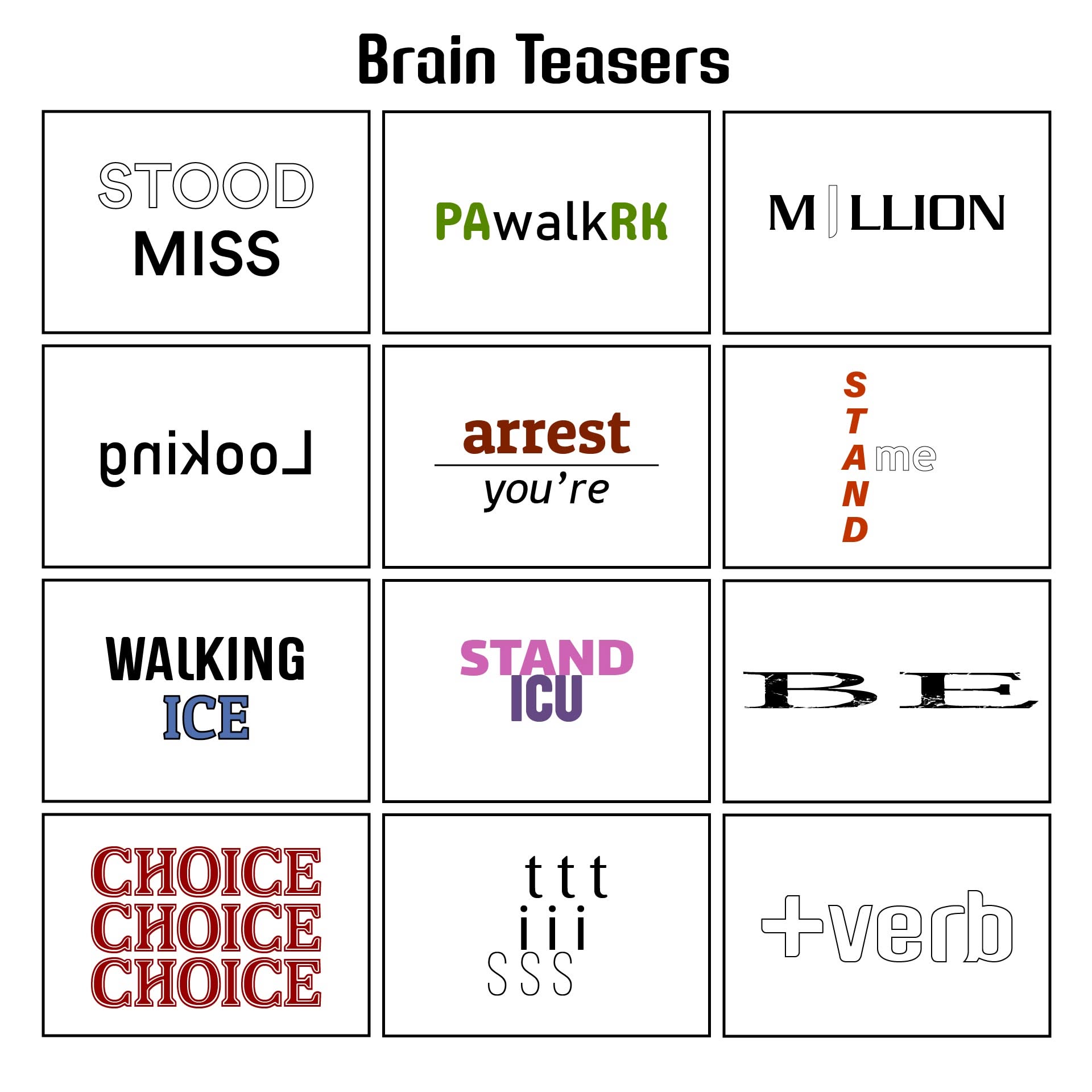
Visual brain teasers can be particularly engaging. They require students to interpret images or diagrams to find the answer. You might consider using printable resources for these types.
How to Effectively Use Brain Teasers in Your Classroom
- Select Appropriate Puzzles: Choose brain teasers that match your students’ age and skill level. Ensure they are challenging but not too difficult to frustrate learners.
- Integrate with Curriculum: Use brain teasers to reinforce concepts taught in class. For example, if you are covering math, select math-related brain teasers.
- Encourage Group Work: Allow students to work in pairs or small groups to solve puzzles. This encourages discussion and teamwork.
- Track Progress: Keep a record of how many brain teasers each student or group solves correctly. This can help you identify areas where students may need additional support.
- Provide Feedback: After students attempt the brain teasers, review the answers together. Discuss different approaches to finding the solutions, which fosters critical thinking.
Printable Brain Teasers for Easy Use
To save time and ensure you have a variety of brain teasers readily available, consider downloading printable resources. These often come in PDF format, making them easy to print and distribute to your students. Look for resources that provide the following:
- A variety of brain teasers in different categories.
- An answer key for quick referencing.
- Engaging graphics or themes to capture student interest.
Tips for Downloading and Printing Resources
- Use Quality Paper: For durability, print on heavier paper, especially if you plan to laminate the sheets for repeated use.
- Check Printer Settings: Make sure your printer is set to the correct paper size, typically A4 or Letter, to avoid formatting issues.
- Consider Portrait Layout: Most worksheets and puzzle formats look best in portrait orientation, so adjust your settings accordingly.
Tracking Student Progress With Brain Teasers
Keeping track of how well students perform on brain teasers can provide valuable insights into their cognitive development. Here are some methods:
- Create a Tracking Sheet: Develop a simple spreadsheet to log scores and track improvement over time.
- Use Group Challenges: Organize competitions where groups can earn points for correct answers, fostering a fun and motivating environment.
- Reflect on Learning: After a set period, discuss what types of brain teasers students found most challenging or enjoyable, and adjust your resources accordingly.
With the right approach, Interesting Brain Teasers With Answers can be a valuable tool in your educational toolbox. By engaging students with thought-provoking puzzles, you not only make learning fun but also help them develop essential skills that will serve them well in their academic journey.