Coding Exercise: Decoding A Secret Message
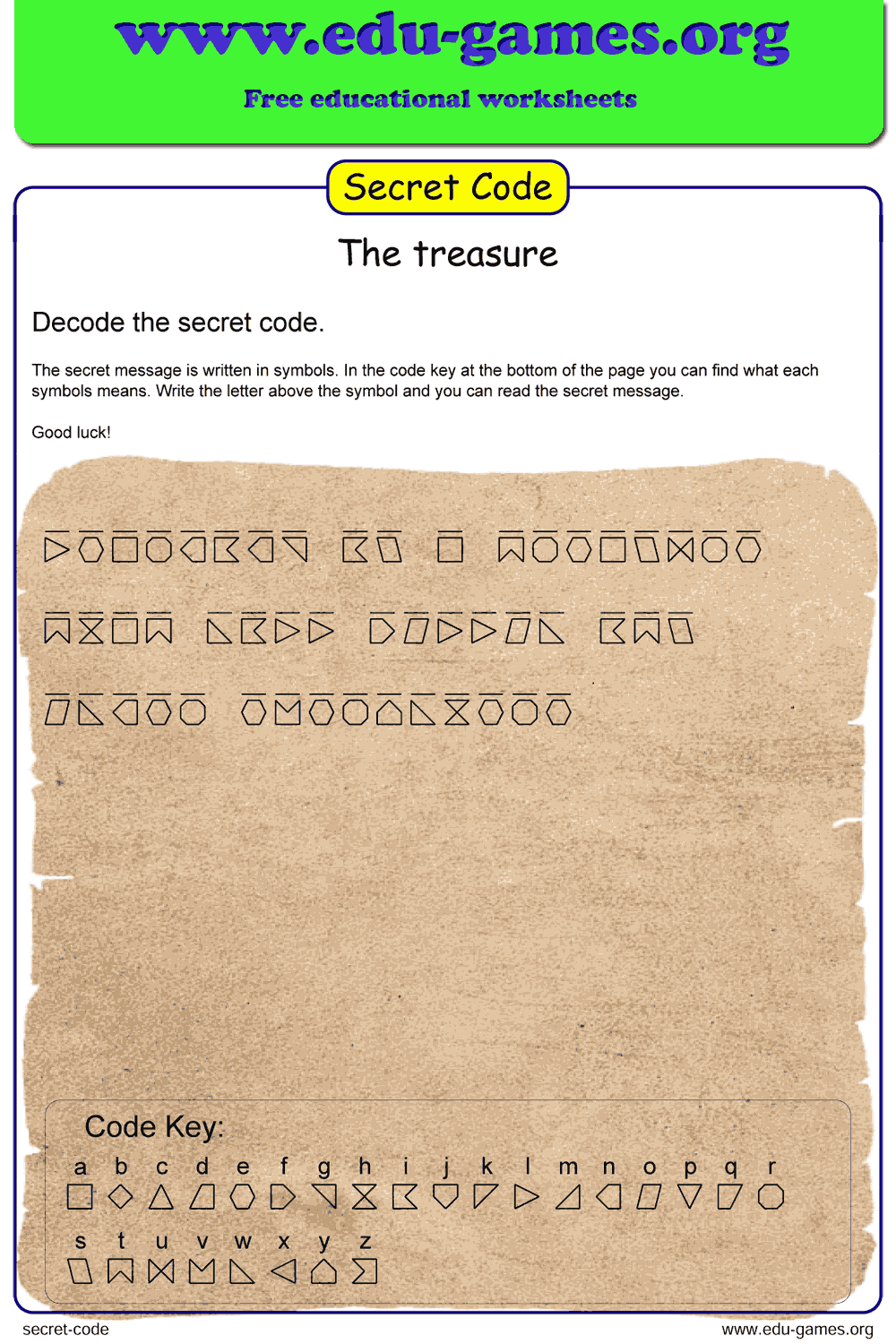
Coding Exercise: Decoding A Secret Message offers a unique and engaging way to teach coding concepts to your students. This resource is perfect for educators looking to introduce their class to basic coding skills while fostering critical thinking and problem-solving abilities. It allows students to work collaboratively or independently, decoding messages and enhancing their understanding of programming fundamentals.
What is the Coding Exercise: Decoding A Secret Message?
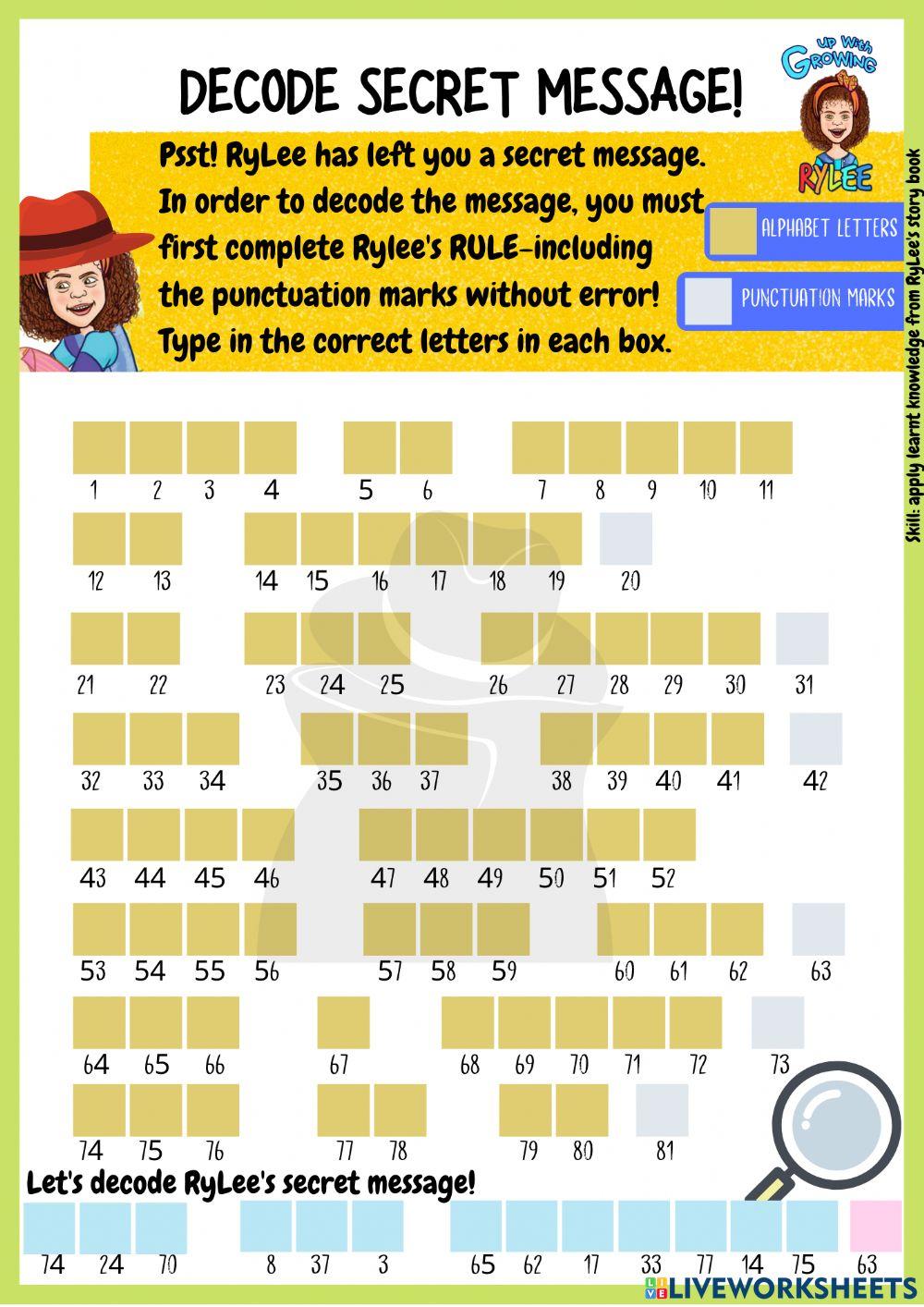
This printable resource includes a series of coded messages that students must decipher using a key provided within the document. The activity is designed to illustrate how coding works in real life and can be adapted for various grade levels, particularly suitable for grades 3-8. Each coded message presents an opportunity for students to practice logical reasoning and develop their coding skills.
The activity can be printed out in a matter of minutes, making it easy to incorporate into your lesson plans. You’ll find that the resource is versatile and can be used in various subjects, including math, language arts, and computer science.
How to Use the Resource in Your Classroom
To effectively implement the Coding Exercise: Decoding A Secret Message in your classroom, follow these steps:
- Preparation: Print out the coding exercises. Depending on your class size, you may want to create individual worksheets or group sets.
- Introduce Coding Concepts: Before diving into the exercises, explain the basic principles of coding to your students. Discuss how coding is used in software development, web design, and even everyday applications.
- Engage Students: Encourage students to work in pairs or small groups to decode the messages. This collaboration will foster teamwork and communication as they discuss strategies for deciphering the codes.
- Provide Support: Circulate around the classroom to offer assistance or clarification as needed. Some students may struggle initially, so be prepared to provide hints or guide them back on track.
- Review and Discuss: After the decoding activity, hold a class discussion to go over the answers. Ask students to share their thought processes and the strategies they used to decode the messages. This reflection reinforces their learning and encourages critical thinking.
Adapting the Resource for Different Learning Levels
One of the strengths of the Coding Exercise: Decoding A Secret Message is its adaptability. Here’s how you can modify the difficulty based on your students’ proficiency:
For Younger Students (Grades 3-5)
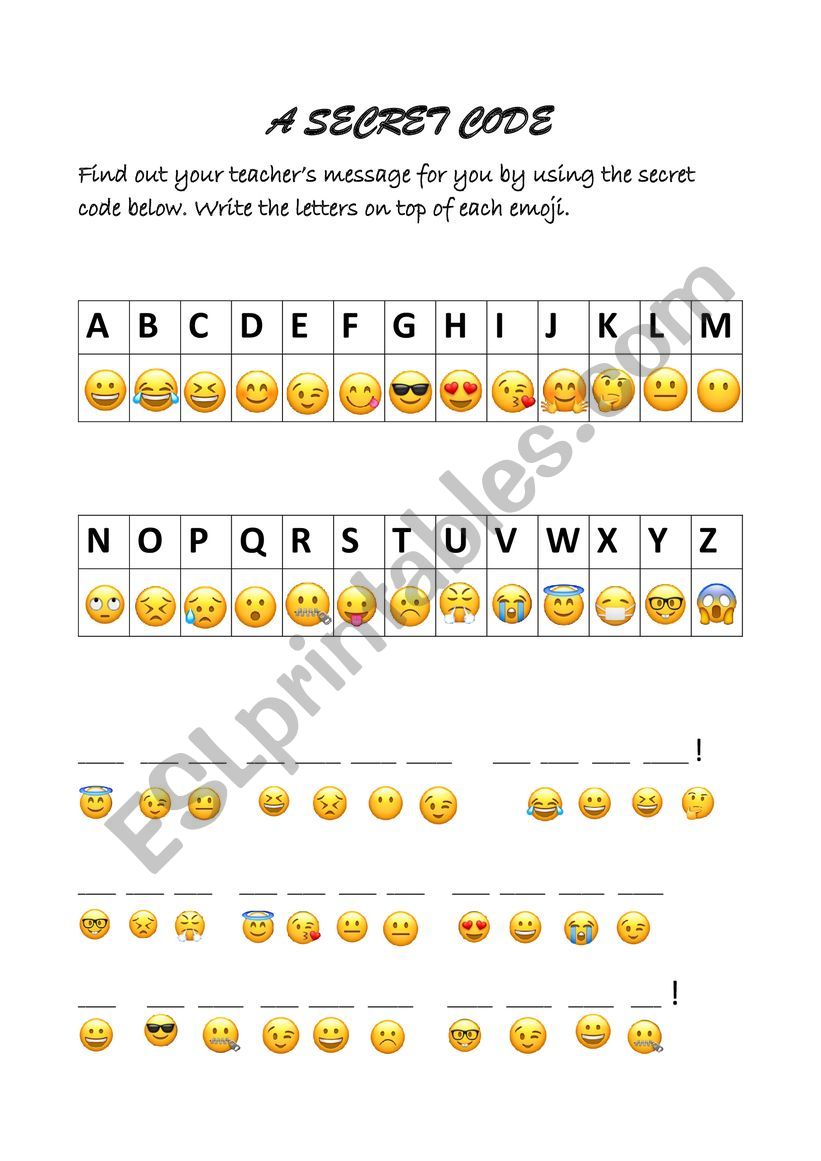
- Simplify the coded messages by using fewer characters or symbols.
- Provide a larger hint or a partial key to assist in decoding.
For Older Students (Grades 6-8)
- Introduce more complex codes, such as those that require multiple steps to decode or incorporate additional logic puzzles.
- Challenge students to create their own coded messages and exchange them with classmates for decoding.
Incorporating Additional Learning Opportunities
The Coding Exercise: Decoding A Secret Message can also serve as a springboard for further exploration of coding concepts:
- Incorporate Technology: Use coding platforms like Scratch or Code.org to reinforce the concepts learned through the decoding exercise. Students can create their own coding projects that incorporate the skills they practiced.
- Cross-Curricular Links: Tie the decoding exercise to literature by having students decode messages related to a book they are reading. This can enhance their engagement and understanding of the text.
- Reflection and Assessment: After the activity, ask students to write a reflection on what they learned about coding and how they can apply these skills in other areas. This not only assesses their understanding but also encourages them to think about the real-world applications of coding.