Fill In The Blanks With The Correct Words
Using fill-in-the-blank activities can be a fantastic way to enhance students’ vocabulary and comprehension skills. This specific resource, designed around the concept of “Fill In The Blanks With The Correct Words,” provides practical templates that you can immediately integrate into your teaching routine. These worksheets not only encourage active participation but also allow for personalized learning experiences, making them a favorite among educators and parents alike.
Understanding the Layout of Fill-In-The-Blank Worksheets
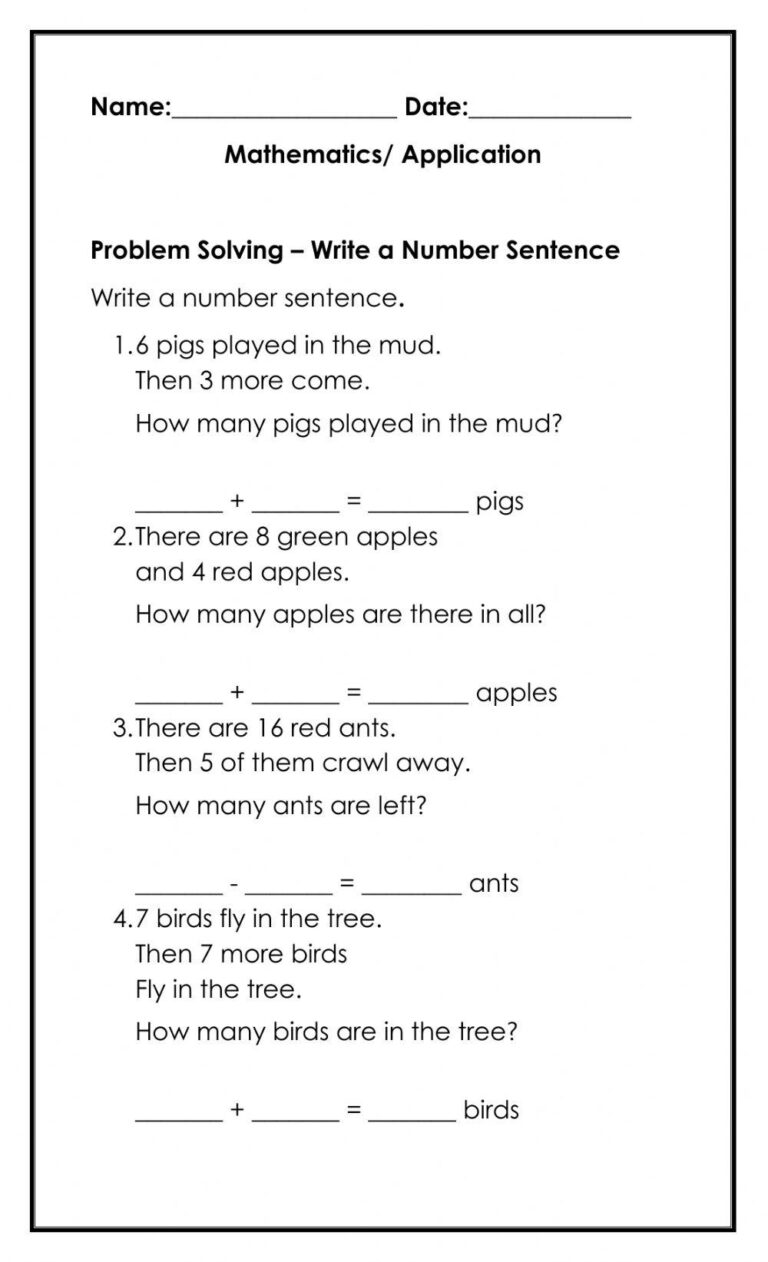
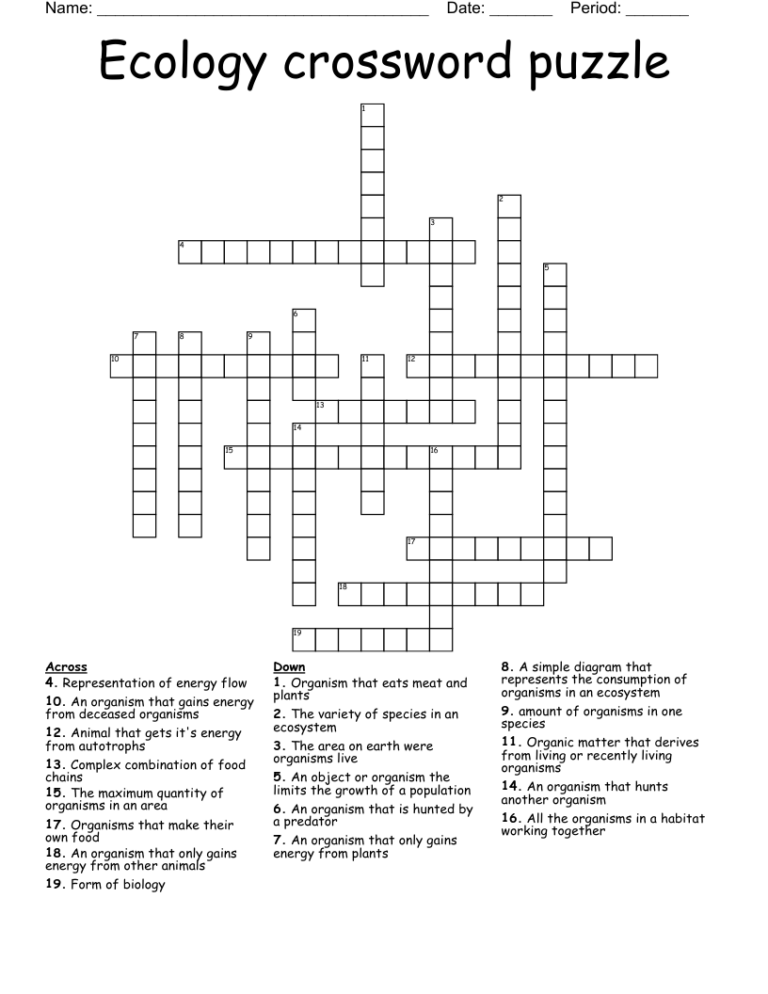
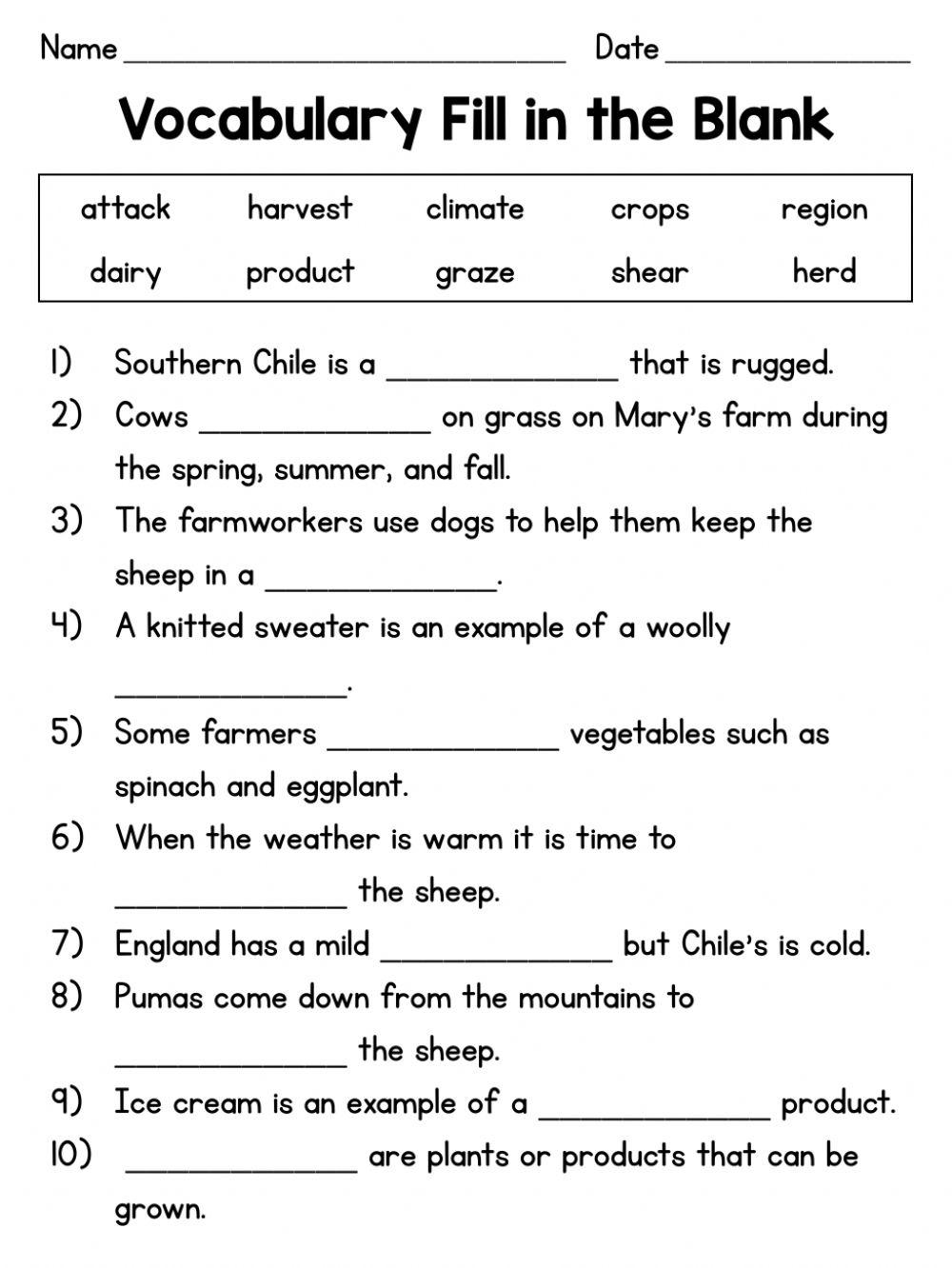
When you first look at these worksheets, you’ll notice a clean, organized layout that is easy for students to navigate. Typically, each worksheet includes:
- A brief introduction or instruction at the top, guiding students on how to approach the task.
- A series of sentences with missing words, clearly marked with blank spaces. These blanks can vary in length, indicating the number of letters or syllables needed, which can aid students in their guessing process.
- A word bank is often provided at the bottom or side of the page. This section contains the correct words that students can refer to as they work through the activity.
The clear separation of sections helps students focus and minimizes confusion. For younger students, using a larger font size and ample spacing between lines can be particularly beneficial. You may also find that color coding the blanks or the words in the word bank can capture their attention and make the activity more engaging.
Tailoring Activities for Different Grade Levels
One of the strengths of using fill-in-the-blank worksheets is their adaptability to different grade levels. For instance, early elementary students may benefit from simpler sentences and a limited word bank, while older students can tackle more complex sentences with fewer clues.
Kindergarten to Grade 2
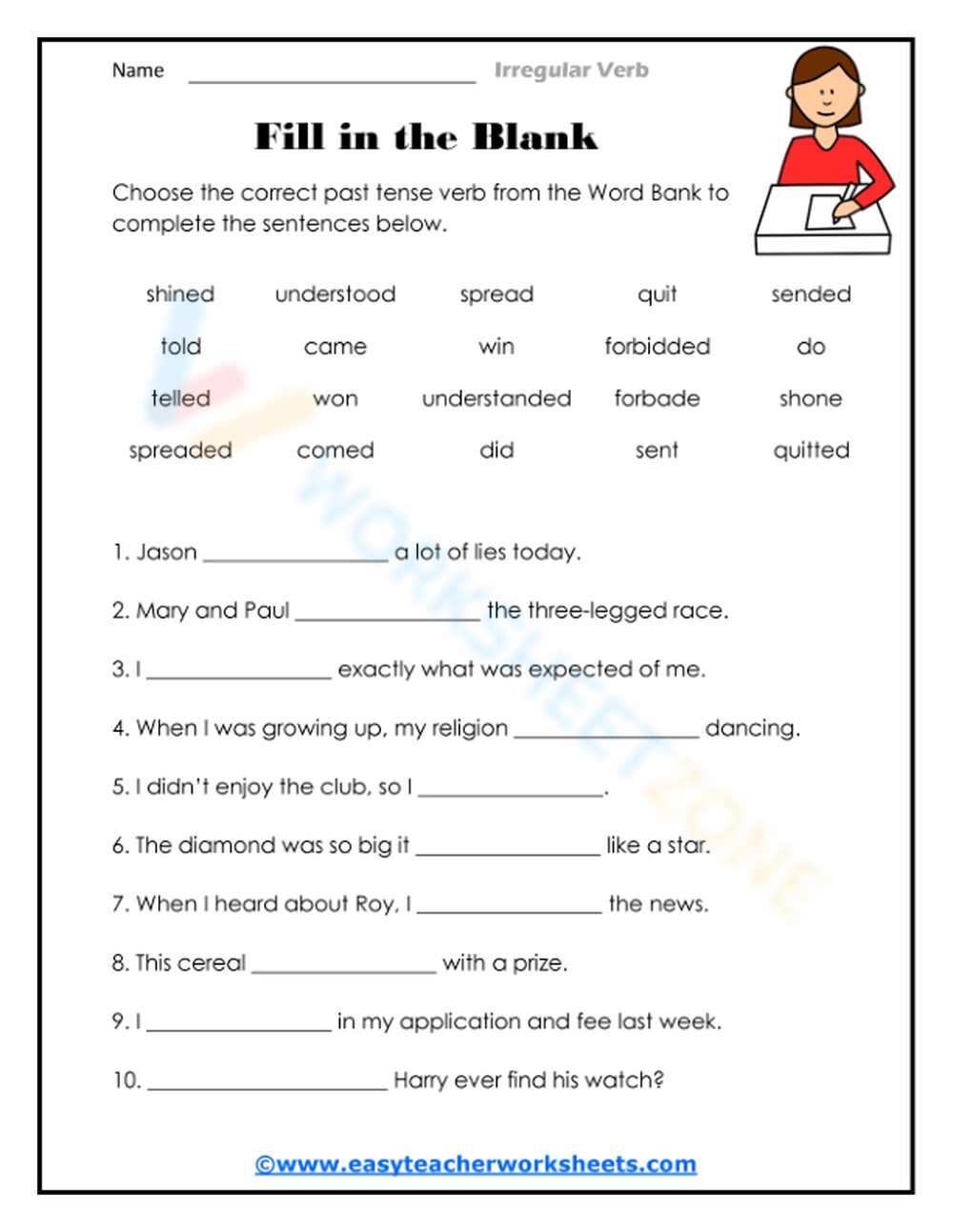
In these grades, worksheets might focus on basic vocabulary, such as common nouns and verbs. The sentences should be straightforward and often relate to familiar topics, like animals or everyday activities. For example, a sentence could read, “The cat is __,” with options like “cute,” “big,” or “soft” in the word bank.
Grades 3 to 5
As students progress, the vocabulary can increase in complexity. You might include thematic units, such as seasons or historical events, that require students to think critically about word choices. For example, “During autumn, the leaves turn __,” with words like “red,” “yellow,” and “brown” provided.
Grades 6 and Up
For middle school and high school students, consider integrating fill-in-the-blank activities with literature or subject-specific terminology. A sentence from a novel could be modified to include blanks for key character traits or themes. This not only reinforces their understanding of the text but also encourages deeper analysis of the material.
Engaging Students With Interactive Formats
While traditional worksheets are effective, mixing in digital formats can enhance engagement. Digital fill-in-the-blank activities can be created using platforms like Google Slides or educational apps. These formats allow for instant feedback, as students can see their answers marked right or wrong immediately.
Additionally, consider creating a group activity where students work together to fill in the blanks on a shared document. This collaborative approach not only builds teamwork skills but also encourages discussion about word choices, fostering a deeper understanding of vocabulary usage.
Incorporating Fill-In-The-Blank Worksheets Into a Broader Curriculum
Integrating these worksheets into your curriculum can be seamless. You might use them as warm-up exercises at the start of a lesson, reinforcing vocabulary from the previous class. Alternatively, they can serve as a fun assessment tool to gauge students’ understanding of new content.
To maximize their effectiveness, consider pairing these worksheets with other activities. For example, after completing a fill-in-the-blank exercise, students could engage in a writing prompt where they use the newly learned vocabulary in their sentences. This reinforces their understanding and helps transfer knowledge from passive recognition to active usage.
Seasonal and Thematic Variations
To keep the content fresh and exciting, it’s helpful to create seasonal or thematic variations of fill-in-the-blank worksheets. For example, you could design worksheets around holidays, such as Thanksgiving or Earth Day, to align with lessons in science or social studies. This not only makes learning more relevant but also connects vocabulary to real-world contexts.
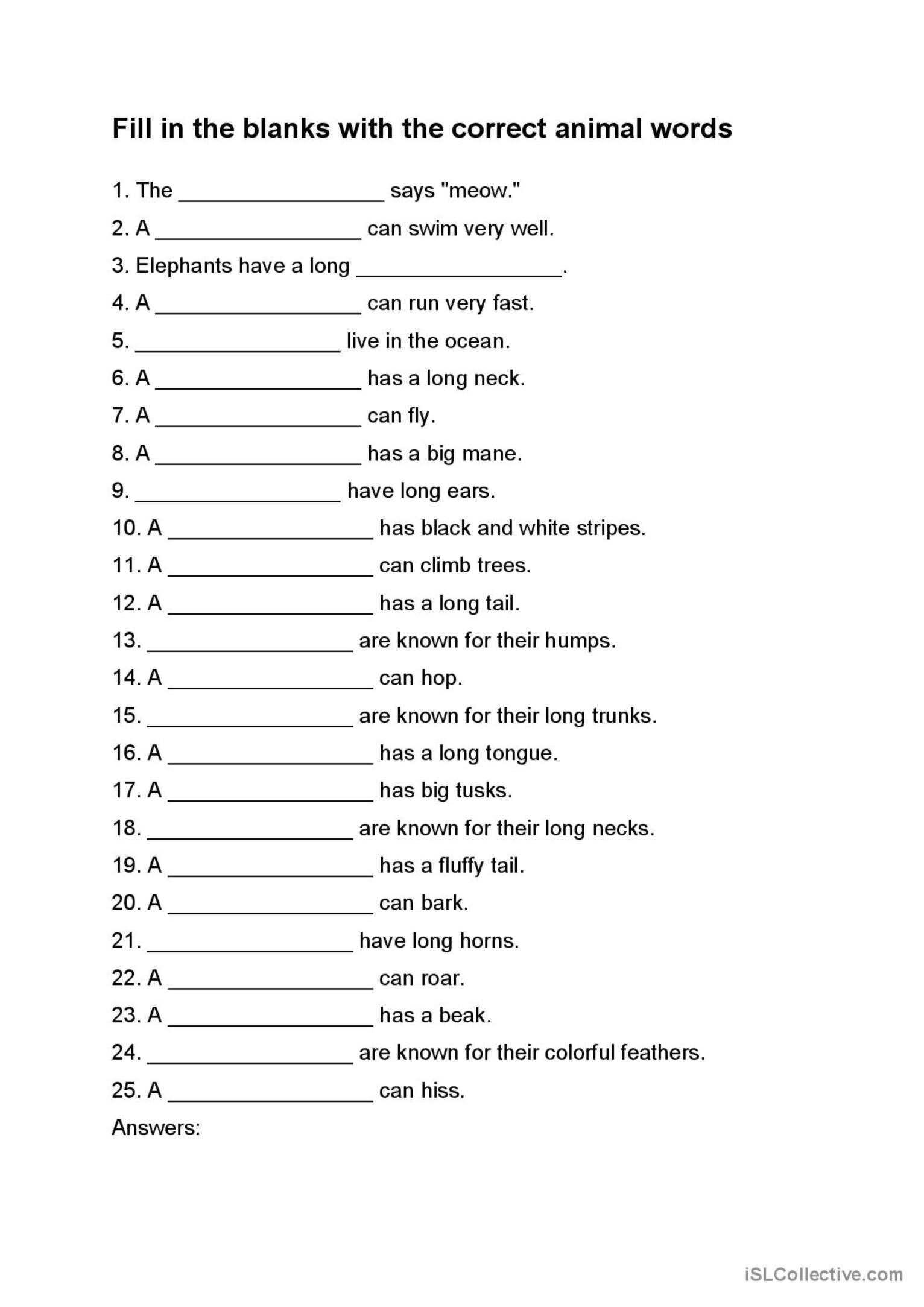
Practical Tips for Printing and Using Worksheets
When it comes to printing these worksheets, consider the following tips to ensure the best results:
- Paper Type: Using standard printer paper (8.5 x 11 inches) is typically sufficient, but for durability, you might opt for cardstock, especially if the worksheets will be reused or laminated.
- Printer Settings: Make sure to adjust your printer settings for best quality, especially if you’re using color. A portrait layout generally works better for most home printers.
- Distribution: If you’re working with a larger class, consider creating a digital folder where students can access and print their own copies. This not only saves paper but also encourages responsibility.
You can mix and match your resources to create a diverse learning experience for your students. Whether you choose traditional paper worksheets or interactive digital formats, the key is to keep the learning process engaging and relevant.
By implementing “Fill In The Blanks With The Correct Words” worksheets in your classroom, you can create an interactive and enjoyable learning environment while helping students develop crucial language skills. If you are focusing on foundational vocabulary for younger learners or complex literary analysis for older students, these resources can be tailored to meet various educational needs.