Cutting And Gluing Activities For Preschoolers
Cutting and gluing activities for preschoolers are essential for developing fine motor skills, hand-eye coordination, and creativity. These activities not only keep little hands busy but also provide a fun and engaging way for young children to express themselves artistically. If you’re a teacher looking for practical printable resources that can be used immediately in the classroom, you’ve come to the right place.
Why Cutting and Gluing Activities Matter
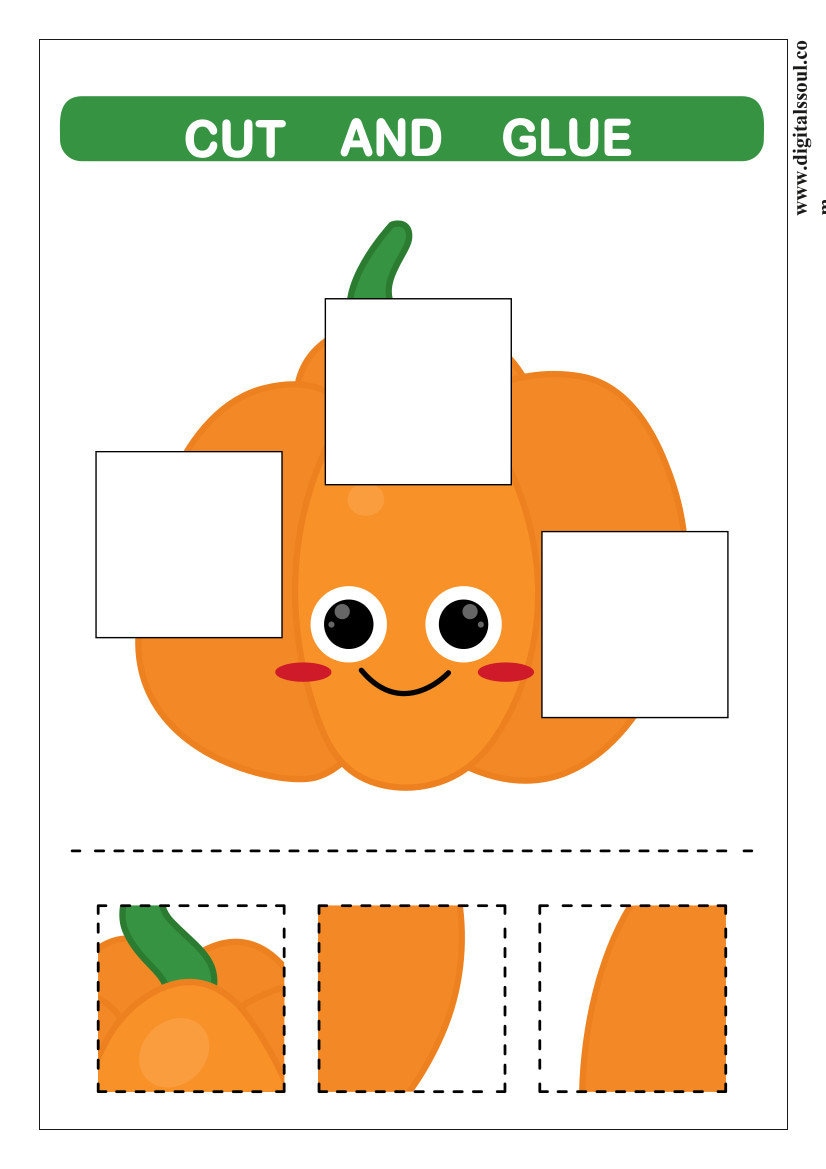
Engaging preschoolers in cutting and gluing activities helps develop crucial skills. As children cut and paste, they practice grip strength and coordination, which are foundational for writing and other tasks later on. Furthermore, these activities encourage creativity and allow children to explore shapes, colors, and textures.
When you introduce cutting and gluing activities, you’re not just giving them a fun project; you’re providing an opportunity for them to experiment and learn. The process of cutting shapes from colorful paper, arranging them, and gluing them onto a canvas or worksheet fosters decision-making skills and boosts their confidence as they see their creations come to life.
Types of Cutting and Gluing Activities
There are various types of cutting and gluing activities you can incorporate into your preschool curriculum. Here are a few effective ones:
1. Shape Collages
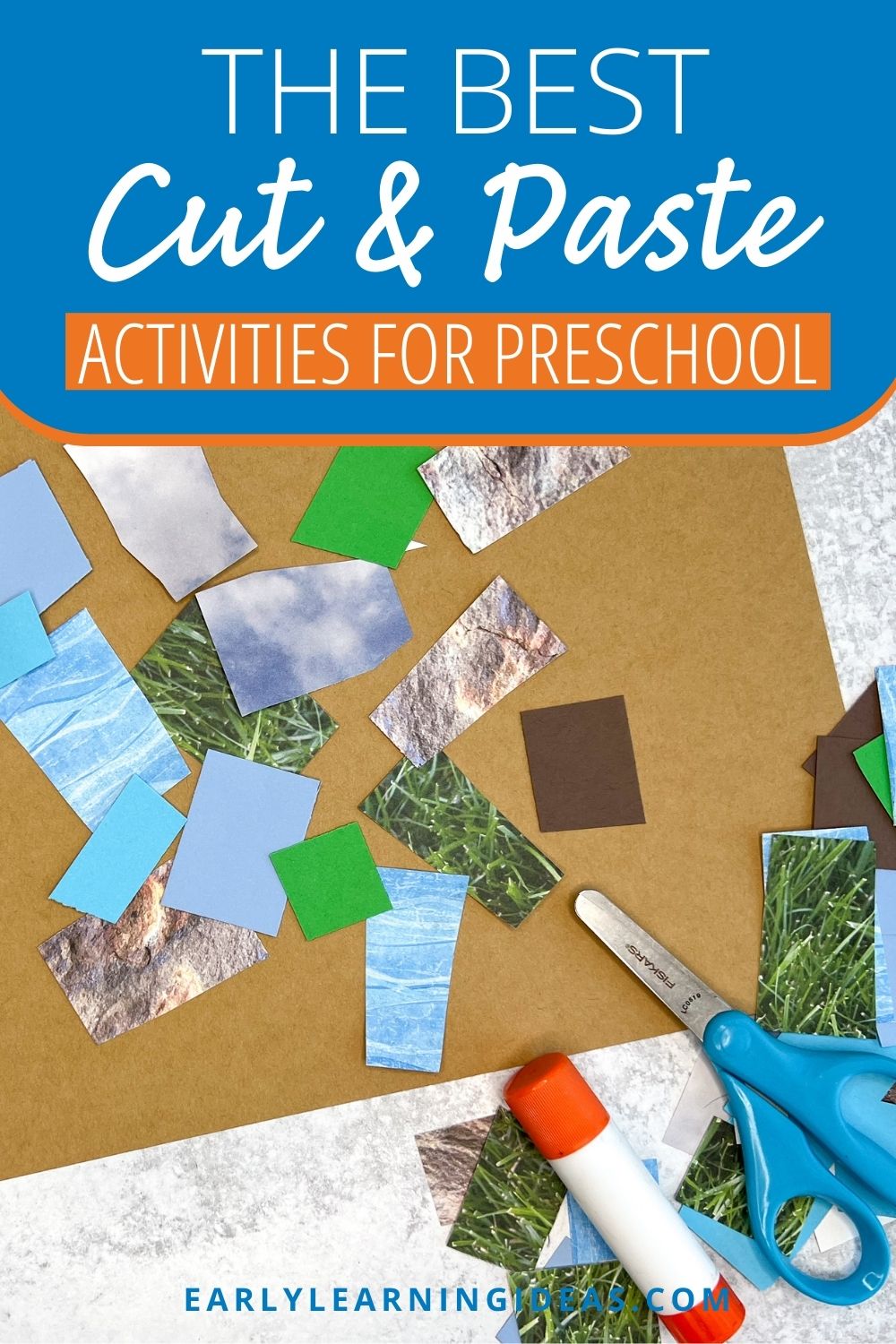
Using pre-printed shapes, children can cut them out and arrange them into a collage. This activity allows them to explore geometric concepts while enhancing their cutting skills. You can provide a variety of colored paper for them to choose from, giving them the freedom to create unique designs.
2. Themed Art Projects
Create themed projects around holidays or seasons. For example, during fall, children can cut out leaves from colored paper and glue them onto a tree template. This ties in art with learning about nature and seasons, making it an interdisciplinary activity.
3. Storybook Crafts
After reading a story, children can create scenes or characters from the book using cutting and gluing techniques. This not only reinforces comprehension but also allows them to express their interpretation of the story creatively.
4. Greeting Cards
Encourage children to create greeting cards for family members or friends. They can cut out decorations and glue them onto card stock. This activity teaches them about giving and sharing while developing their artistic skills.
How to Prepare for Cutting and Gluing Activities
Preparation is key to a successful cutting and gluing session. Here’s how to set up for these activities:
- Gather Materials: Ensure you have a variety of materials, including scissors, glue sticks, colored paper, card stock, and any templates or worksheets you plan to use.
- Safety First: Use child-safe scissors and supervise children closely during cutting activities. Teach them the proper way to hold scissors and the importance of being careful.
- Organize the Space: Designate a clean, well-lit area for the activities. Provide enough space for each child to work comfortably without distractions.
Printable Resources for Cutting and Gluing
To make your cutting and gluing activities even more effective, consider using printable resources. These can include templates, worksheets, and guides that align with your lesson plans. Here are some ideas for what you might include:
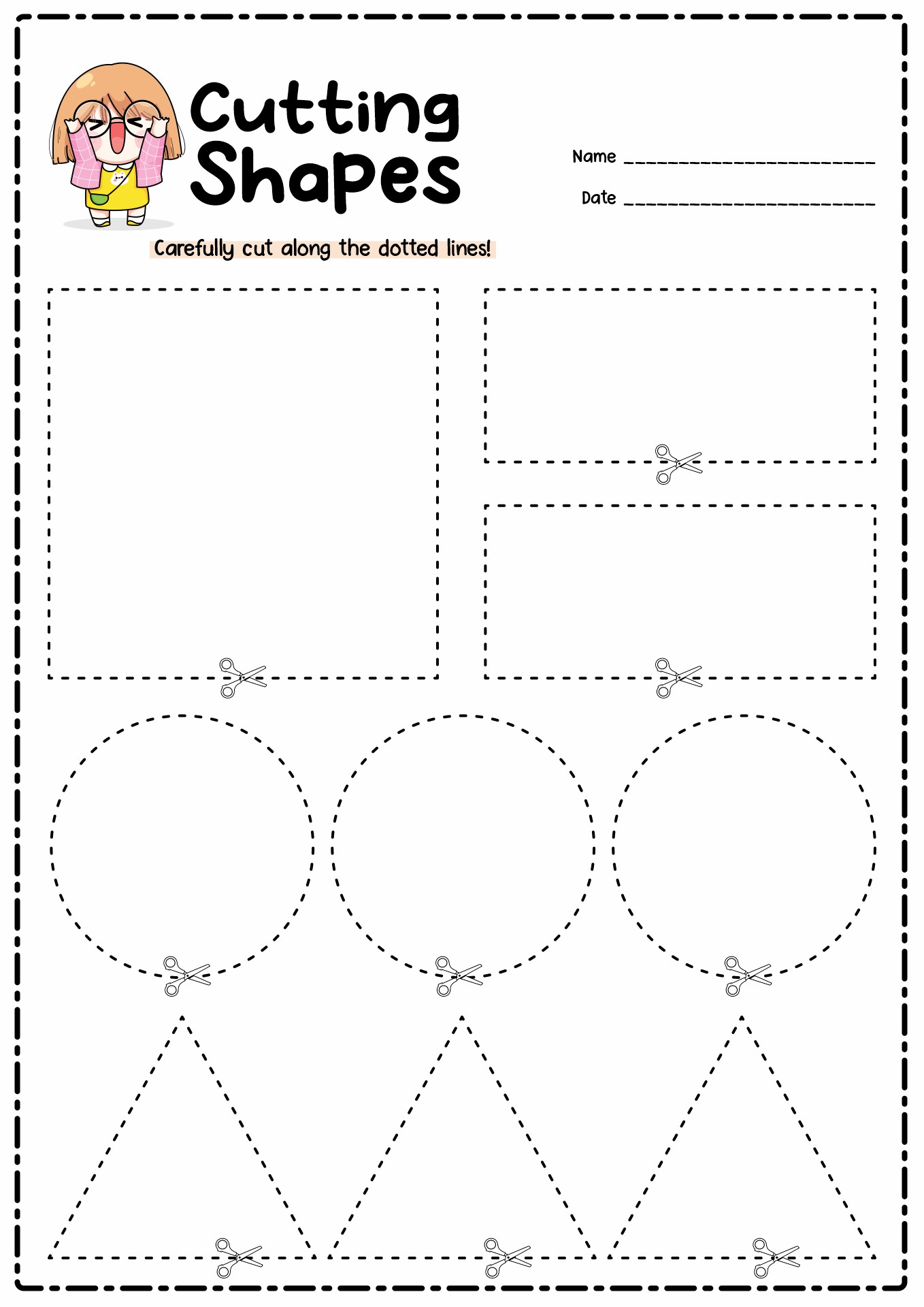
- Templates for Shapes: Provide a variety of shapes that children can cut out and use in their collages or projects.
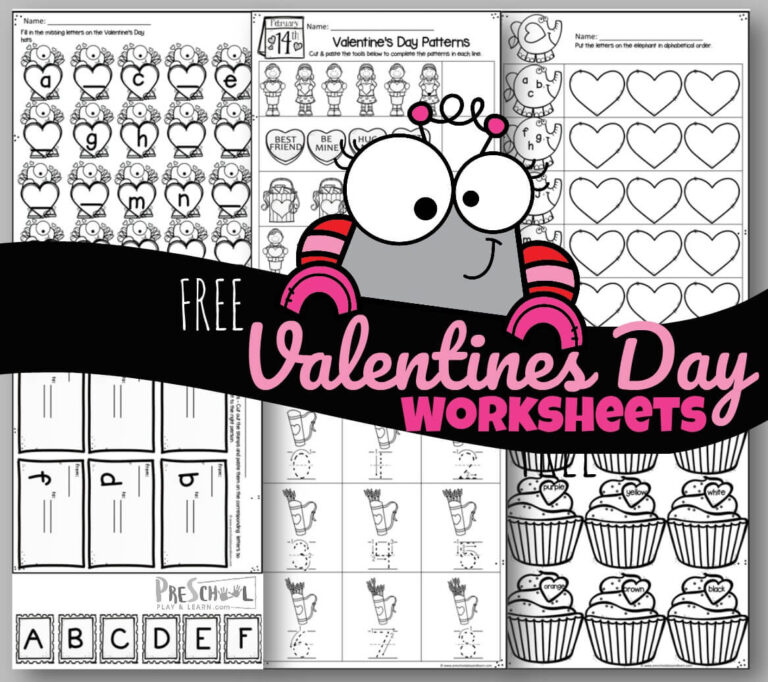
- Worksheets with Instructions: Create worksheets that guide children through specific projects, providing step-by-step instructions on what to cut and glue.
- Coloring Pages: Incorporate coloring pages that can be transformed into cutting and gluing projects once colored.
Tracking Progress With Cutting and Gluing Activities
Tracking children’s progress in cutting and gluing activities can be beneficial for both teachers and parents. Here are some effective ways to monitor their development:
- Create a Portfolio: Collect completed projects in a portfolio for each child. This helps showcase their progress over time and provides a tangible way to celebrate their achievements.
- Set Goals: Encourage children to set personal goals for their skills. For instance, they might aim to cut more accurately or create more complex designs.
- Feedback Sessions: Conduct regular feedback sessions where children can share their work with peers. This not only builds confidence but also encourages them to learn from one another.
Adapting Activities for Different Skill Levels
It’s important to remember that preschoolers have varying skill levels. Here’s how to adapt cutting and gluing activities to accommodate all learners:
- Simpler Tasks: For younger or less experienced children, provide larger shapes that are easier to cut and glue.
- Increase Complexity: For more advanced learners, introduce intricate designs, layering techniques, or mixed media approaches using various materials like fabric or foil.
- Collaborative Projects: Pair children up for collaborative projects. This encourages teamwork and allows less experienced children to learn from their peers.
Incorporating cutting and gluing activities into your preschool curriculum is a fantastic way to foster creativity, improve motor skills, and create a fun learning environment. With the right resources and preparation, you can make these activities both enjoyable and educational. Start downloading your printable resources today, and watch your preschoolers thrive as they explore the world of cutting and gluing!