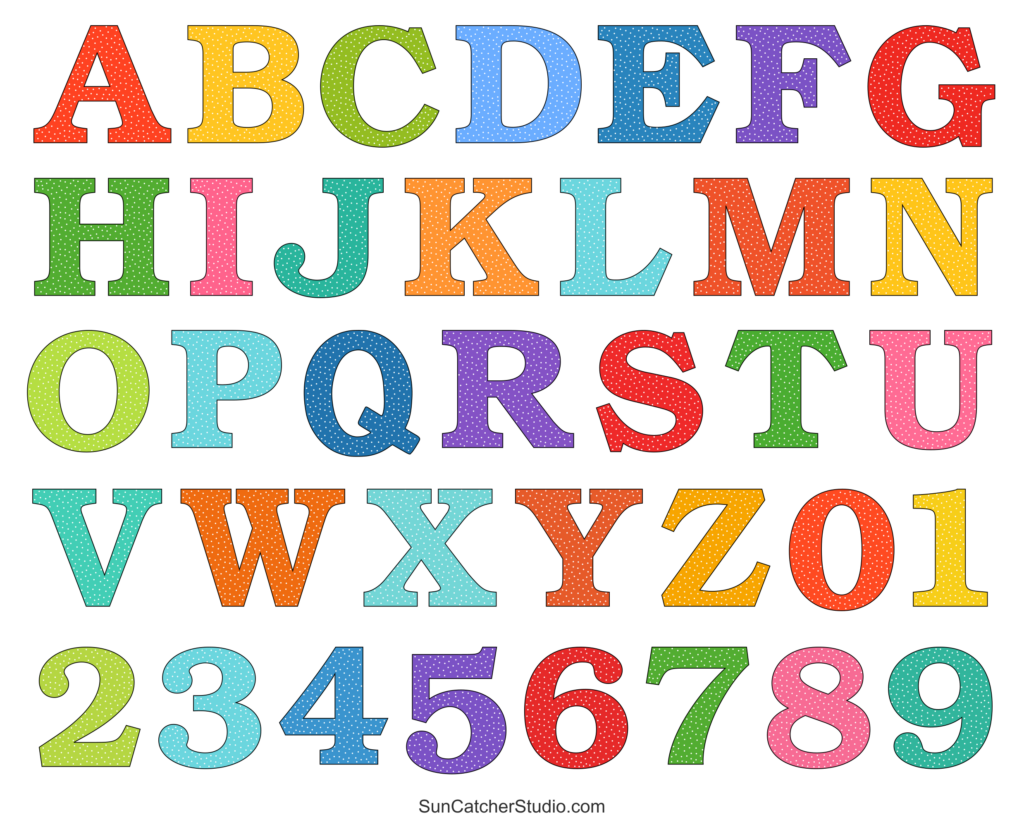
Printable Cut Out Alphabet Letters
Using Printable Cut Out Alphabet Letters can transform your teaching experience, offering a hands-on approach to learning that students love. These versatile resources are perfect for reinforcing letter recognition, phonics, and spelling in a fun and engaging way. If you are a teacher in a classroom or a parent supporting your child’s education at home, these letters can be easily printed, cut out, and utilized in various activities to make learning interactive.
Understanding the Benefits of Printable Cut Out Alphabet Letters
Printable Cut Out Alphabet Letters serve multiple purposes in an educational setting. They’re not just letters on a page; they can be tools for creativity, skill development, and engagement. Here are some of the key benefits:
- Visual Learning: Young learners often grasp concepts better when they can see and manipulate physical objects. Cut-out letters provide a tactile experience that enhances memory retention.
- Customization: You can print these letters in different sizes, colors, and fonts, allowing you to tailor them to your specific lesson plans or the interests of your students.
- Versatility: Use them for various activities like spelling games, bulletin board displays, or even crafting projects that incorporate letters into art.
Creative Uses for Cut Out Letters in the Classroom
When incorporating Printable Cut Out Alphabet Letters into your teaching, the possibilities are endless. Here are some practical activities that you can implement in a classroom setting:
Letter Recognition Games
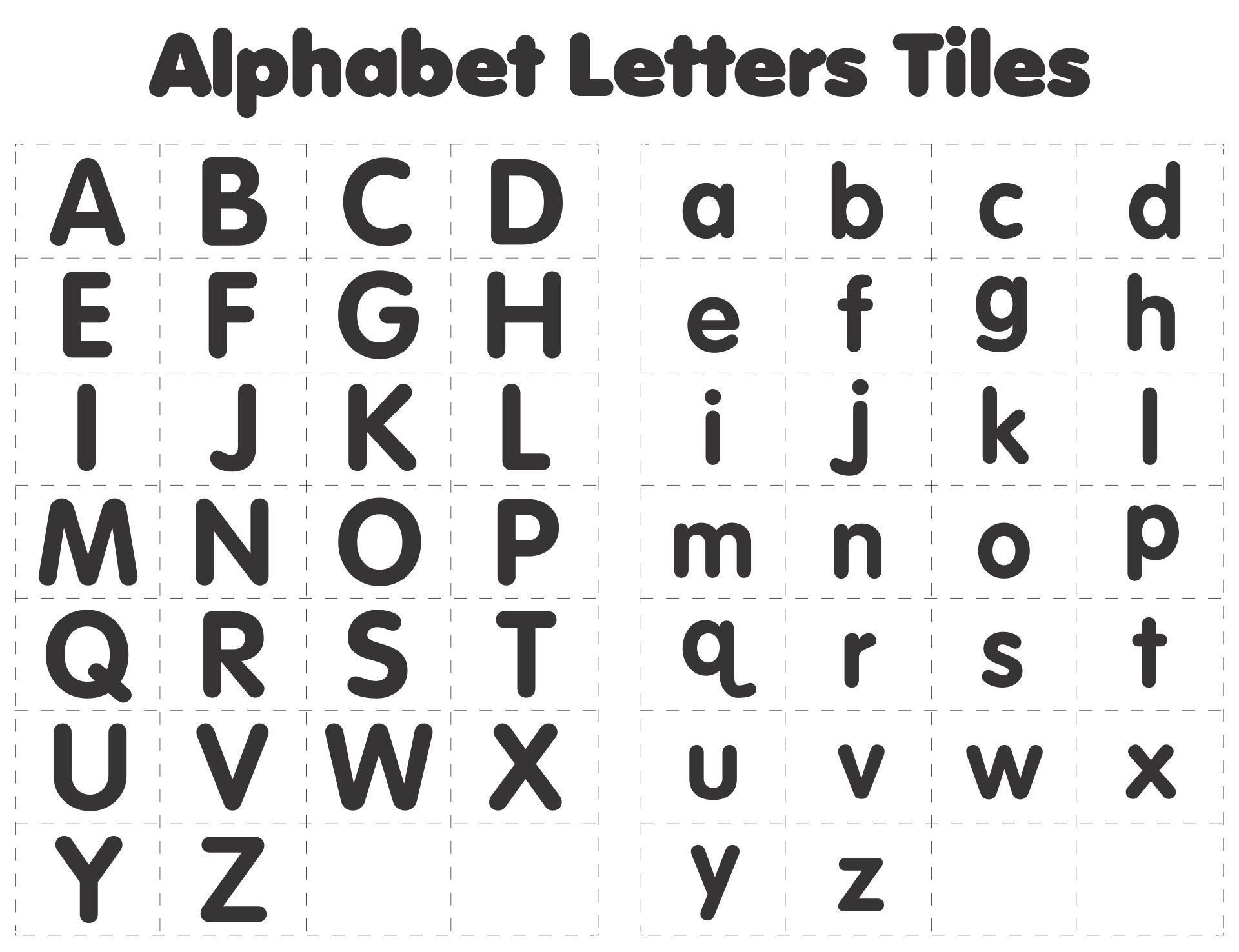
One of the simplest ways to use cut-out letters is through letter recognition games. You can create flashcards by printing letters on cardstock, or you can use them in scavenger hunts around the classroom. For instance, hide letters around the room and have students find them and identify each letter. This not only reinforces their recognition skills but also adds an element of fun to the learning process.
Spelling and Phonics Activities
Cut-out letters are perfect for spelling practice. You can provide students with a set of letters and have them form words. This can be done individually or in small groups. For younger students, you might focus on simple, three-letter words, while older students can tackle more complex vocabulary. To enhance phonics skills, say a sound and have students find the corresponding letter or letters.
Creating Interactive Bulletin Boards
Another great use for Printable Cut Out Alphabet Letters is for bulletin board displays. You can create themed boards that highlight different letters, words, or concepts. For example, during a unit on animals, you can display letters alongside pictures of animals that start with those letters. This makes the board visually appealing and educational.
Practical Tips for Printing and Using Cut Out Letters
To make the most out of your Printable Cut Out Alphabet Letters, consider these practical tips:
- Paper Selection: For durability, use cardstock instead of regular printer paper. Cardstock holds up better for repeated use, especially if you plan to laminate the letters for long-term activities.
- Printer Settings: Set your printer to the best quality settings for clear and vibrant letters. If your printer has a portrait or landscape option, choose the one that best fits the layout of your chosen letters.
- Size Matters: Depending on the activity, you may want to print letters in different sizes. Larger letters work well for bulletin boards, while smaller letters can be used for table activities or flashcards.
Monitoring Progress With Alphabet Letters
Using Printable Cut Out Alphabet Letters isn’t just about fun; it’s also about assessing students’ understanding and progress. Here’s how to check mastery:
- Observation: Watch how students interact with the letters. Are they able to recognize them quickly? Do they struggle with certain letters? This can give you insights into which letters may need more review.
- Engagement: Note how engaged students are during activities. If they seem excited and eager to participate, that’s a good sign that they are connecting with the material.
- Feedback: After activities, ask students to reflect on what they learned. This can help you gauge their understanding and inform your future lessons.
Incorporating Cut Out Letters at Home
Printable Cut Out Alphabet Letters aren’t just for the classroom; they can also be a valuable resource for parents. Here are some home activities you can do:
Craft Projects
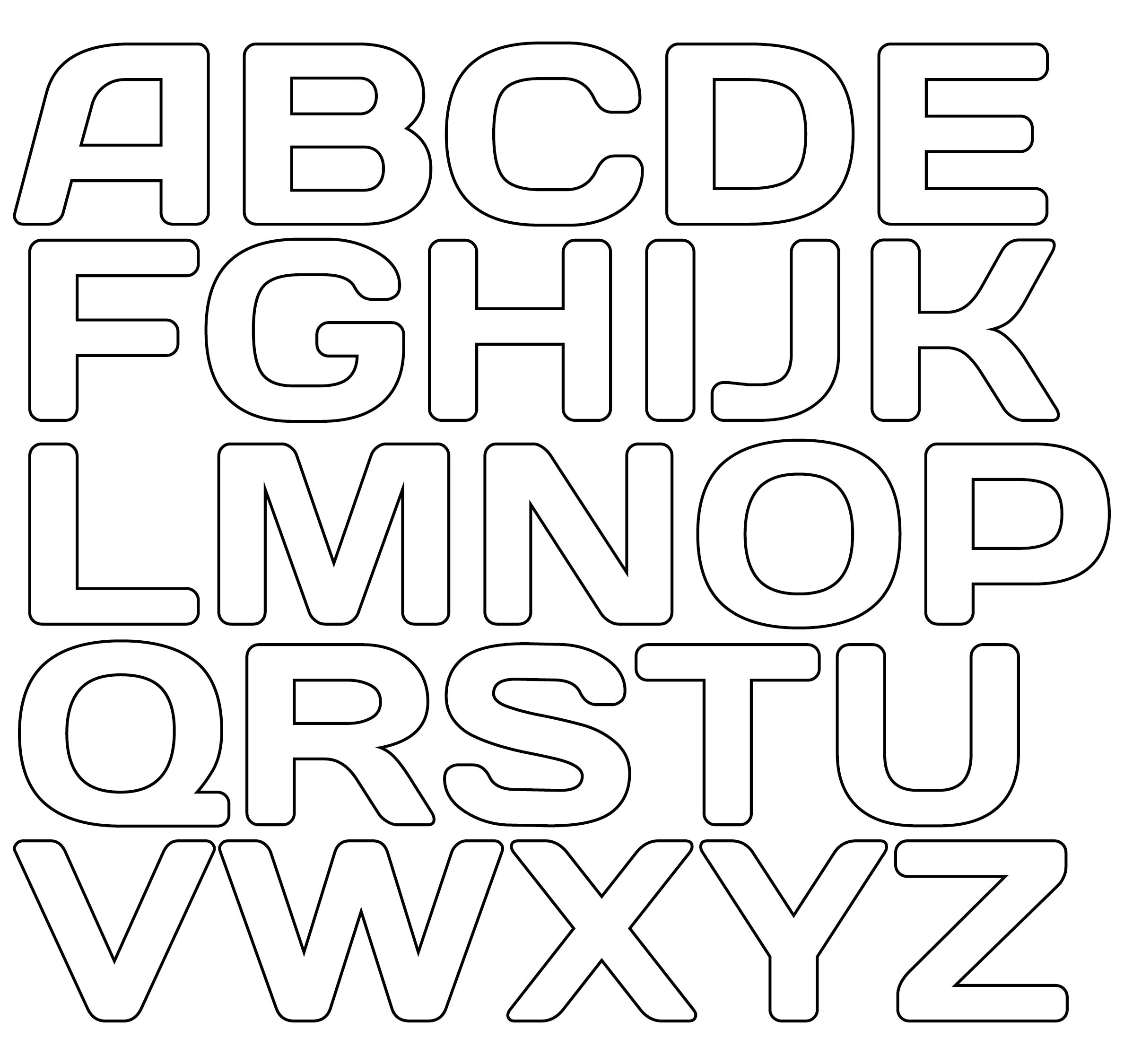
Let your child engage in creative projects using the letters. They can create their own alphabet book by cutting out letters and pasting them next to pictures of objects that start with those letters. This reinforces letter sounds while allowing for artistic expression.
Family Games
Transform family game night by incorporating cut-out letters into games. You could play a version of Scrabble or create a word-building game where family members take turns forming words with the letters. It’s a great way to reinforce spelling and vocabulary skills in a relaxed environment.
Daily Learning Activities
Hang cut-out letters around your home, perhaps on the fridge or in a designated learning area. Encourage your child to identify the letters and come up with words that start with them during everyday conversations. This simple practice can enhance their language skills without feeling like formal lessons.
Using Printable Cut Out Alphabet Letters effectively can enhance learning experiences for both teachers and parents. By integrating these letters into various activities, you can foster a love for learning while developing essential literacy skills. Whether you choose to create engaging games, interactive displays, or fun crafts, the key is to keep it enjoyable and educational.