Free Logic Puzzles For Kids
In a bustling classroom, a teacher named Ms. Taylor notices that her students are buzzing with energy after lunch. To channel their enthusiasm into something productive, she decides to introduce a fun activity: free logic puzzles for kids. These puzzles not only keep the children engaged but also help develop their critical thinking skills. Let’s explore how you can incorporate these resources into your teaching or home learning environment.
Understanding Logic Puzzles
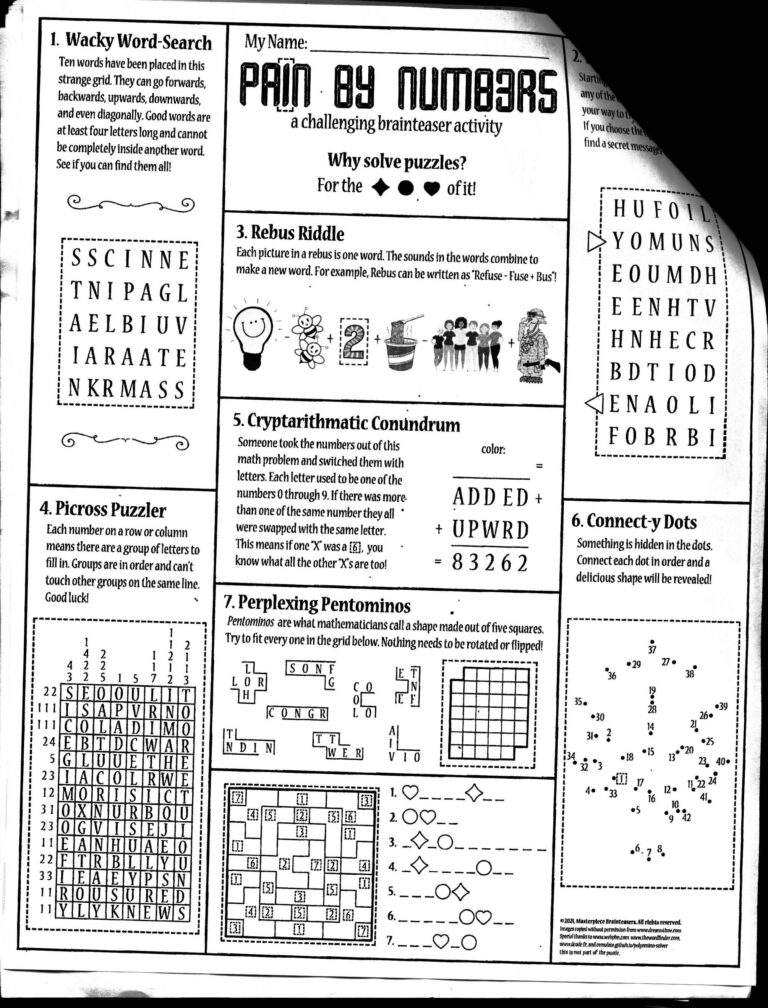
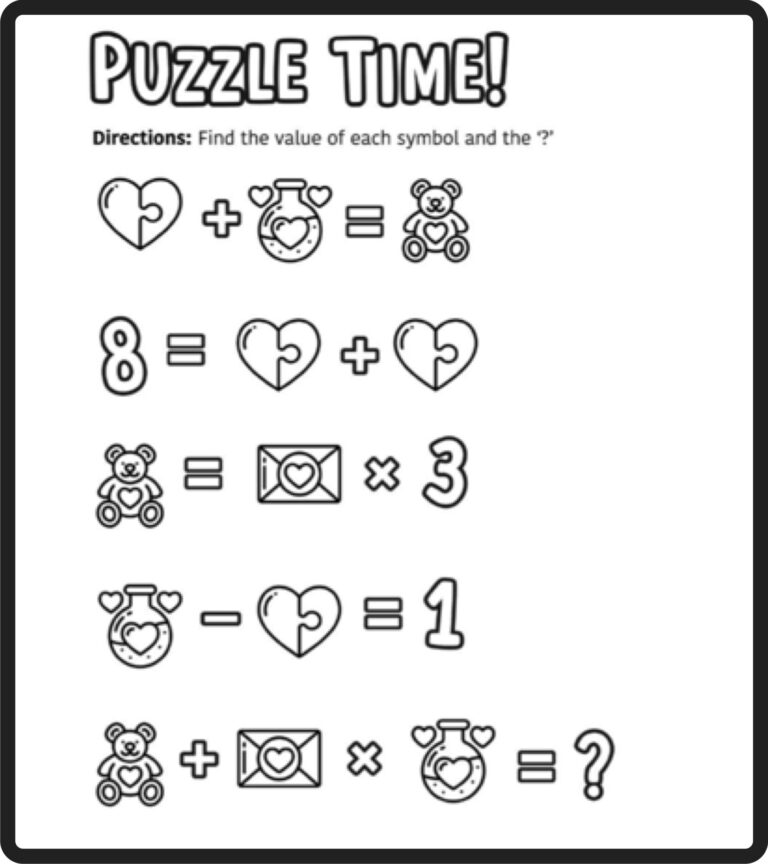
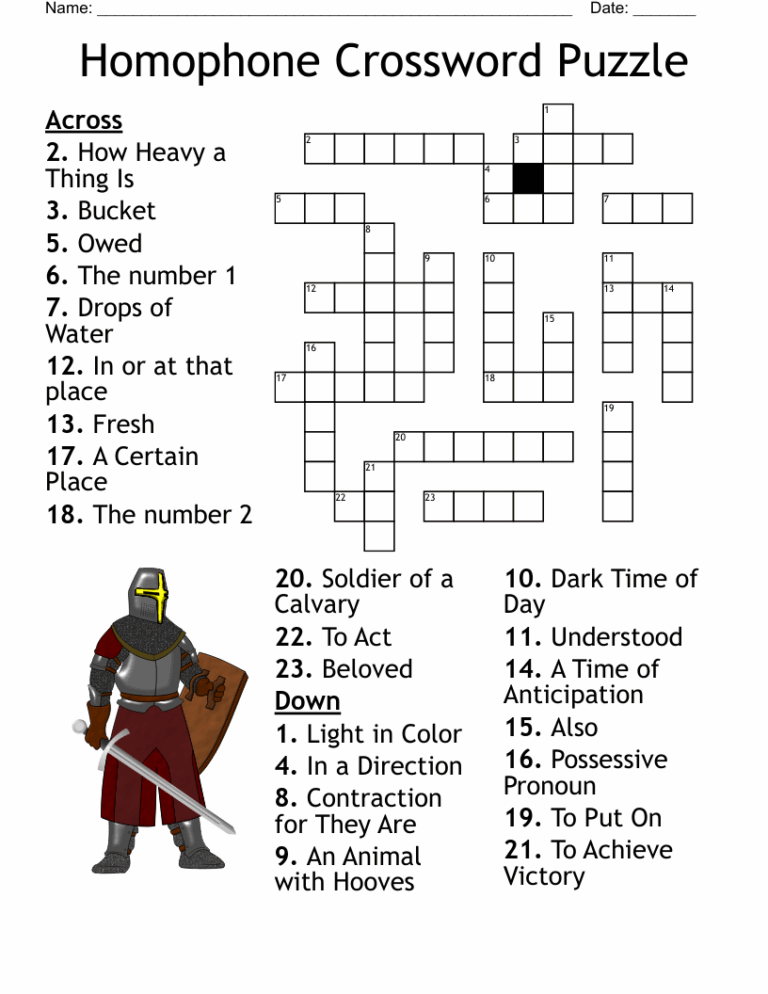
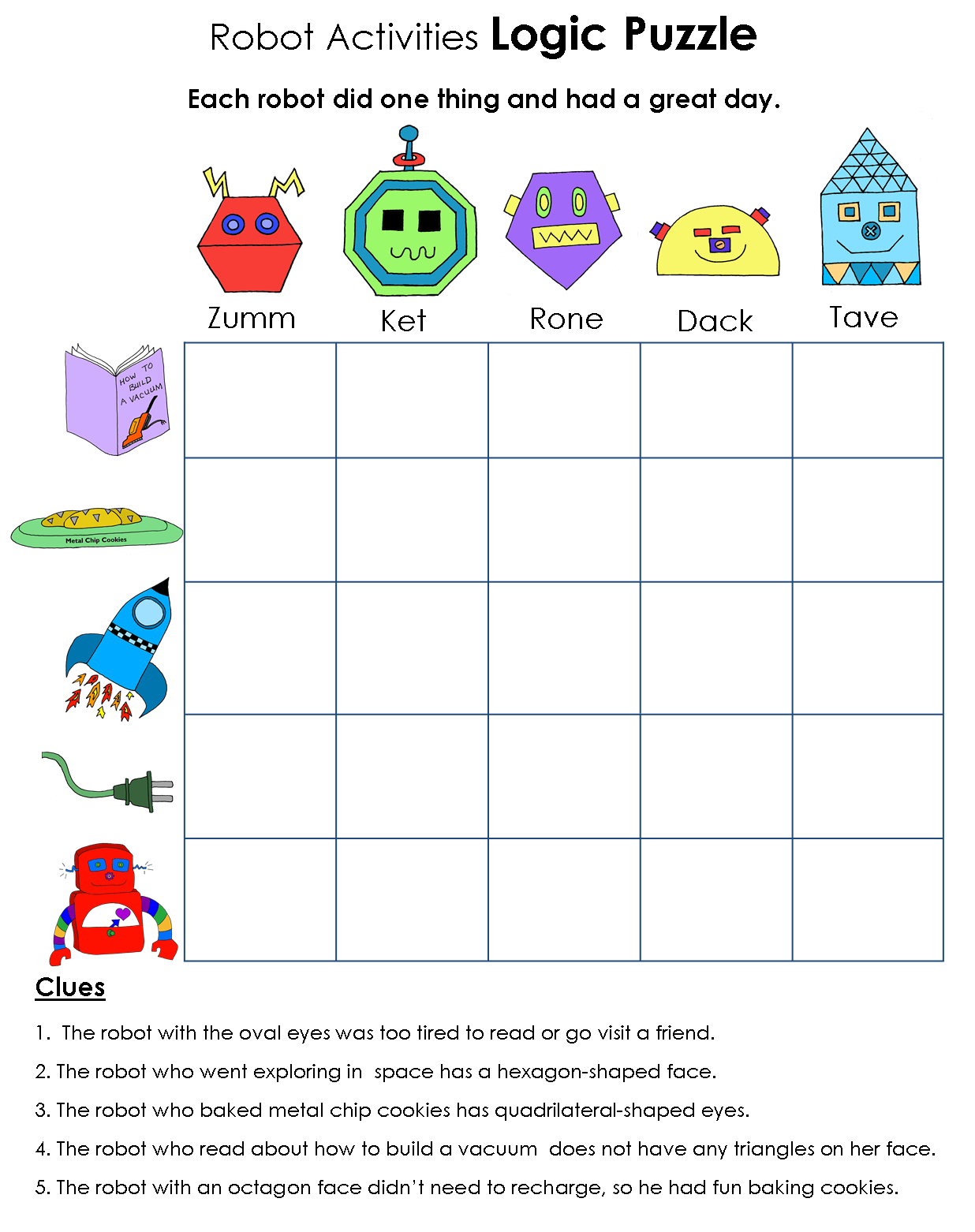
Logic puzzles are brain teasers that require critical thinking and reasoning to solve. They often involve scenarios where children need to deduce answers based on given clues. This type of problem-solving encourages kids to think logically, enhancing their analytical skills. Free logic puzzles for kids can come in various forms, including riddles, pattern recognition tasks, and deduction challenges.
Selecting the Right Puzzles for Your Setting
When choosing logic puzzles, consider the age and skill level of the children. For younger children, simple puzzles that involve basic shapes or colors work well. As children grow older, you can introduce more complex puzzles that require multi-step reasoning or involve numerical patterns. Here are a few types to consider:
- Riddles: Short and fun, these can be great for quick group activities.
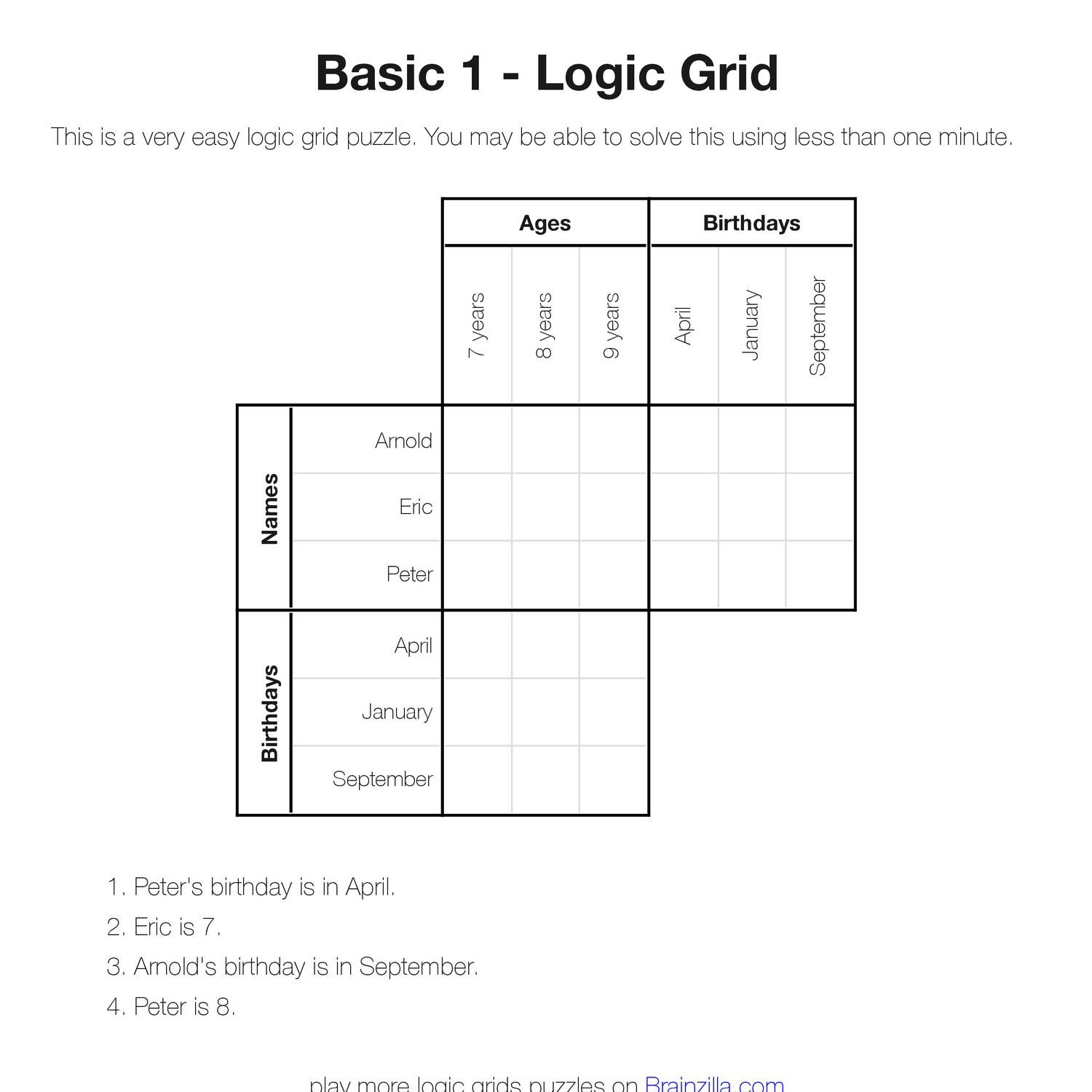
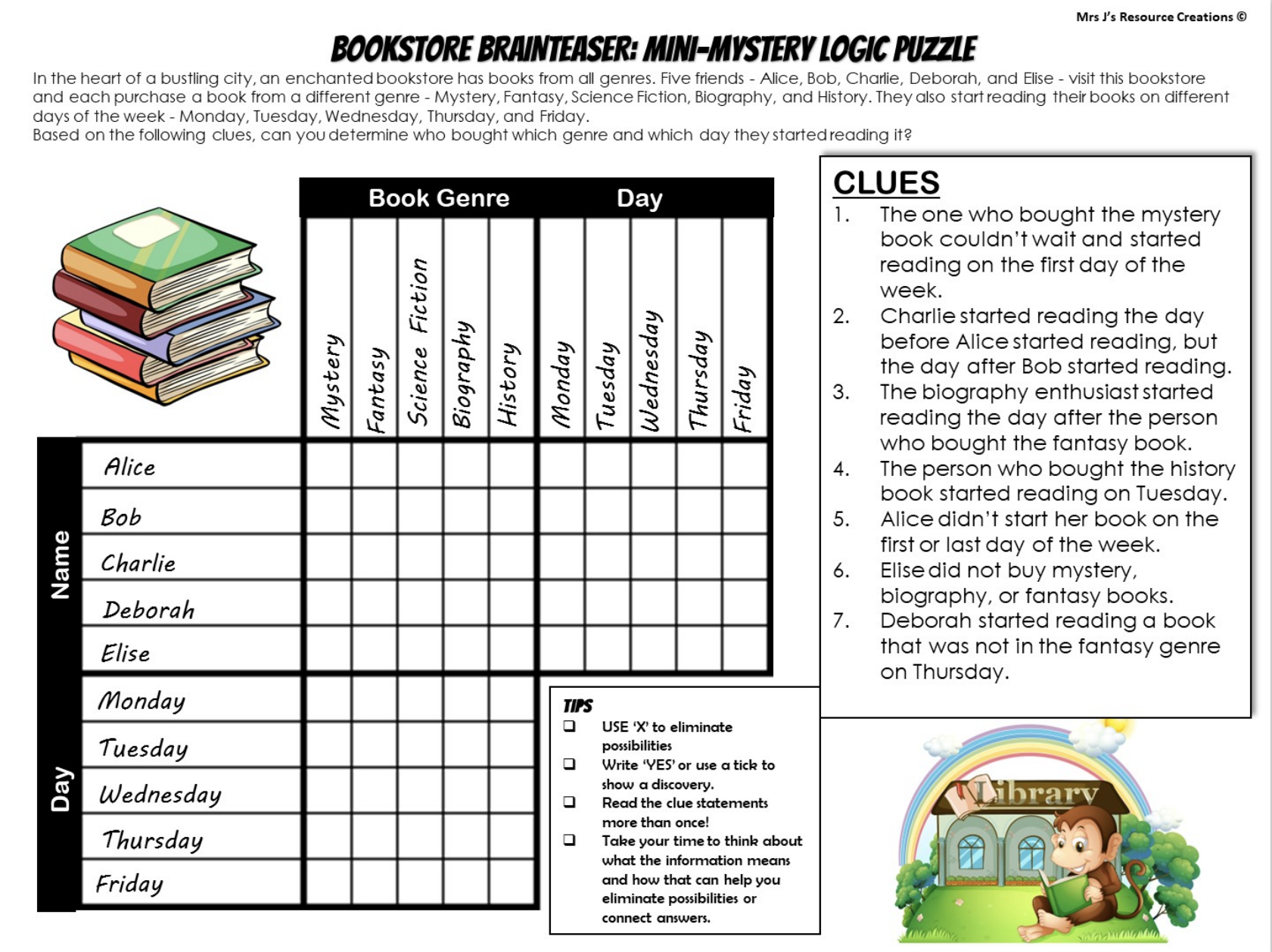
- Grid puzzles: These require students to fill in a grid based on given clues, perfect for developing logical reasoning.
- Story problems: Presenting a scenario where kids must use logic to figure out the outcome can be very engaging.
How to Use Logic Puzzles in the Classroom
Implementing logic puzzles in your classroom can be straightforward and rewarding. Here are some practical ways to do so:
- Warm-up Activities: Start your class with a quick logic puzzle to stimulate thinking and focus. This can take just a few minutes and sets a fun tone for the lesson.
- Group Work: Divide your students into small groups and provide each with a different puzzle. This promotes teamwork and allows students to discuss their thought processes.
- Homework Assignments: Assign logic puzzles as homework to reinforce the skills learned in class. This not only allows for practice but also engages parents in their children’s learning.
- Puzzle Stations: Set up a puzzle station in your classroom where students can work on logic puzzles at their own pace during free time.
Reusing Puzzles for Continued Learning
One of the great advantages of free logic puzzles for kids is that they can be reused in multiple ways to keep the learning fresh. Here are some ideas:
- Varying Difficulty: As students grasp the basics, challenge them with harder puzzles. You can find or create versions of the same puzzle with increased complexity.
- Puzzle Challenges: Organize a friendly competition where students solve puzzles against the clock. This can motivate them to think quickly and improve their reasoning skills.
- Thematic Puzzles: Tie puzzles into your current curriculum. For instance, if you’re teaching about ecosystems, create logic puzzles that incorporate facts about different habitats.
Print and Prepare Your Puzzles
To get started, you’ll want to print out your selected resources. Here are some tips to ensure a smooth experience:
- Print Settings: Use standard letter-sized paper (8.5 x 11 inches) for easy printing. If you’re using colored pages, make sure to adjust your printer settings accordingly to avoid any issues.
- Durability: If the puzzles will be used repeatedly, consider printing them on cardstock or laminating them. This will help them withstand wear and tear, especially in a busy classroom.
- Answer Keys: If available, keep answer keys handy for quick reference. This helps you assist students who might be struggling without giving away answers directly.
By integrating free logic puzzles into your teaching or home learning sessions, you can create a fun and stimulating environment that promotes critical thinking and problem-solving skills. Whether you use them for warm-ups, group activities, or as homework, the options are plentiful. So gather your resources, print some puzzles, and watch as your students enhance their reasoning abilities while having a great time!