Search A Word In Dictionary
When looking to search a word in dictionary resources, it’s important to understand how to effectively utilize both physical and digital dictionaries. This can be especially beneficial in an educational setting, where teachers can guide students in expanding their vocabulary and comprehension skills. Whether you’re working with young learners or older students, mastering the art of dictionary use can significantly enhance their language abilities.
Understanding Different Types of Dictionaries
Before diving into the specifics of searching a word in a dictionary, it’s essential to recognize the different types available. Dictionaries can be categorized into several formats, including:
- Print Dictionaries: These are traditional books that provide definitions, pronunciations, and usage examples. They often include additional information like word origins and synonyms.
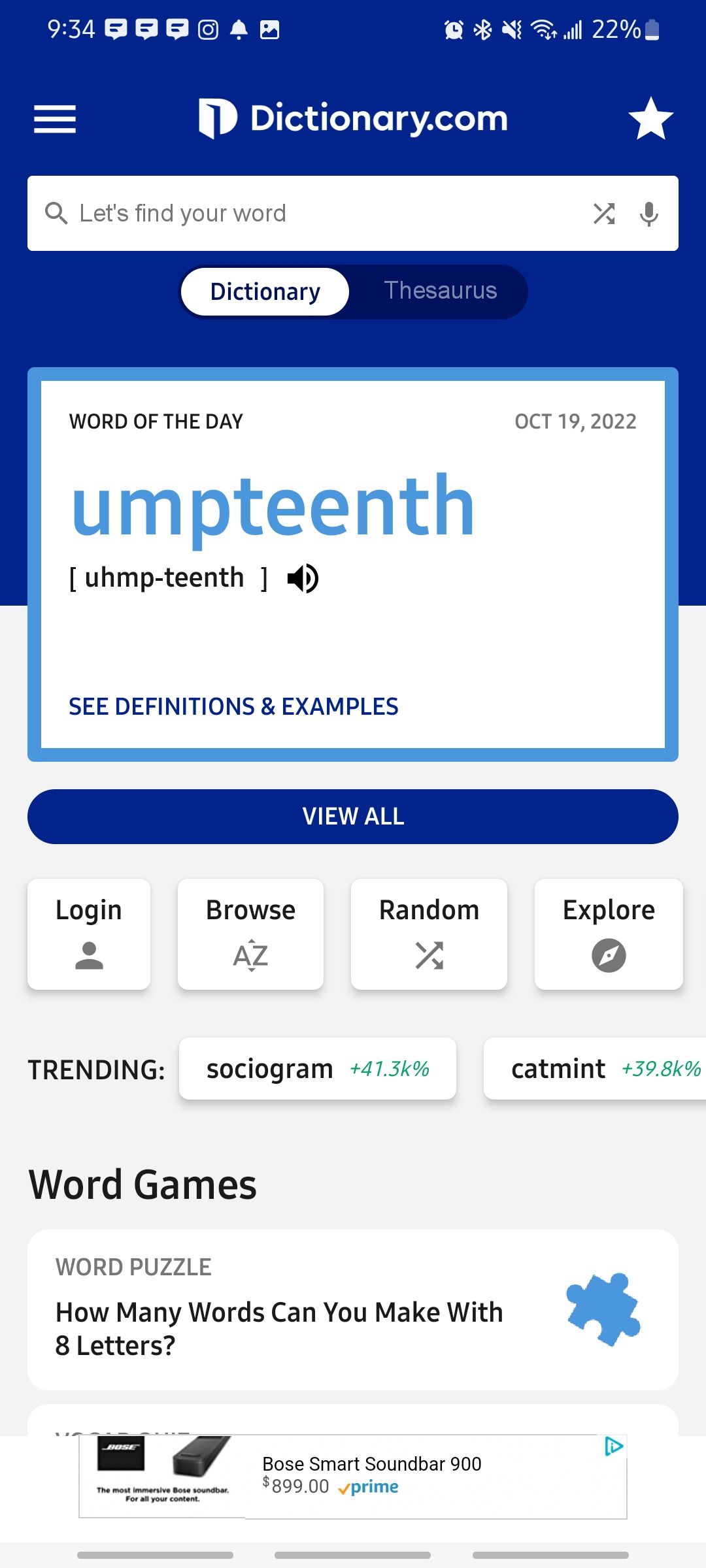
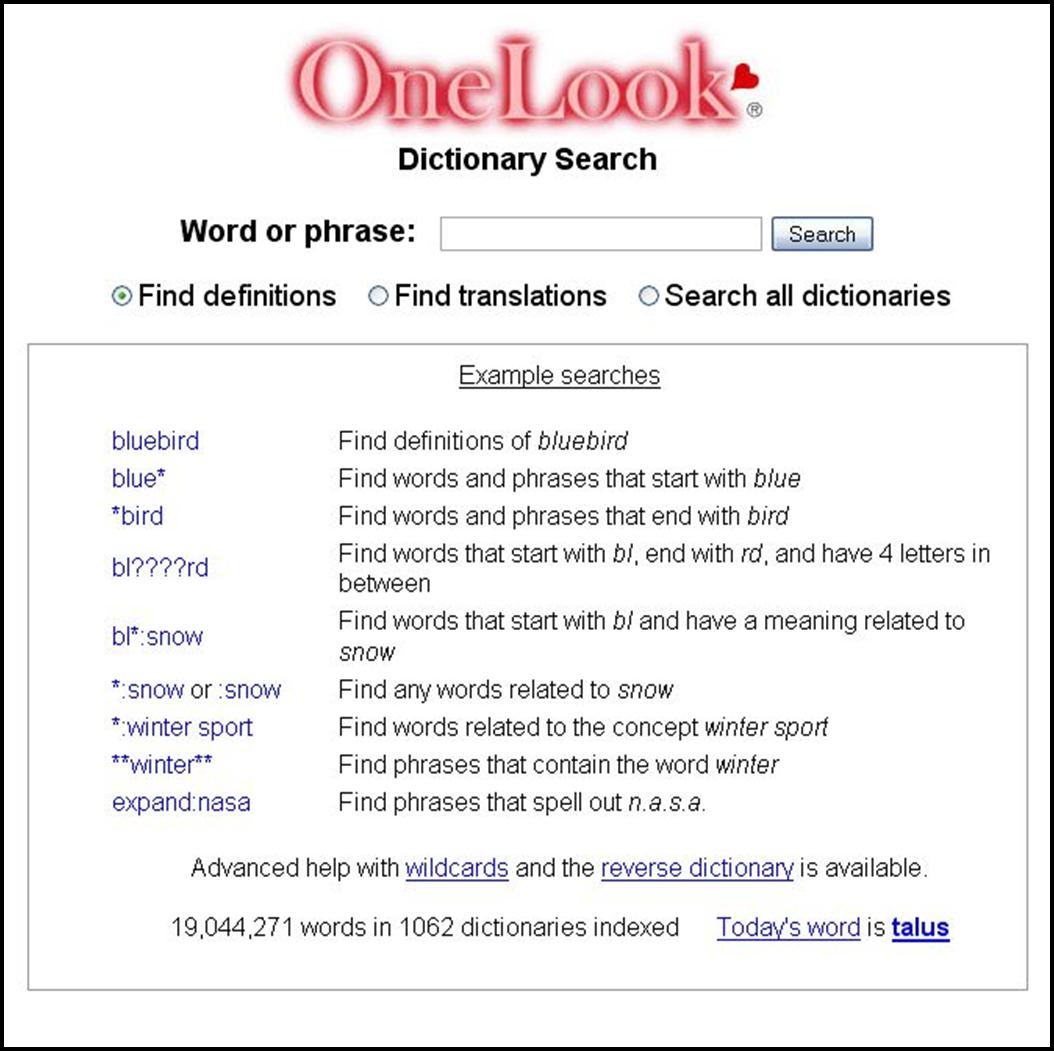
- Online Dictionaries: Websites and apps offer quick access to definitions and are often updated frequently. They may include audio pronunciations and example sentences.
- Specialized Dictionaries: These focus on specific fields, such as medical or legal terminology, and provide definitions that are context-specific.
Understanding these types will help you choose the most appropriate resource for your teaching needs.
Steps to Effectively Search for a Word
Searching for a word in a dictionary can be straightforward, but it requires a methodical approach to ensure accuracy. Here’s how to guide your students through the process:
1. Determine the Word’s Spelling
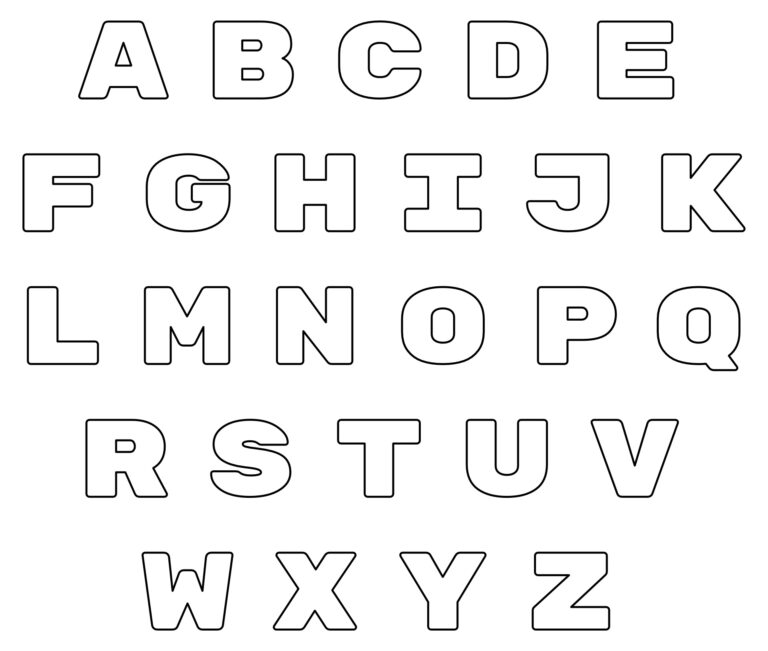
Before anything else, identify how the word is spelled. This is crucial because dictionaries are organized alphabetically. Encourage students to sound out the word if they are unsure of the spelling.
2. Utilize the Guide Words
In a print dictionary, each page has two guide words at the top, indicating the first and last words on that page. Teach students to use these guide words to navigate quickly to the section of the dictionary where their word might be found. For instance, if they are looking for the word “apple,” and the guide words are “ant” and “apricot,” they know to turn the page.
3. Look for the Word
Once they have located the correct section, they can skim through the entries. Encourage them to look for the word in bold type, which is usually how main entries are presented.
4. Read the Definition
After finding the word, students should read its definition carefully. Remind them that some words have multiple meanings, so they should consider the context in which the word is used.
5. Check Pronunciation and Usage
Many dictionaries provide phonetic spelling and usage examples. Encourage students to pay attention to these aspects, as they will help them understand how to pronounce the word and use it correctly in a sentence.
6. Explore Related Words
Dictionaries often include synonyms and antonyms. These can be valuable for students as they expand their vocabulary and understand the nuances of language better.
Incorporating Dictionary Skills Into Your Classroom
Teaching students how to search a word in dictionary resources can be integrated into various lessons and activities. Here are some practical ideas:
- Vocabulary Lessons: Incorporate dictionary skills into your vocabulary lessons. Choose a set of words for students to look up, and have them present their findings to the class.
- Word Games: Use games like Scrabble or Boggle, where students must look up words they are unfamiliar with. This encourages them to practice their dictionary skills in a fun way.
- Research Projects: When assigning research projects, ask students to include a glossary of terms. They can practice searching for these words in dictionaries to ensure accurate definitions.
Tools and Resources for Dictionary Skills
Utilizing tools and resources can enhance the learning experience when teaching dictionary skills. Here are some suggestions:
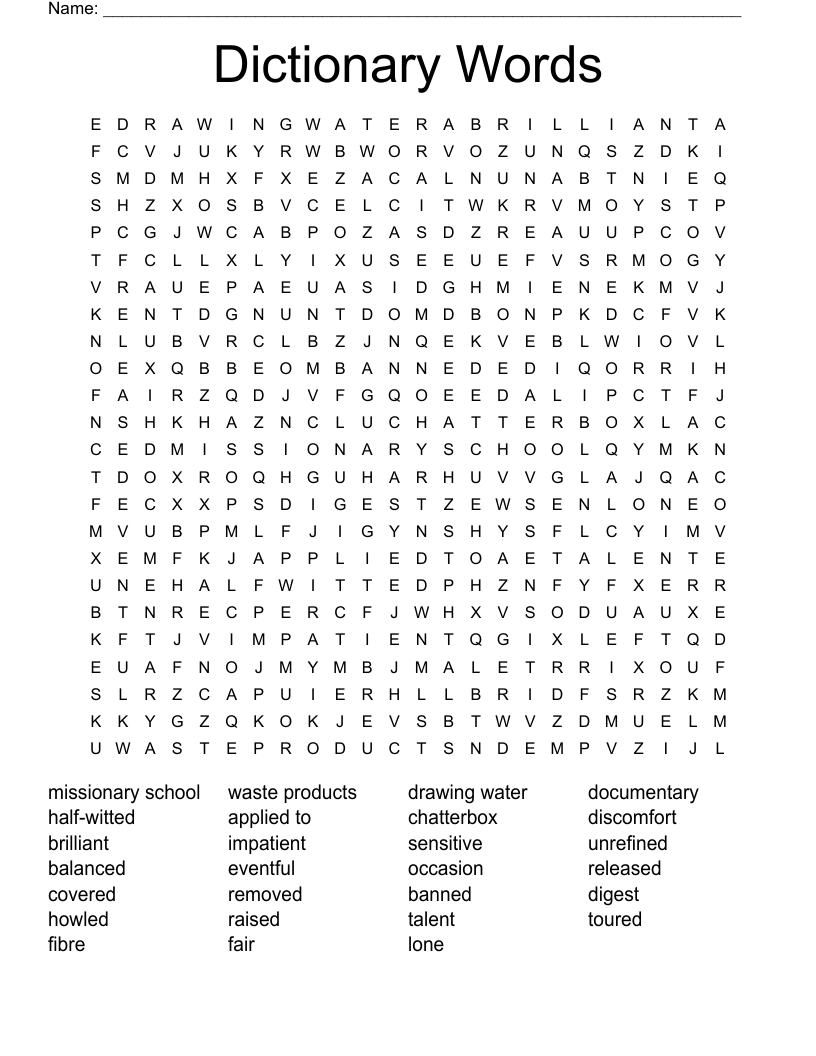
- Printable Dictionary Worksheets: Offer worksheets that guide students on how to search a word in dictionary resources. These can include exercises on finding words, writing definitions, and using words in sentences.
- Digital Dictionary Apps: Introduce students to reliable dictionary apps that they can use on tablets or smartphones. Many of these apps are user-friendly and provide multimedia resources like pronunciation audio.
- Classroom Dictionary Corner: Create a dedicated space in your classroom for various dictionaries, including print and digital options. Encourage students to use this space during independent work.
By integrating these tools and resources, you can cultivate an environment that promotes active learning and exploration of language.
Encouraging Lifelong Dictionary Use
Ultimately, teaching students to search a word in dictionary resources is about fostering a lifelong skill. Encourage them to keep a personal dictionary at home or use digital resources whenever they encounter unfamiliar words. This practice not only helps with vocabulary building but also instills confidence in their language abilities.
Remember, the more comfortable students become with dictionaries, the better they will navigate the complexities of the English language. Regular practice will solidify these skills, making them second nature.
By incorporating these steps and resources into your teaching, you not only enhance your students’ vocabulary but also empower them to become more independent learners. The next time they encounter a new word, they’ll know exactly how to search for it and understand its meaning, ensuring they can communicate effectively.