Benefits Of Doing Word Searches
Word searches are more than just a fun classroom activity; they offer several educational benefits that can enhance your students’ learning experience. This simple puzzle format, typically printed on standard letter-sized paper (8.5″ x 11″), can be tailored to different themes or vocabulary sets, making it a versatile tool in any teacher’s resource kit. The benefits of doing word searches are numerous, and understanding how to effectively incorporate them can elevate your lesson plans.
Cognitive Skill Development
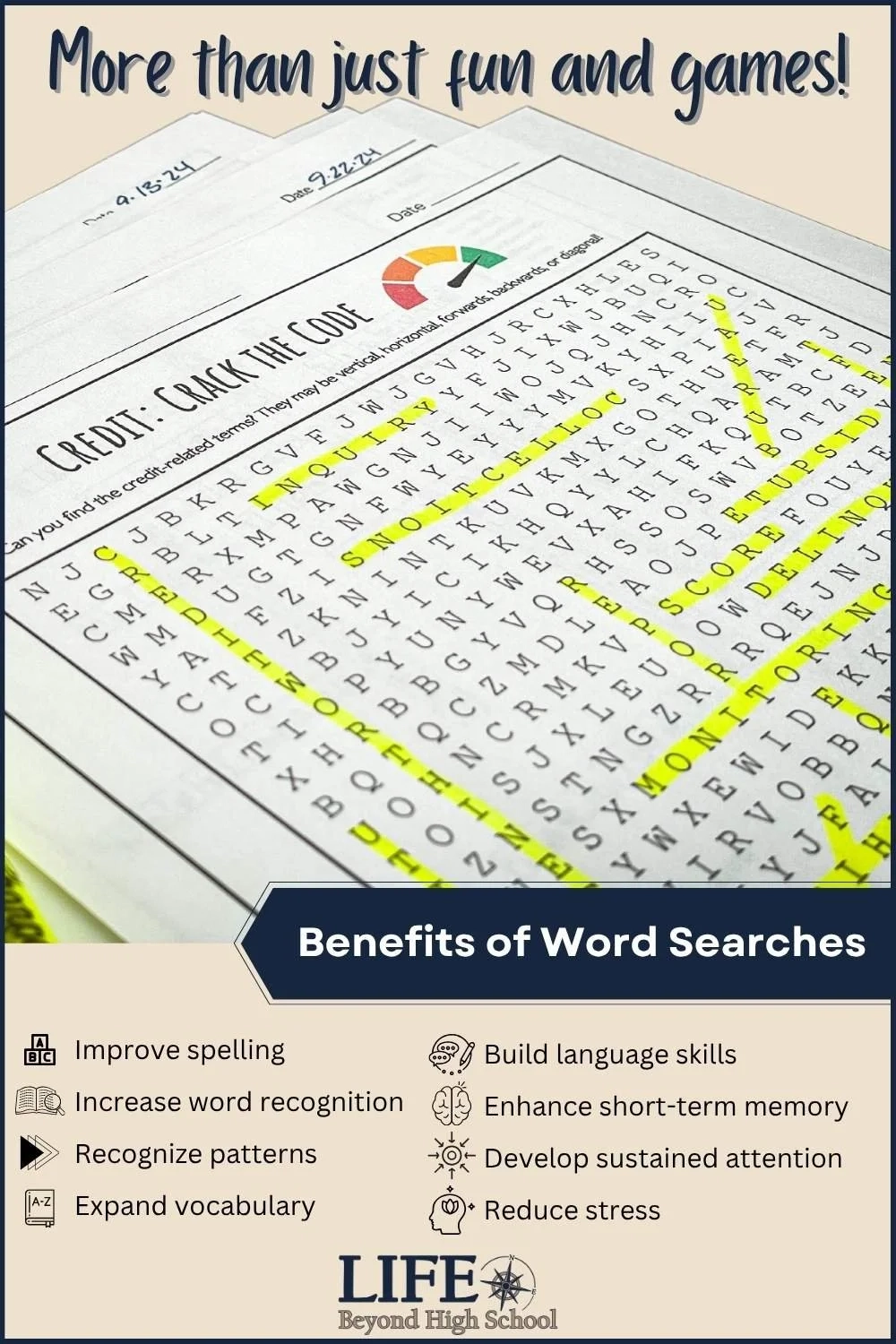
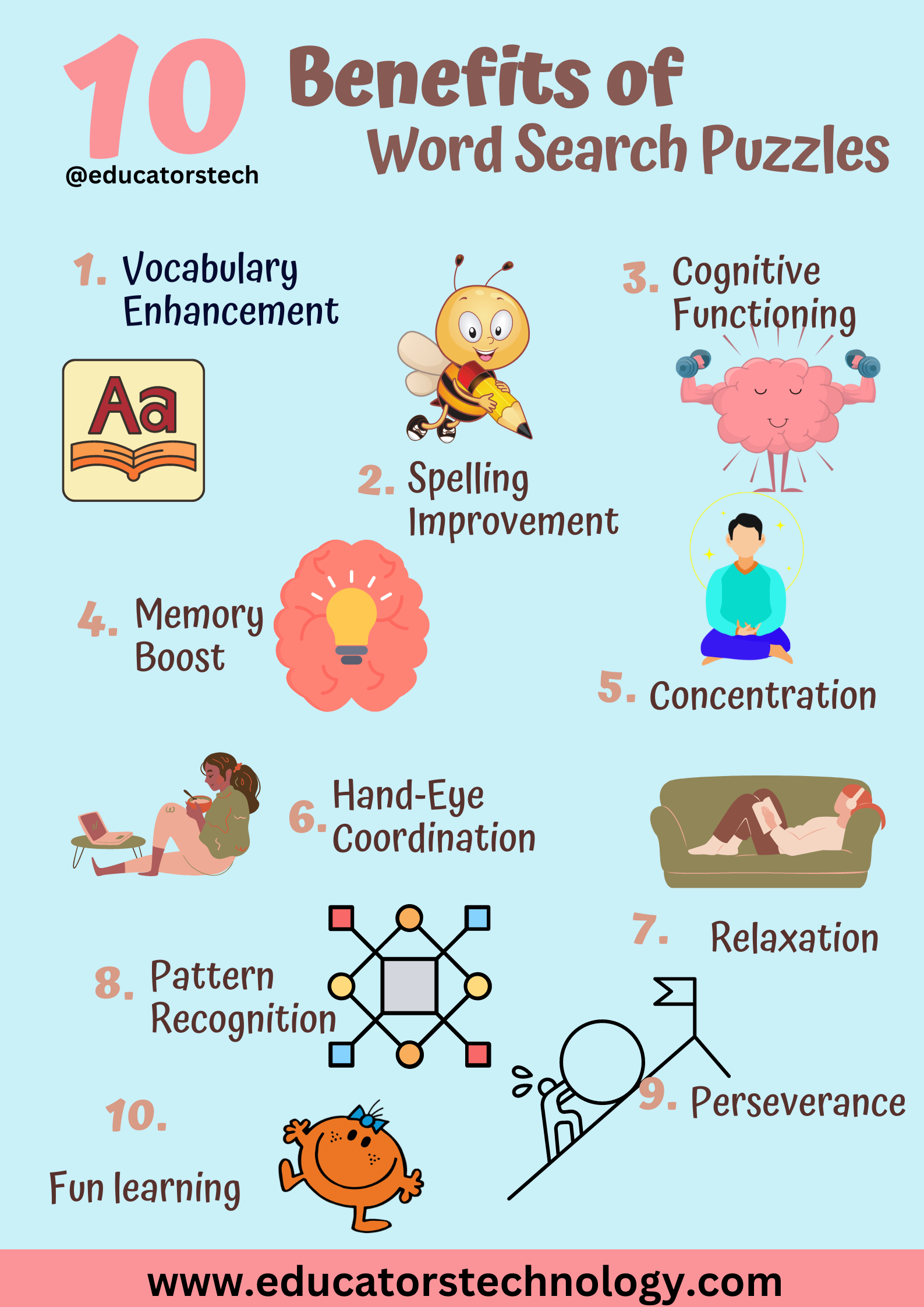
One of the primary benefits of doing word searches is their impact on cognitive skill development. As students search for words in the grid, they engage in various mental processes:
- Visual Scanning: Students learn to look for patterns and letters, enhancing their visual perception.
- Attention to Detail: Finding words requires careful attention, improving concentration and focus.
- Memory Recall: Students must remember vocabulary words as they search, reinforcing their learning.
These skills are crucial not only in language arts but across all areas of study. By regularly incorporating word searches into your curriculum, you can help your students develop these essential cognitive abilities.
Vocabulary Expansion
Word searches can also serve as a fun way to expand vocabulary. When students encounter new words in the puzzle, they engage with the material in a playful manner. This exposure can lead to:
- Increased Word Recognition: Repeated exposure to a word helps students remember its spelling and meaning.
- Contextual Learning: If you choose a theme (like science, history, or literature), students learn how words relate to specific subjects.
- Engagement with Language: The interactive nature of word searches can spark conversations about words, their meanings, and usage.
To maximize vocabulary benefits, consider providing a list of definitions or context clues alongside the puzzle. This encourages deeper engagement and helps students relate the words to their learning experiences.
Stress Relief and Enjoyment
While the educational benefits are significant, it’s also important to recognize the enjoyment factor. Word searches can provide a break from traditional learning methods, allowing students to engage in a stress-relieving activity. Here’s how:
- Fun Learning Environment: The playful aspect of word searches can create a more relaxed classroom atmosphere.
- Individual or Group Activity: Students can work alone or in pairs, fostering collaboration or independent thinking.
- Sense of Achievement: Completing a word search can boost confidence and provide a sense of accomplishment.
Encouraging students to enjoy learning is essential, and word searches can be a great way to achieve this. Plus, they can be easily printed and distributed, making them a convenient resource for teachers.
Easy Integration Into Lesson Plans
Incorporating word searches into your lesson plans is straightforward. Here are some practical steps to get started:
- Choose a Theme: Select a topic relevant to your lesson, such as seasonal words, historical figures, or vocabulary from a recent reading assignment.
- Create or Download a Template: There are many free printable templates available online. Ensure that the puzzle is appropriate for your students’ grade level.
- Distribute in Class: Hand out the puzzles during relevant lessons, as a warm-up activity, or as a fun homework assignment.
- Review and Discuss: After completing the word search, take time to review the words as a class. Discuss their meanings and usage to reinforce learning.
By following these steps, you can seamlessly integrate word searches into your teaching routine, providing both educational value and engagement.
Enhancing Fine Motor Skills
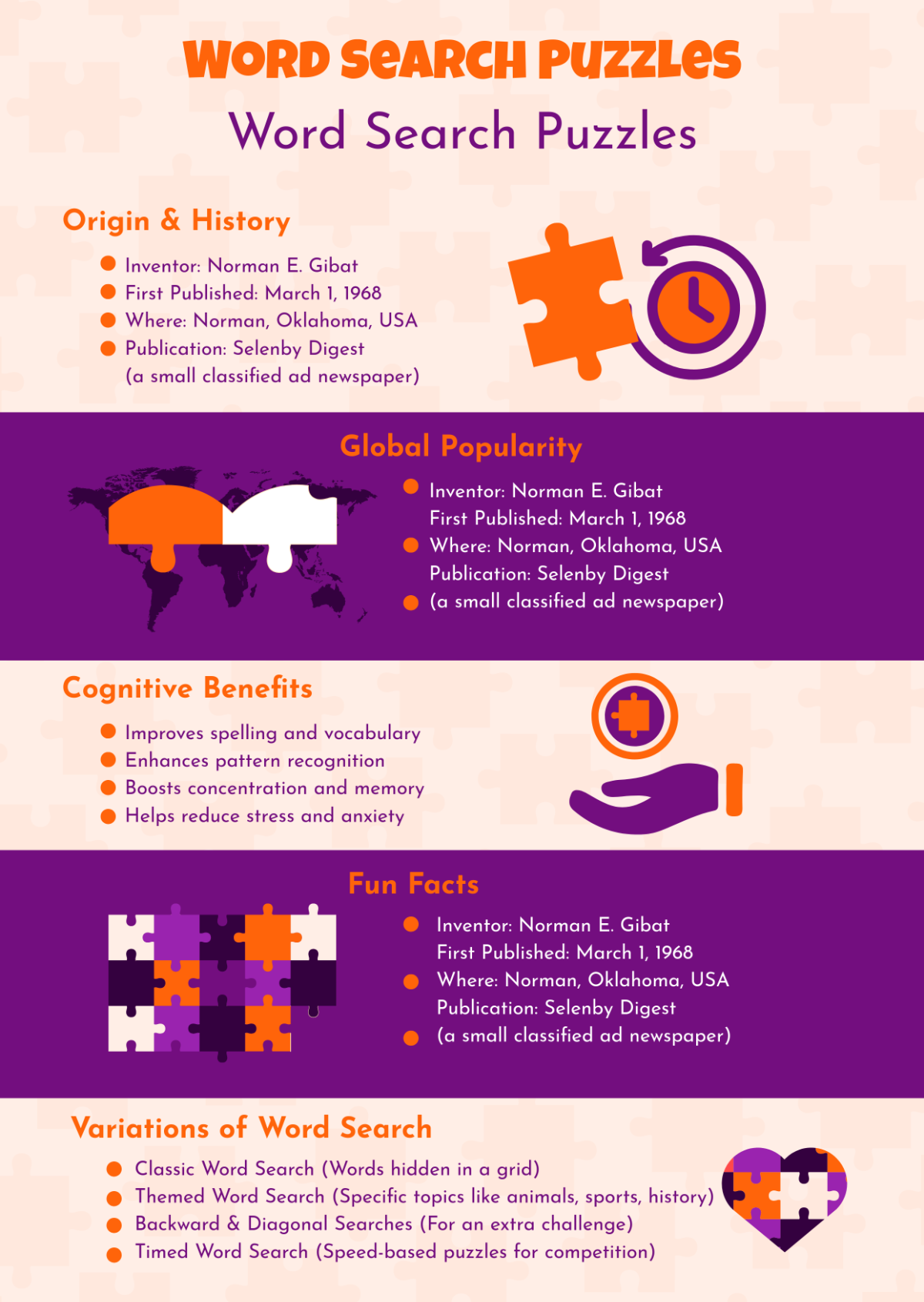
Word searches are not just a mental exercise; they also provide an opportunity to develop fine motor skills, particularly for younger students. As they circle or highlight words, they practice important hand-eye coordination and dexterity. Here’s how this can be beneficial:
- Writing Readiness: Developing fine motor skills is essential for writing. Word searches can help students strengthen the muscles needed for holding a pencil or pen.
- Coordination Practice: Students improve their ability to coordinate their visual and physical movements, which is crucial for various tasks in the classroom.
Consider pairing word searches with other activities that promote fine motor skills, such as coloring or cutting out letters, to create a comprehensive learning experience.
By leveraging the benefits of doing word searches, you can create a dynamic and enjoyable learning environment for your students. The versatility of word searches allows you to adapt them to different subjects and age groups, making them an invaluable resource in your teaching toolkit.
Remember, the next time you’re looking for a way to engage your students, a well-crafted word search could be just what you need to spark their interest and enhance their learning experience.