Puzzle Types For Solving Clues For Students
Engaging students with puzzles is a fantastic way to enhance learning and critical thinking. When exploring puzzle types for solving clues for students, you’ll find an array of options that stimulate curiosity and foster problem-solving skills. Each puzzle type offers a unique way to challenge students while being adaptable for different learning environments and age groups.
Crossword Puzzles
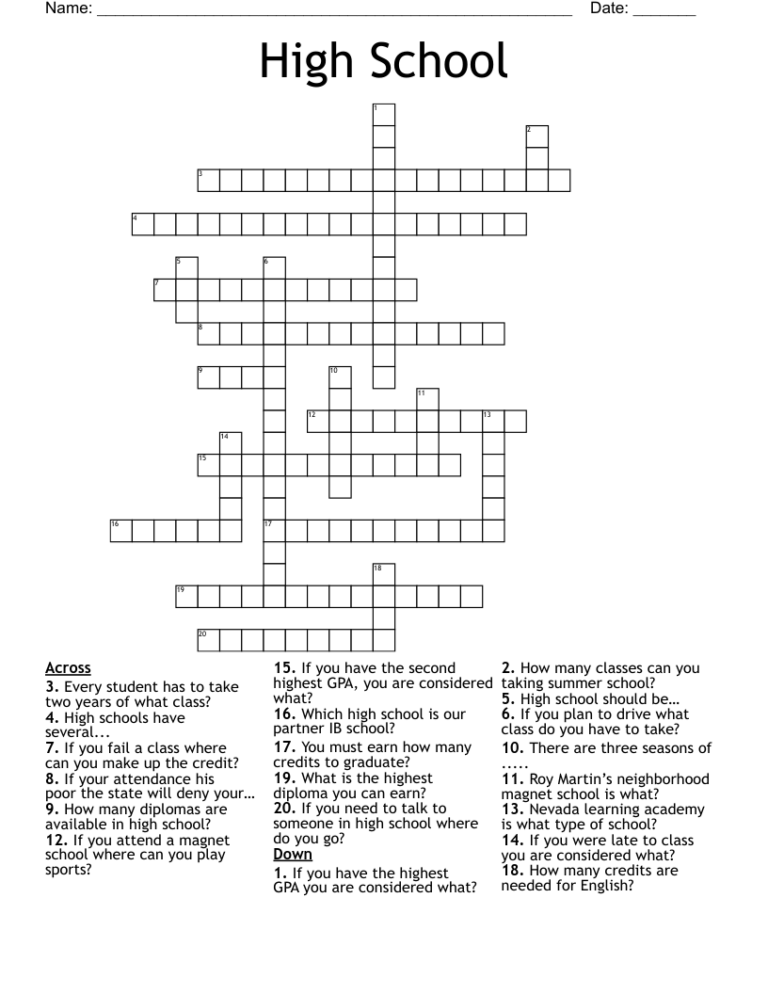
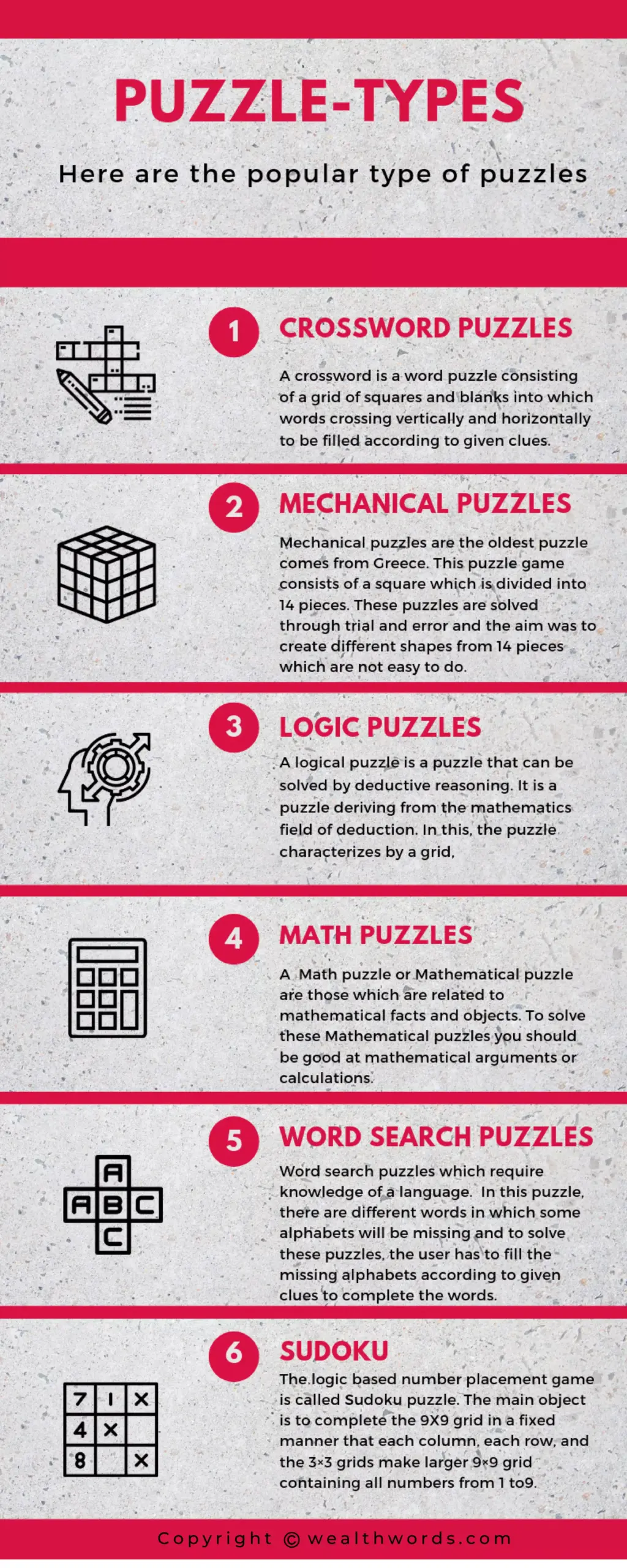
Crossword puzzles are a classic choice that can reinforce vocabulary and subject-specific knowledge. They consist of a grid of squares where students fill in words based on provided clues.
How to Use Crossword Puzzles
- Preparation: Create or download crossword puzzles that align with the subject matter you’re teaching. You can find numerous printable options online.
- Setting: These puzzles work well in both classroom settings and at home. They can be used for individual practice or as a group activity.
- Difficulty Levels: Adjust the complexity by varying the vocabulary and themes. For younger students, use simpler words, while older or advanced students can tackle more challenging terms.
- Materials Needed: Provide students with pencils or pens, and consider using colored pencils for a fun twist.
Crossword puzzles encourage teamwork if done in pairs or groups, allowing students to discuss clues and share knowledge.
Word Searches
Word searches are another engaging puzzle type, perfect for reinforcing spelling and vocabulary. In these puzzles, students search for hidden words within a grid of letters.
Implementing Word Searches
- Customization: You can easily create themed word searches that relate to specific topics or units of study. Many printable resources are available online.
- Group Activities: They can be used in pairs or small groups, where students can race to find all the words first. This adds a competitive element that many students enjoy.
- Difficulty Adjustment: Tailor the grid size and the number of words based on the students’ age and skill level. For younger students, you might keep it small and simple.
- Materials: Just the printed word search and a writing utensil are needed. Consider laminating the sheets for reuse, allowing students to mark words with dry-erase markers.
Word searches can also be used as a warm-up activity at the beginning of a lesson or as a fun homework assignment.
Logic Puzzles
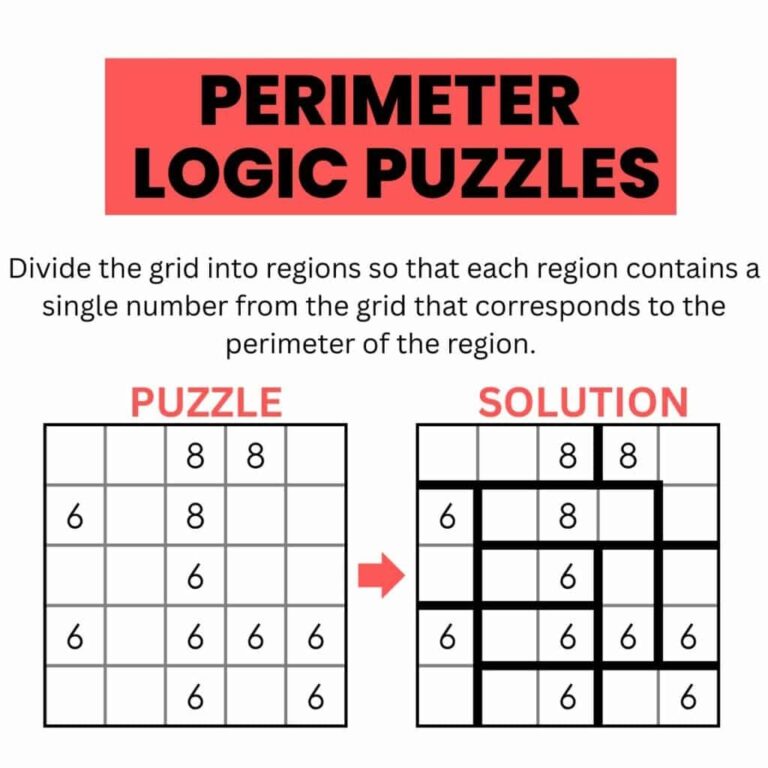
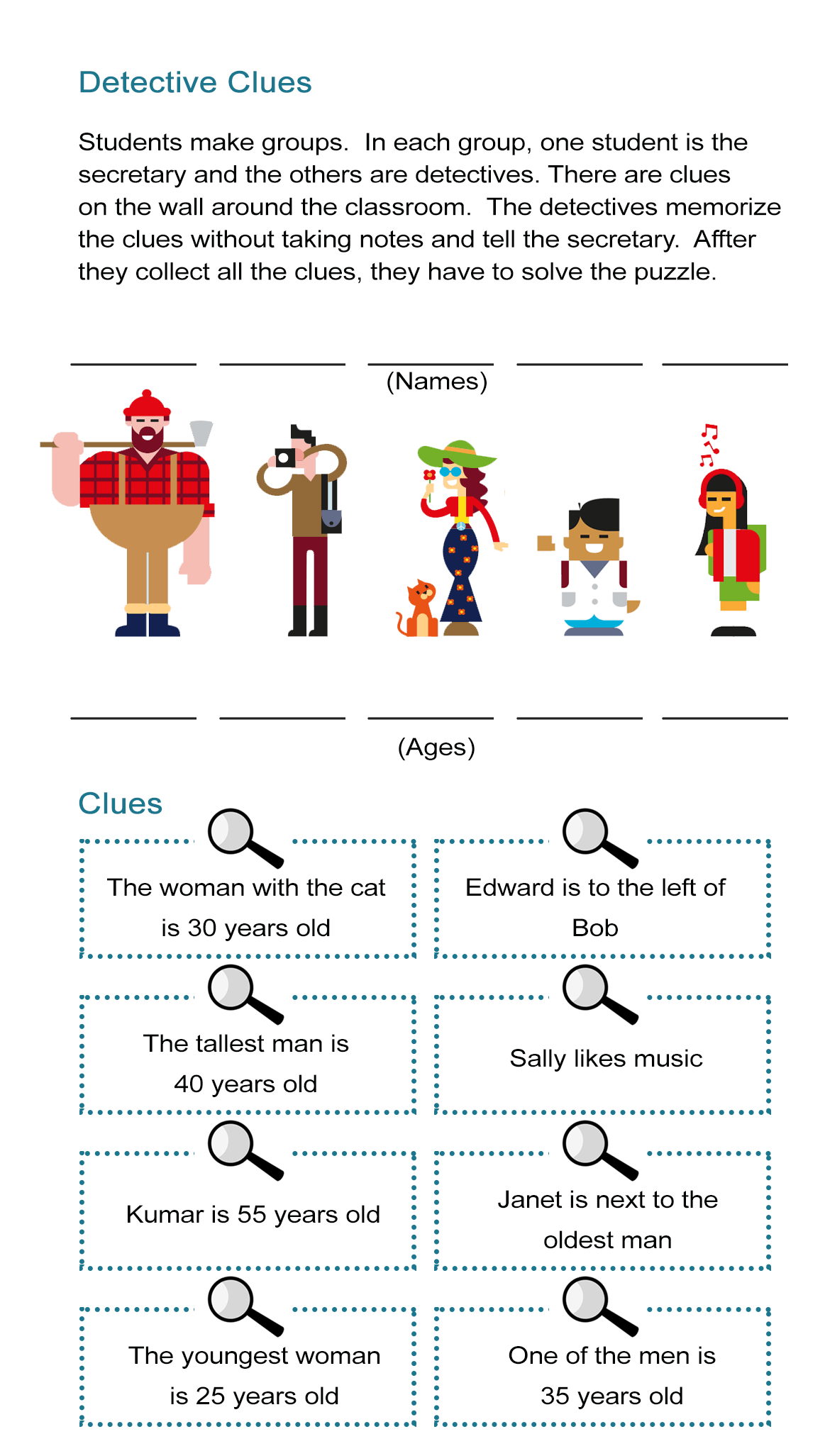
Logic puzzles challenge students to use deductive reasoning and critical thinking. These puzzles often involve a set of clues that lead to a solution based on logical deduction.
Using Logic Puzzles Effectively
- Clue Development: Create or find logic puzzles that require students to analyze information to arrive at a conclusion.
- Collaborative Learning: Encourage group work where students can share their thought processes and reasoning. This fosters discussion and deeper understanding.
- Difficulty Levels: Start with simpler puzzles and gradually introduce more complex ones as students become more comfortable with logical reasoning.
- Materials: You may need additional materials such as counters or markers to help students visualize the scenarios presented in the puzzles.
Logic puzzles are excellent for developing critical thinking skills and can also be used to integrate math and logic in a fun way.
Jigsaw Puzzles
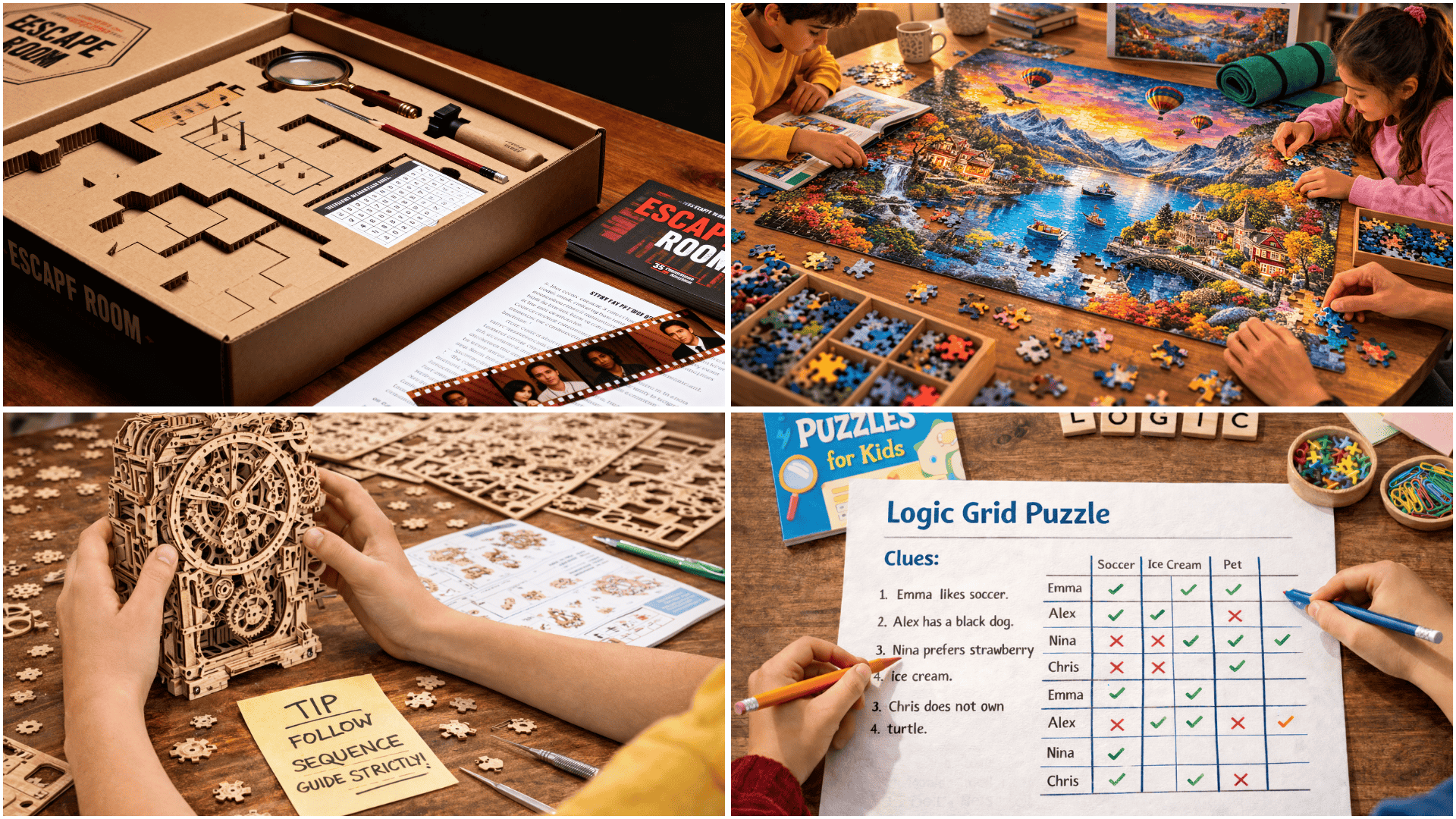
Jigsaw puzzles are a tactile and visual way to engage students. They can be used to teach sequencing, problem-solving, and teamwork.
Best Practices for Jigsaw Puzzles
- Selection: Choose images or themes relevant to the curriculum. For instance, a jigsaw puzzle of a historical event can spark discussions around that topic.
- Teamwork: Encourage students to work in groups, promoting collaboration and communication skills.
- Difficulty: Select puzzles with varying piece counts based on the students’ age group. Younger students might benefit from fewer pieces.
- Materials: Ensure you have a flat surface for assembly. Consider using a puzzle mat for easy storage and portability.
Jigsaw puzzles can be a calming classroom activity that encourages patience and perseverance.
Escape Room Puzzles
Escape room puzzles have gained popularity for their ability to combine teamwork and critical thinking in a fun, immersive experience. Students must solve a series of puzzles to “escape” a themed scenario.
Organizing Escape Room Activities
- Theme Selection: Choose an engaging theme that aligns with your curriculum, such as a historical event or scientific discovery.
- Puzzle Variety: Incorporate different types of puzzles, such as riddles, logic puzzles, and physical challenges, to keep students engaged.
- Group Dynamics: Divide students into small teams to promote collaboration and problem-solving.
- Preparation: You’ll need to set up the room with clues and puzzles, which can require some creativity and planning.
Escape room puzzles can be a highlight of your teaching year, offering a memorable way for students to apply their knowledge in a practical context.